Air Compressor 120V vs. 240V: Which Fits Your Setup Better?
Choosing the right compressor voltage dictates your shop's electrical load and pneumatic output capacity. This guide breaks down engineering specs between standard 120V units and heavy-duty 240V systems.

120V compressors excel in mobile framing and light garage tasks where standard outlets suffice. For continuous automotive assembly and high-demand blasting, a 240V compressor remains the definitive winner.
Compare all top models in our Best Air Compressor: Top Picks for Every Garage & Roadside.
Side-by-Side Breakdown
| Criteria | Air Compressor 120V | 240V | Edge |
|---|---|---|---|
| Peak Performance & Output | Moderate CFM at lower pressures | High CFM at elevated pressures | 240V |
| Duty Cycle & Consistency | Intermittent duty cycle limits runtime | Continuous duty options for production | 240V |
| Operating Noise & Vibration | Higher RPM creates notable vibration | Lower RPM pump design runs quieter | 240V |
| Portability & Footprint | Highly portable for jobsite use | Stationary vertical tanks dominate | Air Compressor 120V |
| Maintenance & Service Life | Standard oil-free or oil-lube options | Industrial cast-iron pumps last longer | 240V |
| Power Requirements | Standard 15A or 20A wall outlet | Dedicated dual-pole 240V breaker required | Air Compressor 120V |
| Best Ideal Use-Case | Trim nailing, inflation, light nailing | Impact wrenches, sanding, heavy painting | 240V |
Fundamental Electrical Architecture and Draw
Understanding electrical amperage draw is vital when comparing compressor voltages. A standard 120V compressor pulls higher current to deliver comparable wattage, pushing standard residential circuits to their absolute limits.
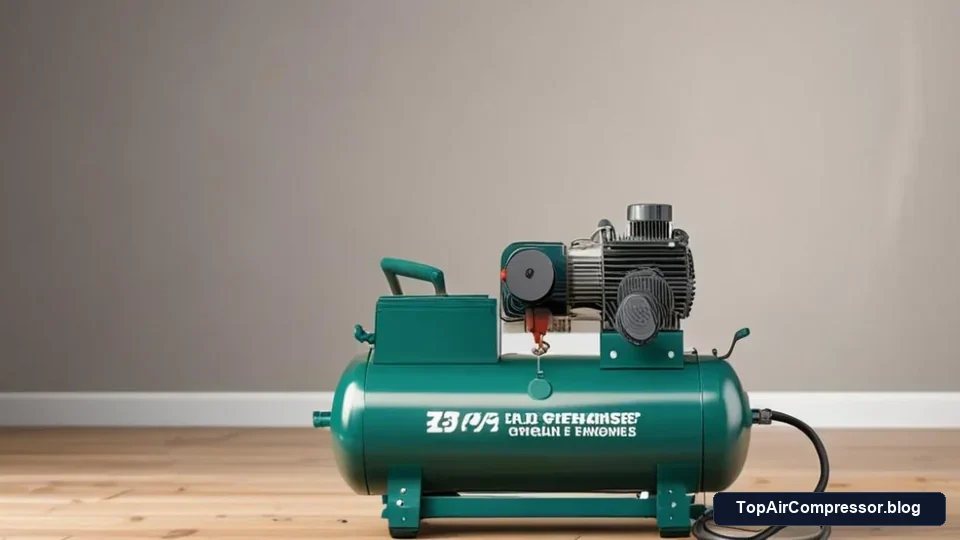
Conversely, operating on 240V power cuts the required amperage in half for identical horsepower outputs. This reduction minimizes voltage drop over long extension cords and protects internal motor windings.
Standard 120V circuits usually max out at 15 or 20 amps, limiting continuous motor startup draw. Exceeding this threshold triggers standard thermal breakers, halting operations during heavy pneumatic framing applications.
Conversely, 240V systems halve the current draw for identical horsepower outputs. This lower amperage reduces resistive heat generation across internal copper windings, protecting electrical insulation over extended industrial operational cycles.
- Lower amperage draw reduces circuit breaker tripping risks.
- Voltage drop decreases significantly over extended cable runs.
- Thicker copper wiring is mandatory for high-voltage setups.
Amperage Limitations on Standard Circuits
Standard household circuits max out at fifteen or twenty amperes. Drawing heavy loads on a 120V breaker frequently causes nuisance trips during startup phases when starting torque spikes dramatically.
Heavy equipment operators bypass these restrictions by installing dedicated high-voltage lines, ensuring reliable startup currents without straining the main electrical panel infrastructure.
- Starting surge current often triples nominal running amps.
- Shared garage circuits create voltage sag under load.
Motor Efficiency and Torque Delivery
Motor engineering diverges significantly between these two voltage classes. Single-phase 120V motors rely on complex starting mechanisms to overcome inertia, generating more heat during startup cycles.
Industrial-grade 240V motors deliver superior starting torque effortlessly. Their balanced electrical phase distribution translates to smoother rotational force and vastly improved overall mechanical efficiency.
Induction motors running on 240V power deliver superior starting torque compared to single-phase 120V equivalents. This mechanical advantage prevents stalling under high tank pressure conditions and reduces overall mechanical wear.
Voltage drop over long extension cords severely impacts 120V units, causing sluggish motor rotation and potential capacitor failure. Utilizing 240V configurations maintains consistent voltage stability even across extended jobsite wiring runs.
- Reduced heat generation preserves motor winding insulation.
- Higher starting torque prevents stalled pump check valves.
- Balanced electrical phases promote smoother mechanical rotation.
Induction Motor Thermal Dynamics
Running high horsepower on lower voltage forces motors to draw excessive current. This excess current accelerates thermal breakdown inside the stator windings of 120V units over time.
Dual-voltage industrial pumps run cooler because doubled voltage halves the thermal energy generated during heavy compression cycles, extending motor lifespan considerably.
- Stator heat is the primary cause of motor burnout.
- Cooler running temps reduce oil degradation rates.
Duty Cycles and Thermal Management
Duty cycle ratings dictate how long your machine runs versus cooling down. Most 120V portable compressors feature a fifty percent duty cycle, requiring mandatory pauses during extended fastening tasks.
Production environments demand continuous operation found in heavy 240V stationary systems. These units integrate robust cast-iron pumps and finned aftercoolers to manage persistent thermal loads.
Operating a compressor at higher voltages improves thermal efficiency by minimizing electrical resistance losses. Following instructions in our how to wire 240v air compressor guide ensures heavy-duty pumps achieve continuous duty cycles safely.
Standard 120V compressors typically operate at restricted 50% duty cycles to dissipate excessive internal heat. Exceeding these operational limits risks burning out stator windings and permanently damaging internal pressure switches.
- Intermittent duty protects portable motors from thermal overload.
- Continuous duty supports high-volume manufacturing workflows.
- Advanced cooling fins dissipate heat away from cylinders.
Managing Heat in Enclosed Shops
Confined workshop spaces trap ambient heat, worsening thermal stress on hard-working machinery. A 120V compressor struggles in hot environments due to its higher internal operating temperatures.
Industrial setups handle elevated ambient temperatures smoothly because their lower current draw produces less localized heat within the motor housing assembly.
- Ambient temperature directly impacts pump efficiency.
- Proper ventilation prevents premature thermal switch activation.
Installation Realities and Wiring Demands
Setting up your pneumatic workspace involves careful electrical planning. A standard 120V machine offers plug-and-play simplicity, requiring zero modifications to existing residential garage wall receptacles.
Upgrading to a heavy 240V system necessitates professional electrician intervention. You must install a dedicated breaker, conduit, and specialized NEMA receptacle rated for high current.
Installing a dedicated 240V circuit requires running heavy-gauge copper wiring, such as 10 AWG or 12 AWG, paired with a specialized double-pole breaker conforming strictly to National Electrical Code standards.
Standard 120V equipment featured in our best 120v air compressor for air tools guide plugs directly into standard household receptacles. Users must verify the circuit remains unshared during startup.
- Plug-and-play convenience eliminates initial electrician installation costs.
- Dedicated breakers prevent overloading your main service panel.
- Heavy-gauge wiring ensures safe power delivery across distances.
Evaluating Shop Electrical Capacity
Before purchasing heavy equipment, inspect your main breaker panel capacity. Many older garages lack the amperage headroom required for adding a heavy 240V motor load safely.
Panel upgrades can offset initial equipment savings, making electrical assessment a critical first step for any serious shop upgrade project.
- Subpanel installation may be necessary for large shops.
- Always verify total available amperage with a licensed electrician.
Portability Factors and Workplace Ergonomics
Jobsite mobility relies heavily on manageable weight and universal power access. Contractors favor compact 120V pancake units because they plug into temporary power poles on unfinished construction sites.
Heavy 240V compressors are decidedly stationary beasts. Weighing hundreds of pounds with large vertical tanks, they belong bolted securely to concrete workshop floors rather than truck beds.
Jobsite mobility heavily favors 120V compressors due to their lighter overall weight and universal compatibility with standard jobsite power distribution boxes and temporary generator setups.
Stationary 240V units generally feature heavy cast-iron vertical tanks designed for permanent workshop installation, eliminating frequent transport needs while providing massive air reserves for demanding pneumatic operations.
- Lightweight frames allow easy transport between room locations.
- Stationary tanks provide massive air reserves for fixed tools.
- Wheels and handles make smaller units ideal for remodelers.
Jobsite Power Availability Challenges
Construction sites rarely feature high-voltage outlets readily available in every room. Portable models recommended in our best 120v air compressor for car tires overview ensure compatibility with power distribution boxes.
Attempting to run high-voltage equipment remotely requires heavy step-down transformers or noisy portable generators, complicating mobile contracting logistics significantly.
- Temporary jobsite power is almost exclusively low voltage.
- Generator sizing must accommodate heavy startup surges.
Air Delivery Rates and Pneumatic Tool Compatibility
Tool performance depends entirely on consistent cubic feet per minute delivery. Selecting a top-rated model from our best 120v air compressor roundup supplies adequate air for brad nailers and light-duty blow guns.
Demanding pneumatic tools like sanders and impact wrenches require the high CFM output generated by a 240V pump, preventing frustrating pressure drops during critical fabrication steps.
High-demand tools like sandblasters and heavy impact wrenches require high CFM delivery that single-phase 120V motors simply cannot sustain continuously under heavy industrial workloads and sustained pressure drops.
Multi-stage 240V air compressors effortlessly drive high-volume pneumatic equipment by producing robust air delivery rates exceeding 15 CFM at 90 PSI without experiencing pressure starvation during continuous operations.
- High CFM prevents pressure drops during continuous tool use.
- Low CFM units stall when running rotary abrasive sanders.
- Spray painting requires steady volume that only big pumps deliver.
Matching CFM to High-Demand Applications
Automotive restoration work pushes pneumatic systems to their absolute limits. Running a die grinder on a 120V unit drains the tank instantly, forcing continuous motor cycling.
A high-output 240V system maintains stable working pressure, letting automotive technicians operate high-consumption air tools without pausing for tank recovery.
- Die grinders and sanders consume massive volumes of air.
- Tank recovery time dictates overall shop workflow efficiency.
Maintenance Protocols and Long-Term Service Life
Proper routine maintenance preserves your equipment investment for decades. Most small 120V units utilize oil-free pump designs that eliminate oil changes but wear out faster under heavy workloads.
Industrial 240V compressors feature splash-lubricated cast-iron pumps. Changing compressor oil annually and checking belt tension ensures these robust machines outlast portable counterparts multiple times over.
Routine maintenance for 240V systems involves inspecting heavy-duty magnetic starters and checking electrical contactors for pitting. These industrial components endure less electrical arcing than their 120V counterparts.
Both voltage classes require standard moisture draining from air receivers and regular compressor oil changes every 500 hours to prevent premature valve degradation and extend overall equipment operational longevity.
- Oil-free designs reduce routine maintenance chore frequency.
- Cast-iron pumps offer rebuildable components for longevity.
- Regular belt inspections prevent unexpected workshop downtime.
Rebuilding Pumps Versus Replacing Units
When a budget-friendly portable machine fails, replacement is often cheaper than repair. A lightweight 120V motor typically lacks serviceable internal bearings or replaceable cylinder sleeves.
Commercial-grade 240V pumps feature modular construction, allowing operators to swap out valves, pistons, and gaskets to restore factory performance after years of service.
- Modular pump designs support cost-effective factory rebuilds.
- Disposable units generate more long-term equipment waste.
Frequently Asked Questions
Can I safely run a large heavy-duty 240V air compressor on a standard residential 120V wall outlet without performing any electrical upgrades?
Absolutely not, because standard household receptacles deliver strictly 120V, requiring a dedicated 240V circuit complete with heavier-gauge copper wiring, a secure double-pole breaker, and a specialized NEMA receptacle to handle the massive amperage draw safely.
What are the primary performance advantages of choosing a 240V air compressor over a standard 120V portable model for my workshop?
High-voltage units deliver significantly higher cubic feet per minute output at elevated pressures, allowing you to run air-hungry tools like sanders and impact wrenches continuously without suffering frustrating pressure drops.
Why do smaller 120V air compressors usually feature oil-free pump designs while larger 240V industrial systems utilize traditional oil-lubricated cast-iron pumps?
Oil-free pumps reduce maintenance for mobile users, whereas heavy 240V systems rely on oil lubrication to dissipate extreme thermal energy generated during continuous industrial manufacturing cycles.
Is it possible to use a long extension cord with a high-draw 120V air compressor without damaging the internal motor windings over time?
Long extension cords cause severe voltage drop that forces motors to draw excessive current, overheating stator windings and frequently triggering thermal overload switches during heavy startup cycles.
Which compressor type represents the most cost-effective solution for a residential garage mechanic who only performs occasional tire inflation and light nailing?
A portable 120V unit offers unmatched plug-and-play convenience and zero installation expenses, making it the perfect economical choice for light garage tasks and basic weekend DIY projects.