Single Phase vs. Two Phase Air Compressor: Which Fits Your Setup Better?
Evaluating phase architecture helps match electrical supply constraints with heavy industrial output. Choosing the correct system prevents tripped breakers and guarantees sustained pneumatic pressure.

Opt for single phase units in standard garages with limited 120V or 240V lines. Select two phase industrial compressors when running continuous high-CFM pneumatic tools in professional manufacturing environments.
Compare all top models in our Best Air Compressor: Top Picks for Every Garage & Roadside.
Side-by-Side Breakdown
| Criteria | Single Phase | Two Phase Air Compressor | Edge |
|---|---|---|---|
| Peak Performance & Output | Moderate CFM at standard psi | High CFM at elevated pressures | Two Phase Air Compressor |
| Duty Cycle & Consistency | 50 percent maximum standard cycle | Continuous 100 percent heavy duty | Two Phase Air Compressor |
| Operating Noise & Vibration | Higher vibration in portable units | Balanced multi-cylinder dampening | Two Phase Air Compressor |
| Portability & Footprint | Compact wheeled or stationary tanks | Heavy vertical stationary setups | Single Phase |
| Maintenance & Service Life | Standard oil changes and filters | Advanced valving and heavy upkeep | Two Phase Air Compressor |
| Power Requirements | Standard residential or shop lines | Dedicated high-amperage industrial power | Single Phase |
| Best Ideal Use-Case | Auto repair and general carpentry | Commercial manufacturing and assembly | Two Phase Air Compressor |
Core Electrical Architecture and Power Delivery
Understanding how electrical current enters your facility dictates whether single phase or multi-phase equipment operates safely. Single phase systems rely on a single alternating current wave to drive the main electric motor.
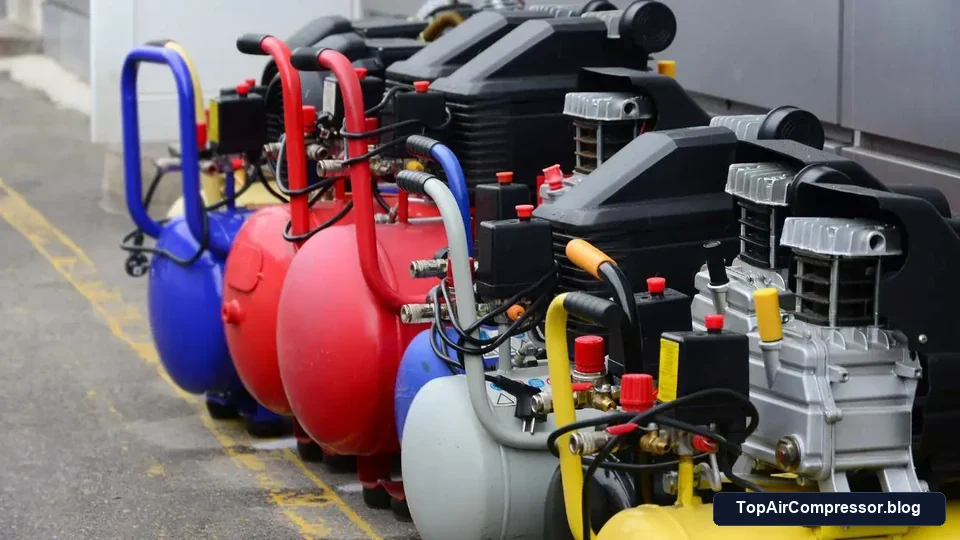
Industrial facilities often utilize complex phase wiring configurations to distribute heavy electrical loads efficiently across multiple windings. This design reduces individual winding stress while delivering superior torque under heavy mechanical compression loads.
Single-phase motors rely on start capacitors to create auxiliary magnetic fields, drawing higher starting amperage. This demands heavy-duty 230V circuits with proper wire gauges to prevent voltage drop and thermal overload.
Two-phase or three-phase systems distribute electrical loads evenly across multiple conductors. This balanced architecture reduces peak amp draw, minimizes thermal stress, and extends motor lifespan in demanding industrial shop environments.
- Single phase configurations utilize standard residential and light commercial grid lines easily.
- Multi-phase industrial designs distribute electrical load evenly across separate sinusoidal circuits.
- Proper voltage matching prevents catastrophic motor burnout during peak startup surges.
Voltage Draw and Startup Amperage
Startup amperage spikes significantly when induction motors first engage under load conditions. Single phase compressors require larger run capacitors to overcome initial inertia compared to balanced industrial setups.
Magnetic starters and heavy-duty thermal overloads protect complex electrical circuits from sustaining permanent damage during frequent cycling throughout long working shifts in busy workshops.
- High startup draw can dim facility lighting on inadequate circuits.
- Thermal protection switches safeguard internal copper windings from overheating.
Performance Metrics and Real-World CFM Output
Evaluating volumetric efficiency requires examining how many cubic feet per minute a pump delivers at specific pressures. Single phase setups generally handle intermittent tool usage like impact wrenches and nailers.
Heavy manufacturing operations demand continuous air delivery exceeding standard single phase capacity limits. Buyers exploring shop upgrades should review our best single phase air compressor picks to compare performance limits.
Standard single-phase compressors typically top out around 15 CFM at 90 PSI, limiting simultaneous tool operation. Mechanics running continuous DA sanders will notice pressure drops if tank capacity is undersized.
Two-phase industrial units easily deliver 30 to 50 CFM, supporting multiple heavy-duty pneumatic impacts simultaneously. Mechanics can evaluate top performance tiers inside our best two stage air compressor review before buying.
- Single phase compressors excel at supplying moderate CFM for standard tools.
- Progressive compression stages reduce air temperature and boost overall volumetric output.
- Sustained pressure prevents pneumatic tool starvation during heavy industrial production.
Pressure Ratios and Volumetric Efficiency
Splitting the compression ratio between a low-pressure piston and a high-pressure cylinder minimizes air leakage past piston rings. This engineering approach maximizes total volumetric efficiency across demanding work shifts.
Higher operating pressures translate directly into longer tool runtime without requiring massive storage tank footprints inside restricted workshop layouts and crowded production floors.
- Multi-stage compression lowers intercooler temperatures significantly.
- Maintains steady line pressure even during simultaneous tool operation.
Thermal Management and Duty Cycle Limits
Heat generation remains the primary enemy of pneumatic pump longevity and reliable valve operation. Single phase consumer models typically operate at a fifty percent duty cycle to prevent overheating.
Industrial two phase compressors incorporate finned intercoolers and cast iron aftercoolers to dissipate extreme thermal energy rapidly. This allows the pump to run continuously without degrading lubricating oil viscosity.
Single-phase units generate higher winding temperatures due to inherent electrical inefficiencies. Most consumer-grade reciprocating pumps operate on a strict 50% duty cycle, requiring mandatory cooling intervals to prevent catastrophic failure.
Industrial multi-phase compressors utilize cast-iron pumps to sustain a 100% continuous duty cycle. Facilities can examine top options featured in our best 3 phase air compressor guide for heavy fabrication demands.
- Excessive heat buildup causes rapid carbon accumulation on internal reed valves.
- Intercoolers drop air temperature between compression stages to improve density.
- Continuous duty ratings support round-the-clock commercial manufacturing workflows.
Lubrication Integrity Under Extreme Stress
Synthetic compressor oils maintain protective viscosity barriers even when pump head temperatures rise during heavy loading. Single phase units running on splash lubrication require strict oil level monitoring.
Heavy-duty industrial pumps often utilize pressure lubrication systems driven by internal oil pumps to ensure immediate bearing coverage during cold startups and continuous high-load operations.
- Splash lubrication relies on dippers attached to connecting rod caps.
- Pressure lubrication guarantees continuous oil flow to critical crankshaft journals.
Build Quality, Materials, and Maintenance Demands
Pump construction materials dictate how many thousands of service hours equipment will deliver before requiring a complete overhaul. Single phase units often blend aluminum components with cast iron sleeves.
Heavy industrial compressors feature solid cast iron crankcases, precision-machined connecting rods, and replaceable cylinder liners designed for decades of rigorous service in dirty fabrication environments.
Single-phase portable units often feature aluminum crankcases and splash lubrication, requiring oil changes every 100 operational hours. Reed valves demand periodic inspection to maintain optimal volumetric efficiency during heavy use.
Heavy-duty compressors employ pressure lubrication systems driven by internal oil pumps. Operators must monitor oil sight glasses and replace high-capacity spin-on filters every 500 hours for maximum mechanical longevity.
- All-cast-iron pump construction resists thermal warping and mechanical wear effectively.
- Replaceable cylinder sleeves extend the practical service life of expensive compressor blocks.
- Routine maintenance schedules prevent catastrophic mechanical failures during peak production.
Filter Upkeep and Moisture Control
Inlet air filters must be inspected weekly to prevent abrasive dust from scoring precision cylinder walls. Operators managing workshops can browse our best 60 gallon single stage air compressor review to compare maintenance requirements.
Automated electronic tank drains remove condensed moisture before internal rust compromises structural tank integrity, ensuring compliance with strict industrial safety and pressure vessel regulations.
- Paper element filters require frequent cleaning in dusty woodworking environments.
- Moisture separators protect downstream pneumatic tools from corrosion and water damage.
Physical Footprint, Weight, and Installation Factors
Available floor space and structural weight capacities dictate where heavy shop equipment can be safely anchored. Single phase portable compressors offer mobility via pneumatic wheels and compact horizontal tanks.
Two phase industrial systems require permanent installation on reinforced concrete pads due to their massive vertical tank designs and heavy cast iron pump assemblies.
Single-phase wheeled units prioritize mobility, weighing between 150 and 300 pounds. They easily roll across concrete shop floors but require stable positioning to prevent excessive vibration walking during startup.
Two-phase stationary vertical systems weigh upwards of 600 pounds, demanding reinforced concrete foundations. Proper anchoring with anti-vibration pads prevents structural resonance and meets strict OSHA industrial placement codes.
- Portable single phase units easily relocate around dynamic automotive repair shops.
- Stationary vertical tanks save valuable floor space in cramped industrial workshops.
- Vibration isolation pads prevent mechanical energy transfer into surrounding building structures.
Rigging, Anchoring, and Facility Preparation
Proper anchoring prevents dangerous resonant vibrations from loosening electrical connections and cracking copper distribution lines. Heavy industrial units demand professional rigging during initial placement.
Electrical supply drops must feature appropriately sized copper wiring and heavy-duty disconnect switches to meet local electrical codes and ensure operator safety during maintenance procedures.
- Concrete anchor bolts secure heavy vertical tanks against tipping forces.
- Professional electrical installation prevents dangerous voltage drops over long wire runs.
Noise Emissions, Vibration, and Workshop Ergonomics
Acoustic output directly impacts operator fatigue and overall workplace comfort during long shifts. Single phase direct-drive compressors produce high-frequency whining noises that can be abrasive.
Belt-driven two phase compressors operate at significantly lower pump speeds, resulting in deeper, more tolerable acoustic frequencies that protect worker hearing health.
High-RPM single-phase compressors frequently emit noise levels exceeding 85 decibels, requiring mandatory hearing protection. Their rapid reciprocating strokes also create significant floor vibrations that travel through unisolated foundations.
Slower-turning multi-phase pumps operate much quieter, often dropping below 75 decibels while running. Balanced crankshaft designs drastically reduce harmonic resonance, improving overall shop communication and worker acoustic comfort.
- Lower pump RPM directly correlates with reduced decibel output levels.
- Enclosed belt guards prevent accidental contact with spinning pulleys and flywheels.
- Acoustic enclosures can be added to reduce ambient shop noise further.
Vibration Dampening and Structural Isolation
Unbalanced reciprocating forces create tremors that travel through unpadded shop floors and rattle nearby shelving. Installing rubber isolation feet absorbs high-frequency vibrations effectively.
Flexible braided stainless steel discharge hoses isolate rigid copper piping from compressor vibration, preventing fatigue fractures and costly compressed air leaks over time.
- Rubber isolators eliminate resonant floor hums in shared buildings.
- Flexible discharge lines accommodate thermal expansion and pump movement.
Selecting the Optimal System for Your Workload
Matching compressor capabilities to your specific daily air consumption prevents both underperformance and wasted capital investment. Analyze your peak CFM tool requirements before purchasing any equipment.
Consulting certified electrical contractors ensures your facility infrastructure can support the chosen phase architecture without risking overloads or expensive equipment damage down the road.
Match your compressor choice directly to peak air demands by calculating the total CFM requirements of all simultaneously operated pneumatic tools plus a mandatory twenty percent safety margin for efficiency.
Facilities with existing three-phase power should always prioritize industrial multi-phase equipment. Single-phase units remain the practical choice for residential garages lacking access to heavy commercial electrical service drops.
- Calculate total tool CFM demands by adding simultaneous usage requirements together.
- Factor in future business growth when sizing electrical service drops and tanks.
- Prioritize build quality and duty cycle ratings over initial purchase savings.
Cost of Ownership and Long-Term Value
While industrial systems carry higher upfront acquisition costs, their durable cast iron pumps offer lower per-hour operating expenses over decades of continuous service.
Consumer-grade single phase units require more frequent replacement intervals when subjected to heavy commercial workloads, ultimately increasing total long-term operational expenditures.
- Industrial pumps offer rebuildable components for extended service life.
- Energy-efficient motors reduce monthly utility overhead in busy facilities.
Frequently Asked Questions
Can a single phase compressor run heavy industrial equipment?
Single phase units can handle moderate shop tools but struggle with continuous high-CFM demands. High continuous workflows require robust multi-phase industrial systems to prevent motor burnout.
What is the main advantage of a two phase compressor pump?
Multi-stage compression splits the pressure workload across cylinders to generate higher psi efficiently. Progressive stage cooling dramatically lowers operating temperatures and extends service life.
Do two phase systems require specialized electrical wiring?
Yes, most industrial systems demand dedicated high-amperage lines and magnetic starters. Proper electrical drops prevent dangerous voltage sags and protect internal windings from damage.
How often should compressor oil be changed in heavy units?
Commercial pumps generally require synthetic oil changes every five hundred operating hours. Routine lubricant maintenance ensures critical bearings stay protected against premature mechanical wear.
Why is pump RPM important when evaluating noise levels?
Slow-turning belt-driven pumps generate significantly lower decibel outputs than fast direct-drive units. Reduced rotational speed creates a much more comfortable acoustic environment for workers.