Viair 300P vs. 300P Rvs: Which Fits Your Setup Better?
Choosing between these portable compressors requires evaluating your specific power connections and inflation accessories. We analyze their engineering specs to help you decide.


Choose the Viair 300P for standard direct-battery truck use, or select the 300P Rvs if you need specialized RV inflation accessories and versatile power adapters.
Compare all top models in our Best Air Compressor: Top Picks for Every Garage & Roadside.
Side-by-Side Breakdown
| Criteria | Viair 300P | 300P Rvs | Edge |
|---|---|---|---|
| Peak Performance & Output | 2.30 CFM at 0 PSI | 2.30 CFM at 0 PSI | Tie |
| Duty Cycle & Consistency | 33% at 100 PSI | 33% at 100 PSI | Tie |
| Operating Noise & Vibration | Standard direct-drive hum | Standard direct-drive hum | Tie |
| Portability & Footprint | Standard canvas carry bag | Includes RV-specific storage | 300P Rvs |
| Maintenance & Service Life | Oil-less permanent motor | Oil-less permanent motor | Tie |
| Power Requirements | Heavy-duty alligator clips | Clips plus 12V plug options | 300P Rvs |
| Best Ideal Use-Case | Off-road truck tires | Class A, B, and C motorhomes | Depends on Vehicle |
Understanding Core Performance and Output Profiles
Both portable air compressor units share identical internal pump architectures. They deliver a maximum pressure of 150 PSI to handle large truck and recreational vehicle tires efficiently.
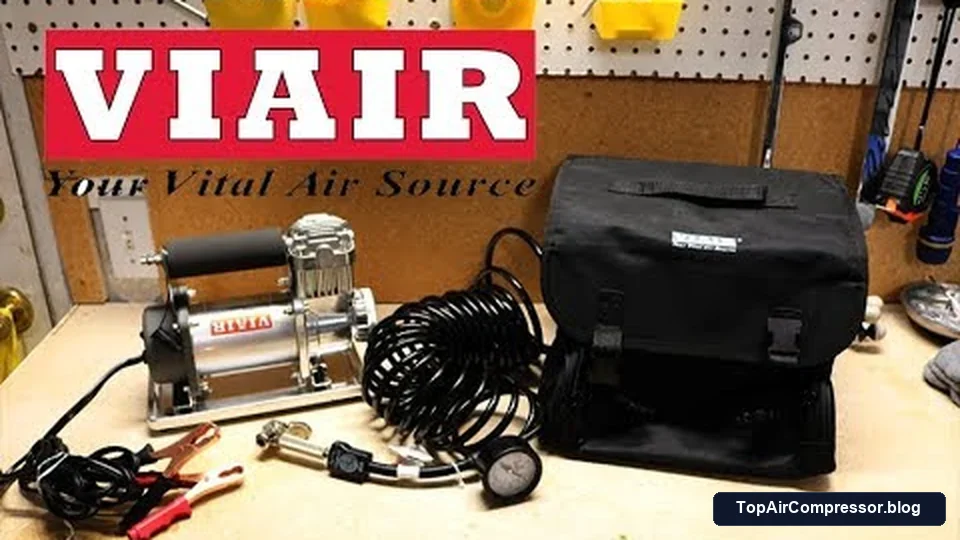
Engineered with a 33 percent duty cycle at 100 PSI, these heavy-duty machines demand proper thermal management. Continuous operation beyond thirty minutes risks triggering internal thermal overload protection circuits.
While comparing models in our Viair 88P review, you will notice the standard 300P delivers a maximum working pressure of 150 PSI for rapid passenger vehicle and light truck tire inflation tasks.
Conversely, the 300P-RVS variation optimizes output for recreational vehicles by balancing delivery volume against extended run times, ensuring reliable operation when airing up massive tires found on heavy motorhomes.
- Identical 2.30 CFM free-air delivery at zero PSI
- Oil-less motor design eliminates regular crankcase maintenance
- Built-in thermal overload protection prevents catastrophic motor failure
Evaluating Air Delivery Volumes
Inflating a standard thirty-five-inch off-road tire from fifteen to thirty-five PSI takes roughly three minutes. Expect consistent volumetric output across both units during extended inflation sessions.
Maintaining proper engine RPM while running the compressor ensures maximum electrical voltage. This practice prevents premature motor wear and optimizes overall compressor speed.
- Reliable pressure gauge integration for accurate monitoring
- Stable air delivery even during demanding multi-tire fill-ups
Build Quality, Materials, and Long-Term Durability
Constructed with anodized aluminum cylinders, both compressors resist corrosion from harsh roadside environments and damp weather conditions. External cooling fins effectively dissipate heat during heavy workloads.
Rubber-isolated mounting feet drastically reduce high-frequency vibrations during operation. This mechanical stability prevents the portable units from walking across gravel or asphalt surfaces.
Both units utilize anodized aluminum cylinders and oil-less maintenance-free permanent magnetic motors, reducing overall weight while resisting corrosion in humid coastal environments or salt-treated winter roadways across North America.
Thermal overload protectors embedded within the motor housing safeguard internal copper windings from catastrophic burnout during prolonged inflation cycles, extending the operational lifespan of critical mechanical components significantly.
- Heavy-duty sand tray base keeps unit stable on soft soil
- Stainless steel valves ensure long-term operational reliability
- Weather-resistant chassis handles unexpected outdoor moisture safely
Inspecting Critical Mechanical Components
The permanent magnetic motor utilizes sealed Japanese bearings for maximum longevity. Routine visual checks of the air filter element prevent harmful dust ingestion.
Replacing the foam filter element annually preserves peak volumetric efficiency. Keep the electrical wiring harness clean and free of grease to ensure optimal conductivity.
- Easy-access intake filter for straightforward cleaning
- Robust handle design built for frequent transport
Power Delivery Systems and Electrical Requirements
Highlighted in our best Viair compressor for RV review, the standard unit relies exclusively on heavy-duty battery clamps for direct connection without experiencing performance-sapping voltage drops during operation.
Drawing a maximum of twenty amps, these motors require running your vehicle engine. Operating them with a dead battery will leave you stranded despite having compressed air.
Drawing a maximum of 30 amps, these portable compressors require direct battery connection via heavy-duty alligator clamps rather than standard 12-volt accessory sockets to prevent blown fuses and voltage drops.
Ensuring your vehicle alternator runs during high-draw inflation sessions prevents deep discharge of starting batteries, maintaining optimal electrical stability for the unit's high-output 12-volt architecture.
- Direct battery connection prevents blown factory fuses
- Heavy gauge power cables minimize electrical resistance losses
- Integrated inline fuse holder protects against unexpected short circuits
Analyzing the RV Power Flexibility
The Rvs variant expands connection versatility with specialized adapters. It accommodates various mobile power configurations found across modern recreational vehicles and travel trailers.
Always verify your vehicle alternator output before operating high-draw accessories. Proper electrical planning safeguards your vehicle charging system during heavy inflation tasks.
- Multiple power connection configurations available
- Designed for safe integration with auxiliary battery banks
Hose Assemblies, Accessories, and Ergonomic Design
Accessory packages represent the primary functional difference between these two popular models. The Rvs edition includes an extended hose assembly designed for long motorhomes.
As noted in our Viair 400P-RV review, reaching dual rear wheels on large motorhomes demands extra reach. This specialized kit ensures you service all tires without repositioning the compressor.
The standard model includes a shorter coiled hose suited for immediate vehicle proximity, whereas the RVS variant features an extended 30-foot air hose, allowing effortless reach around large trailer configurations.
Integrated inline pressure gauges feature dual-scale increments for precise PSI and bar readings, minimizing guesswork and eliminating the need for secondary handheld gauges during critical tire pressure adjustments.
- Longer primary air hose on the Rvs variant
- Includes specialized dual-foot air chucks for dually setups
- Sturdy storage bags protect equipment during travel stowage
Comparing Supplied Inflation Kits
Standard variants ship with a straightforward coiled hose and basic inflation tips. They suit passenger cars, standard trucks, and small utility trailers perfectly.
The Rvs package features specialized connectors tailored for high-pressure RV tires. These fittings eliminate frustration when accessing tight valve stems on dual wheels.
- Quick-connect couplers speed up setup times
- Included deflation tool aids precise pressure tuning
Noise, Operating Efficiency, and Thermal Limits
Operating at roughly eighty decibels, both compressors produce moderate operational noise. Running the vehicle engine easily masks the mechanical hum during tire inflation tasks.
Thermal management dictates your maximum working time during roadside emergencies. Respecting the manufacturer duty cycle prevents premature motor burnout and thermal trips.
Operating at measurable decibel levels typical of oil-less reciprocating pumps, these compressors demand hearing protection during extended use, while maintaining a 33% duty cycle at 100 PSI for safe thermal management.
Allowing the unit to cool between extended inflation sessions prevents thermal tripping, preserving piston ring integrity and maximizing the longevity of internal check valves under heavy operational loads.
- Moderate noise footprint typical of 12V compressors
- Efficient thermal dissipation keeps working temperatures manageable
- Automatic reset function protects against permanent thermal damage
Managing Heat Buildup in Field Conditions
High ambient temperatures accelerate internal motor heating significantly. Shade the compressor during desert operations to maintain safe operating temperature thresholds.
Allowing adequate cool-down periods between consecutive tire inflations extends equipment life. Rushing the process risks overheating vital electrical stator windings.
- Keep unit clear of debris to ensure airflow
- Monitor cylinder head temperature during multi-tire fills
Footprint, Portability, and Storage Management
Weighing around eight pounds, both units offer exceptional portability for mobile applications. Their compact dimensions fit easily into crowded trunk spaces or storage compartments.
The included durable canvas bags protect against dust and moisture during transit. Secure the bag inside your vehicle to prevent sliding during off-road driving.
Housed in durable canvas carrying bags, both compressors feature compact footprints that easily stow beneath truck seats or inside specialized RV storage compartments without taking up excessive cargo capacity.
The lightweight design, averaging roughly 10 pounds, ensures effortless transport from the storage bay to the vehicle wheel wells, reducing operator fatigue during roadside maintenance operations.
- Lightweight construction reduces carrying fatigue
- Compact footprint saves valuable storage space in RV bays
- Durable carrying case features reinforced stitching and handles
Optimizing On-Board Storage Layouts
Dedicated storage bays in motorhomes accommodate the Rvs kit effortlessly. Ensure accessories remain neatly coiled to prevent kinks in the flexible air hose.
Stowing the power cables loosely prevents internal wire fatigue over years of service. Proper pack-up habits ensure immediate readiness during unexpected roadside flats.
- Keep accessories organized within the primary bag
- Protect quick-connect fittings from dirt accumulation
Which Compressor Fits Your Specific Application?
Selecting the right unit depends entirely on your primary vehicle type. Reviewing options in our best Viair compressor guide helps truck owners and off-road enthusiasts choose the ideal standard model.
Motorhome owners benefit significantly from the extended reach and specialized adapters of the Rvs variant. Assess your vehicle tire dimensions before making a final purchasing choice.
Select the standard 300P if your primary requirements involve servicing standard off-road trucks, passenger cars, or utility trailers requiring standard hose lengths and rapid tire inflation speeds.
Choose the 300P-RVS model when your towing setup or large motorhome demands the extended reach of longer hoses and specialized fittings for seamless recreational vehicle maintenance.
- Match power connection style to your primary vehicle setup
- Consider total reach needed for trailers and large motorhomes
- Evaluate included accessories against your specific inflation needs
Final Decision Matrix for Buyers
If you exclusively inflate pickup truck and Jeep tires, the standard model satisfies all requirements. Save your money by skipping RV-specific accessories you will never use.
For full-time RVers and travelers towing large fifth-wheel trailers, the specialized Rvs package provides unmatched convenience. The extra reach is well worth the investment.
- Standard model excels at general automotive tasks
- RV edition solves unique motorhome reach challenges
Frequently Asked Questions
Can I run these compressors from a standard 12V cigarette lighter?
No, these units draw up to twenty amps at peak load and require direct battery connection to prevent blowing factory fuses.
What is the maximum tire size these compressors can handle?
They efficiently inflate tires up to thirty-five inches, though larger tires require extended cooling breaks between inflation cycles.
Do I need to lubricate the internal mechanical parts?
No, both units feature an oil-less motor design that requires zero lubrication or internal crankcase maintenance over its lifetime.
What is the main difference between the standard and RV models?
The primary distinction lies in the hose length and accessories, with the RV variant tailored for dual wheels and motorhomes.
Should my vehicle engine be running while using the compressor?
Yes, always keep your engine running during operation to provide stable electrical voltage and protect your vehicle battery.