Air Compressor Trips Circuit Breaker Fix
Electrical overloads on startup require systematic diagnosis. Correcting breaker trips protects motor windings and ensures workshop safety.

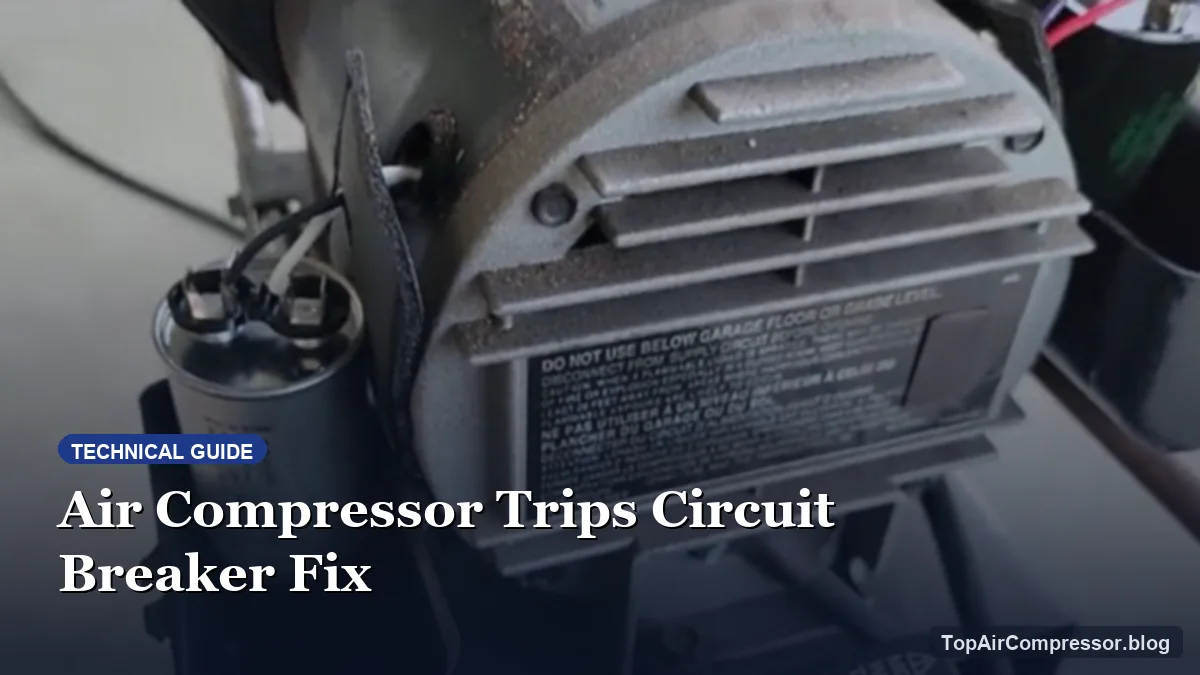
An air compressor tripping a breaker usually stems from high inrush current or excessive voltage drop. Always verify dedicated circuit amperage before replacing hardware.
Ready to compare models? Start with our Best Air Compressor: Top Picks for Garage, Shop, & Tires.
Practical Quick-Reference Table
| Electrical Parameter | Standard Requirement | Diagnostic Action |
|---|---|---|
| Motor Inrush Current | 3x to 5x running amps | Check time-delay breaker rating |
| Extension Cord Gauge | 10 AWG maximum length | Remove cords and plug directly into wall |
| Dedicated Circuit | 20-amp minimum capacity | Isolate compressor from heavy shop tools |
| Unloader Valve | Clears head pressure instantly | Inspect valve for sticking or carbon buildup |
| Thermal Overload | Trips on sustained heat | Allow cooling period before manual reset |
| Pressure Switch Cut-In | Factory calibrated range | Test contacts for pitting and arcing |
Electrical Fundamentals of Motor Inrush Current
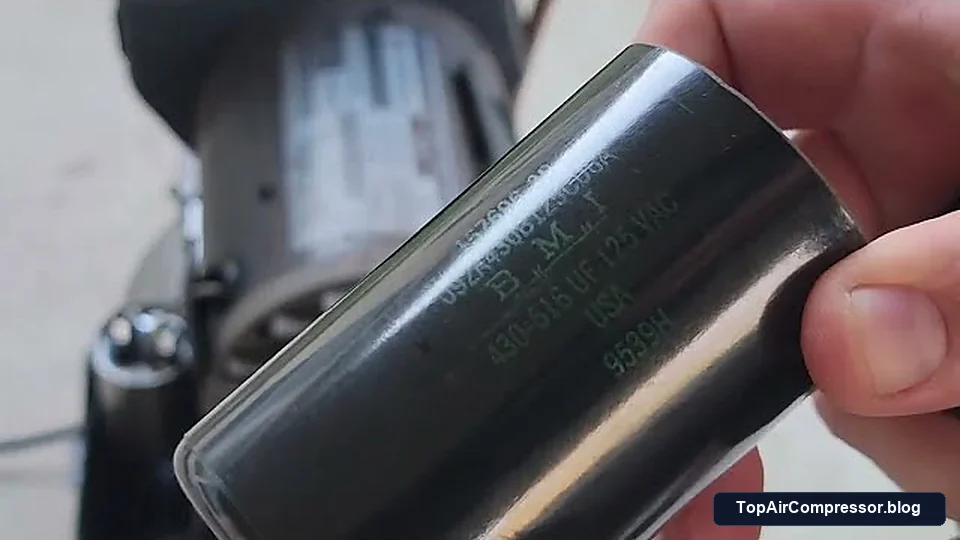
Induction motors demand massive electrical surges during initial startup. This inrush current often exceeds standard running amperage by up to five times.
When this sudden demand outstrips panel capacity, the breaker trips instantly. Understanding this fundamental property prevents premature component replacement and costly electrical upgrades.
Electric motors draw massive current during startup. For roadside emergencies, choosing our best portable tire air compressor prevents electrical strain while delivering reliable inflation when you need it most.
Understanding this startup surge helps technicians differentiate between normal operational transients and actual electrical faults. Slow-blow breakers or Type D circuit breakers are specifically designed to absorb these brief, heavy startup currents safely.
- Induction motors require high starting torque.
- Inrush current lasts for fractional seconds.
- Standard breakers trip on magnetic overloads.
- Slow-blow breakers handle startup surges.
Calculating Starting Amperage Load
Review your motor data plate for full load amperage ratings. Multiply this baseline figure by four to estimate peak inrush current requirements.
Compare this calculated peak against your panel's circuit breaker trip curve. Mismatched ratings guarantee persistent electrical faults during heavy workshop operations.
- Locate motor nameplate specifications.
- Multiply FLA by starting multiplier.
- Verify panel breaker curve type.
Diagnosing Panel Limits and Dedicated Circuits
Air compressors demand stable voltage supplies to operate safely. Sharing circuits with heavy shop machinery triggers voltage drops and nuisance tripping events.
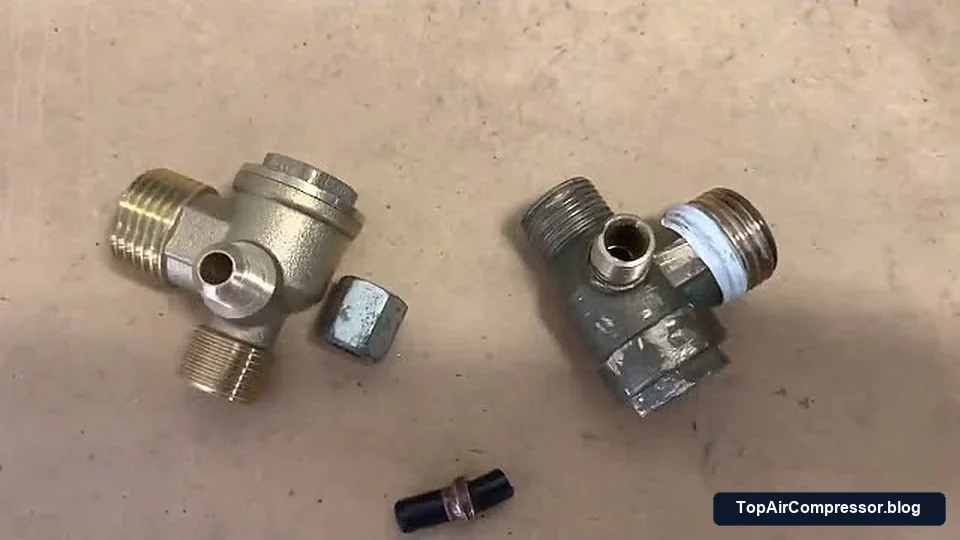
Always isolate your pneumatic equipment on a dedicated branch circuit. This guarantees uninterrupted power delivery during demanding high-pressure compressor cycles.
Air compressors require dedicated circuits to prevent overloads. When equipping a workspace, consult our best portable air compressor for tools guide to ensure your power setup matches the unit demands.
Verify your electrical panel matches the compressor manufacturer requirements. Using a dedicated 12-gauge wire run paired with a proper 20-amp breaker ensures stable voltage delivery under heavy mechanical loads without dropping below safety thresholds.
- Never share compressor branch circuits.
- Install dedicated 20-amp lines for units.
- Check main panel breaker terminals.
- Verify proper grounding wire continuity.
Evaluating Breaker Thermal Characteristics
Standard thermal-magnetic breakers degrade over years of heavy usage. A weakened internal bimetallic strip trips prematurely under normal operating loads.
Replace aging breakers with identical amperage ratings and curve types. Consult licensed electricians when inspecting main electrical service panels.
- Inspect breakers for discoloration signs.
- Test thermal trip threshold limits.
- Replace fatigued electrical breakers.
Video Walkthrough: Air Compressor trips breaker - replace capacitors
Assessing Extension Cord Voltage Drop Limits
Long extension cords introduce severe electrical resistance into circuits. This resistance causes measurable voltage drop that forces motors to draw excess current.
Excessive current draw overheated motor windings and tripped panel breakers. Eliminate extension cords entirely by mounting equipment near permanent wall outlets.
Long extension cords introduce resistance that starves motors of vital voltage. Review options in our best air compressor roundup to find units engineered with robust internal components that handle standard electrical demands.
Always connect your compressor directly to a wall receptacle whenever possible. If an extension cord is unavoidable, select a heavy-duty 10-gauge conductor restricted strictly to twenty-five feet in maximum overall length.
- Avoid using standard household extension cords.
- Use heavy-gauge cords if mandatory.
- Keep total cord length under twenty feet.
- Measure voltage output under load.
Selecting Proper Conductor Wire Gauges
If an extension cord remains necessary, choose lower gauge numbers. A 10 AWG conductor safely minimizes voltage loss over short distances.
Thin 14 AWG or 16 AWG cords restrict current flow dangerously. This restriction starves the electric motor and triggers thermal protection.
- Match wire gauge to motor amperage.
- Avoid daisy-chaining multiple power cords.
- Check cord insulation for damage.
Inspecting Pressure Switch and Unloader Valves
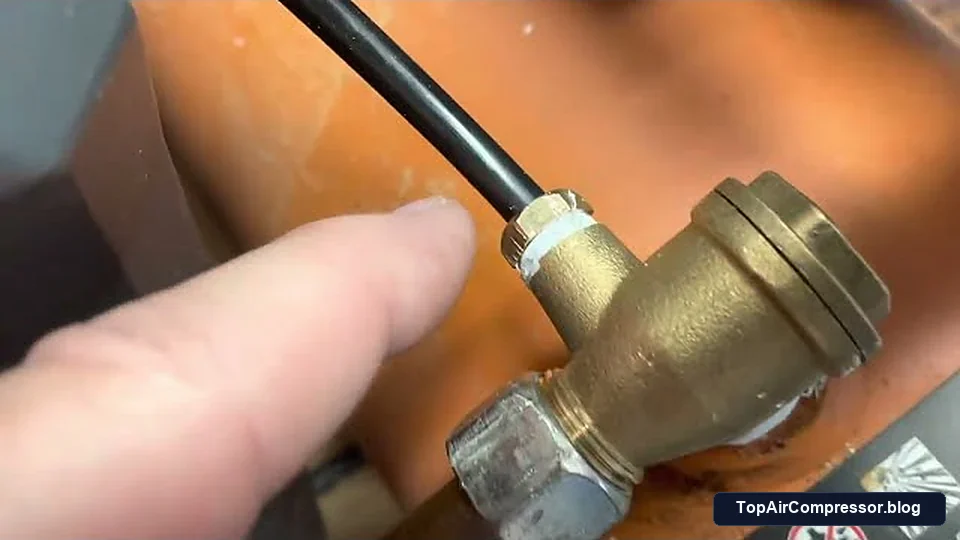
The unloader valve releases trapped head pressure after every shutdown. A malfunctioning valve leaves pressure against the piston, preventing motor rotation.
When the motor cannot spin freely, it stalls instantly. This stall condition creates a locked-rotor current that trips breakers within milliseconds.
A failed unloader valve traps head pressure against the piston. When the motor restarts against this trapped load, it encounters extreme mechanical resistance that spikes startup current draw and instantly trips the breaker.
Inspect the small copper or plastic unloader line connecting to the pressure switch. After clearing blockages, use our cfm tool sizing calculator to verify your system maintains proper operating cycles without excessive pressure drops.
- Listen for hiss during shutdown cycles.
- Check unloader check valve for debris.
- Inspect pressure switch contact points.
- Replace stuck mechanical unloader valves.
Testing Pressure Switch Contact Points
Burned or pitted electrical contacts increase resistance within the switch. This resistance generates localized heat and causes erratic breaker trips.
Disconnect power before opening the pressure switch cover. Clean or replace damaged contact blocks to restore reliable switching operations.
- Isolate electrical power completely first.
- Examine contact points for carbon buildup.
- Verify spring tension and alignment.
Thermal Overload Relays and Motor Windings
Internal thermal protectors shield motor windings from extreme heat damage. Repeated overloads weaken these sensors, causing premature thermal tripping events.
Allow the compressor motor to cool completely before resetting. If the unit trips immediately upon restart, internal winding shorts may exist.
Built-in thermal overloads protect insulation from melting during sustained overloads. Repeated trips degrade these bi-metallic strips, causing premature openings even when winding resistance measurements remain within normal manufacturer tolerance limits during testing.
Use a digital multimeter to test stator windings for short-to-ground faults. Any reading below mega-ohm thresholds indicates compromised insulation varnish, requiring professional motor rewinding or complete replacement to ensure operational safety.
- Locate external thermal reset button.
- Allow thirty minutes cooling time.
- Check motor winding insulation resistance.
- Listen for abnormal humming noises.
Diagnosing Internal Short Circuits
Use a digital multimeter to test motor winding continuity. Ground faults or shorted turns demand professional motor rewinding or complete replacement.
Never bypass thermal overload relays to prevent trips. Bypassing safety devices creates severe fire hazards within workshop environments.
- Test winding resistance with multimeter.
- Check for shorts to motor housing.
- Never bypass internal safety relays.
Video Walkthrough: Cover Removal/Repair, Rigged Capacitor Mount
Ambient Temperature and Mechanical Binding Factors
Extreme ambient workshop temperatures elevate overall operating motor baselines. High heat reduces the threshold required for breaker activation significantly.
Mechanical binding in pumps or drive belts worsens this load. Ensure pulleys rotate freely by turning flywheels manually while disconnected.
Cold ambient environments thicken compressor crankcase oil significantly. This high viscosity increases rotational drag on the crankshaft, forcing the motor to fight severe mechanical binding forces that escalate electrical draw.
Synthetic compressor oils with proper multi-viscosity ratings mitigate cold-weather startup strain. Always verify that flywheels spin freely by hand while unpowered to rule out bearing failure or piston seizing issues before troubleshooting.
- Improve workshop ventilation around units.
- Check drive belt tension and alignment.
- Lubricate compressor pump bearings properly.
- Clear dust buildup from cooling fins.
Checking Pump Lubrication and Pulleys
Low oil levels cause excessive friction within compressor pumps. This added mechanical drag forces the electric motor to draw excessive current.
Maintain correct oil viscosity levels according to manufacturer guidelines. Inspect flywheels for wobbling or loose mounting fasteners regularly.
- Verify oil level in sight glass.
- Change pump oil at recommended intervals.
- Tighten all pulley set screws securely.
Preventive Electrical Maintenance and Safety Protocol
Establish routine maintenance schedules to catch electrical issues early. Inspecting wiring terminals prevents loose connections from causing arc faults.
Always lock out power sources before servicing internal components. Adhering to strict safety protocols protects operators from severe electrical shock.
Routine maintenance prevents unexpected electrical failures in industrial environments. Technicians must disconnect mains power and verify zero energy states using a calibrated voltage tester before servicing internal pressure switches or terminal blocks.
Inspect terminal connections annually for signs of thermal oxidation or looseness. Tightening all electrical lugs to specified torque values eliminates high-resistance connection points that generate localized heat and trigger circuit protection devices.
- Perform monthly electrical terminal checks.
- Test circuit breaker trip mechanisms annually.
- Keep equipment clean and dry daily.
- Follow standard lockout tagout procedures.
Verifying Panel Grounding and Bonding
Proper equipment grounding prevents dangerous voltage on metal frames. A faulty ground path can trigger intermittent breaker faults.
Verify that grounding electrodes and bonding jumpers meet codes. Consult certified electricians to inspect complex workshop power distributions.
- Inspect green grounding wire connections.
- Verify continuity to earth ground.
- Check breaker box bonding screws.
Frequently Asked Questions
Why does my compressor trip the breaker only during cold weather startups?
Thickened compressor oil increases mechanical resistance. Use a lighter viscosity oil or warm the pump to prevent startup stalls.
Can I use a higher amperage breaker to stop nuisance tripping?
Never install oversized breakers on undersized wiring. This practice creates severe fire hazards by ignoring conductor ampacity limits.
What causes the compressor motor to hum without spinning before tripping?
A stuck unloader valve or bad centrifugal switch prevents rotation. This causes a locked-rotor condition that draws maximum electrical current.
How far can I run an extension cord safely for my air compressor?
Avoid extension cords whenever possible for stationary units. If necessary, use a short heavy-gauge cord to minimize voltage drop.
What is the difference between a thermal trip and a magnetic trip?
Thermal trips react to sustained overloads over time. Magnetic trips react instantly to high inrush currents like motor startups.