Can You Run Air Compressor on Extension Cord?
Discover the electrical science behind powering pneumatic tools safely. Avoid motor burnout by calculating exact wire gauges and allowable lengths.

You can run smaller units using heavy-duty 12-gauge cords, but large compressors require direct wall outlets to prevent permanent electrical damage.
Looking for matching picks? See our Best Extension Cord For Air Compressor: Top Picks (2026).
Practical Quick-Reference Table
| Scenario / Metric | Recommended Target | Why It Matters |
|---|---|---|
| 15-Amp Compressor (Up to 50ft) | 12-Gauge Copper Cord | Prevents severe voltage drop during startup surges |
| 15-Amp Compressor (50 to 100ft) | 10-Gauge Copper Cord | Compensates for extreme electrical resistance over distance |
| Heavy 20-Amp Compressor | Direct Wall Outlet Only | Eliminates high risk of motor burnout and melted insulation |
| Cord Coiling Practice | Fully Uncoiled Layout | Prevents dangerous inductive heat buildup inside the jacket |
| Residential 16-Gauge Cord | Never Use for Compressors | Causes immediate thermal overload and destroys motor windings |
| Stationary Belt-Drive Unit | Dedicated Hardwire Circuit | Handles massive initial starting torque without tripping breakers |
Electrical Fundamentals of Portable Compressors
Operating pneumatic equipment requires strict adherence to electrical physics. Air compressor motors draw massive surge currents during startup, which stresses standard household circuits and remote power lines significantly more than running loads do.
Connecting heavy motorized equipment to temporary power lines introduces severe resistance. Before setup, consult our cfm and tank sizing calculator to verify demands. Thin wiring starves motors, causing overheated stator windings and failure.
Modern workshop compressors rely on induction motors designed for specific voltage tolerances. Operating these machines outside specified electrical parameters voids warranties and creates serious fire hazards across standard extension setups.
Understanding how electrical current travels through copper conductors helps prevent costly hardware failures. Always prioritize proper amperage ratings over convenience when positioning your mobile pneumatic station in the shop.
Proper circuit planning safeguards your entire workshop electrical grid from unexpected overloads. Evaluating total system demand ensures reliable tool operation without risking major electrical distribution damage.
- Verify nameplate amperage before selecting any remote power line.
- Never daisy-chain multiple temporary lines together under any circumstances.
- Keep total circuit runs under strict distance limits for safety.
- Inspect outer insulation jackets for cracking or exposed copper strands.
Motor Starting Amperage Realities
Induction motors require up to three times their running current to overcome initial inertia. This starting surge tests the limits of extended wire runs, causing noticeable light flickering and equipment strain.
Managing this massive initial electrical demand prevents circuit breakers from tripping prematurely. Proper circuit preparation ensures your compressor reaches full operating pressure without experiencing detrimental voltage starvation.
- Measure startup draw using a clamp meter.
- Dedicate single circuits exclusively to compressor operation.
Dangers of Voltage Drop and Inadequate Wire Gauges
Voltage drop occurs naturally as electrical current travels down long conductive paths. Excessive resistance causes operating voltage to plummet below safe thresholds, forcing compressor induction motors to draw dangerous excess amperage.
When voltage drops significantly, thermal overload switches should trip to protect internal components. However, repeated low-voltage startups will eventually degrade motor insulation and cause permanent catastrophic failure in the field.
Standard household extension lines are rarely built to handle heavy inductive loads continuously. Utilizing thin residential cords creates a massive bottleneck that starves your machine of essential operating power.
Recognizing the early warning signs of voltage drop protects your capital investment. If your compressor hums loudly without turning over, disconnect power immediately to prevent total motor burnout.
Ignoring minor voltage sips during startup compounds over time into severe mechanical damage. Protect your equipment by maintaining strict standards for every power delivery accessory.
- Feel the extension cord jacket during operation for abnormal heat.
- Listen for unusual humming noises indicating locked rotor conditions.
- Check breaker panels frequently for thermal stress indicators.
- Measure voltage at the plug end under full load.
Thermal Overload Consequences
Excessive heat buildup rapidly breaks down the varnish insulation coating internal motor windings. Once this protective barrier degrades, internal short circuits destroy the entire compressor pump assembly beyond repair.
Monitoring operating temperatures safeguards your pneumatic investment against silent thermal degradation. Always allow hot motors to cool thoroughly before attempting subsequent heavy workshop cycles.
- Check motor housing temperatures by hand cautiously.
- Allow adequate cooling intervals between heavy inflation tasks.
Video Walkthrough: Can You Run Your Air Compressor On Extension Cord
Calculating Safe Amperage and Extension Cord Lengths
Calculating proper wire gauge requires evaluating both machine amperage and total cord length. Thicker wires feature lower American Wire Gauge numbers and safely transmit higher electrical currents over longer distances.
Selecting proper wire involves consulting our best extension cord for air compressor guide before plugging in your equipment. Ignoring proper sizing guarantees a dangerous voltage drop during heavy motor cycles.
Check your compressor data plate to find the exact running and starting amperage ratings. Never guess when sizing power delivery components for heavy inductive loads in your workspace.
Professional technicians utilize standardized sizing charts to match cord capacity with motor demands. Proper planning eliminates guesswork and keeps your pneumatic equipment running at peak operational efficiency.
Math-based cord selection protects sensitive electronic controls and mechanical switches from damaging electrical stress. Always verify wire sizing formulas before plugging heavy machinery into remote outlets.
- Match 15-amp compressors with minimum 12-gauge copper wiring.
- Limit total extension length to fifty feet whenever possible.
- Avoid using 16-gauge or 18-gauge cords for motorized tools.
- Consult National Electrical Code guidelines for commercial shops.
American Wire Gauge Standards
Understanding AWG sizing ensures you select copper conductors capable of handling high loads. Lower gauge numbers indicate thicker wire cross-sections designed for heavy industrial applications.
Never compromise on copper thickness to save money on remote power lines. Investing in heavy-duty conductors prevents costly motor replacements and workshop downtime.
- Verify wire gauge markings printed on cord outer jackets.
- Use pure copper conductors rather than copper-clad aluminum.
Step-by-Step Cord Selection and Inspection Protocol
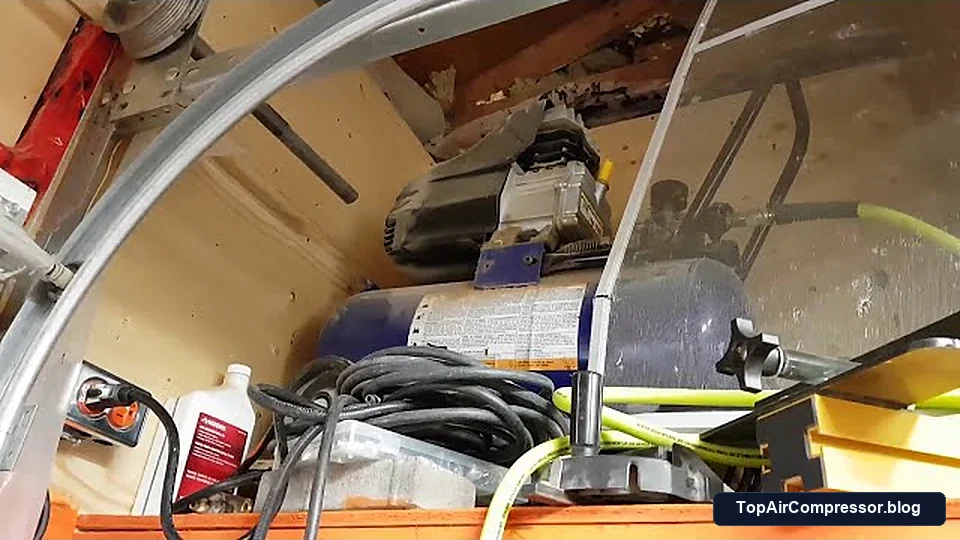
Selecting the correct power cord demands careful visual and technical inspection before every single use. Look for heavy-duty rubber insulation jackets marked for outdoor or heavy workshop operational environments.
Avoid light-duty household cords entirely, as their internal copper strands cannot handle sustained high-amperage draws. Proper hardware selection forms the foundation of a safe pneumatic workflow in any garage.
Uncoil your entire extension line completely before operating the compressor to prevent dangerous inductive heating. Coiled cords act as electromagnets, trapping heat and melting internal wire insulation rapidly.
Secure all connections tightly to prevent arcing and localized overheating at the plug interface. Routine maintenance of your power delivery system ensures reliable pneumatic performance every time.
Discard any extension cord showing cuts, abrasions, or missing ground prongs immediately. Compromised hardware poses severe electrocution risks in damp or busy workshop settings.
- Inspect ground pins to ensure they remain intact and secure.
- Keep plug connections away from damp shop floors.
- Uncoil cords fully to dissipate operating heat effectively.
- Store lines loosely in cool, dry storage areas.
Pre-Operation Safety Checks
Running a quick physical inspection of your power cable prevents unexpected electrical accidents. Examine the entire length for crushed outer jackets or exposed internal strands before starting work.
Taking thirty seconds to verify cord integrity eliminates major safety hazards. Prioritize proactive equipment checks before powering up high-draw pneumatic machinery.
- Run fingers along the cord to feel for internal kinks.
- Ensure plug ends fit snugly into wall receptacles.
Assessing Compressor Motor Types and Starting Loads
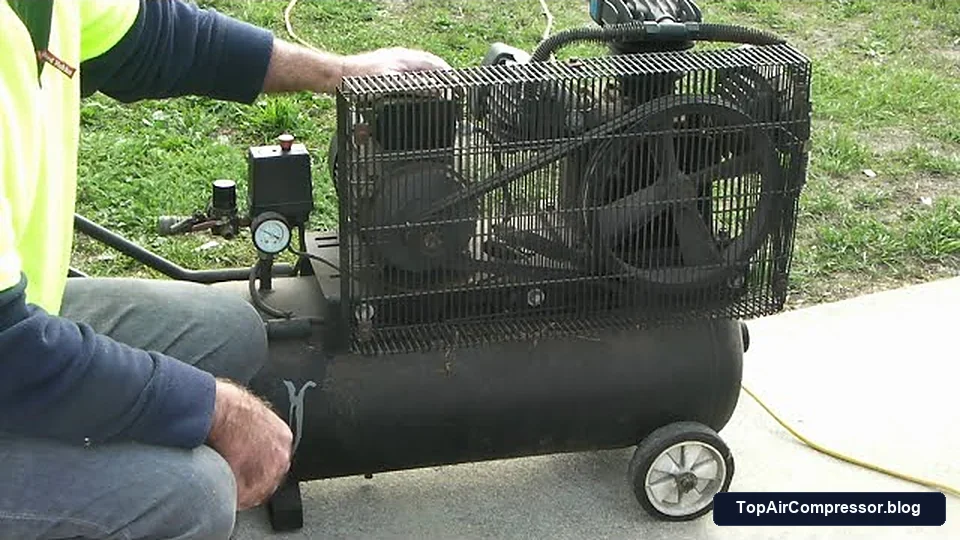
Oil-free pancake compressors and heavy cast-iron belt-drive units feature vastly different electrical profiles. Smaller pancake units might tolerate short heavy cords, while industrial machines demand direct wall connections without exception.
Universal motors found in ultra-portable inflators behave differently than industrial units featured in our best air compressor to run impact wrench guide. Understanding motor architecture dictates whether temporary power lines are technically feasible.
Belt-driven shop compressors pull massive startup loads that instantly overwhelm typical residential circuits. Feeding these large industrial beasts through long extension lines invites frequent breaker trips and hardware destruction.
Always review manufacturer owner manuals for specific electrical disclaimers regarding remote power usage. Exceeding design limits voids warranties and places unnecessary strain on your workshop electrical grid.
Matching motor technology with power delivery methods ensures longevity and safe operation. Respect the electrical limitations of your specific compressor design during every project.
- Identify whether your unit uses an induction or universal motor.
- Note running horsepower ratings on the equipment nameplate.
- Treat all stationary belt-drive units as direct-wire only.
- Assess circuit breaker capacities before starting heavy tasks.
Induction Versus Universal Motors
Induction motors dominate workshop compressors due to their durability and efficiency. However, their high locked-rotor amperage requires robust electrical supply lines during startup phases.
Universal motors spin faster and tolerate voltage fluctuations better, but they wear out quicker. Knowing your motor type guides your decisions regarding remote power usage.
- Check nameplates for motor classification details.
- Understand starting torque demands for your specific pump.
Best Practices for Safe Workshop Pneumatic Operation
Maintaining a safe pneumatic workspace requires proactive safety protocols and disciplined equipment management. Establishing clear operational habits protects both the operator and sensitive electromechanical components from unexpected failures.
Position your compressor close to dedicated wall outlets to minimize the need for lengthy power lines. Short runs eliminate voltage drop and ensure your motor receives clean electrical power.
Routinely check extension line connections for signs of thermal discoloration or melting plastic. Immediate replacement of damaged hardware prevents electrical fires and protects your valuable pneumatic machinery.
Implement a strict shop policy against using damaged or undersized power transmission accessories. Prioritizing electrical safety prevents costly downtime and keeps your entire crew safe during daily maintenance routines.
Keep your workspace organized and free of tangled power lines to prevent tripping hazards. Proper shop layout enhances overall efficiency and reduces accidental equipment damage.
- Test GFCI outlets regularly for proper tripping functionality.
- Turn off compressor tank valves before electrical disconnection.
- Store extension lines off concrete floors to prevent moisture damage.
- Replace frayed power cords immediately without exception.
Routine Circuit Maintenance
Inspect shop breaker panels annually to ensure clean contact points and proper amperage ratings. Faulty breakers fail to trip during overloads, risking catastrophic electrical fires.
Keeping your electrical supply infrastructure well-maintained protects every connected tool. Consult licensed professionals for any complex wiring repairs or upgrades.
- Test circuit breaker trip mechanisms annually.
- Keep panel access clear of stored inventory.
Alternative Solutions When Outlets Are Out of Reach
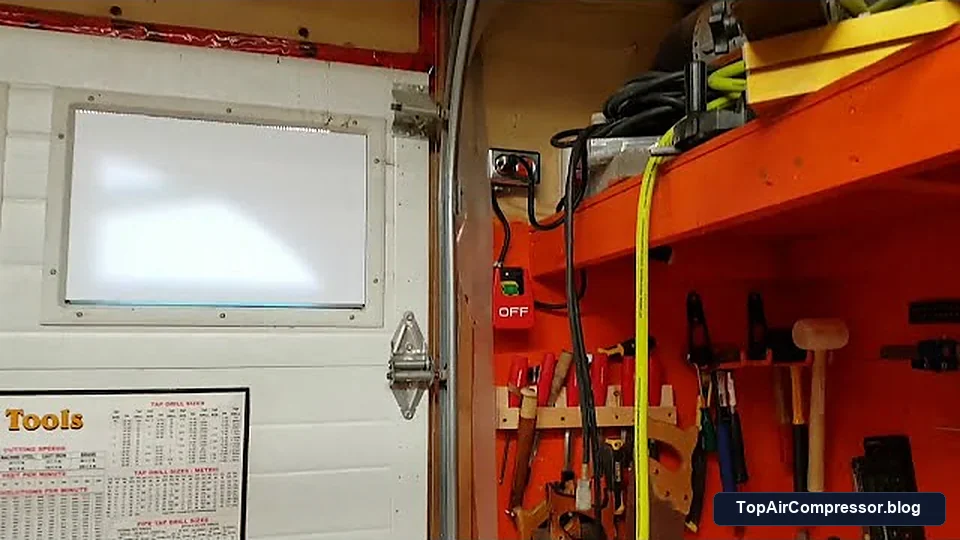
When permanent wall outlets remain out of reach, extension cords are not your only option. Installing a new dedicated subpanel closer to your workspace provides safe, high-amperage power without dangerous voltage drops.
Alternatively, pairing your workshop setup with equipment from the best air compressor to run air tools roundup allows permanent hardline installations. Running rigid pipe across the shop is safer than stretching temporary power across walkways.
Gas-powered portable compressors offer complete independence from grid electrical limitations on remote job sites. Evaluating these alternative power delivery methods ensures your workflow remains uninterrupted and fully compliant with codes.
Consult a licensed electrician if your workshop requires permanent electrical upgrades for heavy machinery. Investing in proper infrastructure protects your tools and enhances overall facility safety standards.
Exploring smart infrastructure alternatives saves money on repeated motor replacements over time. Permanent solutions always outweigh temporary electrical workarounds in professional settings.
- Install dedicated 240V circuits for industrial shop compressors.
- Run lightweight nylon air tubing instead of heavy power lines.
- Position mobile generators outdoors when working off-grid.
- Hire certified electricians for all permanent wiring projects.
Pneumatic Hardline Distribution
Running rigid metal or smooth polymer air lines delivers compressed air across vast workshop distances efficiently. This setup keeps your heavy compressor safely plugged into a wall.
Distributing air via hardlines eliminates the need for long electrical cords entirely. Enjoy reliable pressure delivery at every workstation across your facility.
- Use approved aluminum or copper tubing for permanent lines.
- Install moisture drains at low points in your plumbing.
Frequently Asked Questions
Can I use a standard household extension cord for my small pancake compressor?
Standard household extension cords are completely unsuitable because their thin internal copper strands create massive electrical resistance and severe voltage drops during heavy motor startup surges.
You must always upgrade to a heavy-duty 12-gauge copper cord to ensure your pneumatic compressor receives adequate operating current without ever experiencing premature motor failure over extended periods of time.
What happens if my extension cord is too long for the compressor?
Operating any motorized air compressor on an excessively long power line dramatically increases circuit resistance and starves the unit of vital operating voltage.
This ongoing electrical starvation forces the induction motor to draw extreme excess amperage, which quickly melts internal wire insulation and permanently destroys the expensive compressor pump unit.
Can I daisy-chain two extension cords together to reach my air compressor?
Connecting multiple extension cords together creates multiple weak connection points that exponentially increase electrical resistance and dangerous localized heating hazards throughout the circuit.
You should never daisy-chain temporary power lines together under any circumstances; instead, invest in a single continuous heavy-duty cord that safely reaches your required workspace distance without failure.
Why does my compressor trip the circuit breaker when plugged into an extension cord?
Circuit breakers trip because the combined resistance of the extension cord and the high startup amperage of the compressor overwhelm the available circuit capacity.
When the induction motor struggles to overcome low voltage, it draws massive current spikes that force the building's thermal breaker to trip instantly to prevent electrical fires.
How do I know if my extension cord is getting too hot during use?
You can easily check for thermal overload by carefully touching the outer insulation jacket along the entire length of your running power cord.
If the cord feels noticeably warm or hot to the touch, you are experiencing excessive electrical resistance and must disconnect the heavy-duty compressor immediately to prevent catastrophic wiring failures.