How to Drain Air from Air Compressor
Proper moisture removal prevents catastrophic tank corrosion and pneumatic tool failure. Regular maintenance keeps your compressed air clean and dry.

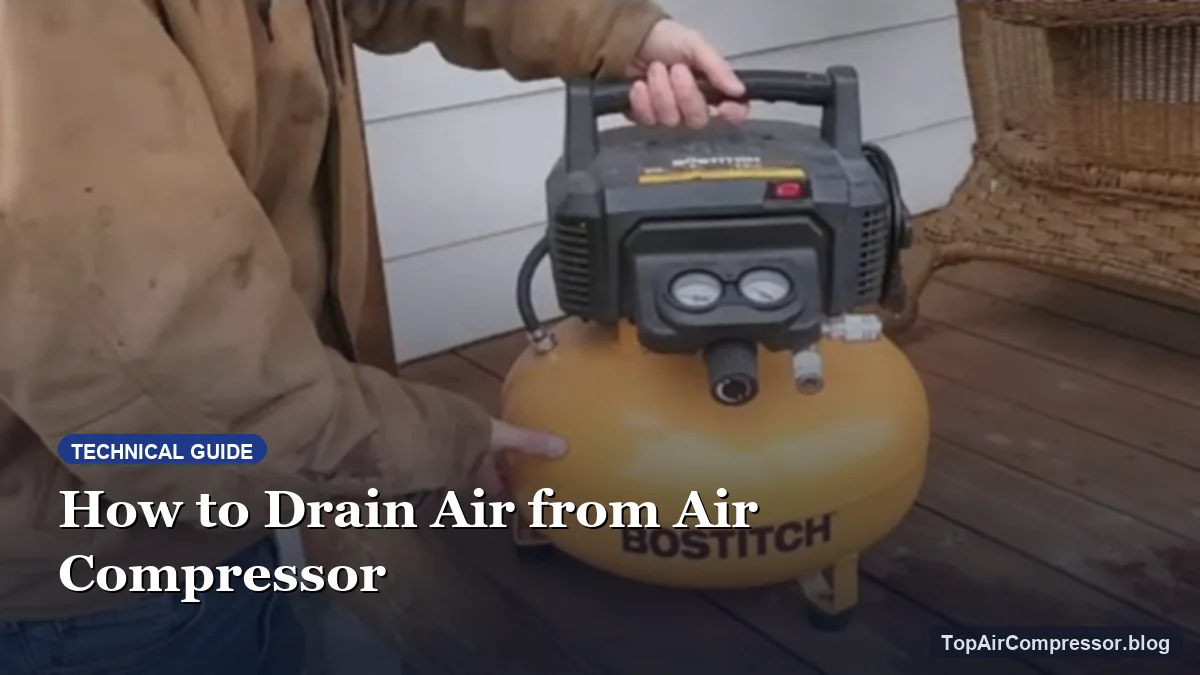
Always reduce tank pressure to 10 to 15 PSI before opening the drain valve. This expels accumulated water safely without blasting debris across your shop.
Ready to compare models? Start with our Best Air Compressor: Top Picks for Garage, Shop, & Tires.
Practical Quick-Reference Table
| Scenario / Metric | Recommended Target | Why It Matters |
|---|---|---|
| Drain Frequency | Daily or Every Use | Prevents severe rust and tool damage. |
| Tank Pressure | 10 to 15 PSI | Ensures safe expulsion without high-velocity hazards. |
| Valve Type | Quarter-Turn Ball Valve | Offers durability and quick manual operation. |
| Environment | High Humidity Regions | Demands automated drainage or twice-daily checks. |
| Safety Gear | ANSI Z87.1 Eyewear | Protects eyes from flying rust and sludge. |
| Max Water Level | Under 10% Tank Volume | Avoids capacity loss and moisture carryover. |
Understanding Atmospheric Moisture Ingress and Condensation
Ambient air naturally contains invisible water vapor that enters your intake filter. When compressors pressurize air, temperature spikes cause this vapor to condense into liquid inside the steel receiver tank.
High relative humidity accelerates this condensation rate significantly during summer operations. Even dry winter air introduces some moisture that accumulates steadily over multiple operating cycles if left unchecked.
Internal tank coatings help mitigate flash rusting, but pooling water eventually overcomes these protective barriers. Understanding this continuous thermodynamic cycle underscores why daily draining remains mandatory for equipment longevity.
When evaluating stationary units such as options featured in our best air compressor from menards overview, verify the receiver construction. Quality vessels feature internal baffles that isolate heavy condensation before it pools.
- Intake air draws ambient humidity directly into the compressor pump.
- Compression heat turns vapor into liquid droplets inside the tank.
- Gravity pools liquid water at the absolute bottom of the receiver.
Thermodynamic Factors Governing Dew Point
The compressed air dew point determines when water drops out of suspension. Maintaining proper operating temperatures keeps moisture vaporized longer before it enters your storage reservoir.
Aftercooler systems drop the air temperature rapidly, forcing condensation out before it reaches the main tank. This engineering approach reduces internal reservoir water loads substantially.
- Higher discharge temperatures keep moisture suspended temporarily.
- Refrigerated dryers eliminate up to 85 percent of incoming vapor.
Technical Consequences of Neglecting Internal Tank Drainage
Allowing water to pool inside your compressed air vessel triggers aggressive internal corrosion. This moisture buildup damages both stationary reservoirs and units chosen from our best portable tire air compressor evaluations over time.
Severe structural degradation creates catastrophic explosion hazards when high pressure exceeds weakened metal thresholds. Insurance inspectors routinely cite unmaintained tanks as critical safety violations in commercial shops.
Water carryover into your downstream air lines damages delicate pneumatic tools instantly. Moisture washes away internal lubrication, causing premature turbine wear, valve sticking, and pneumatic motor seizure.
Paint finishing applications suffer terribly when oil and water emulsions contaminate spray guns. Fish-eyes and surface blistering ruin finished workpieces, forcing costly material stripping and complete repainting.
- Internal rust thins receiver tank walls dangerously over time.
- Moisture carryover destroys pneumatic tool motors and seals.
- Contaminated lines ruin paint finishes and sandblasting operations.
Video Walkthrough: Why Is There Water In My Compressor?
Systematic Protocol for Manual Condensate Evacuation
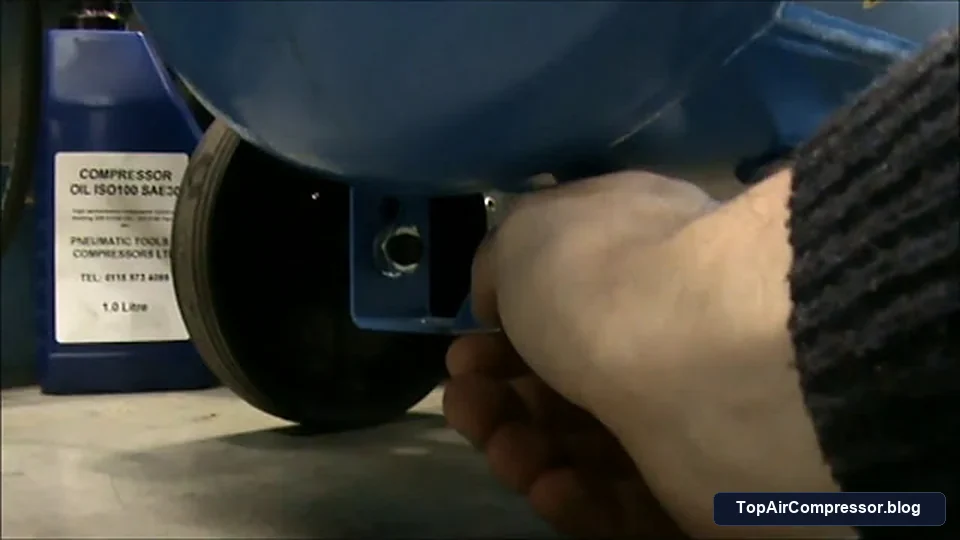
Begin your drainage procedure by powering off the compressor motor completely. Unplug the unit or lock out the electrical disconnect switch to prevent unexpected startup during maintenance.
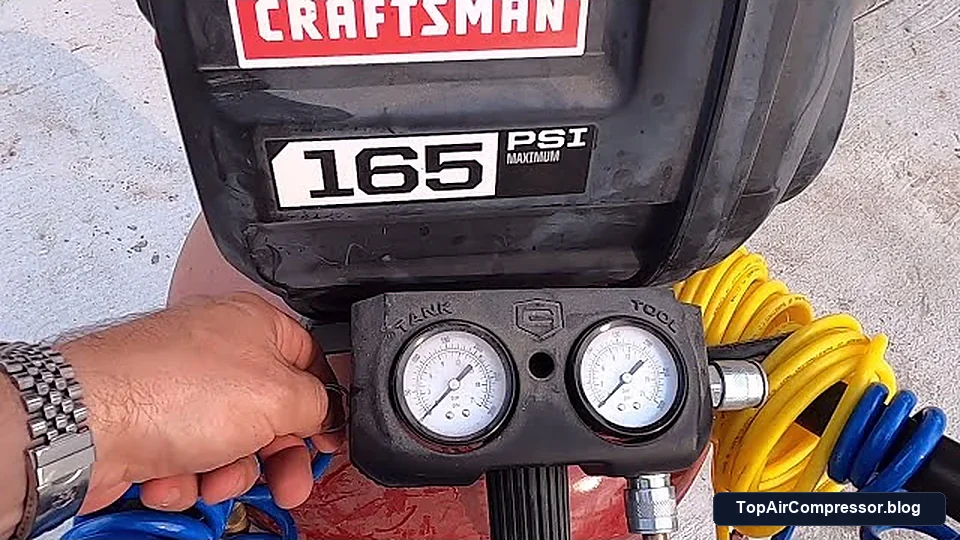
Reduce internal tank pressure down to 15 PSI using the regulator after consulting our cfm tool sizing calculator guidelines. This residual pressure safely propels liquid water out without creating hazards.
Place a wide catchment basin directly beneath the brass drain valve. Slowly open the valve counterclockwise until you hear a steady hiss accompanied by discharging liquid water.
Allow all trapped moisture and particulate sludge to clear entirely from the port. Close the valve firmly by hand, avoiding over-tightening that might strip delicate pipe threads.
- Power down and disconnect electrical supply before opening valves.
- Bleed tank down to 15 PSI for safe water expulsion.
- Open drain valve slowly until liquid stops spitting out.
Engineering Differences Between Manual and Automatic Valves
Manual petcock valves require human intervention for every single drainage cycle. While inexpensive and reliable, they rely entirely on operator discipline to prevent catastrophic moisture accumulation.
Automatic electronic drain valves eliminate human forgetfulness by cycling at pre-set timed intervals. Solenoid actuators open briefly to purge accumulated condensate without requiring any physical labor.
Pneumatic float-operated valves utilize buoyancy principles to open when water levels reach specific thresholds. These mechanical units operate without electrical power, making them ideal for remote outdoor installations.
Selecting the correct valve type depends heavily on your daily operating hours and environment. Heavy industrial facilities benefit immensely from automated systems that protect equipment continuously.
- Manual valves cost less but demand strict operator discipline.
- Timed solenoid valves purge water automatically at set intervals.
- Float valves use mechanical buoyancy without requiring electrical connections.
Essential Personal Protective Gear and Hand Tools
Always wear certified safety glasses whenever opening drainage valves, especially when using models featured in our best portable air compressor for tools roundup. High-velocity air mixed with rust causes injuries.
Heavy-duty work gloves protect your hands from sharp metal edges and cold escaping air. Hearing protection may also be necessary if you bleed higher pressure levels unexpectedly.
Keep a pair of adjustable pliers nearby in case stubborn drain valves seize shut. Avoid using excessive leverage that could fracture brass fittings threaded into the tank.
Position a low-profile drain pan underneath the unit to capture liquid properly. Absorbent pads help contain accidental spills and keep your concrete shop floor clean and safe.
- Wear ANSI-approved safety glasses to protect against flying debris.
- Use protective work gloves against sharp rust and cold metal.
- Keep adjustable wrenches handy for stubborn or tight valves.
Video Walkthrough: Equipment Capability Profile: Air Compressor Maintenance Overview
Environmental Factors Dictating Maintenance Frequency
Local weather patterns directly dictate how often you must drain your air receiver. High humidity regions generate significantly more condensation than arid desert environments during identical run times.
Seasonal temperature swings also alter internal moisture production rates inside storage tanks. Spring and autumn transitions often produce peak condensation as warm air hits cold metal surfaces.
Continuous-duty commercial operations require more frequent drainage than intermittent hobbyist setups. Running a compressor for eight hours straight demands multiple daily purges to control moisture effectively.
Monitoring your filter-regulator-lubricator bowl provides instant feedback on atmospheric conditions. If water fills the downstream bowl quickly, your tank definitely requires immediate manual evacuation.
- High humidity increases internal tank moisture accumulation rates dramatically.
- Seasonal temperature shifts accelerate heavy condensation inside steel vessels.
- Heavy industrial duty cycles demand multiple daily drain routines.
Preventing Common Operational Errors During Drainage
Never attempt to drain a fully pressurized tank at maximum working pressure. Blasting 150 PSI through a tiny drain port creates a dangerous sandblasting effect that destroys valves.
Avoid leaving drain valves partially open during normal compressor operation. This mistake prevents the tank from building adequate pressure and wastes valuable electrical energy continuously.
Do not ignore persistent chemical odors or discolored water during the evacuation process. Unusual smells indicate oil breakdown or bacterial growth that requires thorough tank inspection.
Never tilt portable compressors to force remaining water toward the drain port. Lifting heavy tanks risks severe back injury and structural frame damage from uneven weight distribution.
- Never drain tanks at full working pressure to prevent damage.
- Ensure drain valves close completely before restarting the pump motor.
- Avoid lifting heavy tanks awkwardly to chase leftover water.
Frequently Asked Questions
How often should I drain my air compressor tank?
You should drain your receiver tank at the end of every working day. Daily maintenance prevents heavy moisture accumulation and stops internal rust formation before structural damage occurs.
Can I leave my compressor drain valve open permanently?
Leaving the valve open continuously prevents the tank from building pressure and wastes electrical energy. You should only open it briefly to purge accumulated water and close it tightly afterward.
What happens if water shoots out dark brown or black?
Dark or black discharge indicates heavy internal rust scaling mixed with compressor oil residue. This proves your tank has active corrosion requiring professional inspection or immediate replacement.
Do oil-free compressors still accumulate water in the tank?
Yes, all air compressors generate condensation regardless of whether they require pump oil. Atmospheric humidity condenses inside any storage vessel as compressed air cools down inside the reservoir.
Should the compressor be hot or cold when draining?
Draining while the tank is slightly warm helps push moisture out efficiently via residual pressure. However, always let the motor cool down if you are performing other maintenance tasks.