How to Drain Water from Air Compressor Tank
Ambient moisture condenses inside pressurized vessels daily. Routine draining prevents catastrophic structural failure and tool corrosion.

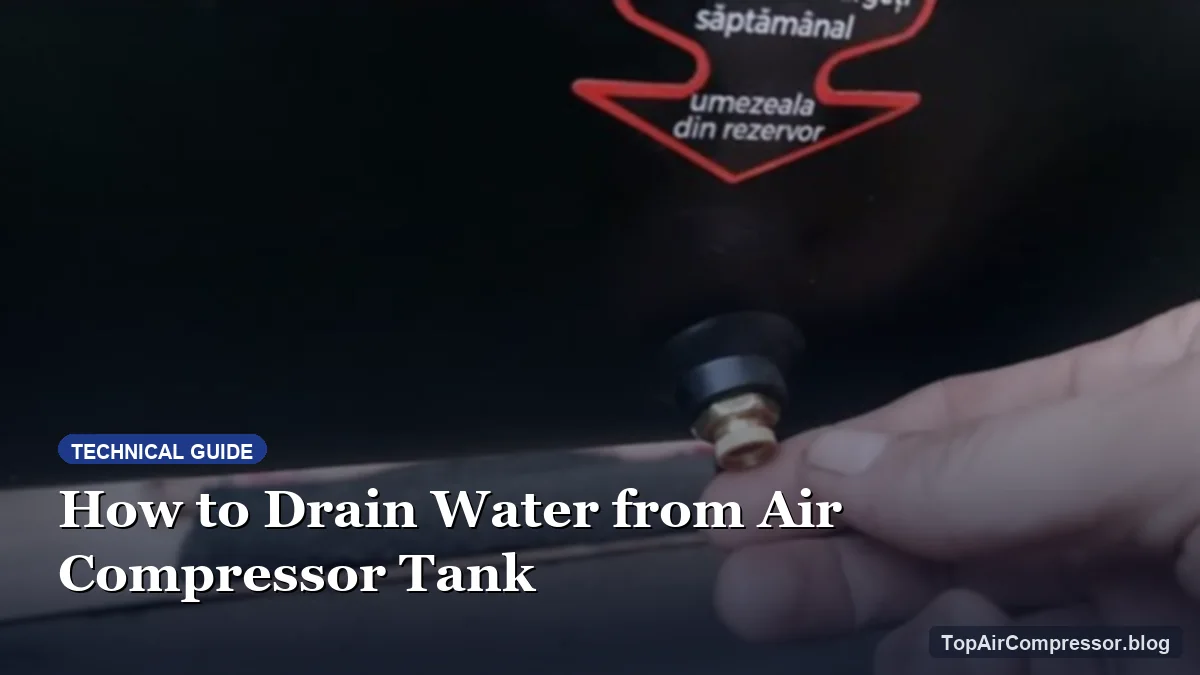
Always depressurize your vessel or maintain under 10 PSI when opening manual drain cocks. Routinely purge moisture after every single day of continuous shop operation.
Looking for matching picks? See our Best Portable Air Tank: Top Picks for Quick Inflatables.
Practical Quick-Reference Table
| Scenario / Metric | Recommended Target | Why It Matters |
|---|---|---|
| Drain Frequency | Daily or After Every Use | Prevents internal rust accumulation |
| Tank Pressure During Drain | 10 PSI to 20 PSI | Provides force to expel trapped water |
| Max Allowable Rust Depth | Under 10 Percent Wall Loss | Ensures safe structural integrity |
| Disposal Standard | Local EPA Regulations | Prevents harmful oil and heavy metal runoff |
| Automatic Timer Interval | Every 45 Minutes of Run Time | Reduces human error in busy shops |
| Hydrostatic Test Schedule | Every 5 to 10 Years | Verifies vessel safety under maximum load |
Root Causes of Moisture Accumulation in Reservoirs
Atmospheric air naturally contains varying levels of invisible water vapor. When your compressor draws in this ambient air, it compresses the gas and concentrates the moisture content significantly.
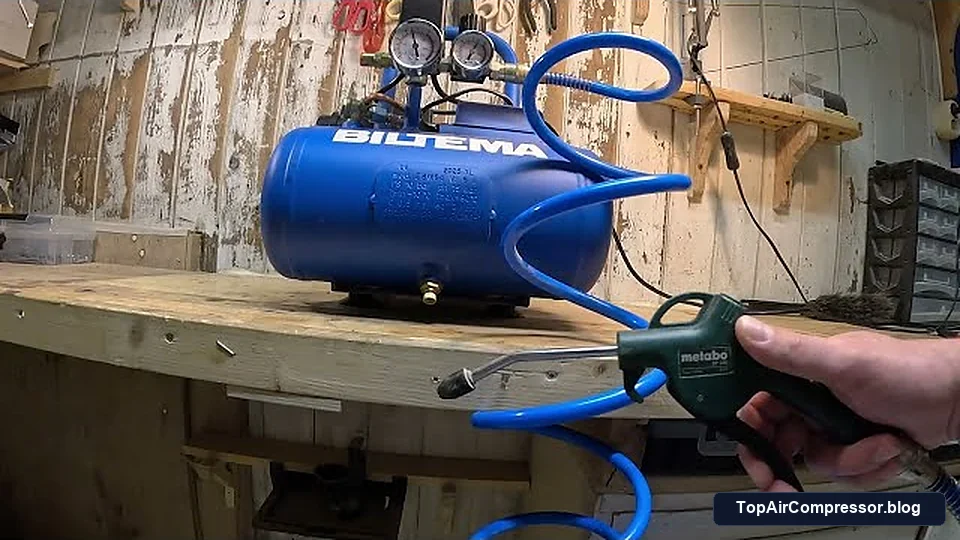
As the compressed air cools inside the steel storage vessel, this water vapor rapidly condenses. The resulting liquid water settles directly at the bottom of the tank due to gravity.
High ambient humidity accelerates condensation dramatically, requiring reliable moisture removal tools. Installing a dependable air compressor water separator protects your tank interior from pooling moisture and internal rust formation.
Recognizing how atmospheric conditions drive moisture generation helps technicians establish realistic maintenance schedules. Ignoring these fundamental thermodynamic principles will inevitably lead to premature tank failure.
- Compressing ambient air concentrates suspended water vapor instantly.
- Cooling inside the receiver forces vapor into liquid condensation.
- High relative humidity significantly increases daily water volume.
- Daily temperature swings cause internal dew point fluctuations.
The Thermodynamics of Compression and Cooling
Boyle and Charles laws dictate that compressing air raises its temperature rapidly. As the hot, wet air enters the cooler storage tank, thermal energy dissipates through the metal walls.
This sudden temperature drop crosses the dew point threshold instantly. Water droplets precipitate out of the airstream and pool at the lowest gravitational point of the vessel.
- Hot compressed air holds significantly more vapor than cold air.
- Rapid cooling forces condensation to accumulate inside the tank bottom.
Structural Hazards and Tool Damage From Neglected Condensation
Leaving standing water inside a steel pressure vessel invites aggressive internal corrosion. Over time, rust eats away at the tank walls, creating severe structural weakness and explosion risks.
Contaminated air escaping the tank carries liquid water and rust flakes directly into downstream lines. Selecting a proper air compressor for water lines helps clear persistent moisture before critical painting operations begin.
Spray painting and abrasive blasting operations suffer immensely from wet compressed air lines. Moisture ruins paint adhesion, causes fisheyes, and clumps abrasive media inside blast pots.
Protecting your capital investment requires treating tank drainage as a non-negotiable daily task. Neglected vessels present severe safety hazards in both professional industrial shops and home garages.
- Internal rust compromises steel wall thickness and pressure ratings.
- Moisture destroys pneumatic tool motors by stripping internal lubrication.
- Water contamination ruins finishing work like painting and coating.
- Neglected tanks pose catastrophic explosion hazards to operators.
Impact on Pneumatic Equipment Longevity
Precision air tools rely on dry, clean air to maintain tight tolerances. Water droplets cause immediate internal scoring and rust formation on rotary vanes and pistons.
Pneumatic actuators and valves also stick or fail prematurely when subjected to untreated condensate. Regular drainage protects your entire downstream infrastructure from costly repairs.
- Water washes away required lubricating oils inside air motors.
- Rust particles jam precision valves and pneumatic cylinders.
Video Walkthrough: How to Drain Water From an Air Compressor
Step-by-Step Procedure for Manual Tank Draining
Begin your draining procedure by safely shutting down the compressor system and checking our cfm tool sizing calculator for storage metrics. Disconnect the main power supply to prevent unexpected motor activation during maintenance.
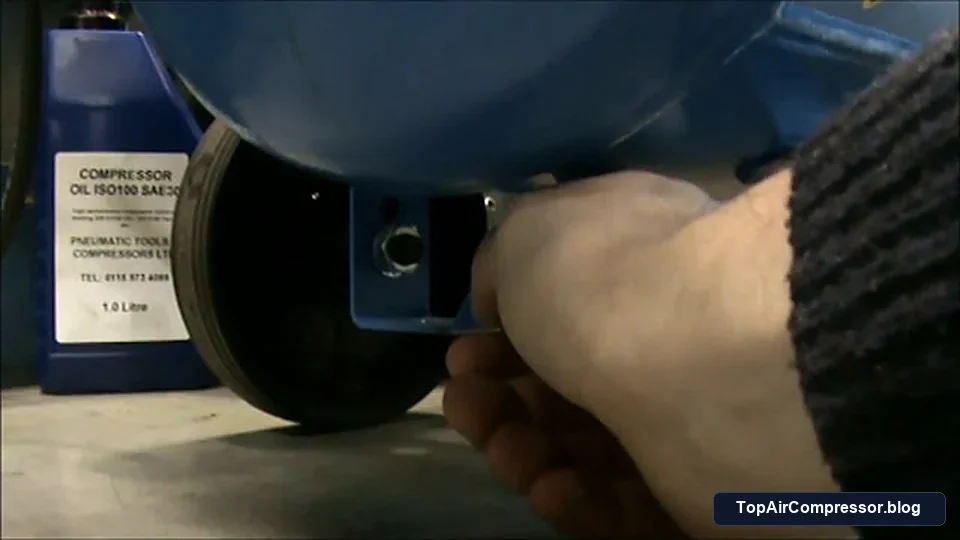
Reduce the internal tank pressure down to a manageable level using the pressure regulator. Maintaining roughly 10 to 20 PSI provides enough force to push water out without creating unsafe hazards.
Locate the manual drain valve positioned at the absolute lowest point of the tank. Slowly open the valve counterclockwise while wearing proper eye protection and hearing protection.
Allow the escaping air and water mixture to expel completely until the stream runs dry. Close the valve firmly by hand, avoiding over-tightening which can strip the brass threads.
- Always disconnect electrical power before servicing the compressor.
- Reduce tank pressure to a safe level before opening valves.
- Wear safety glasses to protect eyes from high-velocity rust spray.
- Close the drain valve securely to prevent air pressure leaks.
Handling Difficult or Stuck Drain Cocks
Older ball valves or petcocks frequently become jammed with mineral deposits and rust. Apply a penetrating lubricant and use proper wrenches to avoid snapping the brass fitting off flush.
If a valve remains permanently obstructed, depressurize the entire system completely. Unscrew the damaged fitting and replace it with a robust quarter-turn ball valve for easier future access.
- Use penetrating oil to free stuck or corroded petcock valves.
- Replace outdated drain valves with durable quarter-turn brass fittings.
Operational Comparison of Manual Versus Automatic Drain Valves
Manual petcocks require diligent daily operator involvement to prevent flooding. While inexpensive and reliable, they are easily forgotten in fast-paced production environments and busy workshops.
Electronic timer drains open automatically at programmed intervals throughout the day. These devices remove human error but require regular inspection of their internal strainer screens to prevent clogging.
Pneumatic float-operated drains utilize rising water levels to trigger discharge mechanically. They consume zero electrical power and expel condensate only when liquid accumulation actually demands it.
Selecting the correct drain type depends on your specific operational workflow and budget. Industrial facilities heavily favor automated systems to protect sensitive air dryers and machinery.
- Manual drains cost very little but rely entirely on human discipline.
- Timer drains offer automated purging but need electrical hookups.
- Float drains operate mechanically without consuming electrical power.
- Automatic solutions eliminate catastrophic tank flooding due to neglect.
Maintenance Requirements for Automated Systems
Automatic drains feature internal solenoid valves and fine mesh strainers. Sludge and rust flakes can accumulate rapidly, causing the drain valve to stick open and bleed air.
Schedule monthly inspections to clean strainer screens and test manual override buttons. Proper upkeep ensures your automated moisture management system operates without unexpected failures.
- Clean internal strainer screens monthly to prevent debris blockages.
- Test manual override functions to verify solenoid valve health.
Safety Analysis of Pressurized Versus Depressurized Purging
Draining a tank under full operating pressure expels water instantly with immense force. However, this high-velocity blast also aerosolizes oil and rust, creating a messy, dangerous spray pattern.
Completely depressurized tanks eliminate the forceful blast of water and debris entirely. Unfortunately, zero pressure means remaining liquid pools may not fully exit out of clogged ports.
Maintaining a residual pressure of 15 PSI strikes the ideal balance. It safely drives out trapped moisture without launching heavy debris or posing severe physical injury risks.
Always direct the discharge stream into a secure container or bucket. This captures messy effluent and prevents slippery puddles from forming on your workshop floor.
- Full pressure purging creates high-velocity spray hazards.
- Depressurized draining may leave standing water in stubborn pockets.
- Low residual pressure provides optimal debris and water expulsion.
- Always direct effluent into a suitable bucket to maintain safety.
Personal Protective Equipment and Environmental Containment
Compressor effluent contains toxic compressor oil, heavy metals, and rust. Wear chemical-resistant gloves and protective eyewear whenever opening tank drain valves.
Collect wastewater in sealed containers rather than pouring oil-laced water down storm drains. Adhere strictly to local environmental guidelines for proper disposal of industrial fluids.
- Wear chemical-resistant gloves to protect skin from toxic condensate.
- Comply with local environmental regulations regarding fluid disposal.
Evaluating Effluent Quality and Managing Oil Contamination
Observing the discharged liquid provides crucial diagnostic feedback on your compressor health. A milky white mixture indicates severe oil and water emulsification inside the pump.
Heavy black sludge points toward excessive carbon buildup and worn piston rings. Spotting these abnormalities early lets you schedule compressor overhauls before catastrophic mechanical breakdowns occur.
Oil-lubricated compressors inherently discharge oily condensate requiring special oil-water separators. Directing untreated oily water into municipal sewer systems violates clean water laws.
Installing reliable oil-water filtration units protects your facility from steep environmental fines. These systems separate free hydrocarbons from water before final discharge into drains.
- Milky effluent reveals oil emulsification from pump blowby.
- Black sludge indicates severe carbon buildup and ring wear.
- Oily condensate requires specialized separation before disposal.
- Comply with environmental laws regarding industrial wastewater management.
Diagnostic Indicators in Discharged Condensate
Normal effluent consists of rust-tinted water with minor oil sheens. Excessive oil content means your compressor piston rings or oil seals require immediate replacement.
Foul odors in the condensate often indicate bacterial growth in humid environments. Adding mild antimicrobial treatments or improving cooling can resolve chronic odor issues.
- Normal output shows mild rust tint with light oil sheen.
- Heavy oil thickness points to failing compressor shaft seals.
Preventive Inspection Protocols and Corrosion Detection
Visual external inspections should occur weekly to check for structural paint bubbling. Rust blooms on the tank surface frequently signal advanced internal wall thinning and corrosion.
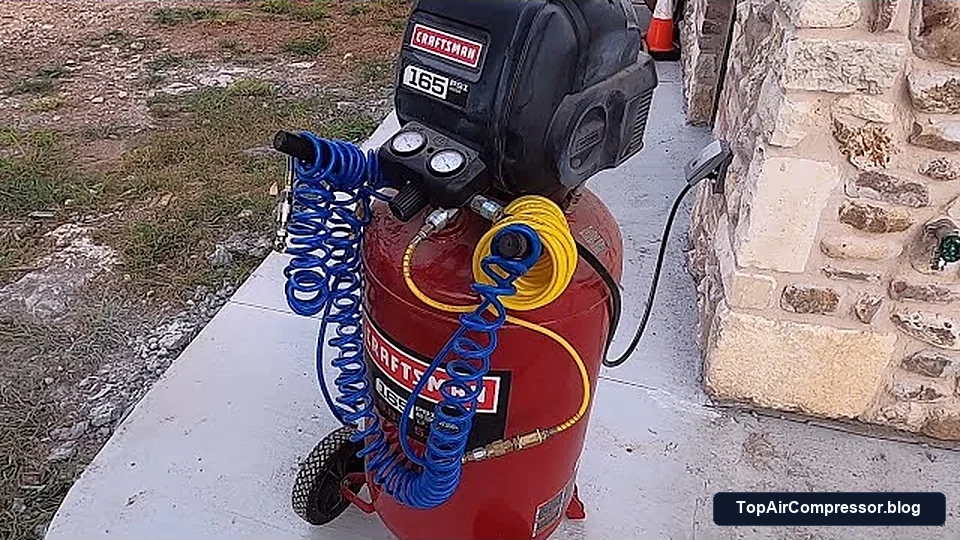
Perform a thorough hammer test by tapping the lower tank shell gently. A dull thud instead of a crisp metallic ring can indicate hidden internal sediment accumulation or structural compromise.
Ultrasonic thickness testing offers precise scientific measurement of remaining steel wall thickness. Certified technicians can verify whether your aging tank remains safe for continued high-pressure service.
Never weld or repair a compromised air receiver tank under any circumstances. Replacing an unsafe pressure vessel is vastly cheaper and safer than risking a fatal tank explosion.
- Inspect exterior surfaces weekly for bubbling paint and rust.
- Use ultrasonic gauges to measure precise steel wall thickness.
- Never attempt welding repairs on damaged pressure vessels.
- Replace aging tanks that fail structural inspection standards.
Establishing Long-Term Tank Replacement Schedules
Steel air compressor tanks feature a finite operational lifespan governed by daily duty cycles. Reviewing our steel vs aluminum tank guide helps you select corrosion-resistant materials when upgrading your aging industrial system.
Keep meticulous maintenance logs tracking drainage habits and inspection results. Proactive vessel replacement protects personnel and maintains uninterrupted shop productivity.
- Plan for tank replacement after a decade of heavy use.
- Maintain detailed logs of all inspections and pressure tests.
Frequently Asked Questions
How often should I drain water from my air compressor tank?
You should drain your tank at least once every day after finishing work. High-humidity environments require twice-daily purging to prevent excessive moisture accumulation and rust.
Is it safe to drain an air compressor tank while it is fully pressurized?
Draining at full pressure creates a violent, high-velocity spray of water and debris. It is much safer to reduce internal tank pressure to around 15 PSI before opening the valve.
What causes milky white water to come out of my compressor drain?
Milky fluid indicates that compressor oil has mixed with condensed water vapor. This emulsification usually points toward worn piston rings or high humidity blowby inside the pump.
Can I weld a crack or rust hole in my air compressor tank?
Never attempt to weld or patch a compromised pressure vessel under any circumstances. DIY welding repairs cannot restore original structural integrity and pose catastrophic explosion hazards.
What are the benefits of installing an automatic tank drain valve?
Automatic drains eliminate human error by purging moisture at scheduled time intervals. This prevents tank flooding, protects downstream air tools, and extends vessel lifespan significantly.