How to Use Air Compressor for Car Detailing?
Harness the power of compressed air to elevate your car detailing workflow. Proper equipment sizing ensures flawless results on delicate automotive surfaces without risking paint damage or moisture contamination.

Always use an inline moisture filter and regulate pressure below 40 PSI for interior surfaces to prevent delicate trim damage and electrical component failure during automotive detailing operations.
Looking for matching picks? See our Best Air Compressor For Car Tools: Top Picks for 2026.
Practical Quick-Reference Table
| Scenario / Metric | Recommended Target | Why It Matters |
|---|---|---|
| Interior Blowout Pressure | 30 to 40 PSI | Protects delicate trim and vents |
| Paint Drying Pressure | 20 to 30 PSI | Prevents clear coat buffing damage |
| CFM Delivery Requirement | 4.0 CFM at 90 PSI | Ensures continuous tool operation |
| Moisture Filtration | Desiccant or Water Trap | Stops water spots on fresh paint |
| Hose Internal Diameter | 3/8 inch minimum | Reduces severe pressure drop issues |
| Tank Capacity Standard | 20 to 30 gallons | Minimizes noisy motor cycling intervals |
Understanding Pneumatic Specifications for Automotive Detailing
Selecting the correct air compressor requires evaluating cubic feet per minute ratings alongside maximum tank pressure. Automotive detailing tools demand steady airflow rather than massive storage capacity for continuous operation.
Rotary screw units dominate industrial settings, but reciprocating piston compressors suit mobile detailers and fixed garages. Look for units providing at least four CFM at 90 PSI for basic blow gun tasks.
Tank size dictates how frequently the motor cycles on during heavy interior blowouts. A twenty-gallon tank minimizes motor cycling, reducing workshop noise and preventing thermal overload during extended detailing sessions.
Voltage requirements dictate your installation path, separating standard household circuits from dedicated heavy-duty lines. Always verify your shop wiring matches the compressor's running amperage before permanent mounting.
- Match CFM ratings to your highest-demand pneumatic detailing tool.
- Prioritize oil-free pumps to eliminate accidental oil mist contamination.
- Verify workshop electrical breaker capacity before running heavy motors.
- Choose vertical tank designs to save valuable floor space in shops.
Evaluating CFM Delivery Requirements
Air tools consume varying volumes of air depending on their design and duty cycle. Use our cfm tool sizing calculator to accurately determine your minimum delivery requirements before buying.
Calculating your actual demand prevents purchasing undersized equipment that struggles to keep up. Sum the requirements of your most demanding pneumatic tools and add a safety margin.
- Check tool manufacturer labels for exact operational consumption data.
- Account for pressure drop over long hose runs in large shops.
Essential Air Delivery Hardware and Tool Selection
Your delivery system links the compressor to your hands via hoses, regulators, and nozzles. Consult our best air compressor for car tires guide when selecting portable gear for emergency road kits.
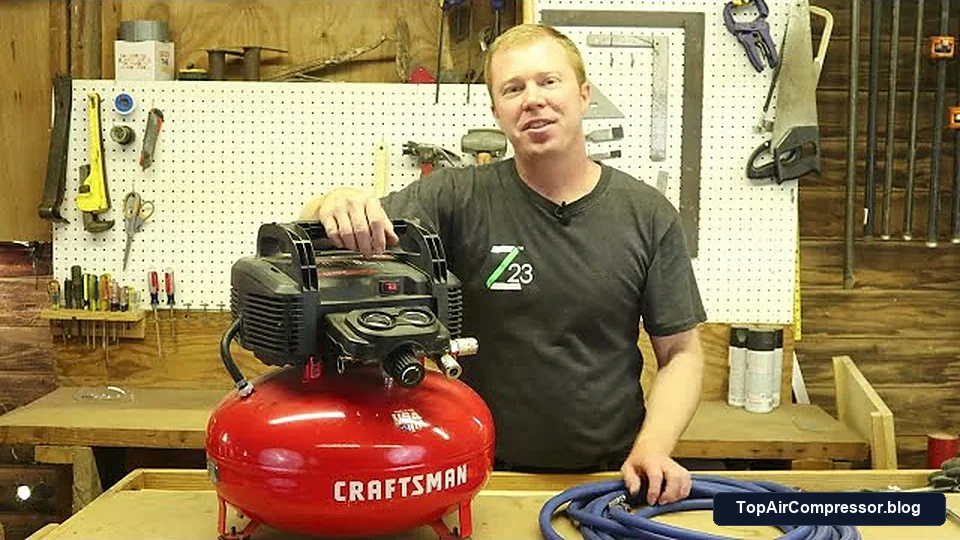
Polyurethane hoses offer excellent abrasion resistance and flexibility in cold weather environments. However, traditional rubber hoses resist kinks better when dragged across rough concrete workshop floors.
Blow gun selection impacts both safety and cleaning efficiency around automotive interiors. Rubber-tipped nozzles prevent accidental scratching of dashboard plastics and painted metal body panels during close work.
Hose management systems keep your workspace tidy and prevent accidental scratches against vehicle clear coats. Overhead reels or wall-mounted hangers protect your lines from grease and sharp wheel edges.
- Select three-eighths inch hoses to maintain adequate airflow volumes.
- Install non-marring rubber tips on all interior-focused blow guns.
- Use quick-disconnect couplers with swivel joints to reduce wrist fatigue.
- Keep dedicated hoses strictly separated for interior and exterior tasks.
Choosing Specialized Interior Cleaning Nozzles
Tornado-style rotational cleaning tools atomize cleaning solutions deep inside automotive carpets. These tools require consistent compressed air to spin internal weighted tubes at high velocities.
Precision needle nozzles allow detailers to direct powerful air streams into tight seat tracks. Always inspect nozzle tips for wear or damage that could expose sharp metal edges.
- Match rotational tool inlet pressure to manufacturer guidelines precisely.
- Inspect nozzle seals regularly to prevent internal air pressure leaks.
Video Walkthrough: The Best Air Compressor For Car Detailing? Why this Could Change Interior Detailing Forever!
Setting Up Your Pressure Regulators and Moisture Traps
Compressed air naturally produces condensation as humidity cools inside the metal tank. Installing an inline moisture trap protects your vehicle interior from water droplets blowing through the nozzle.
Regulators allow you to dial down high tank pressures to safe working levels. Never point unregulated tank pressure directly at vehicle leather seats or delicate plastic dashboard components.
Desiccant dryers provide absolute humidity removal for sensitive painting and coating applications. Simple bowl-style water separators suffice for standard interior vacuuming assistance and quick blowouts.
Check your regulator gauges frequently during long detailing jobs to ensure steady output. Fluctuating pressure levels indicate a failing valve or an undersized compressor struggling for supply.
- Drain tank condensation daily to prevent interior rust and corrosion.
- Position moisture traps several feet away from the compressor tank.
- Set secondary regulators downstream for precise interior pressure control.
- Replace exhausted desiccant beads when color indicators turn pink.
Managing Compressed Air Humidity Levels
High humidity turns your air compressor into a water delivery system if filtration fails. Review our best portable air compressor for car roundup to find units featuring integrated moisture traps.
Ambient temperature swings exacerbate moisture accumulation inside flexible supply lines and metal tanks. Multi-stage filtration systems catch both liquid water and microscopic aerosolized oil droplets.
- Drain receiver tanks completely after every single detailing session.
- Install automated electronic drain valves for maintenance-free operation.
Step-by-Step Interior Dust Evacuation and Crevice Cleaning
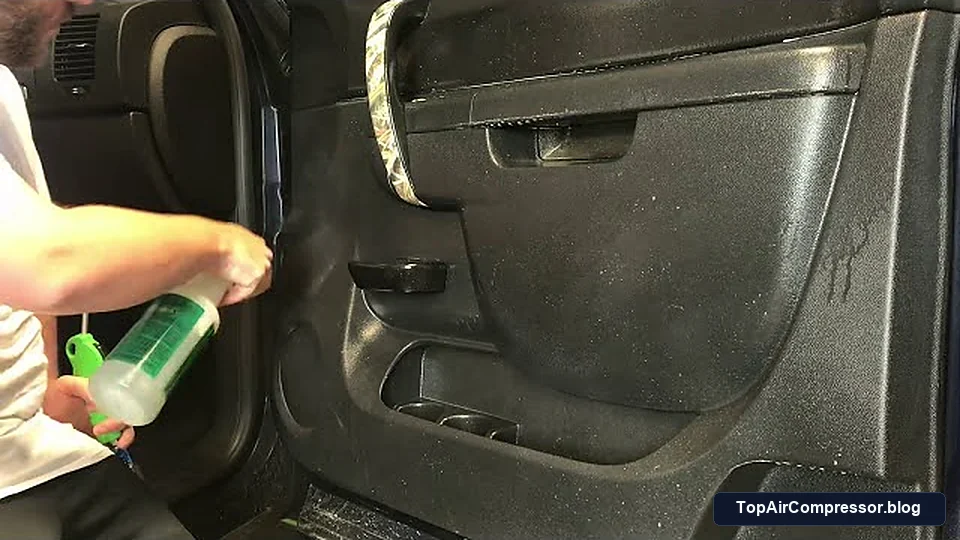
Begin interior detailing by blowing out deep seat crevices before vacuuming loose debris. Agitate stubborn embedded dirt with a stiff brush while simultaneously directing compressed air streams.
Keep your air blow gun moving continuously to avoid concentrating pressure on delicate materials. Lingering too long in one spot can delaminate old headliners or crack dried leather.
Work from the upper cabin areas downward to collect all dislodged dust efficiently. Vacuum floorboards immediately after completing the overhead blowout phase to capture falling debris.
Pay special attention to HVAC vents, window switches, and intricate dashboard button clusters. Use short, controlled bursts of air to dislodge sticky dust without driving particles deeper.
- Wear safety glasses and a dust mask during interior air blowouts.
- Lower vehicle windows slightly to allow displaced dust an escape route.
- Keep air pressure under forty PSI for all fabric and leather surfaces.
- Hold blow guns at a shallow angle to lift embedded dirt effectively.
Clearing Stubborn Seat Tracks and Carpets
Seat tracks accumulate heavy debris that standard vacuum attachments cannot reach easily. Direct a focused air jet horizontally across the track to push trapped particles outward.
Matted carpet fibers respond exceptionally well to simultaneous air agitation and vacuuming. Lift the pile with compressed air so the vacuum nozzle can capture hidden grit.
- Slide adjustable seats fully forward and backward to access tracks.
- Vacuum dislodged particles immediately to prevent them from resettling.
Advanced Exterior Drying Techniques and Water Spot Prevention
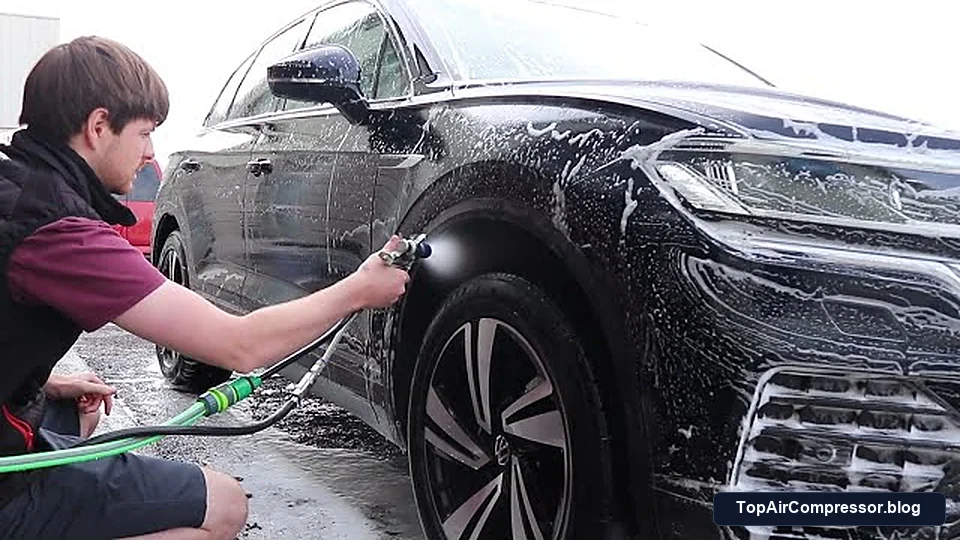
Drying vehicle exteriors with compressed air eliminates traditional microfiber towel swirl marks entirely. High-velocity air streams force trapped water out from behind emblems, mirrors, and trim pieces.
Maintain a safe distance of at least twelve inches between the nozzle and paint. Excessive proximity or concentrated pressure can compromise delicate vinyl wraps or old clear coats.
Work systematically from the roof down to the rocker panels to speed up drying. Pair your air stream with a premium drying towel to catch any remaining stubborn droplets.
Filtered air prevents mineral-laden water spots from baking onto warm body panels outdoors. Ensure your inline filtration is fully functional before touching freshly washed vehicle paint.
- Use dedicated warm-air blowers or filtered compressor lines for drying.
- Cover metal nozzle tips with soft silicone sleeves to prevent scratching.
- Purge side mirror housings thoroughly to prevent post-wash streaking.
- Work in shaded environments to keep vehicle exterior panels cool.
Targeting Hidden Water Traps on Body Panels
Exterior trim gaps, fuel doors, and weatherstripping hold gallons of hidden rinse water. Blast these stubborn areas gently to prevent embarrassing drips during customer vehicle delivery.
Lug nut recesses and wheel spokes require careful air purging after washing brakes. This step stops rusty water from bleeding onto freshly cleaned alloy wheel rims.
- Open all doors and trunk lids to clear perimeter rubber seals.
- Dry wiper cowl areas completely to stop window streaking later.
Video Walkthrough: Ryobi Air Compressor
Preventing Paint Damage and Managing Working Pressures
Unregulated compressed air can easily lift failing clear coat or chip old paint. Always verify your regulator is dialed down before aiming any nozzle at exterior automotive surfaces.
Older vehicle finishes and single-stage paints demand extra caution during pneumatic detailing tasks. Keep your working pressure below thirty PSI when drying or blowing out trim.
Never use damaged metal hose fittings that could scratch expensive custom paint jobs. Inspect your entire hose assembly regularly for exposed metal crimps or cracked rubber sleeves.
Maintain a sweeping motion across the vehicle body to distribute air forces evenly. Pausing in one spot creates excessive localized friction and potential surface thermal damage.
- Test air pressure on glass before directing streams at vehicle paint.
- Keep metal hose quick-disconnects wrapped away from painted panels.
- Inspect vehicle panels for existing paint chips before air drying.
- Use wide-fan air nozzles to distribute pressure safely across large panels.
Identifying Surface Vulnerabilities Before Air Use
Inspect rock chips, peeling clear coat, and aftermarket vinyl stripes prior to blowing. Compressed air can quickly turn minor paint flaws into major peeling disasters.
Plastic trim and fragile emblems become brittle over years of sun exposure. Adjust your technique and distance when working around aging exterior automotive plastics.
- Tape over delicate or cracked paint edges before air drying.
- Avoid direct air blasts on aged vinyl graphics and decals.
Routine Compressor Maintenance and Workshop Safety Protocols
Regular maintenance ensures your air compressor delivers clean, reliable air for detailing tasks. Consult our best air compressor for detailing selections to find oil-free pumps preventing hydrocarbon contamination.
Inspect air filter elements monthly and replace them when clogged with shop dust. Clean intake filters maintain optimal volumetric efficiency and extend overall pump motor lifespan.
Test the safety pressure relief valve manually to verify proper tank overpressure protection. A stuck relief valve poses severe structural explosion risks in busy commercial workshops.
Store air hoses neatly off the floor to prevent tripping hazards and premature wear. Always bleed residual system pressure before disconnecting hoses or changing pneumatic attachments.
- Drain receiver tanks completely after every single detailing shift.
- Check belt tension on stationary belt-drive compressors quarterly.
- Wear ANSI-approved eye protection during all pneumatic operations.
- Keep compressor intake areas free from dust and chemical sprays.
Daily Pre-Operation Inspection Checklist
Perform a quick visual check of oil levels in lubricated pump units daily. Low oil levels cause catastrophic internal bearing failure during extended detailing runs.
Examine air hoses for bulges, cracks, or loose fittings before pressurizing the system. A ruptured hose whips dangerously and can cause severe physical workshop injuries.
- Verify pressure gauge accuracy against a known calibration standard.
- Ensure the tank drain valve closes fully before building pressure.
Frequently Asked Questions
What is the best air pressure for cleaning car interiors?
Keep your regulator set between 30 and 40 PSI for interior cleaning tasks. This range prevents damage to delicate trim while effectively lifting embedded dust.
How do I stop water from coming out of my air compressor?
Install an inline moisture trap and drain your receiver tank daily. Ambient humidity condenses inside the tank, so filtration is essential for dry air.
Can compressed air ruin my car paint during drying?
Yes, excessive pressure or holding the nozzle too close can lift failing clear coat. Maintain a 12-inch distance and keep pressures low on exterior paint.
What CFM rating do I need for detailing tools?
Look for a compressor delivering at least 4.0 CFM at 90 PSI. This ensures your blow guns and detailing tools run continuously without pressure drops.
Should I use an oil-free air compressor for detailing?
Yes, oil-free pumps prevent accidental hydrocarbon contamination on vehicle interiors and paint. They eliminate the risk of oil mist ruining delicate fabrics.