What Can I Use Instead of Compressor Oil
Discover safe emergency alternatives to dedicated compressor oil. Learn which substitutes protect internal pump components without causing catastrophic varnishing or carbon buildup.

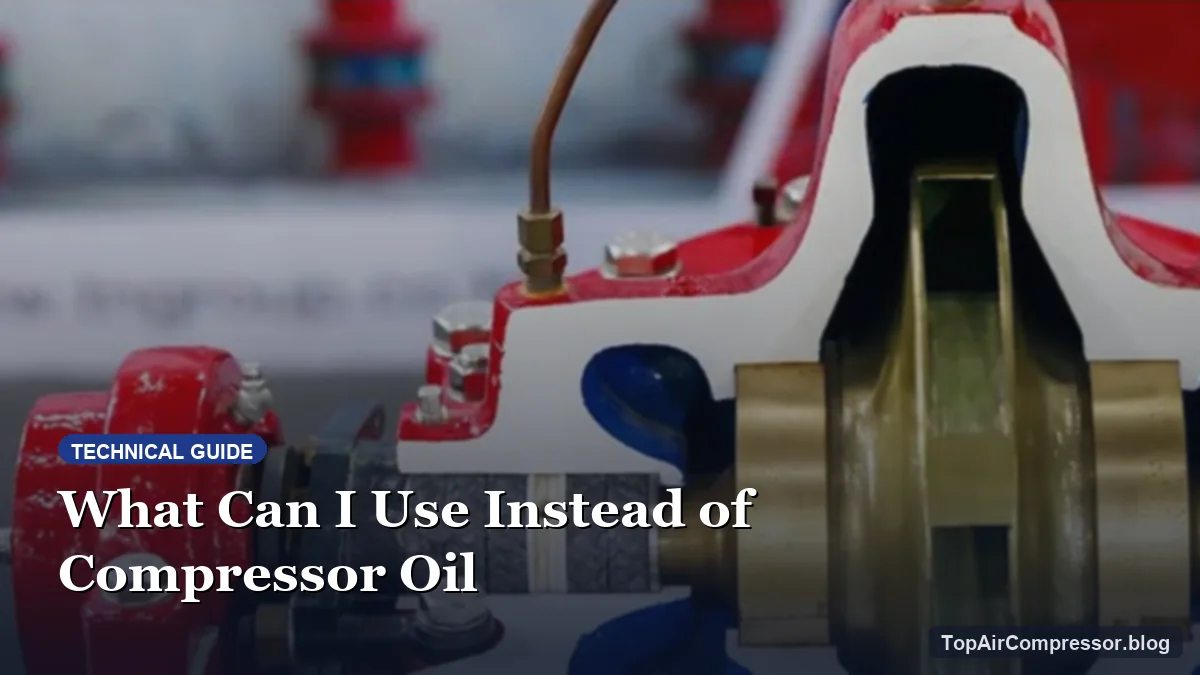
You should only use non-detergent SAE 30 motor oil as a temporary substitute. Never use standard automotive oils containing detergents, as they create dangerous carbon deposits under high operating temperatures.
Looking for matching picks? See our Best Oil Less Air Compressor: Top Picks & Buying Guide.
Practical Quick-Reference Table
| Scenario / Metric | Recommended Target | Why It Matters |
|---|---|---|
| Emergency Lubricant | Non-Detergent SAE 30 | Prevents foaming and carbon buildup. |
| Cold Weather Operation | Non-Detergent SAE 10W | Ensures proper flow at low temperatures. |
| Automotive Oils | Strictly Avoid | Detergents cause dangerous valve foaming. |
| Vegetable Oils | Strictly Avoid | Gums up internal reed valves permanently. |
| Synthetic Alternatives | ISO 100 Compressor Oil | Matches synthetic factory lubricant specs. |
| Viscosity Standard | ISO 68 or 100 | Maintains correct oil film thickness. |
Understanding Why Standard Compressor Lubrication Matters
Air compressors experience extreme internal heat and mechanical stress during standard operation. Using the correct lubricating fluid viscosity prevents metal-on-metal friction and extends overall pump life significantly across demanding industrial cycles.
Unlike internal combustion engines, air compressors operate without combustion byproducts. When picking the best air compressor for home use, ensure specialized lubricants lack detergent additives that foam rapidly inside enclosed crankcase reservoirs.
- Pumps require high flash points to resist thermal breakdown.
- Proper lubrication seals piston rings against cylinder walls tightly.
- Correct fluids prevent moisture accumulation and premature metal corrosion.
- Specialized oils reduce operating temperatures during continuous industrial usage.
The Dangers of Incorrect Fluid Choices
Pouring random household lubricants into a compressor crankcase invites mechanical failure. Unsuitable liquids break down rapidly under heat, releasing toxic vapors or destroying internal rubber seals entirely.
Always verify fluid compatibility before attempting emergency lubrication procedures. Using improper substitutes can void manufacturer warranties and destroy valuable reciprocating compressor pumps within minutes of startup.
- Incorrect fluids create heavy varnish deposits on valves.
- Unapproved liquids accelerate bearing wear and tear.
Evaluating Non-Detergent Motor Oils as Temporary Substitutes
When standard compressor lubricant is unavailable, non-detergent SAE 30 motor oil serves as a temporary alternative. It lacks harsh engine additives, similar to how verifying pneumatic requirements through our cfm and tank sizing calculator prevents mismatches.
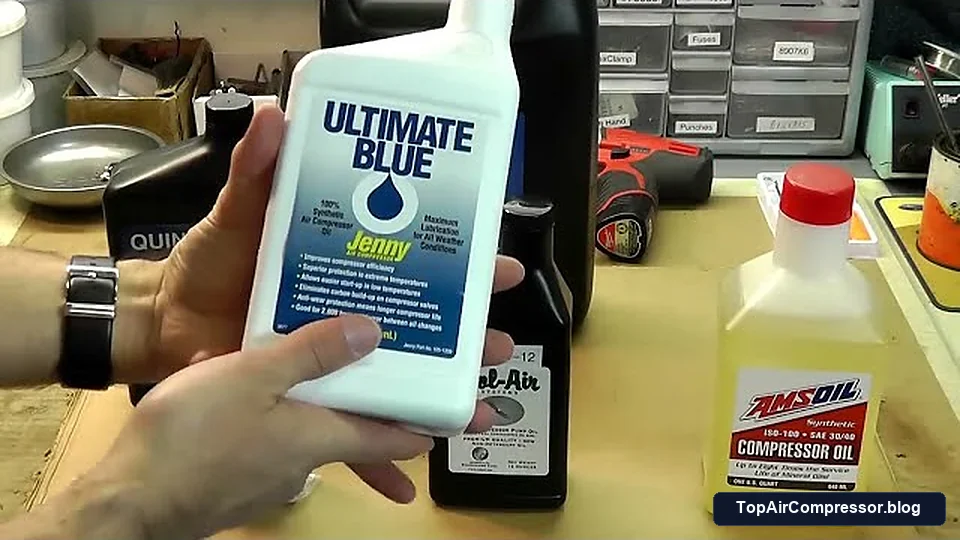
Automotive detergent oils suspend dirt particles, which causes severe foaming in closed compressor systems. Non-detergent variants allow moisture to drop out safely into the crankcase bowl instead of mixing.
- Ensure the container explicitly states non-detergent on the label.
- Match the ambient shop temperature to the correct oil weight.
- Monitor the sight glass closely for unexpected foaming during operation.
- Plan to flush and replace this temporary fluid very soon.
Viscosity Matching for Temporary Automotive Oils
Ambient shop temperature dictates which motor oil weight to select. For standard workshop environments hovering around room temperature, single-weight SAE 30 oil provides adequate protection for short durations.
In colder winter garages where temperatures drop significantly, stepping down to a lighter SAE 10W non-detergent oil ensures immediate lubrication flow during hard motor startups.
- Check local ambient temperature before selecting oil weight.
- Never use multi-viscosity automotive oils in reciprocating pumps.
Video Walkthrough: What’s the Difference between Motor and Compressor Oil?
Examining Synthetic Automotive Oils and Their Limitations
Many technicians wonder if high-end synthetic passenger car oils work inside pneumatic pumps. While synthetics offer superior thermal stability, most contain complex additive packages harmful to compressors.
Additives designed for gasoline engines can react poorly with compressor materials. These chemical interactions frequently lead to varnish formation on high-temperature discharge valves and reed assemblies.
- Synthetic passenger car oils feature active detergent packages.
- Additive friction modifiers can cause clutch or valve slippage.
- Thermal breakdown creates hard carbon deposits on valves.
- Dedicated industrial synthetics remain the superior long-term choice.
When Synthetic Car Oils Might Barely Suffice
If you face an absolute emergency with zero alternatives, pure synthetic oil without heavy friction modifiers can work for a single day. Drain the fluid immediately afterward.
Never run synthetic automotive formulations for extended periods. The high operating temperatures inside air compressors will break down passenger car additive packages prematurely and dangerously.
- Limit emergency runs to less than two hours of use.
- Flush the crankcase thoroughly with proper solvent afterward.
Hydraulic Fluids and Transmission Fluids for Pneumatic Systems
Automatic transmission fluid and hydraulic oil are sometimes considered emergency lubricants. ISO 46 or ISO 68 hydraulic oil shares many baseline viscosity characteristics with standard reciprocating compressor oils.
Transmission fluid contains extreme pressure additives and detergents that foaming agents cannot always control. Use these fluids only as absolute last resorts under low-duty cycle conditions.
- Hydraulic oil lacks the specific anti-wear additives for compressors.
- Automatic transmission fluid creates excessive foam in enclosed sumps.
- Viscosity index ratings may mismatch heavy industrial pump demands.
- Monitor exhaust air for unusual odors or oil mist carryover.
Comparing Hydraulic Oil Grades to Compressor Standards
Hydraulic oils are graded by kinematic viscosity similar to compressor fluids. An ISO 68 hydraulic fluid matches the thickness of standard 30-weight compressor oil remarkably well.
Despite similar viscosities, hydraulic oils lack specific anti-oxidant packages required for heavy-duty applications. Reviewing our best air compressor for continuous use guide reveals why this shortfall causes rapid fluid oxidation under extreme thermal compression cycles.
- Verify the ISO grade matches your compressor manual specs.
- Expect shorter fluid service life when using hydraulic alternatives.
Why Standard Vegetable and Cooking Oils Cause Heavy Damage
Desperation sometimes leads operators to consider vegetable or cooking oils for lubrication. Never put kitchen oils into an air compressor under any circumstances whatsoever.
Vegetable oils polymerize and turn into a sticky resin when exposed to heat and oxygen. This chemical transformation permanently gums up internal reed valves and ruins pump cylinders.
- Kitchen oils lack thermal stability required for mechanical pumps.
- Polymerization creates rock-hard deposits on delicate valve plates.
- Organic oils attract moisture and promote rapid bacterial growth.
- Cleaning polymerized vegetable oil requires complete pump disassembly.
The Science Behind Organic Oil Breakdown
Organic triglycerides break down rapidly at temperatures exceeding two hundred degrees Fahrenheit. Compressor discharge heads routinely surpass this threshold during normal heavy operation.
The resulting thermal breakdown leaves behind thick varnish that locks pistons solid. Avoid all food-grade vegetable oils unless using certified food-safe synthetic lubricants.
- High heat turns organic oils into industrial glue.
- Piston rings seize permanently inside cylinder bores.
Selecting the Correct Viscosity Grade for Your Unit
Choosing the correct viscosity grade protects your equipment against premature wear. When consulting our best oil lubricated air compressor review, note that most reciprocating pumps require mineral-based compressor oil for optimal performance.
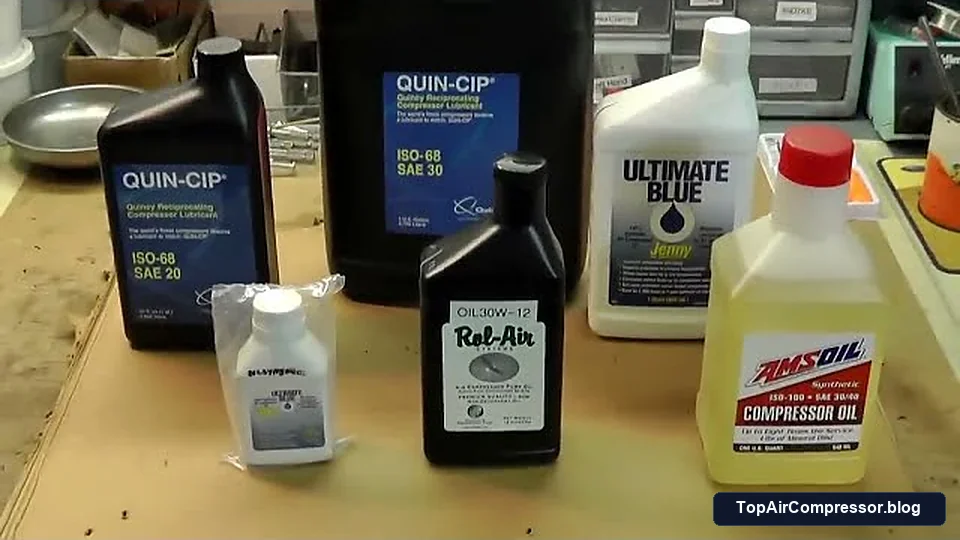
Rotary screw compressors often demand specialized synthetic fluids with different viscosity profiles. Always consult the engraved data plate on your specific pump housing before adding any fluid.
- Check manufacturer manuals for exact ISO viscosity requirements.
- Match oil weight to operating ambient temperature ranges.
- Never mix different oil brands or synthetic and mineral types.
- Drain old oil completely before switching to new viscosity grades.
Decoding ISO Viscosity Ratings for Pneumatics
ISO viscosity grades measure a fluid's resistance to flow at standard temperatures. Higher numbers indicate thicker oils designed for heavy-duty industrial compressors operating in hot environments.
Using an oil that is too thin results in metal contact and scoring. Conversely, excessively thick oil prevents proper startup during cold weather conditions.
- ISO 46 suits cold workshops and smaller portable units.
- ISO 100 handles large stationary industrial reciprocating pumps.
Safe Emergency Procedures When Proper Lubricant Is Unavailable
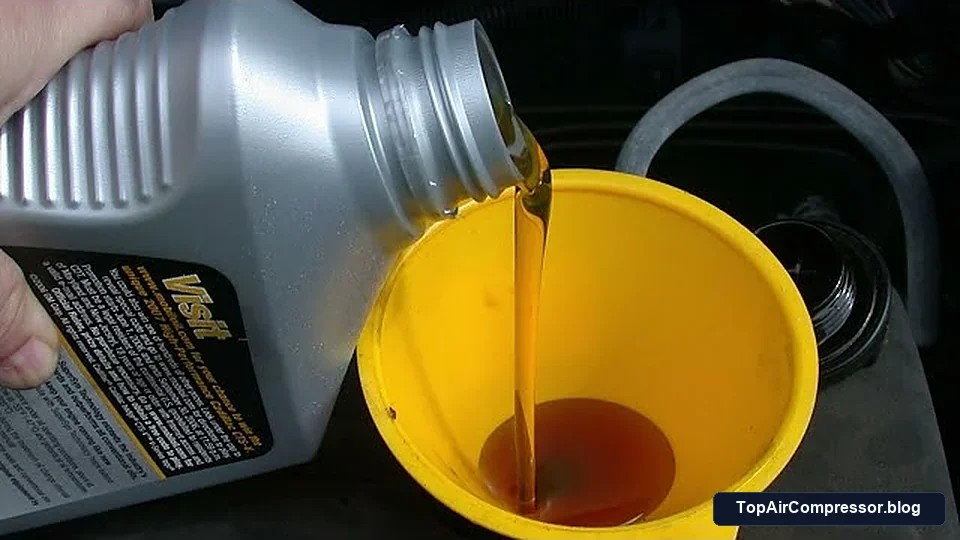
If you must use a substitute lubricant in an emergency, minimize risk by reducing duty cycles. Run the compressor for short intervals and allow adequate cooling time between tasks.
Schedule a complete fluid drain and flush as soon as proper compressor oil arrives. Never leave temporary automotive or hydraulic substitutes in your compressor for long-term daily use.
- Keep run times short to prevent excessive fluid operating temperatures.
- Check the oil sight glass frequently for signs of extreme foaming.
- Order proper ISO-rated compressor oil immediately for replacement.
- Document the temporary fluid type used for future maintenance reference.
Executing a Proper Crankcase Flush After Emergencies
After running on temporary oil, warm up the pump slightly before draining. This ensures suspended particulate matter flows out easily with the used substitute fluid.
Refill the crankcase with flushing oil or cheap non-detergent oil, run briefly, and drain again. This removes residual chemical traces before adding fresh factory-specified compressor oil.
- Drain emergency oil while the crankcase is still warm.
- Fill with fresh recommended oil to restore normal protection.
Frequently Asked Questions
Can I use regular car motor oil in my air compressor?
You should only use non-detergent motor oil in an emergency. Standard automotive oils contain active detergents that create dangerous foam and carbon deposits inside pneumatic pumps.
What happens if I use vegetable oil in my compressor?
Vegetable oil polymerizes rapidly under high operating heat and turns into a sticky resin. This process permanently gums up your compressor valves and seizes the pistons.
Is hydraulic oil a safe substitute for compressor oil?
Hydraulic oil with a matching ISO grade works as a short-term emergency substitute. However, it lacks dedicated anti-wear additives and breaks down faster under continuous compression.
What viscosity oil do most air compressors require?
Most standard reciprocating compressors require ISO 68 mineral oil, which corresponds to a 30-weight non-detergent oil. Always check your specific pump manual for exact specifications.
How often should emergency substitute oil be changed?
You must drain temporary substitute oil after a few hours of operation. Replace it immediately with certified compressor lubricant to prevent long-term internal pump damage.