What Is Air Compressor Duty Cycle?
Master air compressor duty cycles to prevent thermal overload and motor failure. Proper sizing ensures reliable facility operations under heavy loads.

Duty cycle defines the exact percentage of time a compressor can run safely within a ten-minute window. Always choose a higher duty cycle rating for continuous commercial operations.
Looking for matching picks? See our Best Heavy Duty Air Compressor: Top Picks for 2026.
Practical Quick-Reference Table
| Scenario / Metric | Recommended Target | Why It Matters |
|---|---|---|
| Light Duty (Home Workshop) | 50% Maximum Run Time | Prevents fractional horsepower motor burnout during inflation tasks. |
| Medium Duty (Automotive Shop) | 70% Maximum Run Time | Handles intermittent pneumatic tool usage without exceeding thermal thresholds. |
| Heavy Duty (Industrial Plant) | 100% Continuous Rating | Permits uninterrupted shift operations without cooling-off intervals. |
| Thermal Overload Trip | Immediate Shutoff | Protects stator windings from fusing during excessive heat spikes. |
| Receiver Tank Volume | 4 Gallons per CFM | Buffers pressure drops to reduce motor start-stop cycles. |
| VSD Technology | Constant Pressure | Eliminates traditional start-stop limitations through inverter control. |
Defining Compressor Duty Cycle Fundamentals
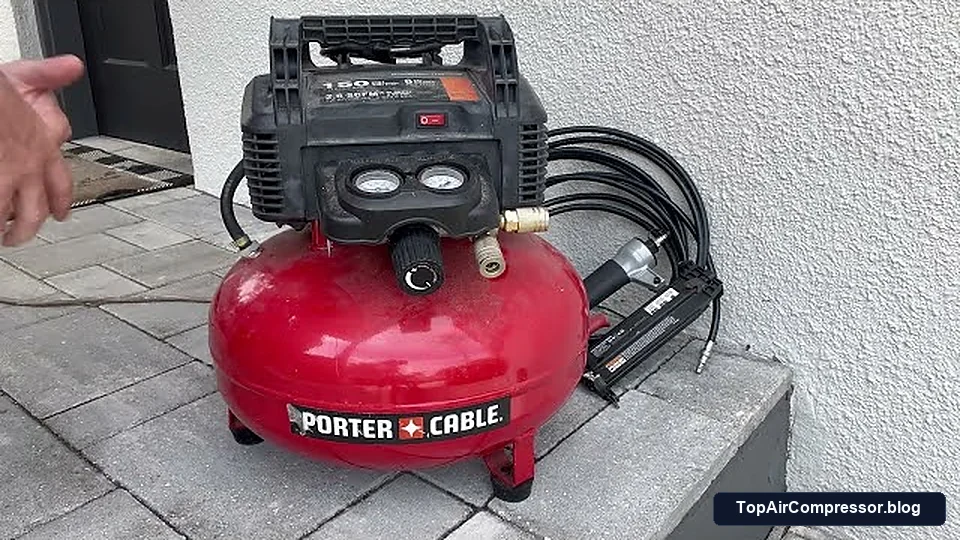
Air compressor duty cycle represents the ratio of operating time to resting time within a standardized testing window. Manufacturers typically calculate this metric over a ten-minute operational period under standard ambient conditions.
A motor rated for a fifty percent duty cycle can run continuously for five minutes before requiring a five-minute cooling period. Exceeding this ratio causes rapid winding degradation and eventual thermal overload trips.
Understanding this specification prevents premature failure in demanding environments. Selecting options from our best heavy duty air compressor guide ensures uninterrupted air delivery.
Ambient temperature and atmospheric humidity directly influence actual operating limits. High surrounding temperatures reduce the motor cooling efficiency, forcing technicians to decrease total run times accordingly.
Air compressor duty cycle represents the percentage of a 10-minute interval that a pump can safely operate before requiring a mandatory cool-down period. A 50% rating means five minutes of continuous work.
Understanding this specification prevents premature thermal breakdown in commercial environments. Standard reciprocating units typically feature lower ratings due to high friction, whereas industrial rotary screw compressors often achieve a 100% continuous operational capability.
When engineers calculate compressed air requirements, they analyze peak flow demands rather than average consumption. Overlooking this crucial engineering metric often results in severe bottlenecking along the main pneumatic distribution header lines.
Manufacturers measure these thresholds using standardized ambient conditions of seventy degrees Fahrenheit. Operating heavy machinery in elevated facility temperatures drastically reduces the effective thermal threshold, demanding strict adherence to safety derating formulas.
- Expressed as a percentage of a ten-minute window
- Directly correlates to internal motor heat generation
- Varies significantly between consumer and industrial models
- Requires adequate ambient ventilation to function properly
Calculating Actual Run and Rest Intervals
Calculating precise run times involves multiplying the stated percentage by the ten-minute testing baseline. A seventy percent rating permits seven minutes of work followed by three minutes of cooling.
Failing to observe these mandatory resting intervals allows heat to accumulate inside the stator windings. Over time, this thermal stress destroys varnish insulation and causes catastrophic electrical short circuits.
- Multiply percentage by ten minutes for run duration
- Dedicate remaining time strictly to motor cooling
- Never bypass thermal protection switches for extra runtime
Thermal Mechanics and Motor Heat Dissipation
Electric motors generate massive amounts of internal heat while compressing atmospheric air against high system pressures. Copper winding resistance increases as temperature rises, compounding efficiency losses during extended run cycles.
Cooling fins and built-in cooling fans dissipate this thermal energy into the surrounding compressor housing. If the motor runs past its rated window, ambient air cannot remove heat fast enough.
Industrial units utilize cast-iron crankcases and heavy-duty aftercoolers to manage severe thermal loads efficiently. These robust materials absorb and radiate heat much faster than aluminum consumer alternatives.
Thermal overload relays monitor internal motor temperatures and cut power before permanent damage occurs. Resetting these switches repeatedly without addressing root causes will destroy the electric motor.
Electric motors generate significant internal heat during the electromechanical energy conversion process. Copper winding resistance increases proportionally with temperature, which eventually degrades standard Class H insulation systems if cooling mechanisms fail.
Cast iron crankcases rely heavily on external fin geometry to radiate thermal energy into the surrounding atmosphere. Adding auxiliary cooling fans across cylinder heads accelerates convective heat transfer, protecting vital piston ring assemblies.
Lubricating oil viscosity drops precipitously when operating temperatures exceed two hundred degrees Fahrenheit. This reduction in film strength accelerates metal-on-metal friction inside the compressor pump, causing rapid bearing failure across heavy loads.
Thermal overload relays monitor current draw continuously to disconnect power before windings melt. Technicians must verify that overload heater sizing matches the exact full-load amperage rating stamped on the motor nameplate.
- Copper resistance rises sharply with elevated operating temperatures
- Built-in cooling fans require unobstructed airflow clearances
- Cast-iron pumps manage thermal expansion better than aluminum
- Overload relays prevent permanent stator insulation breakdown
Role of Ventilation in Thermal Management
Proper room ventilation directly dictates whether a compressor meets its nominal duty cycle rating. Confined mechanical closets trap exhaust heat, elevating ambient temperatures and reducing cooling efficiency drastically.
Facility managers must install dedicated intake louvers and exhaust fans to maintain optimal ambient conditions. Clean intake filters also ensure adequate airflow across external motor cooling fins.
- Keep compressor rooms clear of thermal obstructions
- Maintain minimum clearance distances around equipment housings
- Inspect and clean motor cooling fins regularly
Video Walkthrough: What's an Air Compressor Duty Cycle and Why Does It Matter?
Analyzing the Tank Capacity and Run-Time Ratio
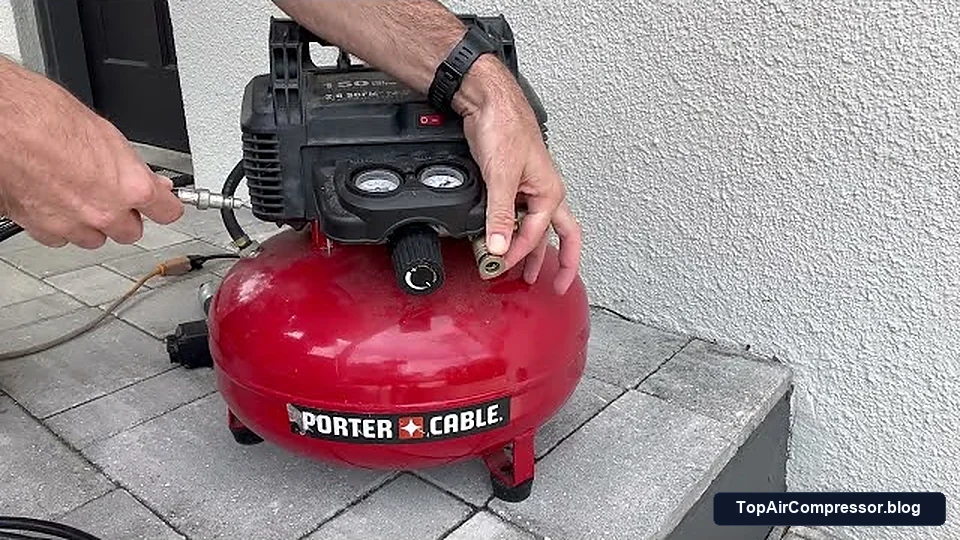
Receiver tank volume plays a critical role in determining how frequently your compressor motor must start. Larger tanks store more compressed air volume, effectively reducing motor run frequency during high-demand tasks.
When consumption exceeds output, pressure drops rapidly and forces the motor to activate. Evaluating choices in our best 12 volt air compressor heavy duty lineup prevents continuous cycling.
Matching tank size to tool air consumption prevents unnecessary motor strain and extends equipment lifespan. Portable units rely on smaller tanks, requiring strict adherence to intermittent duty ratings.
Stationary industrial installations use massive horizontal or vertical receiver tanks to smooth out pressure fluctuations. This steady pressure buffer protects sensitive pneumatic components from destructive pressure spikes.
Storage receiver size directly dictates how frequently a compressor pump cycles on and off under load. Larger ASME-certified tanks provide a volumetric buffer that absorbs pressure drops, extending overall motor longevity.
Undersized storage vessels force the pump to run almost constantly, violating maximum duty cycle limits and generating excessive moisture. Facility managers should calculate proper gallon capacity using standard CFM displacement formulas.
Pressure differentials between cut-in and cut-out thresholds create cyclical stress on internal check valves. Maintaining a standard thirty PSI differential prevents rapid short-cycling while ensuring adequate line pressure stability.
Condensation accumulation inside the receiver reduces effective air storage volume over time. Automated timed drain valves must be calibrated properly to purge liquid water and preserve usable receiver volume.
- Larger tanks buffer high-demand spikes effectively
- Undersized tanks cause excessive motor start-stop cycling
- Match receiver capacity to peak tool CFM requirements
- Drain condensate daily to preserve usable tank volume
Determining Correct Receiver Tank Sizing
Calculating proper tank volume requires evaluating your application maximum cubic feet per minute consumption rate. Multiply peak CFM by a safety factor to determine the ideal receiver capacity for your facility.
Inadequate storage volume forces the compressor pump to run longer than designed specifications allow. This continuous loading accelerates ring wear and overheats the entire compression chamber.
- Evaluate peak CFM demands before purchasing tanks
- Incorporate a safety margin for expanding operations
- Ensure pressure switches are calibrated correctly
Operational Risks of Exceeding Thermal Limits
Pushing an air compressor beyond its designated duty cycle creates severe mechanical hazards. Reviewing models in our best air compressor for heavy duty trucks overview prevents costly internal motor damage.
Lubricating oil viscosity drops dramatically when operating temperatures exceed manufacturer thresholds. Thin oil fails to protect piston rings and cylinder walls from scoring and premature frictional wear.
Valve plates and reed valves warp under extreme thermal stress, leading to diminished pump volumetric efficiency. Damaged valves force the compressor to run longer to reach target shutoff pressures.
Safety relief valves can fail or prematurely pop open when internal pressures combine with excessive heat. Maintaining strict duty cycle compliance eliminates these cascading mechanical failures entirely.
Pushing an oil-lubricated reciprocating pump beyond its rated duty cycle carbonizes synthetic lubricants rapidly. This burnt residue fouls discharge valves, reducing volumetric efficiency and leading to catastrophic compressor failure.
Excessive operating temperatures warp aluminum valve plates and degrade high-pressure PTFE piston seals. Once these critical sealing components warp, compressed air leaks backward, forcing the motor into endless cycles.
Continuous thermal expansion causes head bolts to stretch and loosen over prolonged operational hours. Maintenance technicians must perform scheduled torque checks to prevent dangerous gasket blowouts and costly air leaks.
Electrical supply cables suffer from increased resistance when subjected to continuous high current draws. Voltage drop along long wire runs generates intense localized heat, potentially melting conduit insulation and tripping circuit breakers.
- Melts internal motor winding insulation prematurely
- Lowers oil viscosity, causing severe cylinder scoring
- Warps valve plates and reduces pump efficiency
- Increases the risk of unexpected operational downtime
Recognizing Early Signs of Thermal Distress
Operators must monitor equipment for unusual odors, discoloration, or excessive housing vibration during heavy work sessions. Burning insulation smells indicate that the motor is approaching critical failure thresholds.
Frequent thermal trips point to an overloaded system or inadequate ventilation in the compressor room. Immediate investigation prevents catastrophic breakdowns during critical production schedules.
- Watch for burning electrical odors near the motor
- Check housing temperatures using infrared thermometers
- Investigate frequent thermal overload switch activations
Variable Speed Drive Solutions for Continuous Demand
Variable speed drive technology revolutionizes air compressor operation by eliminating traditional duty cycle constraints. Inverter-driven motors adjust rotational speed dynamically to match exact facility air demand without stopping.
Traditional compressors operate in fixed load or unload modes, generating high electrical surges during startup. VSD units ramp up smoothly, reducing mechanical stress and preventing thermal spikes entirely.
Facilities with fluctuating air consumption benefit immensely from upgrading to variable speed compressor systems. The motor runs continuously at optimal speeds, maximizing energy efficiency across every shift.
While initial acquisition costs are higher, VSD compressors reduce long-term electrical consumption and maintenance overhead. They represent the ultimate solution for operations struggling with strict duty cycle limits.
Variable frequency drives revolutionize air delivery by modulating motor RPM to match exact facility demand. This precise speed control eliminates wasteful unloading periods and guarantees a true 100% duty profile.
Traditional fixed-speed systems consume massive electrical currents during startup, straining facility infrastructure. Inverter-driven units ramp up smoothly, protecting internal components and lowering overall energy consumption figures significantly.
Maintaining consistent system pressure prevents the wild fluctuations typical of traditional pressure switch setups. Stable discharge pressure preserves downstream pneumatic tool performance and reduces wear on actuator seals.
Despite higher initial investment costs, VSD compressors offer rapid payback periods through reduced electrical utility bills. Facility managers must evaluate local utility rebate programs when budgeting for these efficient upgrades.
- Adjusts motor speed dynamically to match system demand
- Eliminates traditional start-stop electrical surge spikes
- Provides true one hundred percent continuous duty operation
- Reduces long-term energy consumption across industrial plants
How Inverter Control Eliminates Cycling Limits
Inverter drives control frequency sent to the electric motor, modulating output flow seamlessly. Because the motor rarely shuts down completely, internal temperatures remain stable throughout shifts, bypassing duty cycle restrictions.
This continuous modulation protects electrical components from repetitive thermal expansion and contraction cycles. Facility managers achieve consistent system pressure without worrying about motor burnout.
- Modulates motor frequency for seamless output control
- Maintains stable internal operating temperatures constantly
- Prevents thermal shock from repetitive motor starts
Systematic Troubleshooting for Rapid Cycling Issues
Rapid cycling occurs when a compressor turns on and off too frequently during normal operation. This abnormal behavior rapidly overheats the motor and violates safe duty limits, threatening equipment longevity.
Begin troubleshooting by checking the entire compressed air distribution network for hidden leaks. Even small pinhole leaks cause pressure to bleed down, triggering unnecessary compressor restarts.
Inspect the pressure switch differential settings to ensure proper cut-in and cut-out thresholds. Narrow differentials cause the motor to cycle constantly with minimal air consumption changes.
Check check valves and unloader valves for internal sticking or carbon buildup. Faulty valves allow compressed air to flow backward into the pump, dropping tank pressure rapidly.
Rapid cycling occurs when a compressor turns on and off too frequently, usually signaling a system defect. Technicians should immediately check for unseen air leaks along threaded pipe joints and quick-disconnect fittings.
Faulty check valves allow stored tank air to bleed backward into the compressor head, dropping pressure rapidly. Replacing a worn brass check valve core restores normal operating cycles instantly.
Pressure switch diaphragm failure creates erratic cut-in behaviors that confuse the motor control circuit. Calibrating the differential screw correctly ensures the unit respects its designed duty parameters.
Undersized air receiver tanks cannot buffer demand spikes, forcing pumps to cycle violently under standard loads. Integrating an auxiliary storage tank smooths out the pneumatic demand and protects internal components.
- Inspect all distribution piping for hidden air leaks
- Verify pressure switch differential and cut-off settings
- Test check valves for backward air leakage issues
- Examine unloader valves for carbon and debris buildup
Step-by-Step Pressure Switch Adjustment Protocol
Disconnect power to the compressor before attempting any electrical switch adjustments or inspections. Remove the pressure switch cover to expose the calibration adjustment springs inside the housing.
Turn the differential nut clockwise to widen the gap between cut-in and cut-out pressures. This simple adjustment reduces motor start frequency and protects internal electrical components.
- Always disconnect main electrical power before servicing
- Locate main pressure differential adjustment springs
- Widen pressure gap to reduce motor start frequency
Selecting Equipment Based on Air Flow Demands
Choosing the correct compressor requires calculating your tools cumulative CFM requirements. Using our CFM and tank sizing calculator ensures you avoid frequent mechanical breakdowns.
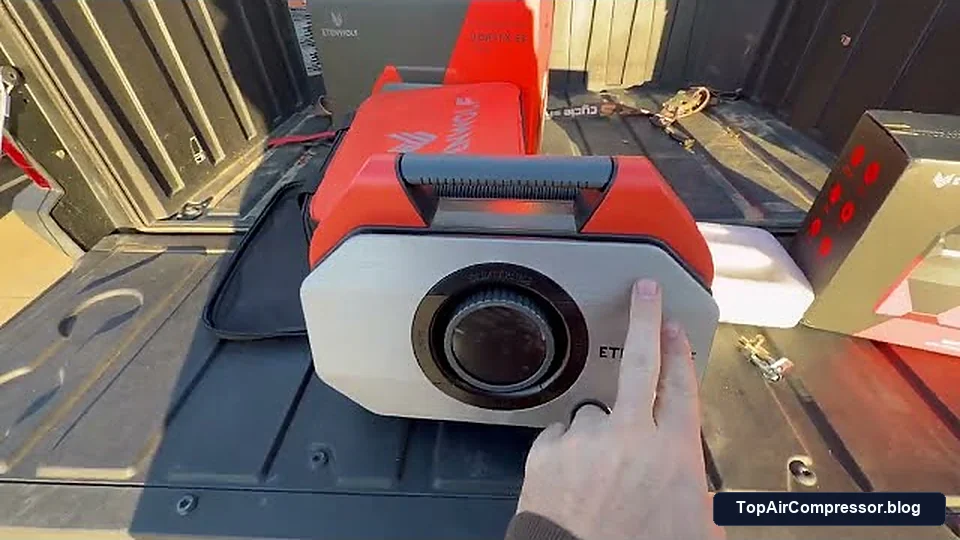
Always sum the air consumption of all pneumatic tools that operate simultaneously. Add a twenty percent safety factor to account for future expansion and line losses across your facility.
Commercial and industrial workshops must invest in units featuring continuous duty ratings. These robust compressors handle heavy workloads without requiring mandatory cool-down intervals during peak hours.
Consult manufacturer technical datasheets to verify pump displacement and motor horsepower specifications. Proper sizing guarantees reliable pneumatic performance and maximizes your equipment capital investment.
Accurate equipment sizing requires totaling the air consumption of every pneumatic tool used simultaneously. Adding a safety factor ensures the selected compressor handles unexpected workload surges without exceeding its duty limit.
Industrial applications requiring round-the-clock air supply necessitate continuous duty rotary screw machines. Choosing reciprocating piston units for heavy production environments invites constant thermal shutdowns and expensive downtime losses.
Ambient operating elevation significantly impacts compressor volumetric output due to thinner atmospheric air density. Technicians must consult manufacturer correction charts to adjust flow ratings for high-altitude installation sites.
Evaluating total cost of ownership involves analyzing energy efficiency, maintenance schedules, and expected equipment lifespan. Selecting the correct duty cycle rating guarantees reliable pneumatic performance and maximizes your capital investment.
- Sum concurrent tool CFM requirements before purchasing
- Include a twenty percent safety margin for line losses
- Specify continuous duty ratings for heavy industrial plants
- Review manufacturer datasheets for accurate pump data
Matching Compressor Types to Application Workloads
Reciprocating piston compressors suit intermittent workshop applications requiring moderate duty cycle ratings. Rotary screw compressors dominate continuous industrial environments, delivering uninterrupted airflow safely under maximum loads.
Evaluating your daily operational profile ensures you select the most cost-effective compressor technology. Avoid deploying light-duty piston units into demanding manufacturing environments where they will overheat.
- Match piston compressors to intermittent workshop tasks
- Deploy rotary screw units for continuous industrial shifts
- Analyze daily operational profiles before equipment selection
Frequently Asked Questions
What happens if I exceed my air compressor duty cycle?
Exceeding the rated duty cycle causes extreme heat buildup inside the motor windings. This thermal overload melts insulation and triggers premature electrical failure throughout the system.
How is air compressor duty cycle calculated?
Duty cycle is calculated as a percentage of run time within a ten-minute window. A fifty percent rating means five minutes of work followed by five minutes of cooling.
Can a larger tank improve my compressor duty cycle?
A larger receiver tank stores more compressed air, which reduces motor start frequency. While it buffers demand, it does not change the inherent pump motor rating.
What is the difference between intermittent and continuous duty?
Intermittent duty requires mandatory cooling-off intervals between short run cycles. Continuous duty compressors can operate twenty-four hours a day without sustaining thermal motor damage.
Why does my compressor keep turning on and off rapidly?
Rapid cycling usually results from distribution system leaks or bad check valves. Fixing air leaks and adjusting pressure switch differentials will stop excessive motor cycling.