What Is an Oilless Air Compressor?
An oilless air compressor operates without liquid lubrication in the compression chamber, delivering clean air for sensitive environments. Understanding these systems ensures proper equipment selection and long-term reliability.

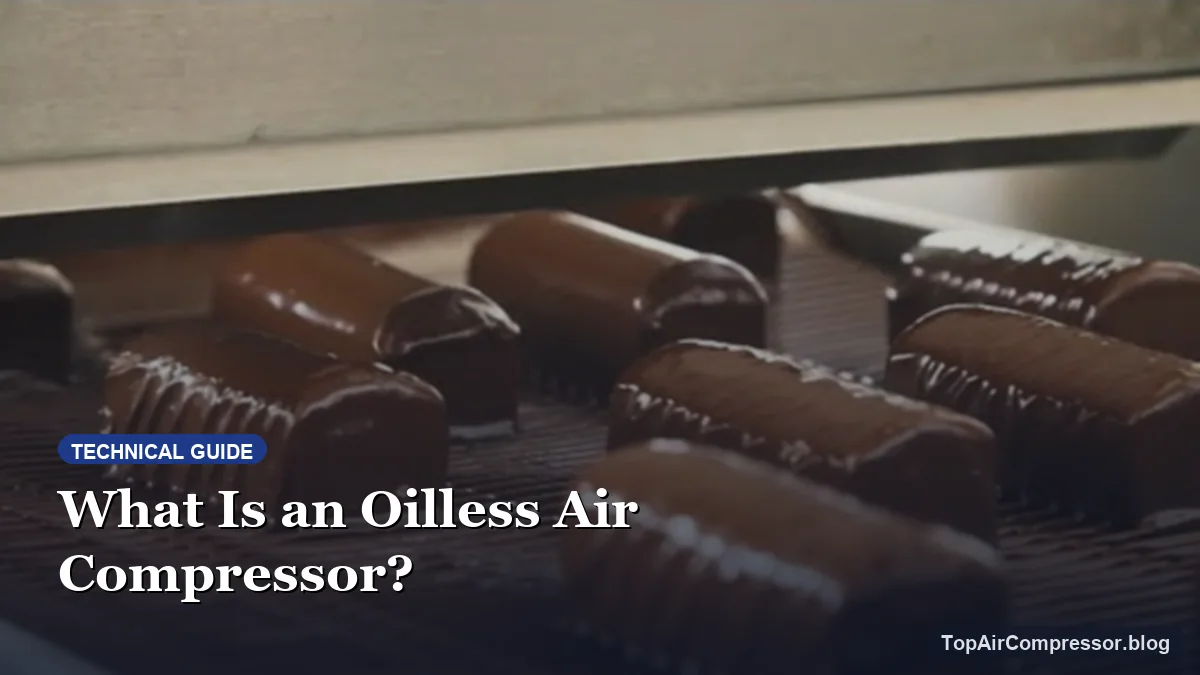
Oil-free compressors use self-lubricating materials like PTFE piston rings to prevent hydrocarbon contamination. Always match your air purity requirements to the appropriate ISO classification standard before installation.
Ready to compare models? Start with our Best Air Compressor: Top Picks for Garage, Shop, & Tires.
Practical Quick-Reference Table
| Scenario / Metric | Recommended Target | Why It Matters |
|---|---|---|
| Medical Office | ISO Class 0 | Eliminates contamination risks |
| Spray Painting | Desiccant Dryer | Prevents paint fisheyes |
| Duty Cycle | 50% to 100% | Manages heat buildup |
| Ambient Temp | 40°F to 100°F | Prevents thermal overload |
| Piston Rings | Teflon Composite | Ensures dry sealing |
| Tank Drain | Daily Manual/Auto | Controls internal corrosion |
Fundamental Mechanics of Oil-Free Air Compression
Traditional reciprocating compressors rely on liquid oil splashing inside the crankcase to seal piston rings and lubricate cylinder walls. In contrast, oilless variants utilize advanced polymer coatings that eliminate liquid lubricants entirely from the chamber.
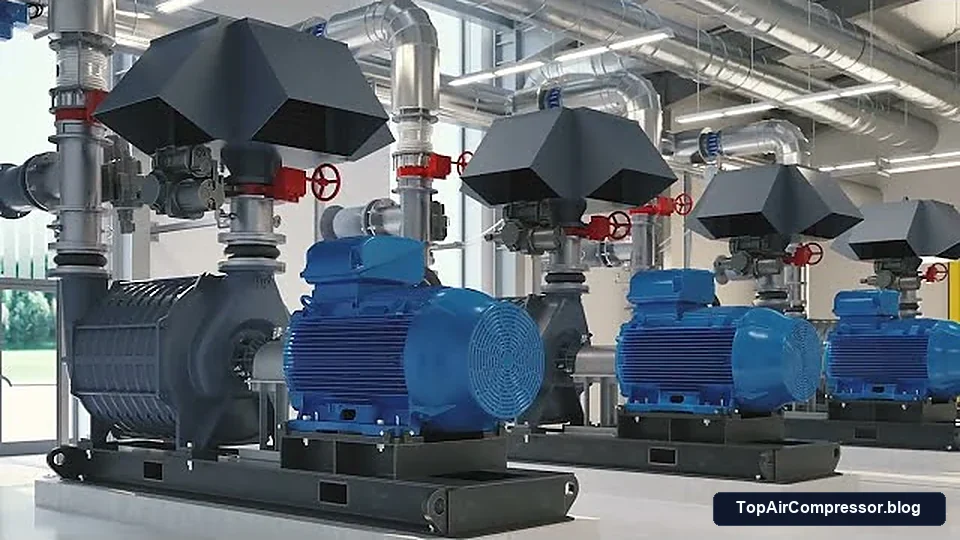
The primary mechanical distinction lies within the compression cylinder where ambient air meets moving parts. Our best portable air compressor for tools review explains how eliminating liquid oil prevents downstream aerosol contamination on jobsites.
Atmospheric air enters through an intake filter before entering the compression chamber for volumetric reduction. The piston compresses this air against the valve plate without any fluid barrier, relying strictly on tight machining tolerances for pressure generation.
Thermal expansion plays a massive role in oil-free engineering because cooling relies solely on external fin design and ambient airflow. Without circulating oil to absorb internal combustion heat, operating temperatures climb significantly faster during continuous runtime cycles.
- Zero liquid oil present in the compression chamber
- Relies on precision-machined piston rings for sealing
- Utilizes ambient airflow and cooling fins for thermal management
- Requires strict adherence to maximum operating duty cycles
Evaluating Volumetric Efficiency
Volumetric efficiency measures how effectively the piston displaces air relative to its physical cylinder displacement volume. Oil-free units experience slight sealing losses as internal components wear down over extended operational hours.
Monitoring pressure drop across intake valves helps technicians identify early signs of ring degradation before catastrophic failure occurs. Regular diagnostic checks maintain consistent cubic feet per minute delivery rates across all connected tools.
- Track actual CFM output against manufacturer specifications
- Inspect intake filter elements every hundred operating hours
Internal Components and Material Science
Material science dictates the operational lifespan of any oil-free compression system due to high friction forces. Manufacturers utilize specialized fluoropolymer coatings like polytetrafluoroethylene to minimize wear inside unlubricated cylinders.
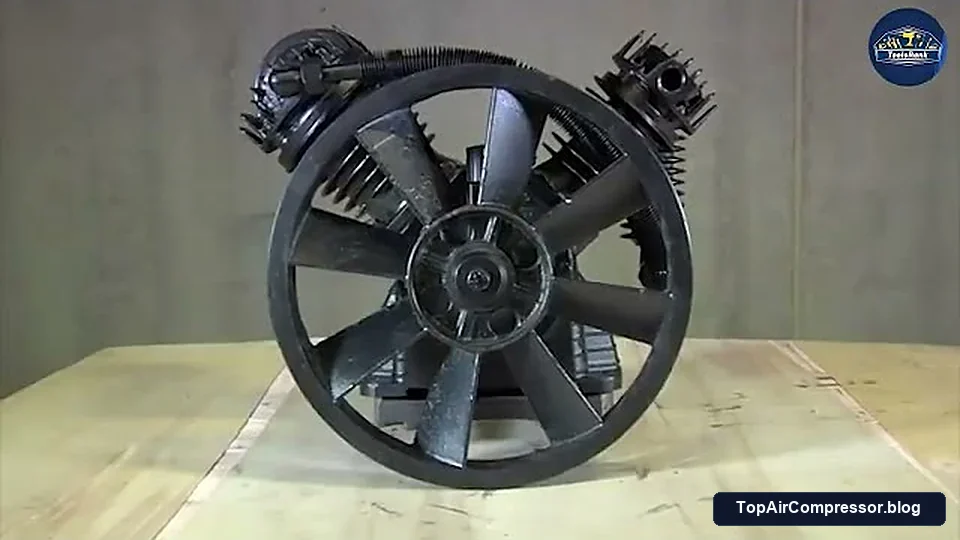
Piston rings in these units consist of graphite-impregnated composites designed to withstand continuous dry friction. These engineered materials sacrifice microscopic particles over time to create a durable, low-friction transfer film on cylinder walls.
Connecting rods and crankshaft bearings remain permanently sealed with synthetic grease, isolated completely from the air path. This dual-chamber design isolates mechanical lubrication from the compressed air stream, ensuring total purity at the discharge port.
Valve plates incorporate stainless steel reed valves that flex rapidly under pressure differentials during intake and exhaust strokes. High-grade stainless alloys prevent thermal fatigue and resist corrosion caused by ambient humidity passing through the pump.
- PTFE piston rings reduce dry friction wear
- Sealed bearings isolate mechanical grease from air
- Stainless steel reeds withstand rapid pressure cycles
- Specialized cylinder coatings enhance thermal transfer
Assessing Cylinder Wall Wear
Cylinder walls in oil-free pumps experience higher thermal stress than oil-lubricated counterparts. Inspecting bore surfaces during scheduled overhauls reveals whether the proprietary transfer film remains intact and properly bonded.
Scoring or deep scratching on the aluminum bore indicates ring failure requiring immediate component replacement. Maintaining clean intake filtration prevents abrasive dust particles from accelerating cylinder wall degradation over time.
- Measure cylinder bore diameter with precision calipers
- Replace worn piston rings before bore scoring occurs
Video Walkthrough: Oil vs Oil-Free Air Compressors | What’s the Difference?
Operational Duty Cycles and Thermal Management
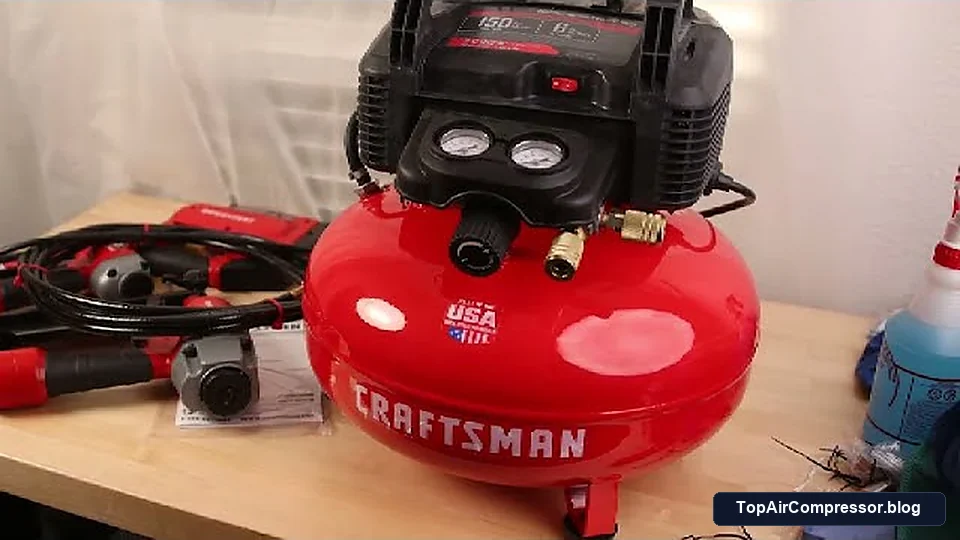
Managing thermal energy is the single most critical engineering challenge when operating oil-free air compressors. Because oil cannot carry heat away from the piston, internal temperatures rise rapidly compared to traditional lubricated models.
Operating an oilless compressor beyond its rated duty cycle risks severe thermal warping. When reviewing our oilless vs oiled air compressor guide, you will notice a standard fifty percent duty cycle for portable units.
Larger industrial oil-free rotary screw or scroll machines incorporate massive aftercoolers and forced-air cooling fans. These auxiliary cooling systems reduce discharge air temperatures and protect internal rotor assemblies from destructive thermal expansion.
Ambient installation environment directly impacts thermal dissipation efficiency within unlubricated compression equipment. Positioning the compressor in a well-ventilated area prevents ambient heat buildup and extends the overall service life of motor windings.
- Never exceed the manufacturer recommended duty cycle rating
- Ensure adequate clearance around cooling fan intakes
- Install auxiliary aftercoolers in high-humidity environments
- Monitor discharge air temperatures during peak summer months
Calculating Thermal Recovery Time
Thermal recovery time represents the duration a compressor must remain idle to cool internal components safely. Allowing proper cool-down periods prevents premature thermal fatigue in aluminum cylinder heads and valve assemblies.
Operators should track run times using hour meters to ensure compliance with strict thermal management guidelines. Ignoring these recovery windows inevitably leads to motor overload trips and costly internal component replacements.
- Allow full cool-down between heavy loading cycles
- Check thermal overload switch functionality regularly
Air Purity Classifications and Contamination Control
The primary driver for selecting oil-free technology is achieving certified air purity for sensitive applications. International standards define specific cleanliness levels, ranging from general workshop use up to critical medical and pharmaceutical standards.
ISO Class Zero certification guarantees absolute zero measurable oil content in the compressed air stream. This stringent classification is mandatory for electronics manufacturing, food processing, and hospital surgical suites where contamination causes product ruin.
While oilless pumps prevent internal oil introduction, ambient air contaminants still enter through the intake filter. Dust, pollen, and moisture drawn from the environment require proper downstream filtration to maintain ultimate delivery purity.
Coalescing filters and desiccant dryers work in tandem with oil-free compressors to remove vapor and particulate matter. This multi-stage purification strategy ensures that delivered air meets exacting purity requirements for specialized industrial processes.
- Verify ISO air quality class ratings before installation
- Use coalescing filters to capture airborne particulate matter
- Deploy desiccant air dryers to eliminate residual moisture
- Inspect intake filtration elements on a monthly basis
Managing Downstream Moisture Control
Removing oil does not eliminate moisture generated by the natural atmospheric compression process. Compressed air holds less water vapor as pressure rises, forcing condensation to collect inside storage tanks and distribution piping.
Installing automated electronic tank drains prevents accumulated water from entering sensitive pneumatic lines. Using our CFM tool sizing calculator helps ensure your air delivery system matches downstream equipment requirements safely.
- Install automatic timed tank drain valves
- Check dew point suppression levels in cold weather
Noise Profiles and Enclosure Engineering
Early oilless compressors earned a notorious reputation for producing excessively loud operating noise during compression strokes. Modern engineering has revolutionized acoustic performance through advanced sound enclosures and optimized pump balancing techniques.
Quiet series compressors utilize dual-piston low-RPM pump heads encased in sound-dampening composite housing structures. These design innovations reduce operating noise levels down to conversational volumes, making indoor garage or workshop use entirely practical.
Vibration isolation feet absorb mechanical oscillations, preventing them from transferring into workshop benches or concrete floors. Minimizing structural vibration reduces overall ambient noise and prevents hardware loosening over prolonged operating periods.
Intake silencers use baffled internal expansion chambers to muffle the sharp pneumatic pulses generated during suction. Acoustic engineering advancements ensure technicians can communicate clearly without wearing hearing protection in enclosed work spaces.
- Choose low-RPM pumps for significantly reduced decibel output
- Install rubber vibration isolation pads under tank legs
- Inspect acoustic enclosure panels for secure latching
- Clean intake silencer baffling during routine maintenance
Mitigating Resonance in Workshops
Workshop acoustics can amplify compressor noise through reflection off hard concrete and drywall surfaces. Placing rubber acoustic mats beneath the compressor unit absorbs stray resonance frequencies and improves overall shop comfort.
Ensure that sound enclosures maintain adequate airflow clearance to prevent restricted ventilation and overheating. Compromising cooling airflow for silence will quickly destroy the electric motor windings during extended heavy usage tasks.
- Place dense rubber mats beneath compressor units
- Verify enclosure ventilation pathways remain unobstructed
Video Walkthrough: Auarita oil free air compressor English version
Maintenance Schedules and Component Longevity
Although oil-free compressors eliminate oil changes and reservoir monitoring, they still require diligent routine maintenance. Neglecting basic upkeep items drastically shortens the operational lifespan of critical internal sealing and valving components.
Air filter replacement is the most frequent maintenance task required for unlubricated compression systems. Clogged intake filters starve the pump of air, forcing internal components to work harder and generate excessive destructive thermal energy.
Daily tank draining remains mandatory to expel condensation and prevent internal corrosion of steel pressure vessels. Water accumulation inside the tank compromises structural integrity and introduces unwanted moisture into downstream pneumatic lines.
Technicians should inspect electrical cords, pressure switches, and safety relief valves during monthly equipment audits. Ensuring proper pressure switch cut-in and cut-out settings prevents over-pressurization and protects the motor from electrical damage.
- Replace paper intake filter elements every three months
- Drain receiver tanks daily to prevent internal rust
- Test pressure relief valve functionality manually each month
- Inspect motor brushes and electrical connections annually
Troubleshooting Pressure Switch Malfunctions
Pressure switches control motor activation based on tank pressure thresholds using internal spring mechanisms. Over time, these springs fatigue or contacts pit, causing the motor to fail to start or run continuously.
Cleaning electrical contacts and adjusting cut-out pressure settings restores normal automatic cycling behavior to the unit. Always disconnect main electrical power before attempting any diagnostic or repair work on pressure switches.
- Disconnect electrical power before servicing pressure switches
- Inspect internal spring contacts for pitting or wear
Application Scenarios for Clean Air Delivery
Selecting an oil-free compressor makes technical sense for specialized trade applications. Checking recommendations inside our best portable tire air compressor guide reveals how clean air prevents ruining finished automotive surfaces.
Automotive detailing shops utilize oilless units to blow out moisture and dust from vehicle interiors safely. The complete absence of hydrocarbon aerosols ensures that leather upholstery and glass surfaces remain pristine and streak-free.
Medical, dental, and laboratory environments demand absolute contamination control to protect patient health and sensitive assays. Oil-free scroll and rotary compressors provide the continuous clean air required for medical instrument sterilization and operation.
Portable construction tasks benefit greatly from lightweight oil-free compressors that require zero orientation care. Technicians can transport these units in service trucks without worrying about spilling liquid oil during transit across rough terrain.
- Ideal for finish carpentry and delicate trim nailing
- Prevents oil staining on automotive detailing projects
- Mandatory for dental and medical pneumatic equipment
- Eliminates fluid spill risks during mobile transport
Sizing CFM for Multi-Tool Operations
Calculating total air consumption prevents purchasing an undersized compressor that runs continuously without recovering pressure. Add up the individual CFM requirements of all simultaneously operated pneumatic tools and add twenty percent overhead.
Exceeding pump capacity forces the motor into continuous operation, overheating unlubricated components and triggering thermal shutdowns. Proper sizing ensures the compressor rests between cycles, maintaining optimal operating temperatures and longevity.
- Sum individual tool CFM requirements accurately
- Add twenty percent safety margin for continuous use
Frequently Asked Questions
Do oil-free air compressors last as long as lubricated models?
Traditional oil-lubricated pumps generally offer a longer operational lifespan in heavy industrial applications due to superior friction reduction. However, modern oil-free units achieve exceptional longevity when operators respect strict duty cycle limits and maintain intake filters.
Can I use an oilless air compressor for spray painting?
Yes, oilless compressors are excellent for spray painting because they prevent oil droplets from ruining painted surfaces. You must still install a refrigerated air dryer and inline moisture filters to eliminate atmospheric condensation.
Why do oilless air compressors tend to be louder than standard units?
Older oil-free designs operated at much higher motor revolutions to compensate for lower volumetric efficiency. Today's quiet series models utilize advanced acoustic enclosures and low-RPM pumps to drastically reduce operating noise levels.
What maintenance is required for an oil-free air compressor?
Maintenance is straightforward and focuses primarily on daily tank draining to prevent internal rust and corrosion. You also need to inspect and replace intake air filters every few months to ensure proper airflow and cooling.
What does ISO Class 0 certification mean for compressed air?
ISO Class Zero is the highest international purity standard, guaranteeing absolute zero measurable oil content in the air stream. This certification is mandatory for medical, pharmaceutical, and food processing environments where contamination cannot be tolerated.