What Is Appropriate Tire Pressure for a Car?
Maintaining correct tire pressure ensures maximum vehicle safety and fuel efficiency. Proper inflation relies on understanding manufacturer specifications.

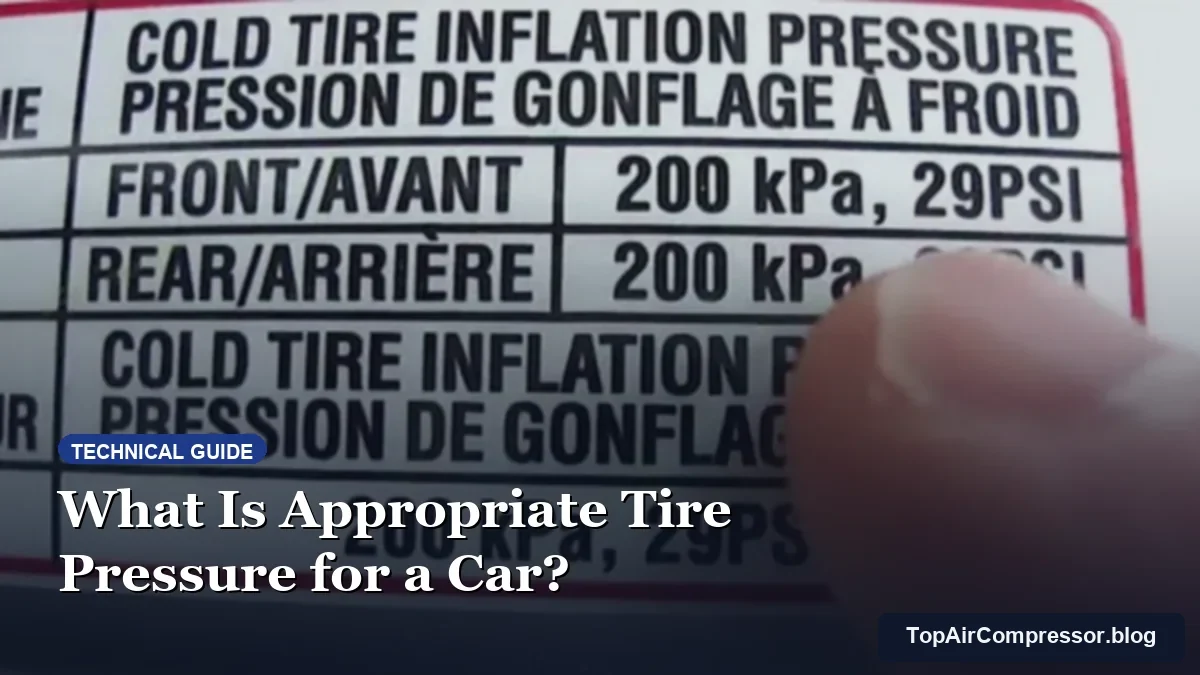
The correct pressure for your car is found on the driver doorjamb placard, not the tire sidewall. Always check pressures when tires are completely cold.
Looking for matching picks? See our Best Air Compressor For Car Tires: Top Rated Picks.
Practical Quick-Reference Table
| Scenario / Metric | Recommended Target | Why It Matters |
|---|---|---|
| Standard Passenger Car | 32 to 35 PSI | Ensures balanced tread wear and optimal braking performance. |
| Light Truck / SUV | 35 to 40 PSI | Supports heavier vehicle weight and towing cargo safely. |
| Cold Temperature Drop | Add 1 PSI per 10°F drop | Compensates for natural air density contraction in winter. |
| High-Speed Highway Driving | Match placard specification | Prevents excessive heat buildup and catastrophic tire failure. |
| Spare Compact Tire | 60 PSI typically | Ensures emergency readiness when a primary flat occurs. |
| Checking Frequency | Every month | Catches slow leaks before structural tire damage happens. |
Locating Your Vehicle Manufacturer Pressure Specifications
Every passenger vehicle features a dedicated manufacturer placard located inside the driver side doorjamb. This sticker dictates the exact cold inflation pressure required for optimal handling and load capacity.
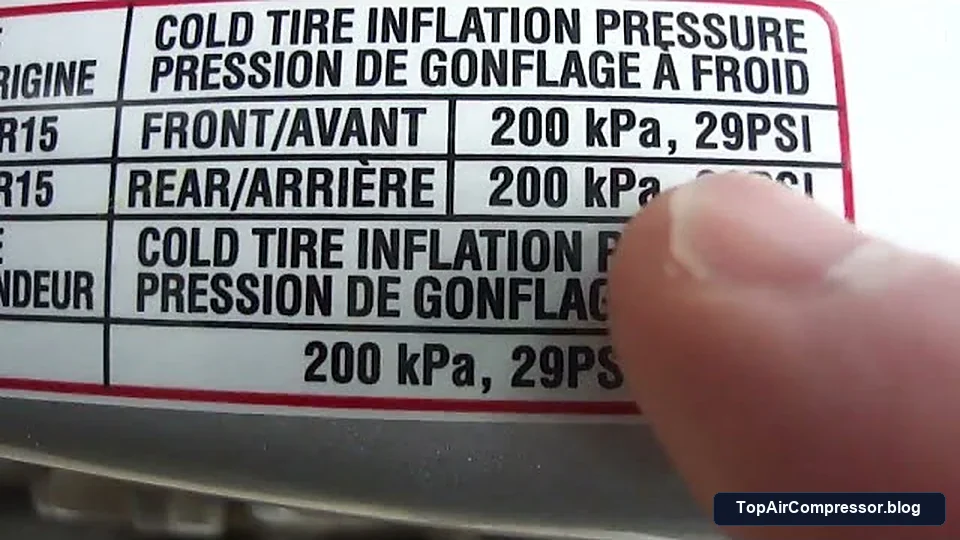
Never rely on the maximum PSI printed directly on the tire sidewall for daily driving guidelines. That specific number only represents the absolute structural limit enforced by the tire manufacturer.
Consult your vehicle owner manual if the doorjamb sticker is missing, damaged, or unreadable due to age. Dealership service departments can also retrieve original specifications using your unique vehicle identification number.
Commercial pneumatic gauges and portable air compressors require precise baseline numbers to function safely. Establishing your target PSI prevents dangerous underinflation or overinflation scenarios during routine maintenance checks.
- Locate the white and yellow placard inside the driver door frame.
- Note separate front and rear axle pressure requirements if applicable.
- Ignore maximum PSI ratings displayed on the rubber tire sidewall.
- Verify vehicle load capacity indexes before hauling heavy cargo.
Finding Doorjamb Information
Open the primary driver door and look closely at the metal pillar or latch post. You will notice a federally mandated certification label detailing accurate axle ratings.
Match your specific tire size designation listed on the placard with your installed rubber. Discrepancies often indicate a previous owner installed non-standard aftermarket replacement tires.
- Inspect the placard for passenger vehicle weight ratings.
- Confirm tire dimensions match factory original equipment exactly.
Understanding Cold Tire Pressure and Ambient Physics
Accurate pressure measurements must always be taken when your car has been parked for several hours. Pairing cold checks with our best small tire inflator for car choices ensures optimal inflation.
Driving generates significant internal heat which causes compressed air molecules to expand rapidly inside the casing. Measuring warm tires will give you artificially high readings that mask dangerous underinflation.
Always complete your pressure adjustments early in the morning before operating the vehicle on roadways. This fundamental practice guarantees consistency with your manufacturer recommended baseline targets every single time.
Pneumatic air compressor tools perform best when working with stable, cool ambient conditions. Temperature stability ensures your tire volume matches your digital gauge readouts without thermal distortion.
- Park the vehicle out of direct sunlight for three hours.
- Avoid driving more than one mile before checking pressure.
- Account for early morning temperature fluctuations accurately.
- Never bleed air from warm tires following a highway trip.
Thermal Expansion Factors
Gases expand predictably when subjected to thermal energy generated during normal vehicle operation. Ignoring this basic thermodynamic principle leads to incorrect inflation adjustments.
Allow cooling time if you just completed a long trip before attaching any air chuck.
- Recognize that friction heats up internal rubber rapidly.
- Wait for complete ambient cooling before making adjustments.
Video Walkthrough: Search filters
Interpreting Sidewall Markings Versus Placard Limits
The rubber sidewall of every tire displays a maximum inflation pressure rating alongside other vital manufacturing data. Beginners frequently mistake this maximum limit for the recommended operating pressure.
Running your car tires at the maximum sidewall PSI produces an extremely harsh ride and reduced traction. Testing units from our best portable tire compressor for car guide helps you maintain proper placard levels.
The doorjamb placard balances ride comfort, braking efficiency, and load distribution specifically for your chassis. Always defer to the chassis manufacturer rather than the tire mold details.
Reviewing sidewall data helps you verify speed ratings and load indexes during replacement tire purchases. Understanding these codes ensures your equipment matches proper mechanical safety margins.
- Distinguish between maximum limit and recommended operating pressure.
- Avoid overinflating to the sidewall maximum limit during service.
- Check load range letters carefully when buying replacement tires.
- Prioritize vehicle door specifications over universal tire guidelines.
Reading Sidewall Data
Sidewall markings include aspect ratios, rim diameters, and maximum load ratings in pounds. These codes provide necessary context for heavy-duty commercial or passenger applications.
Cross-reference these numbers with your manual to verify correct fitment.
- Identify speed rating letters on the outer rubber band.
- Verify radial construction symbols before compressor use.
Seasonal Pressure Fluctuations and Weather Compensation
Ambient outdoor temperatures drastically influence internal tire pressure throughout changing seasons and weather patterns. You typically lose one PSI for every ten-degree drop in outside air temperature.
Winter weather brings stealthy underinflation risks that trigger dashboard warning lights during cold mornings. Drivers must manually add air as winter arrives to maintain correct baseline specifications.
Conversely, scorching summer heatwaves cause internal pressures to climb higher than normal operating thresholds. Inspecting your tires during seasonal shifts prevents uneven wear patterns and blowouts.
Portable 12-volt air compressors or garage inflators are essential tools for seasonal maintenance adjustments. Using our cfm tool sizing calculator ensures your pneumatic gear matches these periodic inflation tasks.
- Subtract one PSI per ten-degree drop in ambient temperature.
- Add air promptly when the first autumn cold fronts arrive.
- Monitor summer heat buildup to prevent dangerous overinflation.
- Check pressures monthly regardless of apparent seasonal stability.
Winter Weather Adjustments
Cold metal and rubber compounds contract, reducing internal air volume significantly overnight.
Perform bi-weekly checks during freezing months to offset rapid pressure loss.
- Keep an accurate digital pressure gauge inside your glovebox.
- Use a reliable portable inflator during freezing weather.
Step-by-Step Air Compressor Inflation Procedures
Attach your air compressor hose securely to the cleaned tire valve stem after removing the cap. Ensure a tight seal to prevent escaping air while the compressor motor runs.
Monitor the pressure gauge reading closely in short bursts to avoid overshooting your target PSI limit. Modern digital inflators allow you to preset exact target numbers automatically.
Release the trigger or turn off the power unit once your desired placard pressure registers. Detach the connector swiftly and replace the plastic valve stem cap securely.
Repeat this meticulous process across all four running tires plus your emergency spare. Selecting a model via our best air compressor for car tires review guarantees balanced handling dynamics and fuel economy.
- Remove valve stem dust caps and store them safely.
- Press the compressor chuck firmly straight onto the stem.
- Monitor pressure increments carefully using a calibrated gauge.
- Replace valve caps tightly to keep out moisture and dirt.
Using Portable Compressors
Plug your 12-volt compressor into the vehicle accessory outlet or battery terminals safely.
Set your target pressure value on digital models before starting inflation.
- Keep the engine running to prevent draining your battery.
- Store equipment properly after completing inflation tasks.
Decoding Tire Pressure Monitoring System Warning Lights
Modern passenger cars feature an electronic Tire Pressure Monitoring System designed to alert drivers instantly. A glowing dashboard symbol usually indicates a pressure drop exceeding twenty-five percent.
Never ignore an illuminated warning light, as severe underinflation creates catastrophic heat and tread separation. Locate the nearest air source immediately to inspect all four tire pressures.
Some advanced vehicle displays show individual PSI readings for every wheel in real time. This technology helps you identify precisely which tire requires attention without manual guessing.
Remember that sudden temperature drops can trigger false TPMS warnings on cold mornings. Always verify actual pressures with a physical gauge before resetting the dashboard system.
- Recognize the horseshoe-shaped dashboard warning indicator icon.
- Inspect all tires when the sensor light illuminates.
- Calibrate or reset your system after adjusting tire pressures.
- Check sensors if the warning light flashes continuously.
Responding to TPMS Alerts
Pull over safely when a warning light flashes or stays solid on your cluster.
Measure every tire to find the specific wheel causing the alert.
- Inflate low tires back to the recommended placard PSI.
- Consult a technician if sensor batteries fail completely.
Establishing a Routine Maintenance and Inspection Schedule
Consistent tire maintenance protects your investment, enhances fuel efficiency, and prevents sudden highway breakdowns. Dedicate time once every month to check every single tire pressure manually.
Combine your monthly pressure checks with a visual inspection for cuts, bulges, and embedded nails. Catching minor tread damage early prevents catastrophic blowouts at high speeds.
Rotate your tires according to manufacturer mileage intervals to ensure even tread wear across axles. Proper rotation combined with correct inflation maximizes the operational lifespan of your tires.
Maintain a dedicated tire pressure gauge and portable inflator in your trunk for emergencies. Being prepared ensures you can handle unexpected pressure drops safely anywhere on the road.
- Schedule monthly pressure checks on your personal calendar.
- Inspect tread depths using simple coin or gauge tests.
- Rotate tires every five to eight thousand miles regularly.
- Keep emergency inflation gear stored securely in your trunk.
Monthly Maintenance Checklist
Perform a comprehensive walkaround inspection checking all four valve stems.
Test pressures while tires remain cold before starting any engine trips.
- Wipe away debris from valve stems before attaching gauges.
- Log your monthly pressure readings to track slow leaks.
Frequently Asked Questions
What is the standard tire pressure for most everyday passenger cars?
Most standard passenger vehicles require between 32 and 35 PSI for normal daily driving conditions. Always verify your specific model requirements by checking the sticker located inside the driver doorjamb.
Can I trust the maximum pressure printed on the tire sidewall?
Never use the maximum sidewall number for your everyday driving pressure specifications. That figure only indicates the structural limit established by the manufacturer for maximum weight capacity.
Why does cold weather cause my tire pressure warning light to turn on?
Lower ambient temperatures cause the air molecules inside your tires to contract and lose density. You typically lose one PSI for every ten-degree drop in outdoor winter weather conditions.
How often should I check my car tire pressure with a gauge?
You should check your vehicle tire pressures at least once every single month. Regular monthly inspections help catch slow leaks early and ensure optimal fuel efficiency and safety.
Is it better to check tire pressure when the tires are warm or cold?
Always check your tire pressure when the vehicle has been parked for several hours. Cold measurements provide accurate readings before driving friction heats up the internal air.