What Is Ideal Tire Pressure for My Car?
Maintaining correct tire pressure ensures optimal vehicle handling, braking performance, and fuel economy. Following manufacturer specifications prevents premature tread wear and dangerous blowout risks.

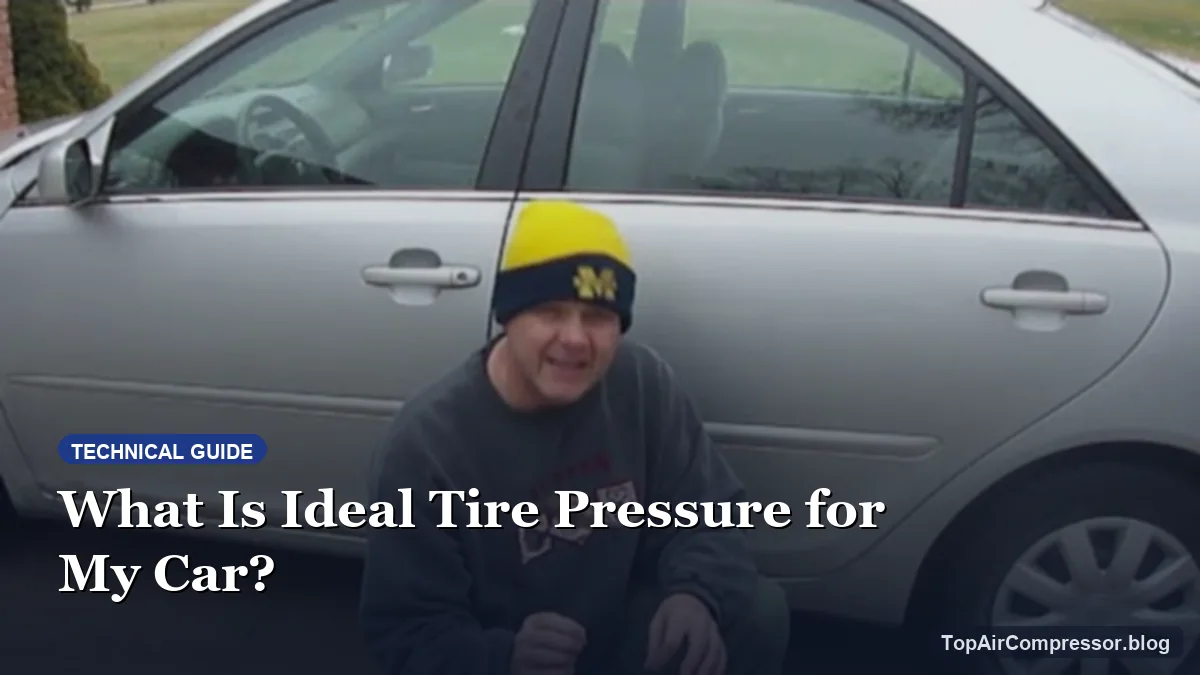
The ideal tire pressure for your car is always listed on the driver door jamb placard, not the maximum rating printed on the tire sidewall.
Looking for matching picks? See our Best Air Compressor For Car Tires: Top Rated Picks.
Practical Quick-Reference Table
| Scenario / Metric | Recommended Target | Why It Matters |
|---|---|---|
| Standard Passenger Car | 32 to 35 PSI cold | Balances fuel economy, ride comfort, and uniform tread wear. |
| Light Truck or SUV | 35 to 40 PSI cold | Supports heavier cargo payloads and prevents sidewall overheating. |
| Winter Temperature Drop | Add 1 PSI per 10°F drop | Compensates for natural air density contraction during cold weather. |
| High-Speed Highway Driving | Match placard maximum PSI | Reduces internal tire heat generation and tread separation risks. |
| Towing Heavy Trailers | Increase rear PSI by 5 | Compensates for tongue weight and maintains steering control. |
| Compact Spare Tire | 60 PSI cold standard | Ensures immediate emergency usability when a primary tire fails. |
Decoding Manufacturer Tire Pressure Specifications
Modern vehicles require specific air pressure levels to balance load capacity, ride comfort, and fuel efficiency. Checking your vehicle door placard provides the precise cold inflation rating established by automotive engineers.
The sidewall stamped on your tire indicates maximum burst limits rather than recommended operating pressure. Choosing the best small tire inflator for car ensures precise inflation without risking over-pressurization.
Always check your tire pressures early in the morning before driving any distance. Driving generates internal friction that heats up compressed air, causing inaccurate temporary pressure spikes.
Commercial portable air compressors feature digital gauges that allow you to dial in exact pounds per square inch measurements. Proper calibration ensures your vehicle operates at peak efficiency across all four radial tires.
- Always verify cold inflation pressures before operating the vehicle on public highways to prevent dangerous structural tire failures during high-speed driving conditions.
- Never rely on the maximum pressure stamped onto the outer rubber sidewall because that figure represents absolute structural burst limits rather than daily operating targets.
- Consult your vehicle owner manual whenever you alter wheel sizes or install aftermarket tires requiring specialized load index calculations and distinct inflation pressures.
- Perform weekly pressure inspections using a calibrated digital gauge to catch slow air leaks before they develop into catastrophic tread separations on the freeway.
Interpreting Placard Data Accurately
The safety compliance certification label affixed to the driver door frame provides exact tire dimensions and cold pressure ratings. Matching these numbers guarantees safe handling dynamics during emergency maneuvers.
Ignoring these factory engineering standards often results in uneven shoulder wear, poor fuel mileage, and compromised braking distances on wet asphalt surfaces.
- Cross-reference placard numbers with your current tire sidewall dimensions to ensure proper load index compatibility.
- Record baseline seasonal pressure adjustments in a maintenance log to track long-term tire health.
Mastering Correct Inflation Using Portable Compressors
Operating a 12-volt portable air compressor requires connecting the power plug securely to your vehicle accessory port. Attach the brass threaded chuck firmly to the valve stem to prevent frustrating air leakage.
Set your digital target pressure on the compressor interface before initiating the inflation cycle. Modern units automatically halt operation once the precise predetermined threshold is reached successfully.
Avoid over-inflation by releasing small bursts of air using the integrated deflation valve if your pressure reading exceeds specifications. Precise calibration protects sensitive suspension components from harsh impacts.
Always stow your recovery gear securely in the trunk. Selecting a reliable best portable tire compressor for car model guarantees fast roadside inflation whenever low pressure warning lights activate unexpectedly.
- Inspect the compressor power cord and rubber air hose for cracks or abrasions before every usage to guarantee safe electrical and pneumatic performance.
- Keep the vehicle engine running while operating high-draw portable compressors to prevent draining your primary starter battery during extended inflation tasks.
- Verify that valve stem caps are securely reinstalled after every inflation session to protect internal Schrader valves from moisture and road debris accumulation.
- Allow your portable compressor motor to cool down between multiple tire inflation cycles to prevent thermal overload and extend internal piston longevity.
Step-by-Step Compressor Operation
Unwind the power cable completely and plug it into a functioning 12-volt socket while the engine runs smoothly. Remove the protective dust cap from the designated tire valve stem.
Press the brass connector straight onto the valve stem and secure the locking lever to establish a tight pneumatic seal before pressing the digital start button.
- Monitor the real-time digital pressure readout on the compressor display panel during the entire inflation process.
- Disconnect the air chuck quickly and smoothly to minimize any pressure loss when target PSI is achieved.
Video Walkthrough: What Is The Correct Tire Pressure For Your Car? Fast \u0026 Easy!
Understanding Seasonal Temperature Fluctuations and PSI Loss
Ambient temperature changes drastically impact internal tire pressure due to the fundamental laws of thermodynamics. Expect to lose approximately one pound per square inch for every ten-degree drop in outdoor temperature.
Winter weather brings widespread under-inflation issues that trigger dashboard pressure warning indicators across millions of commuter vehicles. Checking tires monthly prevents uneven tread degradation during freezing winter driving conditions.
Conversely, hot summer asphalt elevates tire temperatures significantly, causing internal air to expand and increase operating pressure. Monitoring hot weather inflation levels prevents dangerous over-inflation during long highway trips.
Maintaining correct seasonal adjustments ensures optimal tire contact patches, maximizing traction on snow-covered roads and slick rainy surfaces throughout changing weather patterns.
- Calculate seasonal pressure adjustments proactively whenever local weather forecasts predict sudden drops in overnight ambient temperatures.
- Inspect all tire treads more frequently during transition months when temperature swings cause rapid daily fluctuations in internal air volume.
- Park vehicles inside insulated garages when possible to minimize extreme thermal shock and maintain stable baseline tire inflation measurements.
- Never bleed air from hot tires after aggressive driving because cooling down naturally restores correct baseline pressure without manual intervention.
Combating Winter Pressure Drops
Cold winter air contracts rapidly inside rubber tire cavities, reducing overall structural rigidity and fuel efficiency. Supplementing lost air volume restores safe handling characteristics immediately.
Use a reliable mechanical or digital gauge in sub-freezing temperatures to verify that inflation levels match manufacturer recommendations for safe winter commuting.
- Add precise amounts of compressed air outdoors before embarking on cold morning commutes.
- Check spare tires stored in exterior or trunk compartments since they experience identical temperature contraction.
Evaluating Related Vehicle Safety Systems Like Brakes
Proper tire inflation directly influences the mechanical performance of adjacent safety systems, including ceramic and semi-metallic brake pads. Optimal tire contact patches allow maximum friction during emergency stopping maneuvers.
Under-inflated tires increase rolling resistance and generate excess heat that transfers directly into your vehicle braking assemblies during heavy deceleration tasks. Maintaining correct PSI reduces overall thermal stress levels.
When servicing braking components, technicians should always inspect tire wear patterns to diagnose underlying alignment or inflation anomalies. Uneven tread wear often correlates directly with neglected routine maintenance habits.
Balancing tire pressure alongside quality brake pad maintenance guarantees shorter stopping distances and superior vehicle control across unpredictable roadway hazards and adverse weather events.
- Compare stopping distances across different tire pressure levels to understand how contact patch deformation affects overall braking efficiency on dry pavement.
- Inspect brake rotor surfaces regularly for heat glazing caused by prolonged driving on severely under-inflated tires and restricted rolling dynamics.
- Ensure professional mechanics check tire pressures whenever performing routine brake pad replacements or seasonal wheel alignments on your vehicle.
- Maintain balanced inflation across all four wheels to prevent directional pulling and unequal brake pad wear during sudden panic stops.
Ceramic Versus Semi-Metallic Brake Performance
Ceramic brake pads offer quiet operation and minimal dust accumulation, making them ideal for everyday passenger cars operating on standard tire pressures.
Semi-metallic pads provide aggressive initial bite and superior heat dissipation, suiting heavy trucks operating at higher payload tire inflation pressures.
- Select pad formulations that match your driving style and vehicle weight specifications for balanced stopping power.
- Pair high-performance brake pads with correctly inflated tires to maximize overall vehicle deceleration safety margins.
Emergency Roadside Preparedness and Battery Procedures
Roadside emergencies often involve flat tires requiring immediate mechanical intervention. Investing in the best air compressor for car tires guarantees complete roadside self-reliance during unexpected punctures.
When executing a battery jump procedure, connect jumper cables in the correct sequence to prevent dangerous electrical sparks and protect sensitive onboard computer modules. Always prioritize personal safety protocols.
Inspect your emergency kit quarterly to ensure jumper cables remain free of corrosion and your portable air compressor holds a full internal battery charge for unexpected failures.
Knowing how to handle battery jump procedures and tire inflation keeps you moving safely without depending on costly towing services or roadside assistance wait times.
- Store heavy-duty jumper cables alongside your portable air compressor in an easily accessible trunk compartment for rapid emergency deployment.
- Clean battery terminals with a wire brush periodically to ensure optimal electrical conductivity during emergency jump-starting procedures.
- Test portable compressor battery packs every ninety days to verify they retain adequate charge capacity for emergency inflation tasks.
- Review safe vehicle jump procedures in your owner manual before encountering an unexpected dead battery situation on the highway.
Executing a Safe Battery Jump
Attach the positive red clamp to the dead battery positive terminal first, then connect the other positive end to the donor vehicle power source.
Connect the negative black clamp to a solid unpainted engine ground on the disabled vehicle to safely complete the electrical circuit before starting.
- Let the donor engine run for several minutes to transfer adequate electrical charge into the dead battery.
- Disconnect jumper cables in exact reverse order once the disabled engine successfully starts and stabilizes.
Locating Certified Maintenance and Auto Repair Facilities
While routine tire inflation is a simple DIY task, complex automotive repairs require professional assistance from certified technician workshops. Finding reliable auto repair facilities ensures long-term vehicle reliability and safety.
Look for repair shops holding recognized industry certifications, such as automotive service excellence credentials, guaranteeing high standards of technical competence and customer service integrity.
Establishing a relationship with a trusted local mechanic helps you catch minor suspension or steering issues before they cause accelerated tire wear or dangerous handling instability.
Keep detailed maintenance records of all professional services, tire rotations, and alignments to preserve your vehicle resale value and monitor long-term mechanical health effectively.
- Research local repair shops using independent consumer reviews to find reputable technicians specializing in your vehicle make and model.
- Verify that prospective auto repair facilities offer transparent written estimates before authorizing any major mechanical diagnostic or replacement work.
- Inquire about warranty coverage on parts and labor for all professional repairs performed on your steering and suspension systems.
- Schedule bi-annual mechanical inspections to address hidden alignment issues that could ruin newly inflated tires prematurely.
Evaluating Professional Repair Standards
Certified repair facilities utilize advanced computerized diagnostic equipment to identify complex mechanical faults affecting tire wear and fuel economy.
Professional technicians adhere strictly to manufacturer service bulletins and torque specifications during every suspension or brake repair procedure.
- Ask technicians to explain diagnostic findings clearly before approving repair work on your vehicle chassis.
- Confirm that replacement parts meet original equipment manufacturer specifications for optimal durability and safety.
Establishing Routine Inspection Protocols and Monitoring
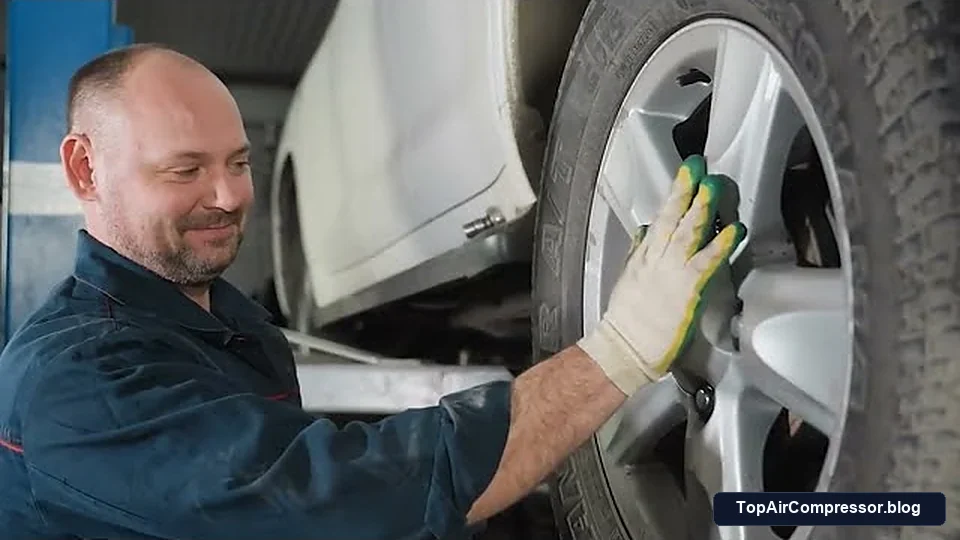
Consistent tire maintenance requires establishing a dependable monthly inspection routine. Checking our CFM tool sizing calculator helps workshop mechanics match pneumatic air supply requirements safely.
Modern tire pressure monitoring systems alert drivers to significant pressure drops, but manual gauge checks remain essential for catching gradual leaks before warnings activate.
Rotate your vehicle tires every five to seven thousand miles to promote even tread wear and extend the operational lifespan of your rubber investment.
By combining regular pressure checks, seasonal adjustments, and professional inspections, you ensure maximum safety, optimal fuel economy, and superior driving dynamics on every journey.
- Incorporate monthly tire pressure checks into your regular household maintenance calendar alongside home smoke detector battery testing routines.
- Examine tire sidewalls carefully for bulges, cracks, or embedded foreign objects during every routine pressure inspection session.
- Monitor dashboard warning lights closely and investigate any sudden pressure drops immediately using a portable digital air compressor.
- Maintain a dedicated tire pressure gauge in your glove compartment for quick checks at service stations or roadside stops.
Maximizing Tire Longevity
Consistent adherence to recommended cold inflation pressures prevents excessive shoulder wear and center tread degradation over thousands of miles.
Pairing correct inflation with regular wheel balancing and alignment services guarantees smooth highway cruising and maximum tire longevity.
- Check tread depth using a standard penny test during your monthly pressure inspection routine.
- Replace tires promptly when tread depth reaches minimum legal safety limits to prevent hydroplaning risks.
Frequently Asked Questions
What is the correct way to find my car ideal tire pressure?
Always locate the official placard on the driver door jamb rather than reading maximum ratings on the tire sidewall. This ensures optimal vehicle handling and uniform tread wear.
How often should I check my vehicle tire pressure?
Check your tire pressures at least once every month using a reliable digital gauge before driving. Routine monthly inspections catch slow air leaks before they cause dangerous blowouts.
Why does cold weather cause my tire pressure warning light to activate?
Ambient temperature drops cause internal air molecules to contract, resulting in a loss of about one PSI per ten degrees Fahrenheit. Adding compressed air restores proper inflation.
Should I adjust tire pressure when driving long distances at high speeds?
Inflate your tires to the vehicle manufacturer placard specification before long trips to minimize internal heat generation. Maintaining correct pressure prevents dangerous tread separation risks.
Can I use a portable air compressor to inflate my car tires at home?
Yes, compact 12-volt portable compressors allow you to easily top off tires in your driveway. Setting the digital target pressure ensures precise inflation without guesswork.