What Is the Minimum Tire Pressure for a Car?
Understanding minimum tire pressure thresholds keeps your vehicle safe. Proper inflation maximizes tread life and fuel economy.

The absolute minimum safe tire pressure for standard passenger cars generally hovers around 20 to 22 PSI, but you must always follow the placard rating.
Looking for matching picks? See our Best Air Compressor For Car Tires: Top Rated Picks.
Practical Quick-Reference Table
| Scenario / Metric | Recommended Target | Why It Matters |
|---|---|---|
| Standard Passenger Car | 32 to 35 PSI | Ensures optimal handling and even tire wear across all four wheels. |
| Absolute Minimum Safety Floor | 20 to 22 PSI | Prevents catastrophic tire bead unseating during emergency steering maneuvers. |
| Cold Temperature Drop | Minus 1 PSI per 10°F | Accounts for ambient weather shifts during late autumn and winter seasons. |
| Light Truck Load Range C | 35 to 50 PSI | Supports heavier cargo capacity without causing dangerous sidewall flex. |
| Compact Spare Tire | 60 PSI | Guarantees emergency readiness when standard load capacity is compromised. |
| High-Speed Highway Driving | Plus 2 to 3 PSI over baseline | Mitigates excessive internal heat buildup during prolonged travel. |
Determining the Absolute Minimum Safe Tire Pressure Thresholds
Finding the absolute minimum safe tire pressure requires understanding vehicle dynamics. Operating below recommended levels causes severe sidewall degradation and excessive internal heat generation.
Most standard passenger vehicles feature a recommended inflation rating between 32 and 35 PSI. Dropping below 20 PSI introduces extreme risks of sudden deflation during sharp turns.
Engineering standards dictate that tires lose structural integrity when underinflated by more than twenty five percent. This threshold marks the boundary where handling failure becomes highly probable.
Drivers must never rely on visual inspections alone to determine safety limits. Modern radial tires often look completely normal even when dangerously below safe operating pressure thresholds.
Finding the absolute minimum safe tire pressure requires understanding structural load limits. Operating below twenty pounds per square inch risks unseating the bead from the metal wheel rim entirely.
Structural integrity degrades rapidly when inflation drops twenty five percent below the recommended placard specification. This threshold triggers standard TPMS warning lights to alert drivers of impending structural failure.
Safety margins disappear completely at extreme lows because internal sidewalls fold over themselves. Continuous flexing generates extreme friction, leading to catastrophic rubber compound delamination and sudden tread separation events.
Engineers design tires with strict operational floors to maintain baseline load capacity. Dropping beneath these safety limits compromises cornering stability and overloads the remaining carcass plies beyond design tolerances.
- Never drop below 20 PSI on standard passenger vehicle tires.
- Inspect inner and outer sidewalls for premature cracking or bulging.
- Account for vehicle weight distribution when calculating minimum thresholds.
- Use calibrated digital gauges for all safety assessments.
Recognizing Critical Under-Inflation Risks
Severe under-inflation forces the tire footprint to distort significantly. This deformation increases rolling resistance and causes rapid shoulder wear across the tread pattern.
Excessive flexing generates internal temperatures that can delaminate rubber compounds. Recognizing these thermal risks prevents catastrophic blowouts on high-speed roadways.
- Monitor tire shoulder temperatures after long highway trips.
- Watch for vibration feedback indicating structural belt separation.
Manufacturer Placards Versus Sidewall Maximum Pressure Ratings
Every vehicle features a manufacturer placard located on the driver door jamb. This sticker displays the exact PSI required for safe daily operation under maximum loads.
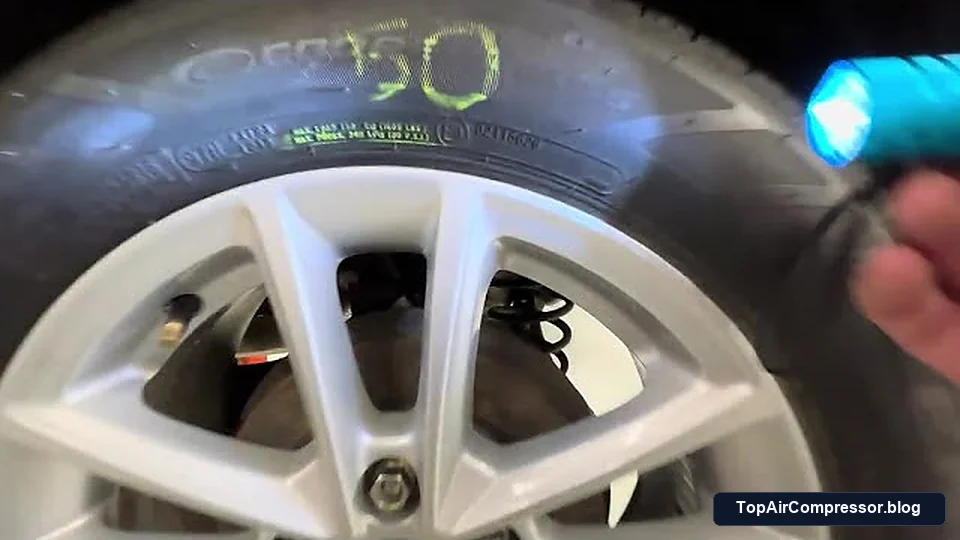
The number printed on the tire sidewall represents the maximum safe pressure limit. Confusing this maximum limit with the recommended operating pressure leads to harsh ride quality.
Vehicle manufacturers engineer specific suspension setups around the placard specifications. Following these factory guidelines guarantees balanced braking performance and predictable steering response.
Ignoring the door jamb placard in favor of sidewall numbers disrupts proper contact patches. Always prioritize the chassis engineering specifications over generic tire mold markings.
Vehicle door jamb placards list the optimal pressure for your specific car model. Ignoring these values in favor of sidewall figures creates dangerously harsh ride qualities and uneven tread wear.
The tire sidewall displays the maximum pressure rating allowed for that physical casing. Pumping your tires to this maximum figure ignores vehicle weight distribution and reduces contact patch area.
Vehicle manufacturers calculate placard numbers based on gross vehicle weight ratings and suspension geometry. Following the placard ensures balanced handling and extends tread life expectancy across all four positions.
Treating sidewall markings as operating targets mistakes maximum capability for daily prescription. Always adhere strictly to the placard specifications found inside the driver door frame for safety.
- Locate the official placard on the driver side door pillar.
- Treat sidewall figures as absolute maximum structural boundaries.
- Match replacement tires to original equipment load index ratings.
- Consult professional technicians when altering wheel and tire dimensions.
Interpreting Door Jamb Specifications Correctly
The door placard lists specific pressures for front and rear axles. These numbers account for engine weight distribution and expected passenger capacities.
Verify your vehicle configuration matches the placard data before inflating. Different trim levels often require distinct pressure settings for identical models.
- Check front and rear axle specifications independently.
- Adjust for heavy cargo loads using authorized manufacturer guidelines.
Video Walkthrough: What Is The Correct Tire Pressure For Your Car? Fast \u0026 Easy!
Understanding Cold Tire Pressure and Temperature Fluctuations
Measuring tire pressure must always occur when tires remain completely cold. Consulting our best air compressor for car tires breakdown ensures accurate inflation and eliminates artificial pressure increases.
Ambient temperature shifts directly impact tire pressure throughout changing seasons. Expect a drop of one PSI for every ten degree Fahrenheit decrease in outdoor weather.
Checking pressures early in the morning before direct sunlight hits provides accurate baselines. This practice ensures your tires meet minimum safety standards before daily commuting begins.
Failing to compensate for winter temperature drops leads to chronic under-inflation. Routine seasonal checks prevent unexpected warning lights during the first cold morning snap.
Cold tire pressure must be measured before driving when rubber internal temperatures match ambient air. Friction from driving generates heat, causing a predictable pressure increase of several PSI.
Ambient temperature drops significantly affect internal air density throughout changing seasonal weather patterns. Every ten degree drop in Fahrenheit typically causes a one PSI loss in measured pressure.
Ignoring seasonal climate shifts leads to chronically underinflated tires during early morning winter commutes. Checking pressures monthly prevents gradual deflation caused by permeation and cold snaps.
Never bleed air from warm tires after highway driving session completions. The elevated pressure is completely normal, and bleeding off air leaves tires dangerously underinflated once cooled down.
- Measure pressure after the vehicle sits undisturbed for three hours.
- Add one PSI for every ten degree drop in ambient temperature.
- Avoid bleeding air from warm tires after highway driving.
- Keep digital pressure gauges stored inside the vehicle cabin.
Managing Seasonal Weather Transitions
Autumn temperature swings require frequent pressure adjustments across all four positions. Neglecting these adjustments results in sluggish handling during rainy autumn commutes.
Spring warming trends cause internal pressures to rise above baseline specifications. Release excess air carefully only when tires are completely cool to the touch.
- Inspect pressures monthly during spring and autumn transitions.
- Never reduce warm tire pressure during midday heat spikes.
How Low Inflation Severely Impacts Vehicle Handling and Braking
Underinflated tires create excessive slip angles during cornering maneuvers. This delay in steering response compromises your ability to avoid sudden road hazards safely.
Stopping distances increase dramatically when tires lack proper internal support. The deformed contact patch reduces friction efficiency and lengthens emergency braking zones significantly.
Hydroplaning risks multiply during wet weather when tread grooves collapse. Low pressure prevents water evacuation channels from clearing fluid away from the pavement.
Maintaining proper inflation preserves the designed geometry of your suspension system. Correct pressure levels ensure maximum tire contact during aggressive steering inputs.
Underinflation reduces steering response accuracy because soft sidewalls flex excessively during cornering maneuvers. Drivers experience noticeable lag before the vehicle actually responds to steering wheel inputs.
Braking distances increase drastically when tire contact patches deform under heavy vehicle loads. Using the best small tire inflator for car ensures proper pressure and safe stopping distances.
Hydroplaning risks multiply exponentially on wet roads when tires lack sufficient inflation pressure. The center tread lifts away from the water surface, eliminating essential water evacuation channels.
Rolling resistance climbs sharply with low tire pressure, forcing engines to burn excess fuel. This constant energy waste accelerates internal heat generation and stresses suspension component bushings.
- Test emergency stopping responsiveness on dry asphalt surfaces.
- Inspect tread grooves for signs of premature center cupping.
- Avoid sharp lane changes when operating with low pressure.
- Prioritize proper inflation for wet weather driving safety.
The Mechanics of Contact Patch Distortion
Low pressure causes the center tread to lift away from the road. Only the outer shoulders bear the vehicle weight, leading to accelerated tread wear.
This distorted footprint limits lateral grip during emergency highway swerves. Restoring proper PSI reestablishes a flat, uniform contact patch across the asphalt.
- Examine tread wear patterns during routine tire rotations.
- Measure tread depth across inner, center, and outer ribs.
The Role of Tire Pressure Monitoring Systems in Modern Vehicles
Federal regulations require modern vehicles to feature functioning monitoring systems. These sensors detect significant pressure drops and trigger a dashboard warning light promptly.
Indirect systems monitor wheel speed variations using anti-lock braking sensors. Direct systems utilize battery-powered radio sensors mounted inside each individual wheel assembly.
A glowing dashboard indicator typically activates when pressure drops twenty five percent below baseline. This threshold means your tires have already entered dangerous operational zones.
Relying solely on monitoring systems can delay necessary maintenance interventions. Manual monthly gauge checks remain vital for catching slow leaks before alerts trigger.
Federal mandates require tire pressure monitoring systems in passenger vehicles to warn drivers of deflation. Direct systems use physical sensors mounted on wheel valve stems.
Indirect monitoring systems calculate pressure changes by measuring wheel speed differences through antilock braking sensors. These systems require manual resets after performing routine tire rotations.
TPMS alerts typically trigger when pressure drops twenty five percent below recommended placard specifications. Relying solely on these indicator lights is dangerous because minor leaks escape early detection thresholds.
Battery failure inside direct TPMS sensors eventually requires complete sensor replacement during tire servicing. Technicians must also verify compressor air delivery limits using our cfm tool sizing calculator before running pneumatic tools.
- Understand whether your vehicle uses direct or indirect sensors.
- Service internal sensor batteries during routine tire replacement intervals.
- Inspect dashboard warning lights during every vehicle startup sequence.
- Perform manual pressure checks monthly despite working sensors.
Troubleshooting Persistent Sensor Warning Lights
Flashing sensor warnings often indicate an internal system communication fault. Solid illumination confirms actual pressure loss within one or more tires.
Recalibrate indirect monitoring systems after adjusting tire pressures properly. Follow owner manual procedures to clear stored sensor calibration memory successfully.
- Check all four tires including the full-size spare assembly.
- Perform manual resets using dashboard settings menus.
Video Walkthrough: The expensive tire mistake
Essential Steps for Accurately Measuring and Inflating Tires
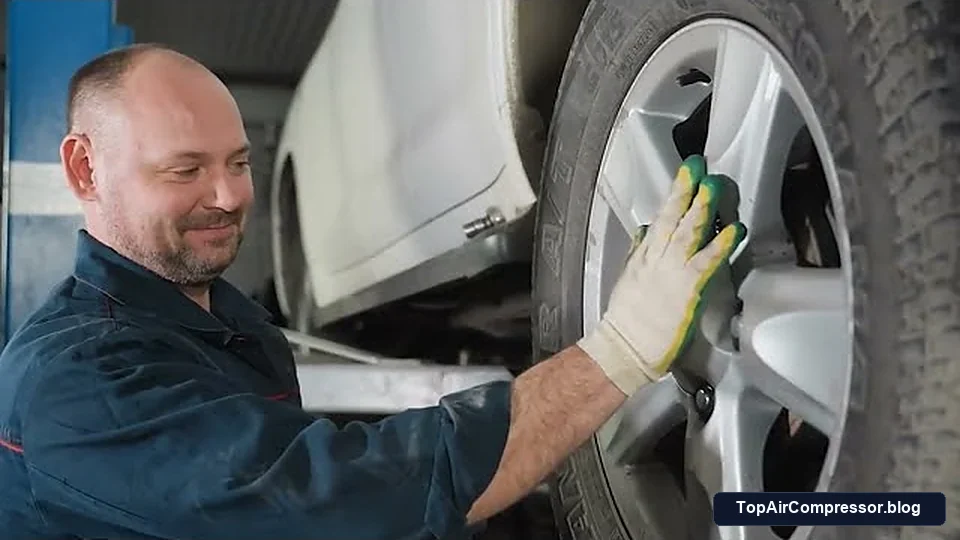
Begin every inflation task by removing the protective valve stem caps. Press a calibrated digital gauge firmly onto the stem to obtain accurate pressure readings.
Connect your best portable tire compressor for car hose securely to the valve stem. Add air in short bursts while monitoring the gauge to prevent accidental over-inflation.
Check all four tires and the emergency spare during every maintenance session. Reinstall valve stem caps tightly to prevent moisture and debris contamination.
Investing in quality equipment ensures reliable measurements during routine maintenance. Proper technique protects valve cores from premature wear and air leakage.
Accurate pressure checks require a calibrated digital gauge rather than cheap spring loaded pencil tools. Press the chuck firmly onto the valve stem to prevent audible air leaks.
Always check your pressures in the morning before driving when tires remain completely cold. Record readings from all four positions, keeping track of any abnormal pressure loss.
Connect your air compressor hose securely and add air in short bursts to avoid overshooting targets. Monitor the gauge continuously until reaching the exact placard pressure value.
Replace missing plastic valve caps immediately after inflation to protect internal cores from moisture. These small caps prevent dirt accumulation that causes slow valve leaks.
- Remove valve stem caps and store them in a secure location.
- Press pressure gauges straight onto stems to prevent air loss.
- Inflate tires in short bursts and check readings frequently.
- Reinstall valve caps securely to block moisture entry.
Choosing Reliable Air Delivery Equipment
Select 12-volt portable compressors with integrated digital pressure cutoffs. These features prevent accidental over-pressurization during roadside emergency inflation tasks.
Verify air hose connections lock securely onto standard Schrader valves. Quality brass fittings prevent frustrating leaks during high-pressure inflation cycles.
- Test compressor auto-shutoff features before travel.
- Keep spare valve cores inside your glove compartment.
Seasonal Adjustments and Ambient Temperature Compensation Formulas
Adapting tire pressure to seasonal shifts protects your investment year-round. Winter conditions demand diligent monitoring to offset rapid temperature drops overnight.
Calculate winter adjustments by adding one PSI for every drop in weather. This proactive habit maintains safe minimum thresholds during freezing weather spikes.
Summer heat increases internal pressure through natural gas expansion. Check pressures during cool morning hours to avoid false high readings.
Balancing seasonal adjustments prevents premature tread wear and poor fuel economy. Consistent maintenance extends overall tire lifespan across changing climates.
Adapting tire pressure for changing seasons prevents dangerous underinflation during severe winter weather drops. Calculate necessary adjustments using standard temperature compensation formulas for accuracy.
Atmospheric gas laws dictate that absolute pressure changes directly with absolute temperature measurements. Factoring in temperature shifts prevents false alarms from illuminated TPMS dashboard warnings.
Adjust pressures upward when moving vehicles from heated garages into freezing outdoor winter environments. Adding one PSI for every ten degrees drop maintains safe operating inflation levels.
Conversely, bleed slight amounts of excess pressure if vehicles transition from deep cold into extreme summer heat waves. Proper management guarantees optimal footprint surface contact.
- Increase target pressure slightly before severe winter storms arrive.
- Monitor weekly weather forecasts for sudden temperature drops.
- Adjust inflation levels inside sheltered garages when possible.
- Record seasonal pressure changes in a maintenance logbook.
Calculating Extreme Weather Adjustments
Extreme winter cold requires up to four extra PSI of correction. Applying these adjustments maintains safe contact patches on icy roadways.
Avoid extreme over-inflation during sudden spring heat waves. Release excess air only when tires are completely cold and shaded.
- Calculate adjustments based on local overnight lows.
- Verify pressures after moving vehicles from warm garages.
Frequently Asked Questions
What is the absolute minimum safe tire pressure for a car?
The absolute minimum safe pressure typically rests around 20 to 22 PSI for standard passenger vehicles. However, you should always follow the placard rating on your driver door jamb.
Why does cold weather cause tire pressure to drop?
Low ambient temperatures cause air molecules inside the tire to contract and lose density. You can expect to lose roughly one PSI for every ten degree drop in weather.
How often should I check my vehicle tire pressure?
You should manually check your tire pressure at least once every month using a reliable gauge. Always perform checks when tires are completely cold before driving.
What does a glowing TPMS dashboard warning light mean?
A solid TPMS light indicates that at least one tire has dropped twenty five percent below recommended pressure. This requires immediate inspection and inflation maintenance.
Can I trust the maximum pressure printed on the tire sidewall?
Sidewall numbers represent the maximum structural limit rather than the recommended operating pressure. Always use the door jamb placard for your vehicle's correct target PSI.