What Is the Recommended Tire Pressure for Toyota Prius?
Maintaining correct tire inflation on your hybrid vehicle ensures optimal fuel efficiency and tread longevity. Proper air compressor management prevents premature wear.

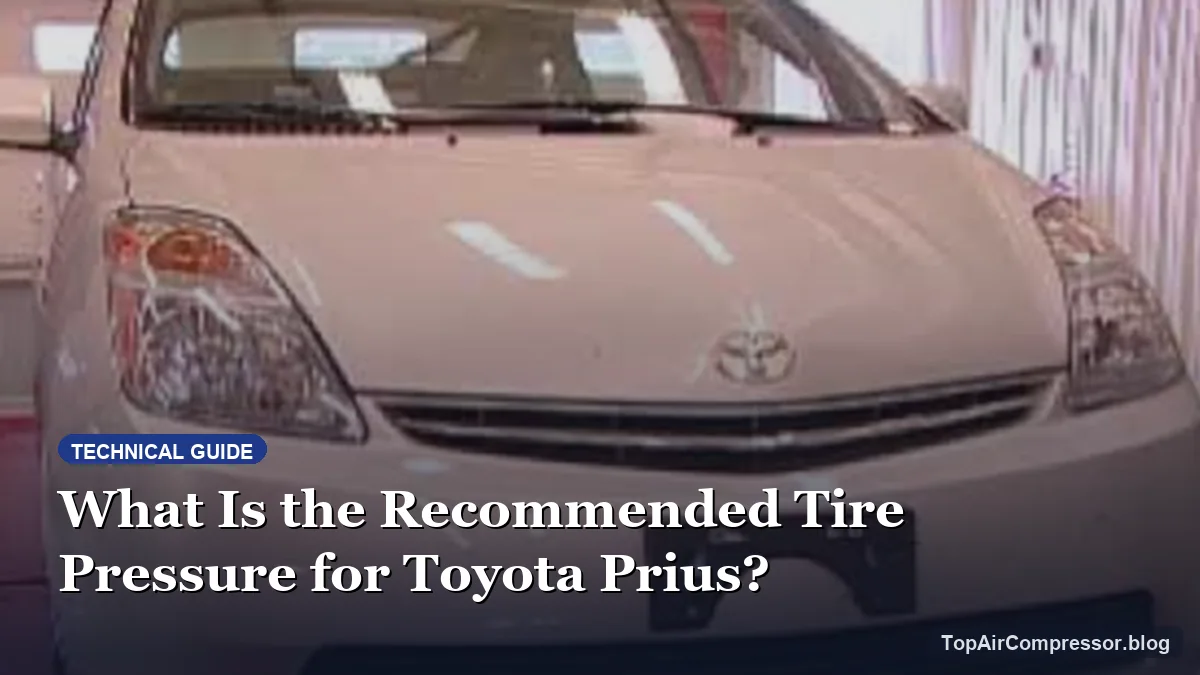
The standard factory specification for most Toyota Prius models is 35 to 36 PSI for both front and rear tires. Always measure pressure using a cold gauge reading for maximum accuracy.
Looking for matching picks? See our Best Tire Pressure Inflator: Top Picks Tested for 2026.
Practical Quick-Reference Table
| Scenario / Metric | Recommended Target | Why It Matters |
|---|---|---|
| Standard Front PSI | 36 PSI | Supports engine and battery weight distribution. |
| Standard Rear PSI | 36 PSI | Maintains stable tracking and cornering control. |
| Eco Driving PSI | 38 PSI | Reduces rolling resistance for maximum mileage. |
| Cold Measurement | Ambient Temp | Ensures accurate baseline before friction heats air. |
| TPMS Threshold | 25 Percent Low | Triggers dashboard warning light for safety. |
| Max Tire Rating | 44 PSI | Absolute ceiling printed on the tire sidewall. |
Understanding Toyota Prius Factory Tire Specifications
Every Toyota Prius features a specific placard located on the driver side door jamb. This manufacturer label details exact cold inflation pressures for standard equipment tires.
Consulting insights from our best portable tire inflator for suv roundup guarantees optimal braking distances and predictable handling. Deviating significantly from factory recommendations compromises both safety margins and structural tire integrity.
Different trim levels utilize varying wheel diameters, ranging from fifteen to seventeen inches. Larger alloy wheels often require distinct pressure adjustments compared to smaller base configurations.
Always verify your specific model year placard before connecting any pneumatic inflation equipment. Never rely exclusively on generic numbers stamped directly onto the rubber sidewall.
Check the driver doorjamb placard for exact factory specifications. Toyota typically recommends 35 to 36 PSI for standard Prius models to balance fuel efficiency, load capacity, and smooth daily hybrid commuting.
- Locate the manufacturer placard on the driver door pillar.
- Match tire dimensions with the official vehicle handbook.
- Account for seasonal temperature swings during routine checks.
- Inspect valve stems for leaks before adding compressed air.
Trim Level Variations and Load Ratings
Base models equipped with smaller wheels prioritize ride comfort through moderate air volume. Higher trim packages featuring larger rims demand precise pressure management.
- Check specific load indexes for alloy wheels.
- Verify sidewall aspect ratios before inflation.
Interpreting Cold Inflation Pressure Versus Operating Temperatures
Using tools like our cfm tool sizing calculator helps determine precise pneumatic requirements. Cold tire pressure refers to measurements taken after the vehicle has remained stationary for hours, as driving friction generates internal heat.
Ambient temperature fluctuations significantly impact pneumatic measurements during seasonal transitions. Expect a drop of one PSI for every ten degree drop in outdoor air.
Inflating tires inside a heated garage can create false readings upon returning to freezing outdoor conditions. Always compensate for ambient shifts when utilizing portable air compressors.
Accurate gauge calibration prevents under-inflation during winter storms and over-inflation during summer heatwaves. Consistent monitoring preserves fuel efficiency across all driving conditions and climates.
Always measure your tire pressure when tires are completely cold, meaning the car has sat for three hours. Expect a 1 PSI drop for every ten-degree drop in ambient winter outdoor temperatures.
- Measure pressure before driving more than one mile.
- Adjust PSI targets based on local weather forecasts.
- Use a digital gauge for repeatable precision readings.
- Avoid bleeding air from warm tires on the road.
Seasonal Air Density Adjustments
Winter temperatures demand frequent checks because cold air compresses rapidly inside rubber chambers. Summer heat expands air volumes, requiring careful monitoring to prevent excessive pressure buildup.
- Add one PSI per ten degree drop in autumn.
- Release excess pressure if driving through extreme desert heat.
Video Walkthrough: How to Find Sticker With Recommended Tyre Pressure in Toyota Prius III ( 2009 – 2020 )
Tread Wear Patterns Related to Improper PSI Levels
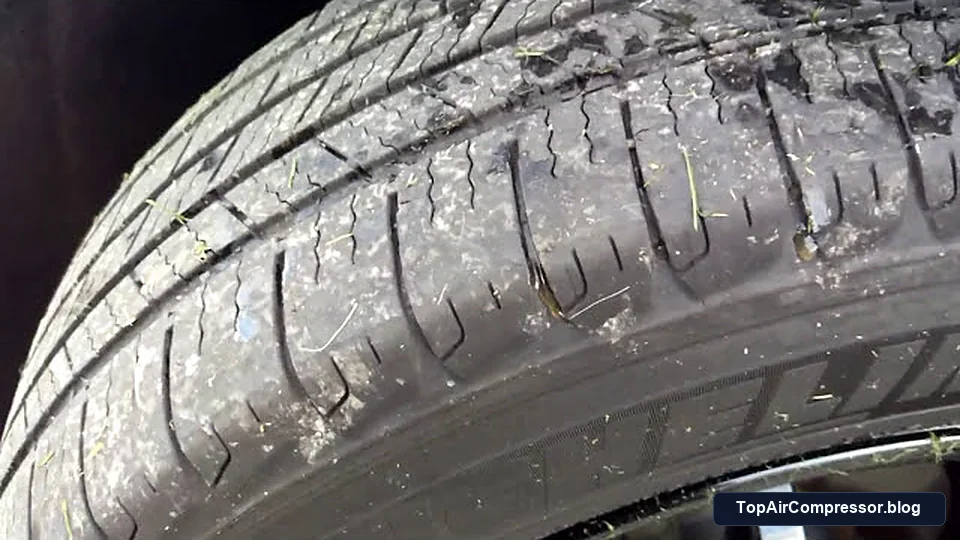
Maintaining incorrect pressure levels accelerates tread deterioration across specific contact patches. Under-inflated tires flex excessively, generating dangerous internal heat that destroys rubber compounds rapidly.
Excessive shoulder wear indicates chronic under-inflation due to inadequate air volume supporting vehicle weight. Conversely, center tread destruction stems from over-inflation causing a rounded contact patch.
Hybrid vehicles impose unique torque characteristics through regenerative braking systems. Proper inflation distributes these frictional forces evenly across the entire tread surface area.
Visual inspections should accompany every routine pneumatic check to catch uneven wear early. Spotting anomalies prevents catastrophic failure and extends overall tire operational lifespan.
Over-inflation causes accelerated center tread wear because the tire crown balloons outward. Conversely, under-inflation forces excessive shoulder contact, leading to rapid outer edge degradation and reduced hybrid vehicle rolling efficiency.
- Examine outer tread blocks for premature feathering signs.
- Measure groove depths with a dedicated tread depth gauge.
- Rotate tires every five thousand miles for even wear.
- Align steering components if abnormal wear patterns persist.
Standard Air Compressor Operations for Hybrid Vehicles
Choosing models from our best portable tire inflator for trucks guide ensures precise inflation without visiting commercial service stations. Connect the heavy-duty hose securely to the tire valve.
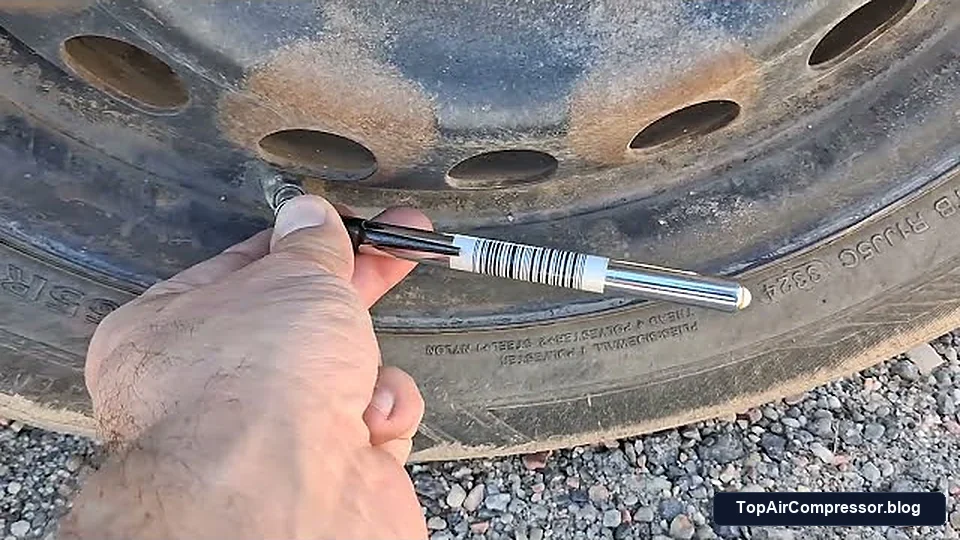
Monitor the digital pressure readout closely to avoid exceeding manufacturer maximum limits. Modern inflators feature automatic shutoff functions that halt airflow once target PSI is reached.
Keep auxiliary power sources charged when operating twelve-volt DC compressors from inside the cabin. Avoid running the hybrid system continuously in enclosed garages during maintenance.
Selecting units featured in our best air compressor for the money review helps keep your trunk organized. Regular maintenance of hoses and fittings prevents air leaks during emergency top-offs.
Connect your 12V portable compressor to the accessory outlet safely. Use an accurate digital pressure gauge to prevent overfilling, ensuring your Prius maintains optimal contact patch geometry on the highway.
- Verify compressor hose integrity before attaching fittings.
- Set automatic shutoff gauges to thirty-six PSI.
- Disconnect power leads safely after completing inflation cycles.
- Replace worn Schrader valve caps immediately after use.
Calibrating the Tire Pressure Monitoring System After Inflation
The Toyota Prius utilizes indirect or direct TPMS sensors to alert drivers of pressure drops. Resetting this system becomes necessary after adjusting air pressures or rotating tires.
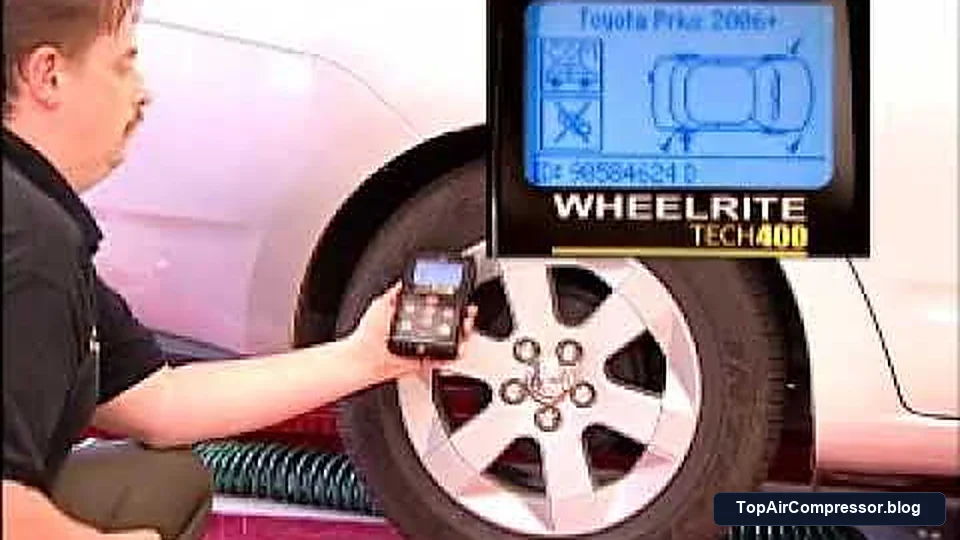
Locate the physical reset button usually situated beneath the steering wheel column or inside the glovebox. Turn the ignition to the on position without starting the engine.
Press and hold the reset switch until the dashboard indicator blinks slowly three times. This action programs the computer to accept your newly established baseline pressures.
Allow the vehicle to drive continuously for several minutes to finalize sensor synchronization. Persistent warning lights indicate potential sensor battery failure or hardware damage.
Locate the TPMS reset button underneath the steering column. Turn the ignition to ON, press and hold the switch until the dashboard indicator blinks slowly, confirming successful sensor recalibration for your Prius.
- Consult owner manuals for specific reset button locations.
- Maintain correct PSI before initiating the calibration sequence.
- Observe dashboard flashing patterns during the reset procedure.
- Inspect wheel sensors if warning lights fail to clear.
Quick Reference Data for Various Prius Generation Models
Different generations of the Toyota Prius incorporate unique weight distributions and chassis designs. Early models generally require thirty-five PSI, while newer editions often recommend thirty-six.
Prius Plug-in and Prime variants carry heavier battery packs, altering rear axle weight dynamics slightly. Manufacturers sometimes specify higher rear pressures to accommodate these heavy electrical components.
Cross-referencing generation specific placards prevents common inflation errors across diverse model years. Always verify specific door jamb stickers rather than relying on generalized generational assumptions.
Documenting seasonal adjustments in a vehicle maintenance log helps maintain optimal operating efficiency. Consistent record-keeping simplifies tire management over the entire ownership lifecycle.
Second and third-generation Prius models generally require 35 PSI front and 33 PSI rear. Newer fourth and fifth-generation variants often specify a uniform 36 PSI setting across all four radials.
- Check specific door placards for Prius Prime variants.
- Compare generation weight ratings before adjusting air volume.
- Maintain accurate logs of historical pressure adjustments.
- Consult certified technicians for unusual load configurations.
Frequently Asked Questions
What is the factory recommended tire pressure for a standard Toyota Prius?
The manufacturer placard typically specifies 36 PSI for both front and rear tires. Always verify this exact number on your specific driver door jamb sticker.
Should I check my Prius tire pressure when the tires are hot or cold?
Always measure tire pressure when the vehicle has been parked for at least three hours. Driving generates internal heat that artificially inflates PSI readings on your gauge.
Why does my Prius TPMS warning light stay on after I add air?
The vehicle computer requires a manual reset procedure to recognize new baseline pressures. Locate the reset button under the dash and hold it until the indicator light blinks.
Can higher tire pressure improve my hybrid fuel economy further?
Over-inflating tires reduces rolling resistance slightly but compromises braking traction and ride comfort. Stick closely to factory specifications to balance fuel economy and safety.
How often should I check the tire pressure on my Toyota Prius?
Inspect your tire pressures at least once a month using a calibrated digital gauge. Seasonal temperature shifts cause natural air loss that requires routine compressor top-offs.