What Oil for Air Compressor Pump?
Choosing the right lubricant protects internal pump components from premature wear. Following strict manufacturer specifications prevents catastrophic thermal breakdown during continuous workshop operation.

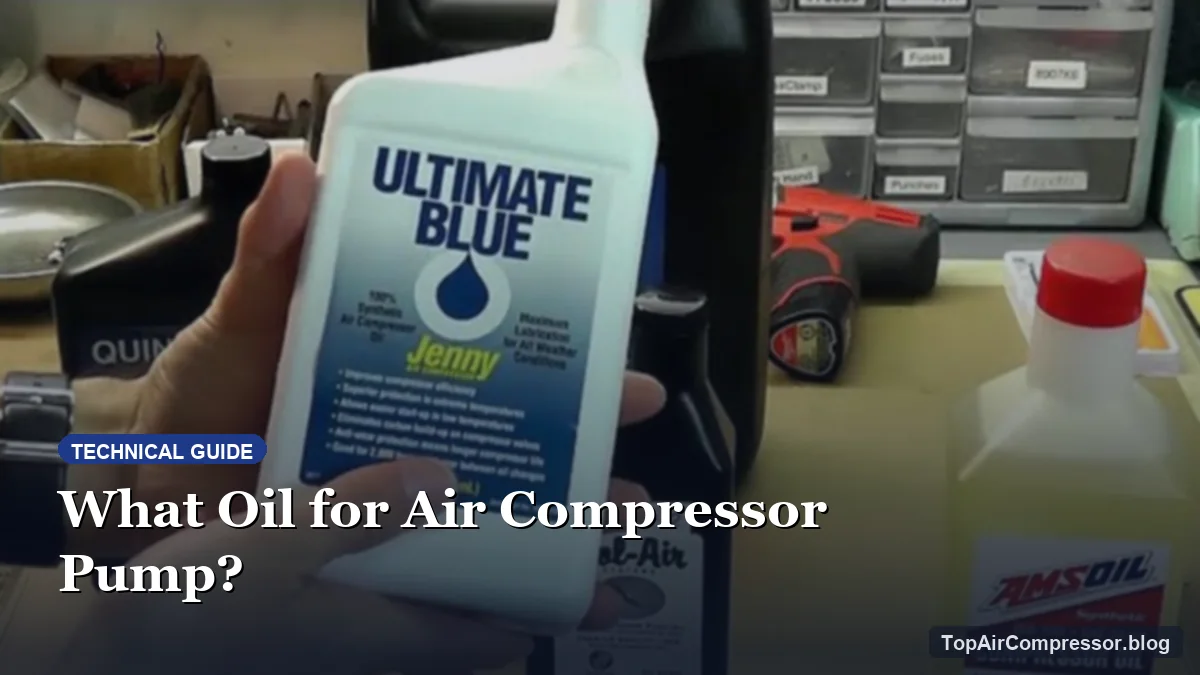
Always use non-detergent ISO 68 compressor oil for standard reciprocating pumps. High-grade synthetic formulations offer superior thermal stability during heavy-duty industrial applications.
Looking for matching picks? See our Best Air Pumps: Top Picks for Reliable Inflation.
Practical Quick-Reference Table
| Scenario / Metric | Recommended Target | Why It Matters |
|---|---|---|
| Standard Workshop | ISO 68 Mineral Oil | Balances cost and wear protection. |
| Cold Weather Shed | ISO 32 Synthetic Oil | Ensures reliable cold-start pump rotation. |
| Heavy Industrial Duty | Full Synthetic ISO 100 | Resists high operating temperatures effectively. |
| Oil-Free Systems | No Lubrication Needed | Uses sealed self-lubricating PTFE rings. |
| Change Interval | Every 500 Run Hours | Removes accumulated metallic debris safely. |
| Sight Glass Level | Center Red Dot | Prevents starvation and hydraulic lock. |
Fundamentals of Mechanical Lubrication inside Reciprocating Pumps
Air compressor pumps rely on continuous oil circulation to minimize internal friction, a vital feature when choosing the best air compressor for car tires to ensure longevity.
Without proper lubrication, intense heat builds up rapidly within the crankcase. This severe thermal expansion leads to catastrophic scoring on vulnerable cylinder walls.
Standard automotive motor oils contain harsh detergents that create excessive carbon buildup. Compressor oils feature special anti-foaming agents and lack ash-producing additives.
Selecting the correct lubricant ensures smooth piston movement and prolonged valve life. Proper viscosity cushions mechanical bearings effectively against heavy cyclic shock loads.
- Never mix synthetic and mineral oils in one crankcase.
- Check oil levels before every daily operational startup.
- Drain spent fluid while the compressor pump is warm.
- Wipe fill ports clean to prevent dirt contamination.
Crankcase Mechanics and Bearing Protection
The crankshaft relies on splash lubrication or positive displacement pumps. These mechanisms fling oil droplets upward to coat wrist pins and connecting rods.
Maintaining correct oil height guarantees that lower bearing races submerge properly. Low fluid levels cause premature bearing failure and excessive vibration.
- Inspect sight glass clarity weekly.
- Clean crankcase breather vents monthly.
Comparing Mineral and Synthetic Formulations for Extreme Workloads
Mineral compressor oils derive from refined petroleum crude sources, offering dependable lubrication for units like the best air compressor for home garage setups operating under normal conditions.
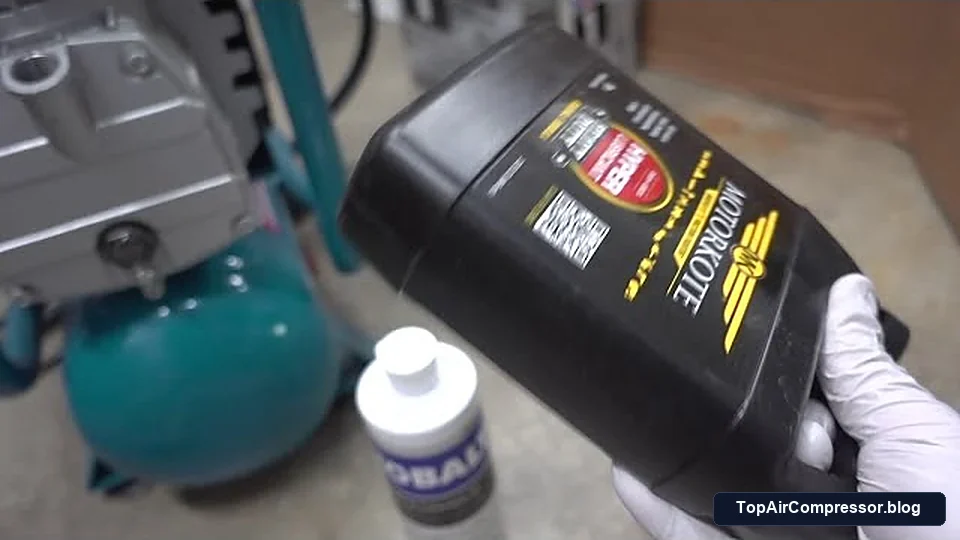
Synthetic oils undergo complex chemical engineering to optimize molecular chain uniformity. This advanced manufacturing process delivers exceptional resistance to severe thermal breakdown.
Synthetic lubricants perform exceptionally well in extreme cold or intense heat. They resist thinning at elevated temperatures and flow freely during winter startups.
While mineral oils require more frequent changes, synthetics extend service intervals safely. Choosing between them depends entirely on your operating environment and duty cycle.
- Synthetic oils reduce carbon deposits on valves.
- Mineral oils cost less for occasional weekend users.
- Synthetics maintain viscosity across wide temperature swings.
- Always flush crankcases when switching oil types.
Thermal Stability and Oxidation Resistance
High operating temperatures cause standard mineral oils to oxidize and form sludge. Synthetic alternatives resist varnish formation on discharge valves.
Reduced varnish accumulation prevents reed valves from sticking open during operation. This ensures maximum volumetric efficiency and prevents pump overheating.
- Monitor discharge air temperatures closely.
- Use synthetic oil for continuous duty cycles.
Video Walkthrough: Choosing The Right Air Compressor Oil
Deciphering Viscosity Grades Based on Ambient Workshop Temperatures
Viscosity measures a fluid's resistance to flow at specific temperatures. Selecting the exact ISO grade ensures proper film strength inside the pump.
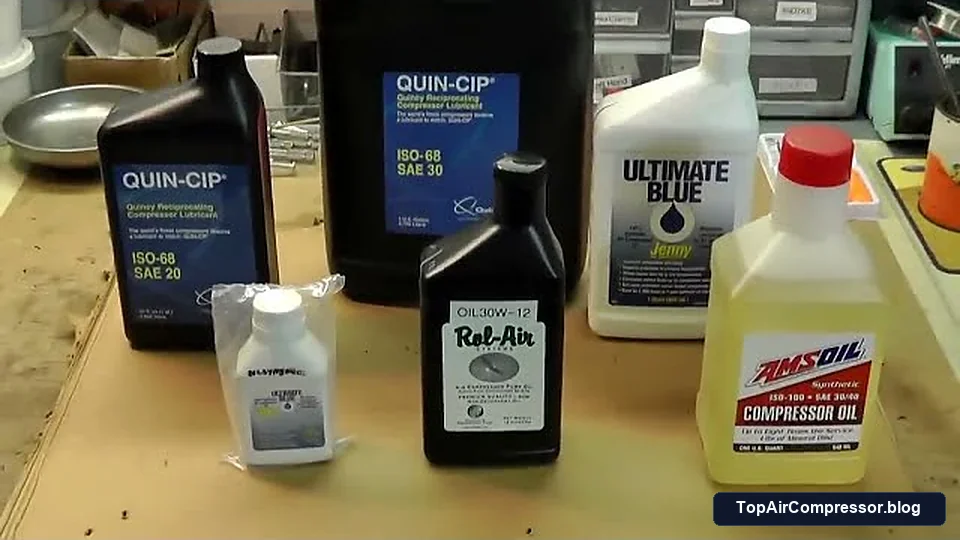
ISO 68 oil is the industry standard for most reciprocating shop compressors. It handles standard ambient temperatures between forty and ninety degrees Fahrenheit.
Colder unheated garages require thinner ISO 32 or ISO 46 oils. Thicker fluids prevent proper startup rotation when ambient temperatures drop below freezing.
Hot industrial environments demand heavier ISO 100 oils to maintain film thickness. Thin oil in extreme heat leads to metal-to-metal contact failure.
- Match viscosity strictly to your local climate.
- Never use multi-weight automotive oils in compressors.
- Check manual for factory viscosity recommendations.
- Adjust oil grade seasonally if temperatures fluctuate wildly.
Understanding ISO Viscosity Standards
The International Organization for Standardization classifies industrial lubricants by viscosity. Higher numbers indicate thicker fluids designed for higher operating loads.
Understanding these numeric designations prevents costly mistakes when purchasing replacement maintenance fluids for your pneumatic workshop equipment.
- Read product data sheets before purchasing.
- Verify kinematic viscosity ratings at forty degrees.
Identifying Oil-Injected Designs Versus Sealed Oil-Free Systems
Piston compressors are manufactured in both oil-lubricated and oil-free configurations. Oil-injected models require liquid lubricant in the crankcase for mechanical protection.
Oil-free compressors use permanently sealed bearings and specialized self-lubricating piston rings. These units cannot accept liquid oil and require no fluid maintenance.
Introducing oil into a designated oil-free pump destroys internal coated components. Always verify your specific compressor designation before attempting any maintenance procedure.
Lubricated pumps offer vastly superior durability and longer service lifespans overall. They suit heavy industrial tasks where continuous air delivery is required.
- Never add oil to oil-free compressor units.
- Check nameplate data to confirm pump type.
- Oil-injected pumps require periodic fluid changes.
- Oil-free models produce oil-free compressed air naturally.
Maintenance Differences Between Pump Types
Oil-lubricated pumps demand regular level checks and complete fluid changes. Oil-free units eliminate fluid tasks but feature shorter overall operating lifespans.
Knowing these structural differences helps operators select the right equipment for dental, painting, or heavy mechanical workshop applications.
- Track running hours meticulously on lubricated units.
- Inspect piston rings on oil-free units annually.
Establishing Standard Maintenance Intervals and Fluid Exchange Routines
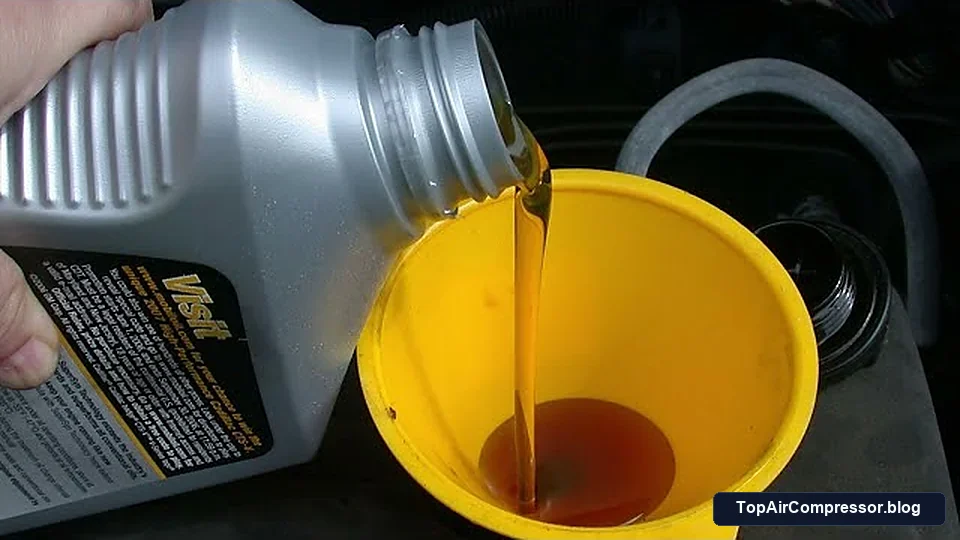
Establishing a strict maintenance schedule prevents premature pump wear and failure. New compressors require an initial oil change after fifty run hours.
Subsequent fluid changes should occur every three to six months of operation. Heavy industrial environments require more frequent fluid replacement cycles.
Always run the compressor for ten minutes before draining old oil. Warm oil flows more easily and suspends harmful metallic contaminants effectively.
Dispose of used compressor oil responsibly according to local environmental regulations. Never pour waste lubricants down drains or onto the ground.
- Change break-in oil at fifty hours.
- Replace mineral oil every 300 hours.
- Extend synthetic changes up to 1000 hours.
- Always replace crush washers on drain plugs.
Flushing Crankcases During Fluid Changes
Heavily contaminated crankcases benefit from a thorough flushing with flushing oil. Never use harsh chemical solvents inside compressor crankcases.
Flushing removes stubborn sludge and metal shavings that standard draining leaves behind. This guarantees clean fluid for your fresh fill.
- Drain flush fluid completely before refilling.
- Inspect magnet on drain plug for debris.
Video Walkthrough: Air Compressor Oil vs Engine Oil: What’s the Difference?
Safe Inspection Methods and Proper Level Verification Protocols
Daily fluid inspections take only seconds but prevent catastrophic pump damage. Locate the sight glass on the side of the pump crankcase.
The correct oil level should sit squarely in the red center dot. Overfilling causes excessive pressure and forces oil past piston rings.
Underfilling starves connecting rod bearings of necessary hydraulic cushioning protection, which you can prevent by consulting our CFM tool sizing calculator before beginning maintenance work.
Use a clean funnel to prevent dirt from entering the crankcase port. Wipe away any spilled oil to keep the pump exterior clean.
- Check oil level on a level surface.
- Never open oil fill plugs under pressure.
- Use manufacturer-approved replacement oil grades only.
- Keep extra oil containers tightly sealed shut.
Spotting Contamination Through Sight Glass Windows
Cloudy or milky oil indicates moisture contamination from condensation. Dark black oil suggests severe thermal breakdown or carbon accumulation.
Immediate oil replacement is mandatory whenever unusual discoloration appears in the sight glass window during routine daily pre-start checks.
- Address condensation issues in humid workshops.
- Investigate sudden oil darkening immediately.
Preventing Common Failures Caused by Incorrect Lubricants
Using improper lubricants accounts for a massive percentage of compressor pump failures. Automotive oils cause heavy carbon deposits on discharge valves.
These carbon deposits hold reed valves open, reducing overall pump efficiency. Extreme heat can even cause fouled valves to crack or shatter.
Hydraulic oils lack specific anti-foaming agents required for crankcases, which can prematurely damage pumps found in the best portable air compressor for tools operating under high loads.
Always stick strictly to dedicated compressor lubricants formulated for reciprocating pumps. Doing so ensures maximum service life and reliable pneumatic tool performance.
- Avoid multi-grade automotive engine oils.
- Never use transmission fluid in compressors.
- Verify ISO grade matches climate conditions.
- Purchase lubricants from reputable industrial suppliers.
Valve Damage and Carbon Accumulation
Improper oils bake onto hot valve plates during intense compression cycles. This thermal degradation restricts airflow and increases electrical motor strain.
Regular maintenance and correct fluid selection eliminate carbon buildup and protect your equipment investment from premature mechanical breakdown.
- Inspect valve plates during annual overhauls.
- Clean carbon gently with approved solvents.
Emergency Troubleshooting for Overheated Compressor Pumps
An overheated compressor pump demands immediate shutdown to prevent seizure. Check the oil level immediately once the machine cools down safely.
Low lubricant levels are the leading cause of sudden pump overheating incidents. Refill with the correct ISO grade before attempting another startup.
Blocked cooling fins or poor workshop ventilation also trigger thermal overload shutdowns. Clean accumulated dust and debris from the pump exterior regularly.
If overheating persists after fluid replenishment, internal bearing damage may have occurred. Consult a qualified technician for a complete mechanical inspection.
- Shut down immediately upon noticing smoke.
- Allow pumps to cool before touching.
- Verify proper belt tension and rotation.
- Ensure adequate clearance around unit housing.
Restoring Seized Pumps After Lubrication Failure
Severe lubrication failure can cause pistons to weld inside cylinder walls. Attempting to force rotation breaks connecting rods and ruins the crankcase.
Professional mechanical rebuilding or complete pump replacement becomes absolutely necessary whenever catastrophic thermal seizure occurs inside your heavy-duty workshop compressor unit.
- Disconnect power before inspecting mechanical damage.
- Evaluate repair costs against replacement pricing.
Frequently Asked Questions
Can I use car oil in my air compressor?
Never use automotive motor oil in your air compressor pump. Automotive oils contain detergents that create carbon buildup on internal discharge valves. Always choose dedicated non-detergent ISO 68 compressor oil to ensure proper thermal protection and longevity.
How often should I change compressor oil?
Change mineral oil every three hundred operating hours or every six months. Synthetic oils can safely extend service intervals up to one thousand hours. Always perform the initial fluid change after the first fifty hours on brand new units.
What happens if I overfill the compressor crankcase?
Overfilling causes excessive internal pressure and forces liquid oil past the piston rings. This excess oil enters the compressed air stream and ruins tools. Always maintain fluid levels precisely in the center of the sight glass red dot.
Is synthetic oil worth the extra cost?
Synthetic oil offers superior thermal stability and resists oxidation much better than mineral oil. This reduces wear during heavy industrial workshop usage. It also flows more freely in cold unheated garages during winter morning startups.
How do I know if my compressor is oil-free?
Check the equipment nameplate or user manual for specific pump designations. Oil-free units feature permanently sealed bearings and cannot accept liquid oil. Attempting to add oil to a sealed oil-free pump will permanently destroy internal components.