What Oil to Use in Piston Air Compressor?
Understanding compressor lubrication prevents premature pump failure. Proper oil selection keeps your pneumatic equipment running efficiently.

Always use non-detergent ISO 100 or ISO 68 compressor oil depending on your ambient temperature. Never substitute standard automotive motor oils in reciprocating pumps.
Looking for matching picks? See our Best Oil Less Air Compressor: Top Picks & Buying Guide.
Practical Quick-Reference Table
| Scenario / Metric | Recommended Target | Why It Matters |
|---|---|---|
| Standard Workshop Temp | ISO 100 Mineral/Synthetic | Provides ideal viscosity film strength between 50°F and 100°F. |
| Cold Ambient Weather | ISO 68 Compressor Oil | Ensures proper pump startup flow when temperatures drop below 40°F. |
| Break-In Period (New Pump) | Initial Fluid Change | Mandatory replacement after the first 50 operating hours to remove metal shavings. |
| Standard Mineral Service | 300 to 500 Hours | Regular replacement interval for conventional petroleum-based compressor lubricants. |
| Synthetic Oil Service | Up to 1,000 Hours | Extended service life for heavy-duty commercial applications and continuous duty cycles. |
| Crankcase Fill Level | Center of Sight Glass | Prevents oil carryover into pneumatic lines while ensuring adequate splash lubrication. |
Fundamental Mechanics of Reciprocating Lubrication

Piston air compressors rely on internal lubrication to reduce friction between moving metal components. Reciprocating pumps generate high thermal stress that standard lubricants cannot handle safely.
The crankcase holds oil that splashes onto the cylinder walls and wrist pins during operation. Proper fluid viscosity ensures a stable protective film coats every high-load contact surface.
When evaluating the best air compressor for home use, proper lubrication prevents excessive friction. Thermal breakdown leads to catastrophic mechanical failure and costly pump replacements.
Modern reciprocating units require specialized formulas with anti-wear additives and rust inhibitors. These chemical packages protect internal components against moisture condensation inside the steel crankcase.
Reciprocating compressors rely on splash lubrication or positive displacement pumps to force fluid across critical friction points. Maintaining an oil film thickness of 1 to 5 microns prevents direct metal-to-metal contact.
During the compression stroke, piston rings seal against the cylinder wall under extreme thermal loads. Proper fluid viscosity ensures a tight pneumatic seal while minimizing drag on the crankshaft journal bearings.
Splash slingers attached to the connecting rod dip into the crankcase reservoir at every rotation. This mechanical action creates an oil mist that coats wrist pins, cylinder walls, and upper valve assemblies.
Without continuous lubrication, friction generates rapid heat that degrades aluminum pistons and cast-iron cylinders. Thermal expansion tolerances in reciprocating units demand a stable lubricant film to prevent catastrophic scoring failure.
- Maintain proper fluid levels before every heavy duty work cycle.
- Inspect crankcase breather ports to prevent internal pressure buildup.
- Avoid mixing different oil brands within the same compressor reservoir.
- Monitor operating temperatures to detect early lubrication breakdown issues.
Critical Splash Lubrication Dynamics
Splash lubrication depends entirely on mechanical dippers attached to the connecting rods. Constant splashing flings oil droplets upward to coat cylinder walls and bearings evenly.
If the oil level drops too low, the dippers fail to reach the fluid reservoir. Immediate starvation causes metal-on-metal contact, ruining the crank journal within minutes.
- Check sight glass windows daily prior to startup.
- Ensure the compressor sits on a completely level surface.
Comparing Mineral Formulations and Synthetic Oils
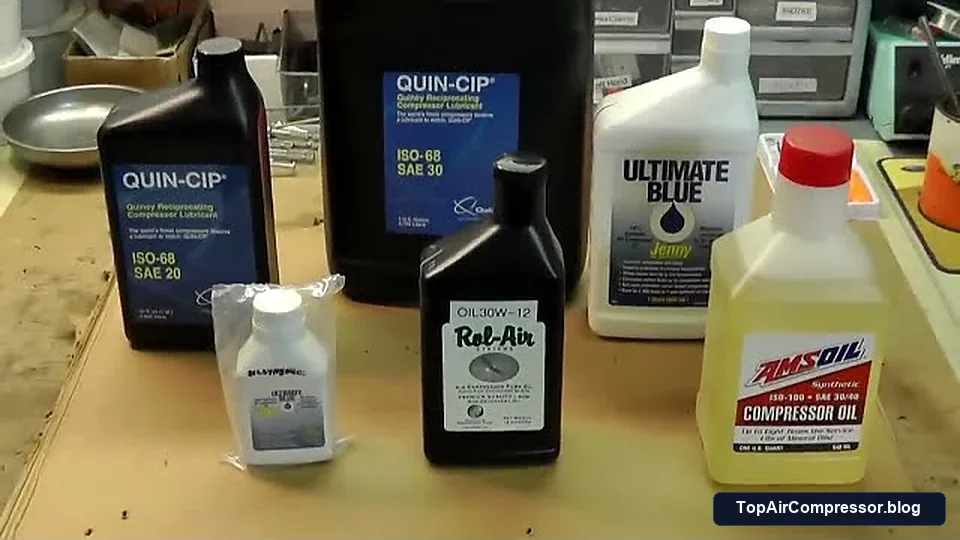
Choosing the best air compressor for continuous use requires robust fluids. Conventional mineral fluids cost less but require more frequent change intervals during heavy use.
Synthetic oils utilize engineered base stocks designed to resist extreme operating temperatures and oxidation. Synthetic formulas offer superior thermal stability and minimize carbon buildup on valve plates.
Reciprocating compressors running in cold winter weather benefit greatly from synthetic multi-grade flow characteristics. Cold weather starting becomes effortless because synthetic oils maintain low viscosity at freezing temperatures.
Selecting between mineral and synthetic options depends primarily on your daily duty cycle intensity. Commercial workshops operating continuously should invest in synthetic oils for maximum equipment longevity.
Conventional mineral oils are refined from crude petroleum and provide reliable lubrication for standard workshop duty cycles. However, they oxidize rapidly when operating temperatures exceed 150 degrees Fahrenheit continuously.
Synthetic formulations utilize chemically engineered base stocks that offer superior resistance to thermal breakdown and carbon formation. These engineered fluids extend service intervals by up to three times standard mineral limits.
Synthetic oils exhibit high viscosity indexes, maintaining stable film strength across wide temperature swings. This property significantly reduces cold-start wear and prevents valve carbonization during heavy commercial applications.
While mineral oils cost less initially, synthetic alternatives reduce long-term maintenance overhead by preventing varnish buildup on reed and disc valves. Choosing the correct base stock protects internal compressor longevity.
- Mineral oils need replacement every three hundred operating hours.
- Synthetics can extend service intervals up to one thousand hours.
- Never mix synthetic and mineral oils inside the same crankcase.
- Flush the system thoroughly when switching from mineral to synthetic.
Video Walkthrough: What’s the Difference between Motor and Compressor Oil?
Navigating Viscosity Grades and Ambient Temperatures
Viscosity dictates how thick or thin a fluid remains under varying operating temperatures. ISO 100 oil suits standard workshop environments where ambient temperatures stay between fifty and one hundred degrees.
Cooler working environments require lower viscosity fluids like ISO 68 oil for proper pump flow. Using oil that is too thick during winter prevents adequate initial component lubrication.
Extremely hot climates demand higher viscosity grades to maintain a protective film under stress. Thermal thinning reduces oil film thickness dangerously if the selected grade is too low.
Always consult your compressor manual to match the factory-recommended viscosity grade precisely. Manufacturer specifications account for internal pump tolerances and operational heat dissipation requirements.
Compressor oils are graded using ISO viscosity standards, with ISO 68 and ISO 100 being the most common for reciprocating units operating in standard workshop environments.
Ambient temperature dictates the required fluid weight to ensure proper flow during startup. Operating in unheated winter sheds requires lower viscosity oils like ISO 32 to prevent motor overload.
Conversely, high ambient temperatures above 90 degrees Fahrenheit demand heavier oils to maintain adequate film thickness under severe thermal stress and prevent internal pressure loss.
Always consult the manufacturer nameplate for specific viscosity recommendations tailored to your pump displacement and operating climate conditions. Using incorrect viscosity causes premature ring wear.
- ISO 68 works best for ambient temperatures below forty degrees.
- ISO 100 handles standard shop temperatures up to one hundred degrees.
- Measure ambient shop temperatures before choosing seasonal fluid grades.
- Verify viscosity indices match the exact pump displacement demands.
Why Automotive Motor Oils Damage Compressors
When reviewing the best oil lubricated air compressor models, note that operators often mistakenly pour automotive motor oil into crankcases. Automotive detergents create excessive carbon deposits.
Car engines operate at different internal temperatures and pressures than high-stress pneumatic air pumps. Motor oil additives burn into sticky varnish instead of vaporizing cleanly through the discharge valves.
Compressors run much hotter than internal combustion engines, causing motor oils to break down rapidly. Rapid oxidation results in sludge formation that clogs intake filters and restricts airflow.
Dedicated compressor oils feature ashless formulations designed specifically for high-pressure pneumatic compression cycles. Ashless technology prevents harmful carbon buildup on reed valves and piston heads.
Automotive motor oils contain detergent and dispersant additives designed to trap combustion byproducts suspended in internal combustion engines. These additives create ash deposits on compressor discharge valve plates.
Unlike automotive engines, reciprocating compressors operate at higher continuous discharge temperatures without an oil filter. Detergent packages react with moisture to form stable emulsions that clog intercoolers.
Multi-weight automotive oils rely on polymeric viscosity index improvers that shear down under mechanical pressure. This breakdown reduces lubricating film strength and accelerates cylinder wall wear.
Using automotive oil often voids manufacturer warranties due to carbon buildup and varnish accumulation on critical moving parts. Always select non-detergent or compressor-specific ashless lubricants.
- Motor oil detergents trap moisture inside compressor crankcases.
- Valve carbonization leads to dangerous compressor overheating events.
- Compressor oils lack the friction modifiers found in car oils.
- Always use non-detergent oils rated specifically for reciprocating machinery.
Established Maintenance Schedules and Oil Changes
Routine fluid changes remove accumulated metallic debris and moisture from the compressor crankcase. First oil changes on new pumps are mandatory after the initial fifty break-in hours.
Standard mineral oils require replacement every three hundred to five hundred running hours. Synthetic oils extend service intervals up to one thousand hours depending on operating conditions.
Drain the crankcase immediately after running the compressor while the fluid is warm. Warm fluid draining carries away suspended contaminants and microscopic metal shavings much more effectively.
Clean the magnetic drain plug thoroughly to remove trapped iron particles before refilling. Fresh fluid refills must match the exact fluid capacity specified on your pump housing.
Initial break-in oil must be drained after the first 50 operating hours to flush out microscopic metallic wear particles generated during factory component seating.
For standard mineral oils, subsequent changes should occur every 300 to 500 operating hours or at least once annually, depending on shop humidity levels.
Synthetic compressor oils typically extend drain intervals to 2,000 or 4,000 hours, drastically reducing downtime in busy industrial maintenance facilities and commercial repair shops.
Always drain the oil while the pump is warm to ensure complete removal of suspended contaminants and accumulated moisture from the crankcase bottom drain plug.
- Change oil immediately if milky discoloration indicates water contamination.
- Dispose of used compressor oil responsibly at local recycling centers.
- Keep detailed maintenance logs tracking every completed fluid service date.
- Inspect the breather cap during every scheduled oil service window.
Evaluating Environmental and Thermal Operating Factors
Operating environments heavily influence how long your compressor oil retains its protective qualities. High humidity introduces water vapor into the intake, causing rapid fluid emulsification and rust.
Dusty job sites pull airborne particulate matter past air filters into the crankcase. Contaminated oil acts like a liquid sandpaper, wearing down cylinder walls and piston rings prematurely.
Adequate shop ventilation prevents excessive ambient heat buildup around the compressor pump head. Excessive heat causes thermal breakdown, thinning the oil film beyond safe operating limits.
Protect outdoor compressors from direct sunlight and rain to maintain stable internal temperatures. Environmental shielding extends both fluid lifespan and overall mechanical component reliability significantly.
High humidity environments introduce moisture into the crankcase through ambient air intake during the compression stroke. This water condenses and mixes with the oil, creating a milky fluid emulsion.
Dusty jobsite conditions require rigorous intake air filtration to prevent abrasive silica particles from entering the crankcase and destroying the oil lubricating film.
Operating a compressor above its rated duty cycle generates excessive heat that accelerates thermal oxidation of the fluid. Maintaining a 70/30 duty ratio prevents premature oil breakdown.
Poorly ventilated compressor rooms trap ambient heat, raising crankcase temperatures beyond safe operating limits. Ensure at least 18 inches of clearance around unit enclosures for airflow.
- Install high-efficiency intake filters in dusty construction environments.
- Use moisture traps and air dryers in humid coastal locations.
- Maintain clear clearance around cooling fins for proper airflow.
- Monitor running duty cycles to prevent continuous thermal overload.
Diagnostic Procedures for Checking and Topping Off
Regular fluid inspections prevent catastrophic pump failures caused by low oil levels. Sight glass checks should occur daily before powering on your reciprocating compressor system.
After consulting our cfm tool sizing calculator to match pneumatic demands, ensure the oil level sits directly in the center of the indicator. Overfilling the crankcase causes excessive oil carryover.
If the fluid appears dark, cloudy, or metallic, perform a complete oil change immediately. Discolored oil indicates severe thermal breakdown or internal moisture contamination requiring urgent attention.
When topping off, always add the exact same brand and viscosity grade currently used. Mixing oil types can cause chemical reactions that degrade the lubricating film strength.
Always inspect the oil sight glass before every daily startup to verify that fluid levels sit between the center and upper red dots.
Never mix different oil brands or viscosity grades when topping off the crankcase reservoir, as incompatible chemical additives can cause sludge formation and foaming.
If the oil appears dark brown or smells burnt, perform an immediate oil change and inspect internal valves for signs of excessive operating heat.
Check for external leaks around the crankcase gasket, crankshaft oil seals, and sight glass threads during your weekly preventive maintenance equipment walk-around inspections.
- Turn off and unplug the compressor before opening fill ports.
- Wipe away dust around the fill plug before opening.
- Pour fluid slowly using a clean funnel to avoid spills.
- Check for external crankcase leaks around gaskets and seals.
Technical Standards and Quality Certification Systems
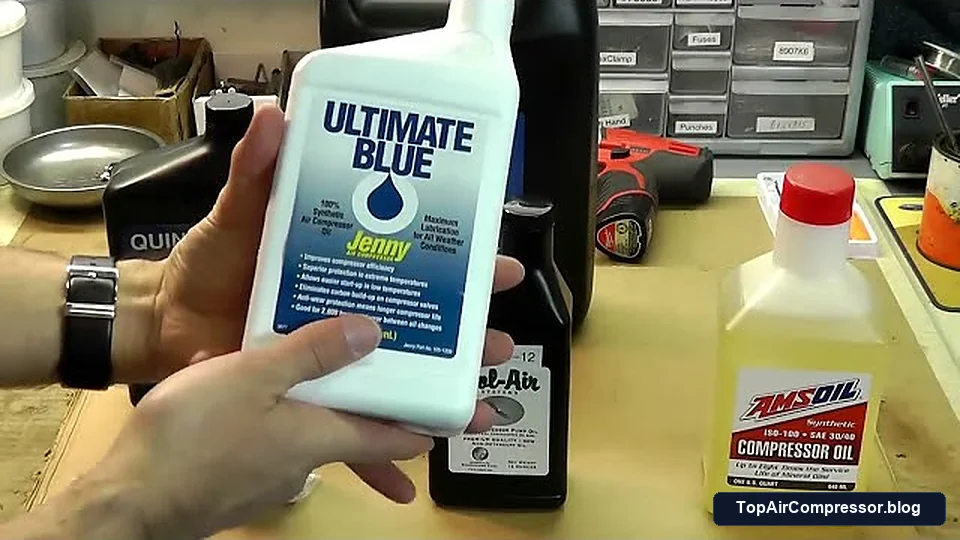
Industrial compressor oils must meet strict ISO viscosity classifications and performance standards. ISO certifications guarantee consistent fluid thickness and reliable performance across varying operating temperatures.
Look for lubricants featuring rust and oxidation inhibitor packages certified by independent testing laboratories. R&O ratings confirm the fluid protects internal steel components against corrosive moisture attacks.
Premium compressor fluids often carry DIN standards compliance for heavy-duty industrial pneumatic applications. DIN compliance ensures the oil withstands high-pressure compression without forming hazardous varnish deposits.
Selecting certified compressor oils protects your equipment investment and ensures optimal volumetric efficiency. Certified lubricants maximize pump lifespan while minimizing unexpected maintenance downtime in your workshop.
Quality compressor lubricants meet rigorous industrial specifications set by organizations like ISO, DIN, and major OEM equipment manufacturers. Look for DIN 51506 VDL ratings for heavy-duty service.
Food-processing facilities require specialized NSF H1 registered food-grade compressor oils that withstand incidental contact while meeting strict FDA regulatory compliance standards.
Flash point specifications matter significantly; high-quality synthetic compressor oils feature flash points exceeding 450 degrees Fahrenheit to minimize fire risks.
Review the technical data sheet for demulsibility ratings, ensuring the fluid separates rapidly from condensed moisture to prevent rust on internal iron components.
- Verify ISO grade numbers match your manufacturer equipment manual.
- Choose oils with proven anti-foam additive performance packages.
- Avoid unbranded or generic oils lacking technical performance specifications.
- Check technical data sheets for flash point and pour point ratings.
Frequently Asked Questions
Can I use motor oil in my piston compressor?
Using automotive motor oil in a reciprocating air compressor is a severe mechanical mistake because standard automotive detergents create hazardous carbon deposits on high-temperature valve plates during continuous operation.
You must always select dedicated non-detergent ISO 100 compressor oil to prevent dangerous internal overheating and catastrophic pump failure across your workshop.
What is the difference between mineral and synthetic compressor oil?
Mineral and synthetic compressor oils differ primarily in their refined base stock chemistry and resistance to extreme thermal breakdown during demanding heavy duty industrial cycles.
Synthetic formulations provide superior lubrication in freezing weather and extend maintenance service intervals significantly compared to standard mineral petroleum alternatives operating in harsh commercial shops.
How often should I change the oil in my compressor?
How often should I change the oil in my piston compressor pump? Brand new pumps require an initial fluid change after fifty hours of break-in operation.
Standard mineral oils then need replacement every three hundred running hours, while high-quality synthetics last up to one thousand hours under normal conditions.
What viscosity grade oil do I need for standard workshop temperatures?
What viscosity grade oil is appropriate for standard workshop temperatures? An ISO 100 grade oil is ideal for ambient temperatures ranging between fifty and one hundred degrees Fahrenheit.
Cooler environments below forty degrees require a lighter ISO 68 fluid grade to ensure proper cold weather pump flow.
Why does my compressor oil turn milky?
Why does my compressor oil turn milky or cloudy over time? Milky oil indicates that moisture condensation has mixed with the lubricant inside the crankcase due to high ambient humidity or short operating cycles.
You must immediately drain the contaminated fluid, clean the reservoir, and refill with fresh oil to protect internal components.