What Pressure to Pump Car Tyres?
Maintaining proper vehicle tyre pressure is critical for maximizing fuel economy, ensuring safe handling, and preventing premature tread wear during everyday driving conditions.

Always reference your vehicle placard located inside the driver door jamb rather than the maximum rating printed directly on the tyre sidewall.
Looking for matching picks? See our Best Car Tyre Inflator Air Compressor Pump: Top Picks Reviewed.
Practical Quick-Reference Table
| Scenario / Metric | Recommended Target | Why It Matters |
|---|---|---|
| Passenger Car Front Tyre | 32 to 35 PSI | Ensures balanced steering response |
| Light Truck Rear Tyre | 35 to 40 PSI | Supports heavier cargo payloads |
| Compact Spare Tyre | 60 PSI | Provides emergency backup capability |
| Bar to PSI Conversion | 1 Bar = 14.5 PSI | Prevents incorrect metric inflation |
| Minimum Tread Depth | 2/32 of an inch | Maintains safe wet road traction |
| DOT Age Limit | 6 years maximum | Prevents sudden rubber sidewall failure |
Understanding Factory Vehicle Tyre Pressure Specifications
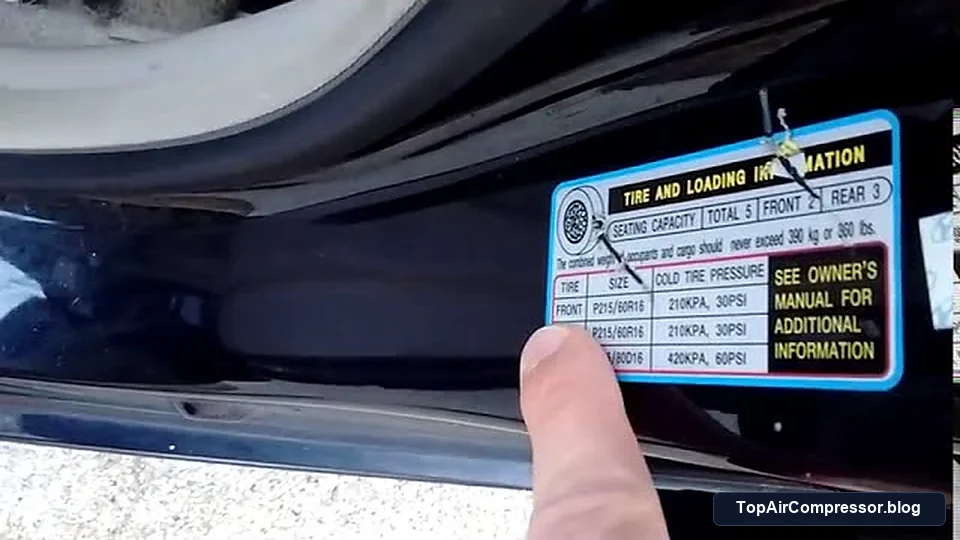
Vehicle manufacturers calculate exact tyre inflation requirements based on total vehicle weight, suspension geometry, and expected maximum load capacities to ensure optimal safety.
You should never rely on generic numbers when inflating your tyres because different vehicle models require specific PSI ratings. For system requirements, consult our CFM tool sizing calculator alongside your axle specs.
Cold inflation pressure means measuring the tyres before the vehicle has been driven or when it has rested for at least three hours.
Checking warm tyres gives artificially high pressure readings due to friction heat generated during travel, which leads to dangerous under-inflation once the rubber cools down completely.
Factory tyre pressure specifications are calculated by automotive engineers to balance load capacity, braking traction, and ride comfort. You should always inspect the placard on the driver door jamb rather than reading sidewall maximums.
The maximum pressure listed on the tyre sidewall represents a structural limit, not the ideal operating target. Operating at vehicle manufacturer guidelines ensures optimal contact patch distribution across varying ambient temperatures and load conditions.
Commercial vehicles and heavy-duty trucks often require distinct front and rear axle pressures. Ignoring these deliberate chassis imbalances can negatively alter steering response and accelerate premature tread wear across specific tyre shoulders.
Environmental temperature fluctuations directly impact internal air density within your assemblies. Expect pressure to drop by approximately one to two PSI for every ten-degree drop in outdoor ambient temperature measurements.
- Locate the white and yellow placard inside the driver door pillar.
- Never exceed the maximum pressure listed on the tyre sidewall.
- Adjust pressures higher if carrying heavy cargo or towing trailers.
- Check cold tyres early in the morning before direct sunlight hits.
Finding Correct Axle Pressures
Some vehicles feature different recommended pressures for front and rear wheels depending on engine placement and weight distribution balance across the chassis.
Always consult the official owner manual if your door jamb sticker is missing or damaged to maintain proper vehicle handling dynamics on wet roadways.
- Inspect rear axle specs for towing.
- Verify front specs for engine weight.
Converting Between PSI, Bar, and Kilopascals Precisely
When choosing equipment from our best air compressor for car tyres lineup, international pressure measurements often cause confusion when reading foreign technical manuals and detailed vehicle specification data sheets.
One bar equals approximately 14.5038 pounds per square inch, making quick mental conversions necessary for achieving precise inflation work in your home garage.
Kilopascals represent another common standard metric scale, where one bar equals exactly one hundred kilopascals for straightforward mathematical conversion calculations during equipment setup.
Digital pressure gauges often let you toggle measurement units instantly, completely eliminating potential math errors when setting up your portable air compressor workshop equipment.
Accurate conversions between pressure units prevent dangerous under-inflation errors during routine maintenance. One bar equals approximately 14.5038 PSI, which serves as the primary mathematical multiplier for metric gauge readouts found globally.
Kilopascals offer extreme precision by dividing standard bar measurements into increments of one hundred. A standard pressure of thirty-two PSI converts cleanly to 220.63 Kilopascals, matching international dashboard readout standards quite reliably.
Digital inflators often feature a toggle button that cycles through PSI, Bar, and KPA instantly. Utilizing precise digital readouts eliminates manual conversion errors when interpreting foreign technical manuals or imported vehicle placards.
Always calibrate your mechanical dial gauges periodically against a certified master reference tool. Minor spring fatigue can introduce a two to four PSI measurement drift that compromises overall driving safety margins.
- Multiply bar by 14.5 to find PSI equivalents.
- Divide kilopascals by 100 to determine bar value.
- Use digital gauges to switch units automatically.
- Verify gauge calibration regularly against a reference tool.
Video Walkthrough: How to Pump Your Car Tyres According to Your Specification Car
Step-by-Step Procedure for Safe Tyre Inflation
Proper inflation technique prevents rubber valve stem damage and ensures a secure mechanical seal while pumping compressed air into your everyday vehicle tyres.
Remove the small plastic valve cap carefully and store it in a secure location where it will not get lost in garage dirt.
Press the air chuck firmly straight onto the metal valve stem until the loud escaping hiss of air stops completely during inflation.
Monitor your inline pressure gauge closely and release the trigger or compressor switch the exact moment you reach your target PSI specification.
Park your vehicle on a flat, level surface and ensure the engine is completely turned off. Remove the plastic valve cap carefully and inspect the internal Schrader valve core for any visible debris or corrosion.
Push your air compressor chuck firmly onto the valve stem until escaping air stops. Secure equipment from our best car tyre inflator air compressor pump roundup for an airtight seal.
Monitor the pressure gauge closely while delivering bursts of compressed air into the cavity. Avoid rapid over-inflation, which places unnecessary stress on the internal rubber inner liners and steel structural belts.
If you accidentally over-pressurize the assembly, use the deflation button to bleed air out slowly. Recheck the final reading with a standalone handheld gauge to verify absolute pressure accuracy before driving.
- Always secure the valve cap back onto the stem.
- Avoid over-inflation to prevent harsh ride quality.
- Check for leaks using soapy water if pressure drops.
- Keep inflator hoses clear of sharp metal edges.
Maintaining Optimal Pressure Using Quality Air Compressors
Owning a reliable tool from our best air compressor for car tires guide allows you to maintain correct vehicle tyre pressure conveniently without visiting busy roadside fuel filling stations.
Tankless portable inflators require continuous running during inflation cycles, so always monitor motor temperature carefully to prevent thermal overload during heavy vehicle use.
Direct-drive units connect straight to your vehicle battery terminals, delivering adequate high electrical current for rapid inflation of large heavy SUV tyres.
Regular routine maintenance of your air compressor hose and brass quick-connect fittings prevents annoying pressure leaks and ensures long equipment operating lifespans.
Selecting a dependable 12V or 120V air compressor guarantees reliable inflation sessions in your home garage. Look for units featuring thermal overload protection to prevent motor burnout during prolonged multi-tyre inflation cycles.
Inline moisture traps are essential accessories that prevent condensed water vapor from entering your tyre assemblies. Trapped liquid water accelerates internal rim corrosion and degrades the structural rubber compound integrity over time.
Inspect your air hose fittings regularly for microscopic cracks or loose brass quick-disconnect couplers. A leaking hose connection reduces operational efficiency and forces your compressor motor to run past its duty cycle limits.
Store your equipment in a climate-controlled environment to protect sensitive digital pressure sensors from extreme cold. Proper storage extends pump longevity and maintains consistent calibration accuracy for future maintenance tasks.
- Inspect power cables for frayed insulation regularly.
- Store equipment in dry conditions away from moisture.
- Lubricate mechanical quick-couplers with approved light oil.
- Test pressure gauge accuracy against a certified standard.
The Role of Modern Tyre Pressure Monitoring Systems
Direct tyre pressure monitoring systems use physical radio frequency sensors mounted inside each wheel to broadcast live pressure data directly to your dashboard.
Indirect systems monitor wheel speed variations via anti-lock braking wheel sensors, alerting drivers when one wheel rotates faster due to sudden deflation.
Dashboard warning lights typically illuminate whenever tyre pressure drops twenty-five percent below the manufacturer recommended baseline specification for your specific passenger vehicle.
Always reset your electronic monitoring system after adjusting tyre pressures to ensure the onboard computer correctly recognizes the new baseline reference values properly.
Direct TPMS utilizes dedicated radiofrequency sensors mounted directly inside each wheel assembly to measure pressure. These battery-powered units transmit real-time data straight to your dashboard display module for continuous monitoring.
Indirect TPMS measures rotational wheel speeds through your vehicle anti-lock braking system sensor rings. When a tyre loses air, its overall rolling radius decreases, triggering a low pressure warning indicator light.
Federal regulations mandate functional monitoring systems on all passenger vehicles manufactured after two thousand seven. Drivers must understand that these systems alert you to significant drops rather than providing precise inflation targets.
Always perform manual pressure checks monthly rather than relying solely on dashboard warning lights. TPMS sensors typically illuminate only after a pressure loss exceeding twenty-five percent of factory specification standards.
- Check sensors during seasonal temperature drops.
- Replace dead sensor batteries during tyre replacement.
- Perform system calibration procedures outlined in your manual.
- Never ignore persistent dashboard low-pressure warning alerts.
Recognizing DOT Codes and Inspecting Tyre Tread Wear
Department of Transportation codes stamped on tyre sidewalls reveal the manufacturing week and year for crucial safety evaluation and rubber aging purposes.
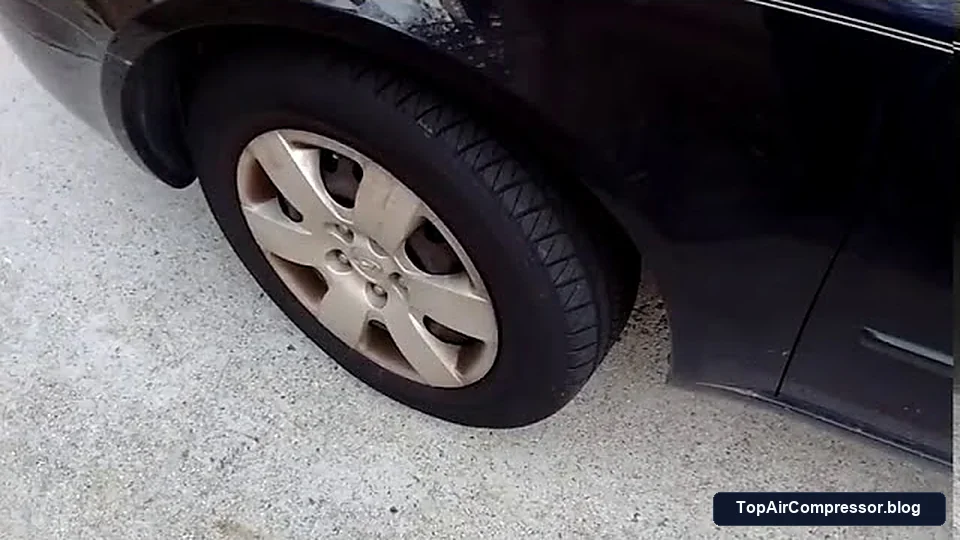
Rubber compounds degrade over time regardless of remaining tread depth, making old tyres dangerous even if they look visually acceptable from the outside.
Inspect tread depth regularly using a physical depth gauge or coin test to ensure adequate water channeling capability during heavy highway rainstorms.
Severe uneven tread wear patterns indicate wheel alignment issues or incorrect inflation pressures that require immediate mechanical correction to prevent dangerous highway blowouts.
Locate the Department of Transportation serial code stamped neatly into the lower sidewall rubber. The final four digits reveal the manufacturing date, with the first two representing the production week and last two the year.
Inspect your tread depth regularly using a dedicated gauge or the classic penny test method. Uneven wear patterns across the tread face often indicate chronic improper inflation pressures or misaligned suspension geometry.
Center tread wear typically signals persistent over-inflation, which reduces the effective tyre contact patch area. Conversely, heavy shoulder wear points toward long-term under-inflation habits that generate excessive internal casing heat.
Check the tyre sidewalls thoroughly for hairline cracking, deep bulges, or embedded foreign sharp objects. Any structural sidewall compromise requires immediate replacement to prevent catastrophic blowout events at highway speeds.
- Look for four-digit DOT manufacturing date codes.
- Replace tyres older than six years regardless of wear.
- Check inner and outer tread blocks for feathering.
- Maintain proper inflation to promote even tread wear.
Knowing When Professional Garage Servicing Is Required
While routine air inflation is easy at home, certain complex repair situations require professional garage equipment and trained technician expertise for maximum safety.
Persistent slow air leaks caused by dangerous sharp punctures in the tyre sidewall cannot be safely patched and require complete tyre replacement immediately.
Professional certified automotive mechanics can also thoroughly diagnose bent metal wheel rims or faulty bead seals that cause chronic pressure loss over several days.
Visiting a trusted local auto garage for professional wheel balancing ensures smooth vehicle handling and prevents annoying vibration at high highway cruising speeds.
Certain tyre conditions demand professional technician intervention rather than simple DIY compressed air top-offs. Punctures located outside the central tread block cannot be safely repaired using standard plug patches.
If your wheels continually lose more than two PSI weekly, a slow leak is present. Professional service shops will submerge the wheel assembly in water to locate microscopic bead leaks or valve stem defects.
Persistent vibration at highway speeds combined with correct pressure points toward wheel balancing issues. Certified technicians use dynamic spin balancers to correct weight imbalances and eliminate annoying steering wheel shimmy.
Professional alignment checks should be scheduled annually or after hitting severe potholes on local roadways. Proper alignment preserves your tyre investment and ensures predictable handling dynamics during emergency braking maneuvers.
- Consult technicians for punctures within tread repair zones.
- Balance wheels whenever new tyres are installed.
- Check suspension components during routine tyre rotations.
- Have bent rims professionally straightened or replaced.
Frequently Asked Questions
How often should I check my tyre pressure?
Check your tyre pressures at least once a month using a reliable digital gauge. Always perform checks when the rubber is completely cold.
What happens if I over-inflate my car tyres?
Over-inflation reduces the contact patch on the road surface, causing harsh ride quality. It also accelerates center tread wear and reduces overall traction.
Can I check tyre pressure immediately after driving?
Driving generates friction heat that increases internal air pressure artificially. Wait at least three hours before measuring or adjusting your cold tyre inflation levels.
Why does tyre pressure drop during winter weather?
Cold ambient temperatures cause air molecules inside the tyre to contract and lose pressure. You typically lose one PSI for every drop in temperature.
Should I increase tyre pressure when towing a heavy trailer?
Yes, towing heavy loads increases tyre stress significantly. Consult your vehicle owner manual to find specific rear axle pressure increases recommended for towing.