What PSI Should My Ford Fiesta Tyres Be?
Maintain correct tire inflation for safety, braking performance, and fuel economy. Check cold pressures regularly using a reliable digital gauge.

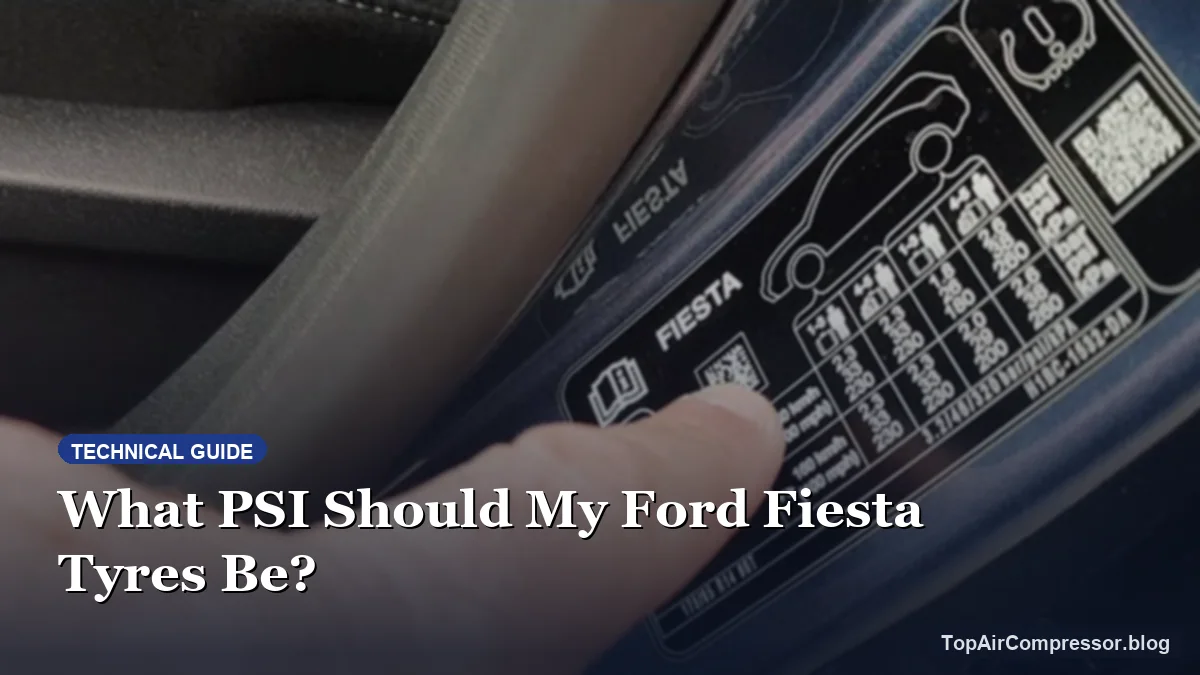
Most standard Ford Fiesta tires require between 32 and 35 PSI depending on passenger load, cargo weight, and specific factory trim level specifications.
Looking for matching picks? See our Best Tyre Air Compressor: Top Picks for Reliable Roadside Safety.
Practical Quick-Reference Table
| Scenario / Metric | Recommended Target | Why It Matters |
|---|---|---|
| Standard Load (Front) | 32 PSI | Ensures balanced steering response and even tread wear. |
| Standard Load (Rear) | 32 PSI | Maintains proper rear-axle stability during sudden maneuvers. |
| Full Load (Front) | 35 PSI | Prevents excessive sidewall deflection under heavy cargo weight. |
| Full Load (Rear) | 38 PSI | Supports increased passenger weight and luggage safely. |
| Compact Spare Tire | 60 PSI | Guarantees emergency readiness during unexpected roadside punctures. |
| Eco / Fuel Saver | 36 PSI | Minimizes rolling resistance to maximize highway fuel efficiency. |
Determining Standard Ford Fiesta Inflation Pressures
Maintaining proper tire pressure on your compact hatchback ensures optimal handling stability. Underinflated rubber increases rolling resistance, accelerating tread wear and reducing fuel economy significantly.
Standard factory specifications usually hover around 32 PSI for everyday driving. When selecting inflation gear, reviewing metrics via our cfm vs psi guide helps clarify pressure output capabilities.
Always verify these baseline figures against the manufacturer placard located on the driver side door jamb. Generic internet averages serve as quick guides, but your exact trim dictates absolute safety limits.
Checking pressures when tires are completely cold prevents misleading readings caused by frictional heat buildup. Driving even a short distance warms the air inside, artificially elevating gauge measurements.
- Measure cold tires before morning commutes or after three hours of parked rest.
- Verify load ratings match your specific passenger and cargo weight expectations.
- Keep a digital pressure gauge inside your glove compartment for rapid weekly checks.
- Never bleed air from warm tires following high-speed highway driving sessions.
High-Speed and Full-Load Adjustments
When carrying maximum passenger capacity or heavy cargo, manufacturers recommend increasing cold inflation values. Adding 3 to 5 PSI prevents structural sidewall flexing during aggressive cornering maneuvers.
Sustained interstate speeds also benefit from slightly elevated pressures to control operating temperatures. Consult your vehicle manual before embarking on long cross-country road trips.
- Increase PSI incrementally until reaching heavy-load door placard thresholds.
- Inspect tread wear patterns regularly to confirm even contact patches.
Variations Across Generation Eras and Trim Levels
Different generations feature unique suspension setups and curb weights. When powering pneumatic tools for maintenance, utilizing our cfm tool sizing calculator prevents pressure drops.
Larger alloy wheels paired with low-profile tires require specific pressure balancing to prevent rim damage. Thinner sidewalls transmit more impact shock from potholes, making accurate inflation critical.
Base models featuring steel wheels and taller sidewalls absorb minor road imperfections more forgivingly. However, neglecting proper maintenance still leads to uneven shoulder wear and reduced braking efficiency.
Always cross-reference your specific model year handbook to account for mid-generation engineering updates. Ford frequently adjusts recommended thresholds based on real-world durability testing data.
- Performance ST trims often utilize higher front pressure limits for cornering bite.
- Base models emphasize ride comfort with slightly softer baseline inflation setups.
- Aftermarket wheel upgrades invalidate factory placard numbers immediately.
- Consult specialized enthusiast databases when running non-standard tire dimensions.
Handling Performance ST Variants
The sporty ST configuration demands specialized attention due to its stiffer suspension architecture. Running incorrect pressures diminishes front-wheel traction during hard acceleration out of tight corners.
Maintain strict adherence to the specialized door placard found exclusively on high-performance models. This guarantees optimal contact patch geometry during spirited driving conditions.
- Check performance rubber pressures more frequently due to aggressive compound usage.
- Monitor inner and outer shoulder wear for signs of incorrect alignment.
Video Walkthrough: What’s the optimal tire pressure in Ford Fiesta MK7
Decoding Sidewall Markings and Door Placard Specs
The tire sidewall displays the maximum allowable pressure limit, which is not your recommended operating target. Calculating proper flow rates using our scfm vs cfm comparison ensures efficient tool performance.
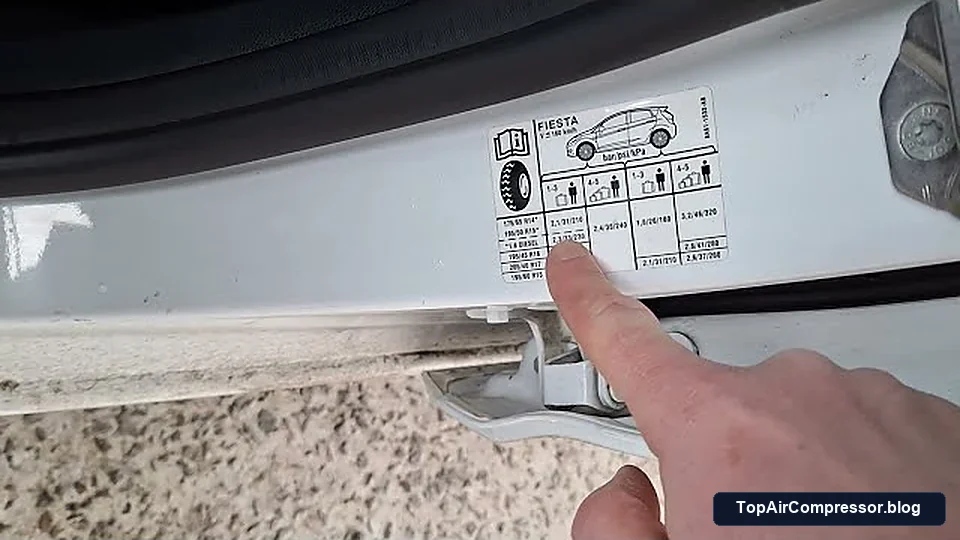
The yellow and white vehicle placard on the driver door opening provides the true engineering standard. Ford engineers calculated these exact figures specifically for your chassis weight distribution.
Comparing sidewall maximums with door placard targets prevents common inflation errors among new vehicle owners. Always defer to the chassis manufacturer rather than the tire manufacturer specifications.
Understanding these metric indicators ensures you select replacement tires matching original load index requirements. Installing inferior load capacities risks catastrophic blowout incidents under heavy loads.
- Never inflate tires to the maximum PSI printed directly on the rubber sidewall.
- Locate the official vehicle placard on the inner B-pillar of the driver door.
- Verify load index numbers match or exceed original factory equipment ratings.
- Replace aging rubber showing sidewall cracking regardless of remaining tread depth.
Interpreting Metric Tire Size Codes
Sidewall codes such as 195/55R15 denote section width, aspect ratio, and rim diameter. Each dimension influences the ideal air volume required to support vehicle weight safely.
Lower aspect ratio tires possess less internal air volume, requiring vigilant monitoring to prevent sudden rim impacts during severe road hazards.
- Width is measured in millimeters from sidewall to outer sidewall.
- Aspect ratio represents sidewall height as a percentage of section width.
Operating Portable Air Compressors for Accurate Fills
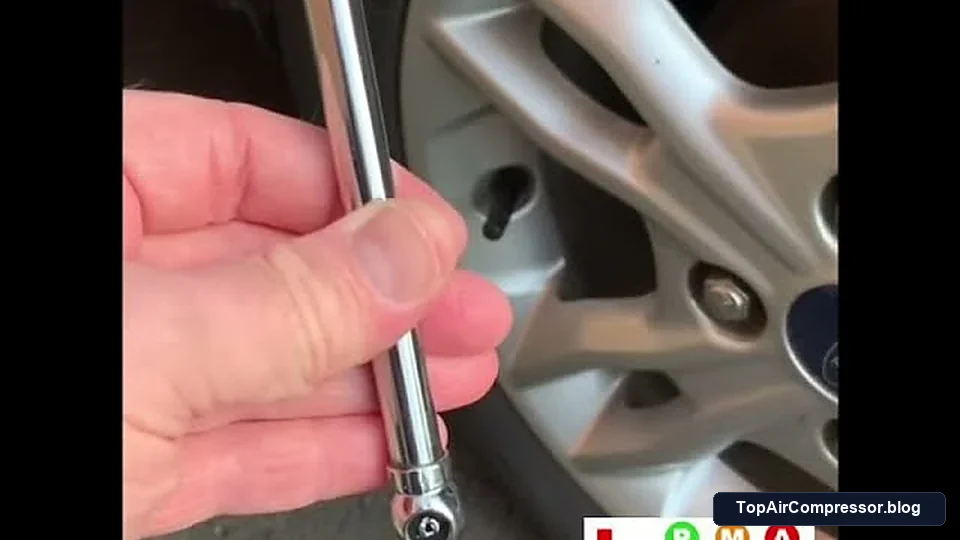
Using a quality 12V portable air compressor allows you to service tires conveniently at home. For heavy shop duties, exploring top 200 psi air compressor options provides the necessary power.
Many modern portable inflators feature digital automatic shut-off technology to prevent accidental over-inflation. Simply program your desired target PSI and let the unit complete the cycle.
Monitor the inline pressure gauge carefully if operating manual compressor units without automatic cutoffs. Overfilling forces you to bleed air manually, complicating the precise adjustment process.
Store your compressor in a dry compartment to protect internal electrical components from moisture corrosion. Regular equipment testing ensures readiness during roadside emergencies.
- Attach the compressor hose firmly to prevent threaded valve damage.
- Set digital inflators to the exact door placard target value.
- Allow portable pumps to cool down between multi-tire inflation sessions.
- Check valve stem cores for leaks using soapy water periodically.
Managing Power Sources and Duty Cycles
Most portable units plug directly into the vehicle auxiliary power outlet or battery terminals. Keep the engine running during operation to prevent draining the starter battery completely.
Respect manufacturer duty cycle ratings to prevent thermal overload in compact electric compressor motors. Continuous running beyond recommended limits burns out internal compressor windings.
- Run vehicle engines to maintain steady 12V electrical system voltage.
- Pause operation every ten minutes for air-cooled compressor recovery.
Environmental Temperature Effects on Pneumatic Pressure
Ambient temperature fluctuations significantly alter internal tire pressure without any air loss or gain. For every ten-degree drop in Fahrenheit, tires typically lose about one PSI of pressure.
Winter morning frost often triggers low-pressure warning lights due to this natural thermal contraction effect. Re-adjusting pressures seasonally prevents underinflation during harsh freezing weather conditions.
Conversely, intense summer heat expands internal air, causing pressure to rise noticeably during midday travel. Checking pressures during extreme heat waves ensures you do not inadvertently exceed safe operational limits.
Understanding this physics principle prevents unnecessary panic when dashboard sensors illuminate during sudden cold snaps. Always perform adjustments during stable morning temperature windows.
- Expect a one PSI pressure drop for every ten-degree ambient temperature decrease.
- Re-inflate tires promptly when autumn weather transitions into freezing winter temperatures.
- Avoid adjusting pressures immediately after aggressive driving in hot weather.
- Inspect valve caps to prevent moisture from freezing inside the stem mechanism.
Seasonal Transition Checklists
Establish a routine of checking pressures during every seasonal equinox transition period. This proactive habit compensates for drastic weather shifts before they impact handling safety.
Keep spare valve caps handy to replace missing components that allow road salt and moisture intrusion.
- Test pressures monthly regardless of apparent seasonal stability.
- Clear debris from valve stems before attaching air compressor lines.
Calibrating Tire Pressure Monitoring Systems Correctly
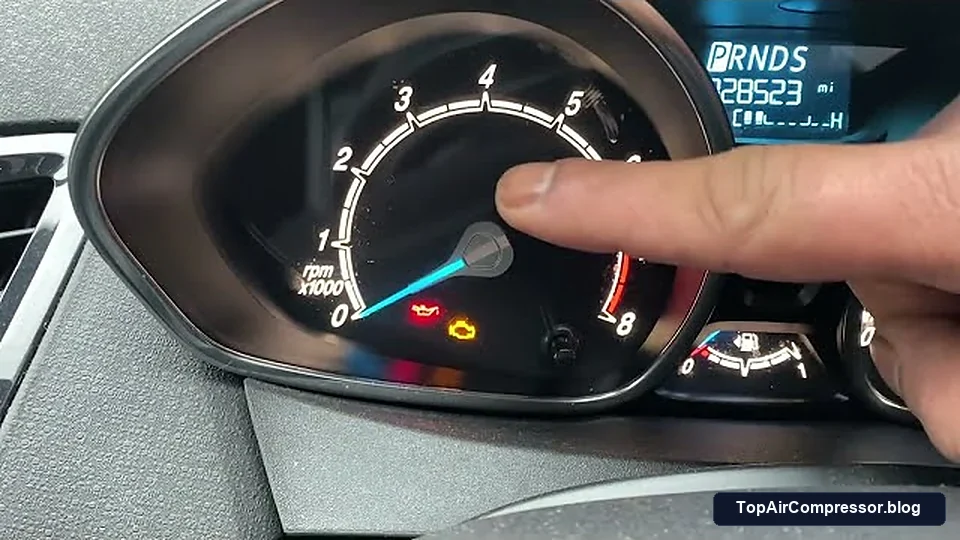
Modern Ford Fiesta models utilize indirect or direct tire pressure monitoring systems for safety. When you adjust pressures, resetting the system ensures the onboard computer learns the new baseline.
Failing to reset the dashboard warning light after inflation leads to persistent false alarms. Access the vehicle information display through the steering wheel controls to initiate the reset procedure.
Indirect systems monitor wheel speed discrepancies via anti-lock braking sensors to infer pressure loss. Direct systems use dedicated radio transmitters inside each wheel rim for precise individual reporting.
If the warning light flashes rather than staying solid, a sensor battery failure has occurred. Professional diagnostic scanning identifies which specific wheel transmitter requires replacement.
- Access the settings menu via the dashboard instrument cluster display.
- Select the deflation detection or tire pressure monitoring reset option.
- Hold the enter button until the confirmation message appears on screen.
- Drive for several miles to complete the automated system calibration cycle.
Troubleshooting Persistent Warning Lights
Persistent warning lamps often indicate a slow puncture or failing valve stem core. Inspect each tread carefully for embedded screws, nails, or sidewall bulging.
Verify that all four tires match the recommended placard pressure before attempting system resets.
- Spray soapy water around bead seals to locate hidden air leaks.
- Replace corroded valve cores during routine tire rotation services.
Preventive Maintenance and Seasonal Pressure Adjustments
Establishing a consistent maintenance schedule extends tire lifespan and preserves vehicle safety margins. Combine pressure checks with monthly fluid inspections and windshield wiper replacements.
Rotate your tires every six thousand miles to promote uniform tread wear across axles. Front-wheel-drive configurations wear front tires significantly faster than rear positions.
Inspect tread depth using a simple coin test or dedicated depth gauge tool regularly. Legal minimum limits compromise wet-weather traction and increase hydroplaning risks exponentially.
Investing a few minutes into preventive care prevents expensive premature replacements and hazardous roadside failures.
- Perform monthly pressure checks before embarking on long journeys.
- Rotate tires regularly to equalize front and rear wear rates.
- Check wheel alignment annually to prevent feathered shoulder wear.
- Examine sidewalls for cracking, bulges, or impact damage.
Long-Term Storage and Inactivity Care
Vehicles parked for extended periods suffer from flat-spotting on contact patches. Elevating pressure slightly before storage minimizes permanent rubber deformation issues.
Move stored vehicles periodically or use tire cradles to distribute weight evenly across rubber surfaces.
- Inflate tires to maximum cold placard limits before long-term storage.
- Check pressures monthly even when vehicles remain parked in garages.
Frequently Asked Questions
What is the standard tire pressure for a Ford Fiesta?
Most standard Ford Fiesta models require 32 PSI for both front and rear tires during normal driving. Always verify your specific trim requirements against the driver door placard.
How often should I check my Ford Fiesta tire pressure?
Check your tire pressures at least once a month and before any long highway road trips. Performing checks when tires are completely cold ensures maximum measurement accuracy.
Why does my tire pressure warning light stay on after filling my tires?
You must manually reset the monitoring system through the dashboard menu after adjusting pressures. Driving a few miles afterwards allows the vehicle computer to complete calibration.
Should I increase tire pressure when carrying heavy loads?
Yes, increasing pressure by 3 to 5 PSI for heavy passenger or cargo loads prevents sidewall flexing. Consult the door placard for exact full-load specifications.
How does cold weather affect my Ford Fiesta tire pressure?
Ambient temperature drops cause internal air to contract, lowering pressure by roughly one PSI per ten degrees. Re-inflate tires promptly during seasonal temperature transitions.