What PSI Should My Toyota Tires Be?
Maintaining proper Toyota tire inflation safeguards vehicle stability and fuel economy. Following factory placard specifications prevents premature tread wear.

Always inflate your Toyota tires to the factory placard pressure listed inside the driver door jamb rather than the maximum figure stamped on the tire sidewall.
Looking for matching picks? See our Best Air Compressor For Bike Tires: Top Road & Trail Picks.
Practical Quick-Reference Table
| Scenario / Metric | Recommended Target | Why It Matters |
|---|---|---|
| Toyota Camry Sedan | 32 to 35 PSI | Ensures balanced ride comfort and optimal fuel economy. |
| Toyota RAV4 SUV | 35 to 36 PSI | Supports increased curb weight and prevents shoulder wear. |
| Toyota Tundra Truck | 38 to 44 PSI | Handles heavy payloads and prevents dangerous sidewall flexing. |
| Cold Tire Definition | 3 hours parked | Gives accurate baseline readings before friction heat raises PSI. |
| TPMS Alert Threshold | 25 percent low | Warns drivers of dangerous pressure loss and slow leaks. |
| Sidewall Maximum | Absolute ceiling | Prevents structural tire damage; not for daily driving. |
Locating Your Official Toyota Tire Inflation Specification
Determining the correct air pressure for your Toyota requires checking the manufacturer placard. This official sticker is typically located on the driver side door jamb when you open the door.
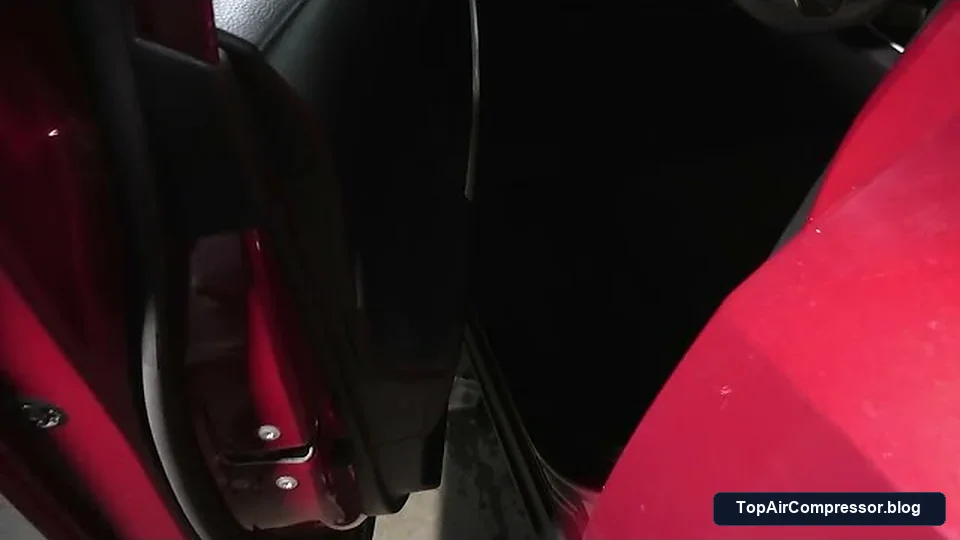
Never rely on generic numbers found on internet forums or general guides. Every specific trim level, engine option, and factory wheel package on your Toyota can alter the ideal inflation targets.
If the door placard is missing or damaged, consult your owner manual. Dealership parts departments can also retrieve exact specifications using your unique vehicle identification number for complete safety accuracy.
Accurate pressure readings guarantee optimal braking performance and predictable handling. Taking a few seconds to verify these figures prevents uneven wear patterns and dangerous highway blowouts during commutes.
Finding the exact inflation pressure for your Toyota requires checking the driver-side door jamb placard. This yellow and white label displays the manufacturer-recommended cold PSI for both front and rear axles.
Never rely solely on the maximum pressure printed on the tire sidewall. The door placard PSI accounts for vehicle weight, suspension geometry, and safe handling limits established by professional automotive engineers during rigorous safety testing.
If your door sticker is missing or damaged, you can reference your owner manual documentation or contact a local dealership parts department. They will use your specific Vehicle Identification Number to pull the exact factory specifications.
Always verify these measurements when tires are completely cold. Consult our best air pumps for car tires selection to prevent inaccurate heat-induced pressure increases after driving over a mile.
- Locate the white and yellow placard inside the driver door frame.
- Note the cold inflation values for front and rear axles.
- Check specifications when vehicle is parked in ambient temperatures.
- Verify numbers match your exact wheel diameter and trim.
Finding Placards on Older Toyota Vehicles
Older Toyota trucks and passenger cars sometimes feature tire information labels inside the glove box. Check these compartments carefully if the door pillar lacks the standard factory sticker.
Commercial fleet vehicles or modified imports might require specialized calculations. Always cross-reference your tire load index against official factory technical manuals to maintain correct operational pressure limits.
- Inspect glove box interiors for faded certification labels.
- Examine owner manual supplements for tire pressure charts.
- Verify original equipment manufacturer wheel compatibility.
Understanding Standard PSI Ranges Across Popular Toyota Models
Most Toyota passenger cars operate efficiently with cold inflation pressures between thirty-two and thirty-five PSI. Midsize sedans like the Camry generally favor these moderate targets, much like metrics analyzed using our CFM and tank sizing calculator.
Compact sport utility vehicles and larger crossovers often require slightly elevated pressure levels. Vehicles like the RAV4 typically demand thirty-five to thirty-six PSI to support heavier curb weights safely.
Full-size trucks and heavy SUVs like the Tundra require much higher inflation values. These robust platforms frequently utilize front and rear pressures exceeding thirty-eight to forty-four PSI.
Always review individual axle requirements because front and rear specifications frequently differ. Heavy cargo loads or towing applications may mandate adjustments according to the official door placard.
Most passenger cars like the Toyota Corolla and Camry typically require between 32 and 35 PSI for optimal ride comfort. Sedan designs prioritize even contact patches across daily commuting speeds for balanced highway stability.
Larger vehicles such as the Toyota RAV4 and Highlander generally operate efficiently within a 35 to 36 PSI window. Their heavier chassis configurations demand slightly higher air volumes to support increased gross vehicle weight ratings.
Heavy-duty trucks and SUVs like the Toyota Tundra and 4Runner often specify 32 to 38 PSI depending on payload. Original equipment tires on these utility models manage substantial load shifts during off-road and towing operations.
Hybrid variants might mandate slightly elevated pressures like 36 PSI to minimize rolling resistance. Low-rolling-resistance tires installed on Prius models rely heavily on precise inflation to maximize battery range and regenerative braking efficiency.
- Sedans like Corolla and Camry usually target 32 to 35 PSI.
- SUVs like RAV4 and Highlander typically require 35 to 36 PSI.
- Trucks like Tacoma and Tundra range from 35 to 45 PSI.
- Always check separate axle requirements for towing tasks.
Video Walkthrough: What Is The Best Tyre Pressure For Toyota Yaris?
The Crucial Difference Between Sidewall Limits and Door Placards
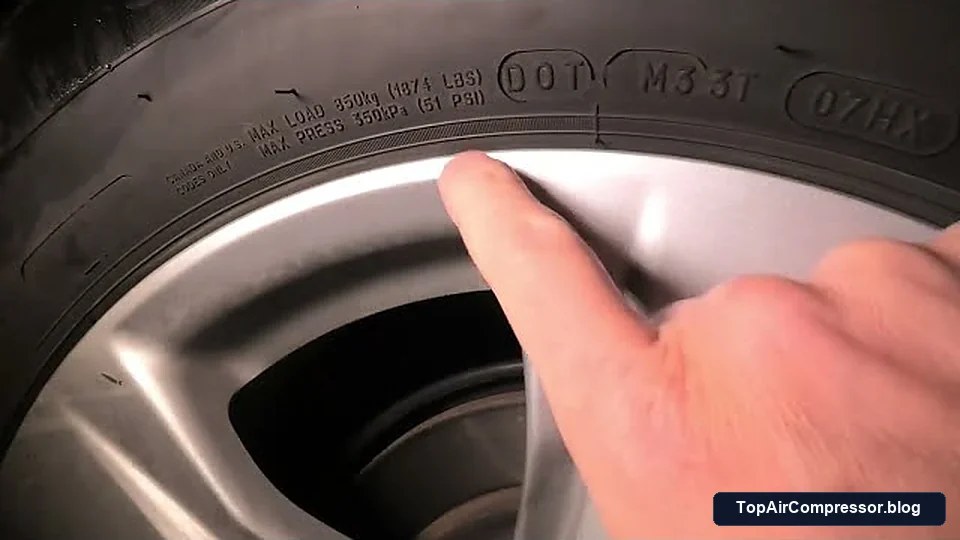
Many drivers mistakenly inflate their tires to the maximum pressure printed on the rubber sidewall. That figure represents the absolute structural limit, not the recommended daily operating pressure.
Inflating Toyota tires to the sidewall maximum creates an excessively harsh ride. This overinflation reduces your tire contact patch, diminishing traction and accelerating center tread wear rapidly.
The vehicle manufacturer designs the suspension around the door placard specifications. Following these targeted figures ensures balanced braking, smooth ride quality, and maximum tread longevity over thousands of miles.
Treat the sidewall inscription strictly as a safety ceiling rather than a target. Adhering to the door placard keeps your suspension geometry operating within safe factory engineering tolerances.
Many drivers mistakenly inflate tires to the maximum pressure listed on the outer rubber. That sidewall figure represents the absolute structural limit for weight capacity, not the ideal driving pressure engineered for your specific vehicle.
Inflating tires to the sidewall maximum creates a stiff, rigid contact patch that reduces traction. This over-inflation causes rapid center tread wear, a harsh ride quality, and diminishes the overall braking performance in wet weather.
The door placard specifications balance comfort, load-carrying capacity, and tread wear. Toyota engineers calculate these exact numbers to ensure optimal tire deflection and uniform heat dissipation during extended high-speed interstate highway driving.
Always prioritize the vehicle placard over the tire manufacturer stamp to maintain proper suspension compliance. Ignoring this golden rule compromises handling safety and accelerates premature wear across your costly suspension components.
- Sidewall numbers denote maximum capacity, not recommended daily pressure.
- Door placards reflect vehicle weight and suspension dynamics.
- Overinflation causes harsh rides and center tread destruction.
- Underinflation increases rolling resistance and generates excessive heat.
Why Correct Inflation Protects Tread Life and Fuel Economy
Maintaining precise tire pressure optimizes your Toyota fuel efficiency significantly. Underinflated tires increase rolling resistance, forcing the engine to consume extra gasoline during every single commute.
Proper inflation distributes vehicle weight evenly across the entire tread footprint. This uniform contact prevents premature shoulder wear and extends the overall operational lifespan of your tires.
Correctly inflated tires also improve emergency maneuvering and braking response times. Stopping distances remain as short as possible when your tire contact patches maintain ideal structural integrity.
Neglecting routine pressure checks leads to costly premature replacements and higher fuel bills. Establishing a monthly inspection habit protects both your wallet and your daily driving safety.
Maintaining precise tire pressure ensures the entire tread width makes uniform contact with the asphalt. Under-inflation causes excessive shoulder wear, while over-inflation focuses stress on the center, severely shortening your tread lifespan.
Correctly inflated tires reduce rolling resistance, which directly improves your vehicle miles per gallon. Studies show that under-inflated tires force engines to consume additional fuel simply to overcome unnecessary friction against the road surface.
Proper inflation also prevents dangerous heat buildup inside the internal rubber plies. Excessive flexing from low pressure can cause sudden tire failure at highway speeds, threatening vehicle stability and passenger safety during long trips.
Make it a habit to check pressures monthly using an accurate digital gauge. Protecting your tread and fuel economy requires minimal effort compared to the high cost of premature replacements and frequent refueling stops.
- Correct pressure minimizes rolling resistance to save fuel.
- Even weight distribution prevents premature shoulder wear.
- Optimal contact patches ensure shorter emergency stopping distances.
- Regular checks prevent catastrophic heat buildup on highways.
Decoding the Toyota Tire Pressure Monitoring System
Modern Toyota vehicles feature an advanced Tire Pressure Monitoring System designed for safety. The dashboard warning light illuminates whenever pressure drops twenty-five percent below recommended levels.
A blinking TPMS indicator usually signals a system malfunction rather than low air. When this occurs, you must have the electronic sensors and internal battery modules professionally inspected.
Seasonal temperature fluctuations frequently trigger the low pressure warning light. As ambient outdoor temperatures drop overnight, tire pressure naturally decreases and activates the dashboard sensor alert.
Never ignore a persistent TPMS warning light on your instrument cluster. Always verify actual pressure with a reliable handheld gauge before resetting the system via the dashboard control button.
Modern Toyotas utilize a Tire Pressure Monitoring System designed to alert drivers when pressure drops significantly. The dashboard warning light illuminates whenever any tire falls 25 percent below the recommended factory cold inflation standard.
Direct TPMS variants use individual radio transmitters inside each wheel valve stem. These sensors transmit real-time pressure data to your onboard computer, allowing you to view exact psi readings on the multi-information instrument display.
Indirect systems monitor wheel speed variations via the anti-lock braking sensors. When a tire loses air, its overall diameter decreases, causing it to spin faster than the others and trigger the dashboard alert indicator.
Always perform a manual pressure check after servicing wheels or adjusting air levels. Resetting your TPMS through the glovebox button or infotainment menu ensures the system recalibrates correctly to your current baseline pressures.
- TPMS alerts drivers when pressure drops 25 percent.
- Blinking lights indicate electronic sensor or module faults.
- Cold weather naturally lowers PSI and triggers warnings.
- Always verify pressures manually before resetting system monitors.
Establishing an Ideal Routine for Checking Tire Pressure
You should check your Toyota tire pressures at least once every month. Consistent monthly inspections catch slow leaks caused by small punctures or defective valve stems early.
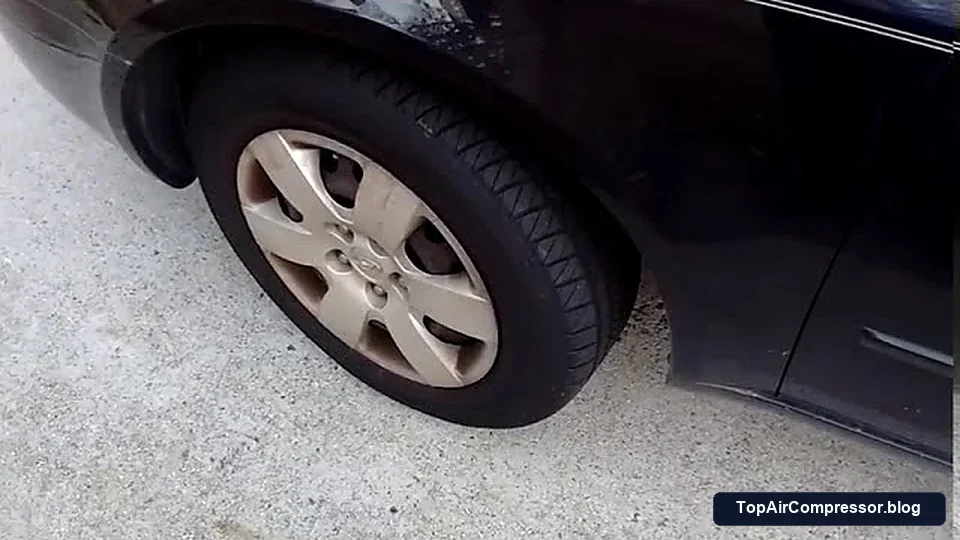
Always measure tire pressure when the vehicle is completely cold. Tires heat up during driving, which artificially inflates internal pressure readings and skews your true measurement accuracy.
A cold tire is defined as a vehicle that has been parked for three hours. Alternatively, check pressures before driving more than a mile in the early morning hours.
Keep a quality digital or dial pressure gauge inside your glove compartment. Review our best portable air compressor for truck tires guide to find reliable inflators for your own home driveway.
Checking your Toyota tire pressure should occur at least once a month and before long road trips. Establishing this consistent monthly maintenance habit prevents minor air loss from escalating into dangerous deflation events.
Always check pressures in the morning before the sun heats the rubber up. Ambient temperature fluctuations change internal pressure by roughly one PSI per ten degrees Fahrenheit, skewing readings taken after afternoon driving.
Invest in a reliable dial gauge or digital pressure tool rather than relying on gas station units. Public air hoses are frequently damaged, poorly calibrated, and notoriously inaccurate for measuring precise inflation levels.
Keep a reliable unit from our best air compressor for car tires guide in your trunk. Having the right tools eliminates the frustration of searching for working pumps when your tires need minor adjustments.
- Check tire pressures at least once every single month.
- Perform measurements only when tires are completely cold.
- Keep a reliable pressure gauge in your glove box.
- Use portable compressors for quick home top-off adjustments.
Evaluating Extreme Inflation Scenarios Like 32 Versus 40 PSI
Drivers frequently debate whether thirty-two or thirty-five PSI is better for daily commuting. Choosing the correct value depends entirely on the exact vehicle model specifications listed inside.
Running forty PSI in a lightweight passenger sedan is generally too high. That elevated pressure reduces traction, compromises ride comfort, and wears out the center tread prematurely.
Conversely, running thirty-two PSI in a heavy loaded SUV can generate excessive heat. Under heavy loads, lower pressures allow sidewall flexing that can lead to dangerous tire degradation.
Always adhere strictly to the manufacturer numbers for your specific configuration. Deviating from these engineered targets compromises vehicle safety and degrades your overall driving experience.
Choosing between 32 and 40 PSI drastically alters your driving experience. Operating at the factory recommendation of 32 PSI yields a comfortable ride, whereas 40 PSI creates a noticeably stiffer, jarring cabin feel.
Running higher pressures like 40 PSI reduces rolling resistance slightly but accelerates center tread wear. Conversely, dropping down to 32 PSI maintains optimal contact patches for maximum wet-weather grip and shorter braking distances.
Some drivers experiment with elevated pressures to chase higher fuel economy figures. However, exceeding placard specifications by eight PSI compromises vehicle handling dynamics and increases vulnerability to sharp road hazards.
Always adhere closely to the manufacturer parameters rather than chasing extreme pressure experiments. Maintaining factory-approved levels ensures predictable steering responses and preserves the structural integrity of your expensive radial tires.
- Match pressure choices to specific vehicle weight requirements.
- Avoid 40 PSI in lightweight sedans to prevent harsh rides.
- Prevent underinflation heat buildup in heavy cargo SUVs.
- Trust manufacturer engineering over arbitrary online opinions.
Managing Alternative Tire Sizes and Load Ratings Safely
Installing aftermarket wheels or alternative tire sizes changes inflation requirements. Upgrading to larger diameter rims often demands a careful recalculation of your operational PSI targets.
Load index ratings on replacement tires must equal or exceed factory standards. Lower load ratings can cause structural failure when your Toyota carries heavy passenger loads.
Consult professional tire technicians if you modify your factory wheel setup. They utilize specialized conversion charts to determine safe inflation pressures for non-standard tire dimensions.
Keeping accurate records of any tire size modifications prevents confusion during maintenance. Proper documentation ensures future service technicians apply correct pressures during routine tire rotations.
Upgrading to aftermarket wheels or alternative tire sizes requires careful pressure recalculation. If you install tires with different load index ratings, standard factory placard figures may no longer provide safe load capacity.
Low-profile tires with stiffer sidewalls often require different inflation strategies than original equipment options. Consult an experienced tire professional to determine appropriate adjustments based on your vehicle weight and maximum load limits.
Heavy-duty replacement tires designated as extra load or LT-metric require conversion charts. These specialized tires demand higher pressures to carry equivalent loads safely due to different internal casing constructions.
Never guess inflation numbers when modifying your Toyota suspension or wheel dimensions. Improperly matched tire pressures on custom setups can cause erratic handling, accelerated wear, and dangerous loss of control.
- Aftermarket wheels require recalculated inflation targets.
- Replacement tires must match or exceed factory load ratings.
- Consult professionals when changing original equipment tire sizes.
- Document custom setups for future maintenance technicians.
Frequently Asked Questions
What psi should my toyota tires be?
Your Toyota tires should be inflated to the exact numbers listed on the door jamb placard. Always check this sticker rather than the maximum limit printed on the tire sidewall.
Is 40 psi too high for regular Toyota tires?
Yes, forty PSI is generally too high for lightweight passenger sedans like the Corolla. Excessive pressure creates a harsh ride, reduces traction, and accelerates center tread wear.
Why does my Toyota tire pressure warning light stay on?
The TPMS light illuminates when pressure drops twenty-five percent below recommended levels. Cold weather also triggers this alert by naturally lowering internal tire pressure overnight.
When is the best time to check my tire pressure?
You should check your tires in the early morning before driving. Cold readings taken after three hours of parking provide the most accurate baseline measurements.
Should I use the psi listed on the tire sidewall?
No, never use the sidewall figure for daily driving inflation. That number represents the absolute maximum structural limit rather than the recommended vehicle operating pressure.