What PSI Should Nissan Altima Tires Be?
Maintaining correct air pressure preserves fuel economy and handling safety. Always verify your specific placard values before inflating.

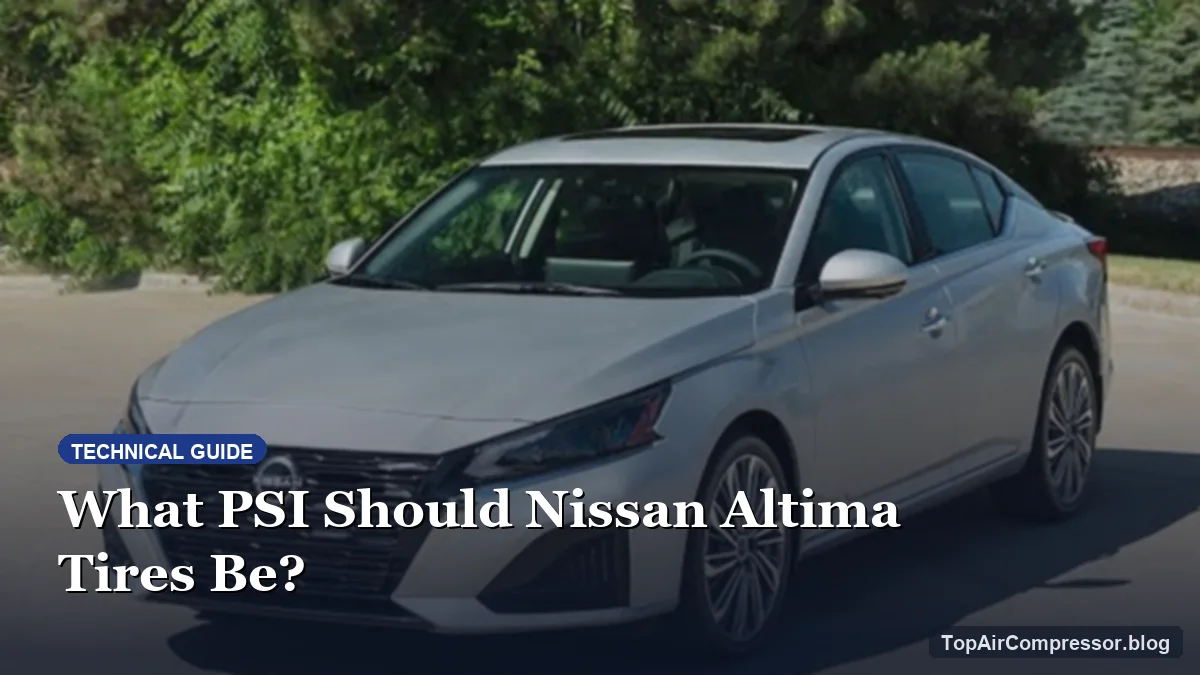
Most Nissan Altima sedans require 33 to 35 PSI for standard factory tires. Always check the driver-side door jamb placard for exact numbers.
Looking for matching picks? See our Best Air Compressor For Bike Tires: Top Road & Trail Picks.
Practical Quick-Reference Table
| Scenario / Metric | Recommended Target | Why It Matters |
|---|---|---|
| Standard Factory Size | 33 to 35 PSI | Ensures optimal tread wear and braking. |
| Cold Temperature Drop | Add 1 PSI per 10°F loss | Compensates for natural ambient air contraction. |
| Highway Commuting | Standard Recommended PSI | Prevents excessive center tread heating. |
| Maximum Load State | Placard Cold Rating | Protects sidewalls from structural deflection. |
| TPMS Warning Threshold | Below 26 to 28 PSI | Alerts driver to critical pressure loss. |
| Air Compressor Limit | 40 to 50 PSI output | Provides safe margin for passenger car tires. |
Decoding the Nissan Altima Tire Pressure Placard
Every vehicle features a manufacturer placard located on the driver-side door jamb. This vital sticker outlines the exact cold tire pressure required for your specific model configuration.
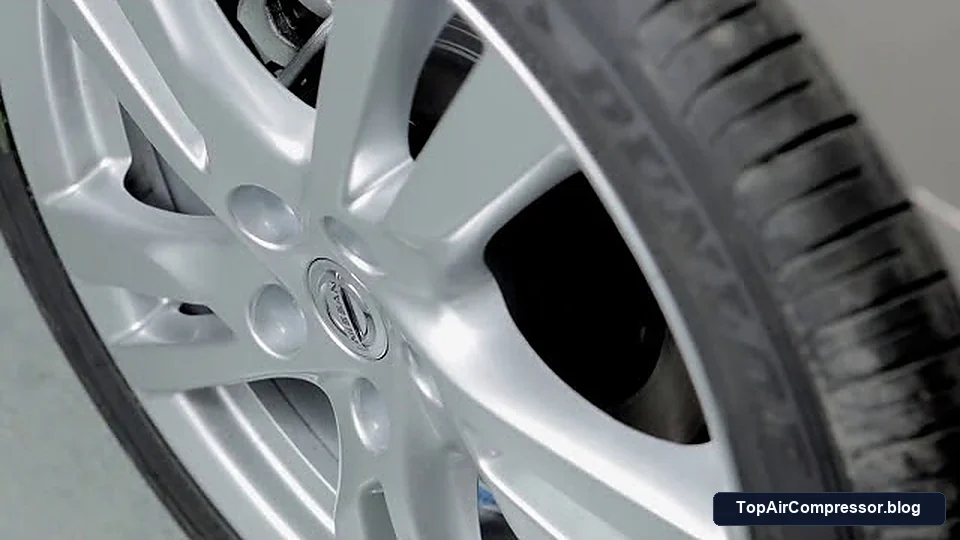
Ignoring this vehicle-specific engineering data and relying on tire sidewall maximums can cause harsh rides. The sidewall lists structural burst limits rather than the optimal pressure for your daily commute.
Weight distribution, suspension tuning, and vehicle braking dynamics dictate these precise pressure numbers. Following the door jamb placard guarantees balanced traction across all four Dunlop or Michelin factory tires.
Always verify pressures when tires are completely cold. Choosing among the best air pumps for car tires ensures accurate baseline readings before driving warms the internal air volume.
- Locate the federal certification label inside the driver door frame.
- Note front and rear axle cold pressure specifications clearly.
- Ignore the maximum pressure rating printed on the tire rubber sidewall.
- Check pressures before driving in the morning for accurate data.
Locating Your Specific Vehicle Door Sticker
Open the driver door fully and examine the vertical pillar area. You will find a white and yellow federal placard containing weights and tire specifications.
Match your vehicle trim level, as larger wheel packages sometimes require distinct pressures. Alloy wheel upgrades often demand unique inflation figures compared to base steel wheels.
- Inspect the metal pillar near the seatbelt anchor point.
- Verify the vehicle production month and year if available.
Recommended PSI Across Different Altima Tire Sizes
Factory wheel sizes on modern Nissan Altima sedans range from sixteen to nineteen inches. Using our cfm and tank sizing calculator helps determine precise cold inflation pressure requirements safely.
Low-profile nineteen-inch tires require precise air management to prevent rim damage over potholes. Maintaining correct pressure safeguards delicate alloy wheels against severe impact fracture forces.
Smaller sixteen-inch wheels offer more compliant sidewall flex during daily driving. However, under-inflation still causes rapid shoulder wear and accelerates internal casing heat generation.
Consult your door sticker whenever you install aftermarket replacement tires. If you change tire aspect ratios, consult a professional technician to determine safe operating pressures.
- Sixteen-inch base tires typically require thirty-three psi cold.
- Seventeen and eighteen-inch setups usually target thirty-five psi.
- Nineteen-inch sport packages adhere closely to factory placard specs.
- Always confirm with physical measurements rather than assumptions.
Evaluating Aftermarket Tire Size Adjustments
Changing to a non-standard tire size alters load carrying capacities. You must calculate new inflation thresholds to match original load index ratings.
Consult tire load inflation tables to find equivalent carrying capacity at reduced pressures. Never guess when substituting original equipment manufacturer rubber sizes.
- Check the load index number on the sidewall.
- Verify compatibility with original equipment gross axle weights.
Video Walkthrough: Checking your Tire Pressure - Nissan
Understanding the Factory Tire Pressure Monitoring System
Modern Nissan Altima vehicles utilize an advanced TPMS sensor network inside each wheel assembly. This system continuously monitors internal pressures and alerts you to significant drops.
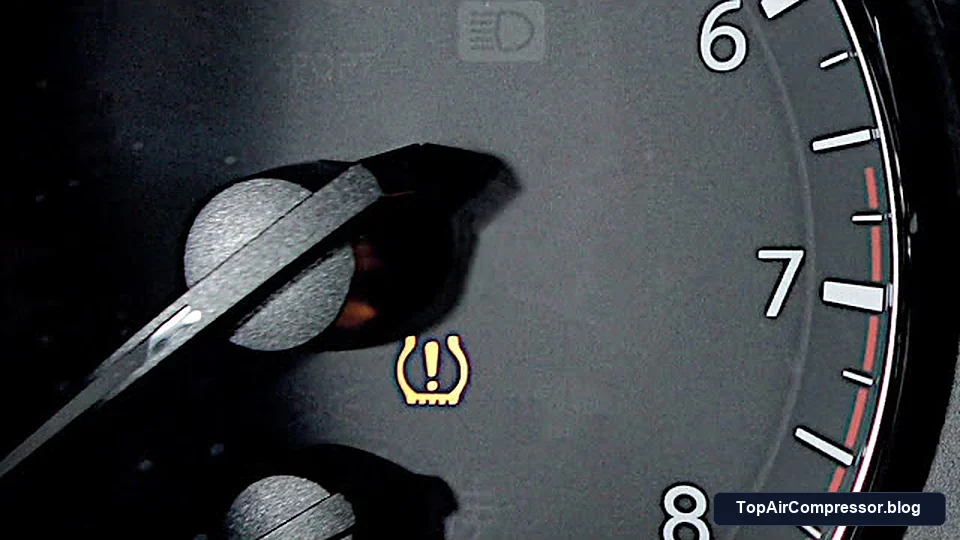
When pressure falls twenty-five percent below the recommended placard specification, a dashboard warning illuminates. This early warning prevents dangerous handling failures during high-speed highway driving.
Many newer models feature Easy Fill Tire Alert technology. The hazard lamps flash while you pump air, and the horn chirps when you reach the correct pressure target.
Seasonal temperature fluctuations frequently trigger false TPMS warnings during autumn. Re-adjusting your cold pressures corrects the sensor triggers without requiring dealership diagnostic service visits.
- TPMS warns drivers when pressure drops significantly.
- System does not replace weekly manual pressure gauge checks.
- Easy Fill technology uses exterior lights and horn signals.
- Battery life in direct sensors typically spans several years.
Safe Operating Limits for Maximum and Minimum Pressures
Running tires below recommended levels increases rolling resistance and burns extra fuel. Furthermore, severely under-inflated rubber flexes excessively, leading to dangerous tread separation at speed.
Conversely, over-inflating your tires reduces the vital contact patch with the pavement. This decreases braking grip and causes harsh ride quality over bumps and expansion joints.
Never exceed the maximum pressure rating embossed on the tire sidewall. That figure represents the absolute structural limit for seating beads during professional mounting procedures.
Keep your operational range within two pounds of the placard specification. This window optimizes tire longevity, wet traction, and comfortable passenger compartment ride dynamics.
- Under-inflation generates excessive heat and destroys casings.
- Over-inflation ruins center tread and reduces stopping grip.
- Sidewall maximum psi is strictly for bead seating limits.
- Maintain a tight two-psi operating window for best results.
Environmental Temperature Effects on Inflation Levels
Ambient air temperature directly influences internal tire pressure physics. For every ten-degree drop in outdoor temperature, tires lose approximately one psi of pressure.
Winter cold snaps routinely deflate properly set tires overnight. Neglecting this seasonal adjustment leaves your vehicle riding on soft, sluggish tires during morning commutes.
Summer heat waves have the opposite effect on enclosed air volumes. Direct sunlight can increase tire pressures by several pounds during extended midday parking sessions.
Check your pressures monthly and during major weather transitions. Proactive adjustment maintains consistent handling regardless of seasonal meteorological shifts.
- Expect one psi loss per ten-degree temperature drop.
- Adjust pressures outdoors before driving in freezing weather.
- Account for solar heat gain when checking midday readings.
- Perform seasonal pressure calibrations in a shaded garage.
Establishing a Reliable Monthly Air Inflation Routine
Inspect your Altima tire pressures at least once every thirty days. Consistent monitoring catches slow leaks from nail punctures before they cause structural damage.
Keep a reliable digital pressure gauge and the best air compressor for car tires in your trunk. Dedicated tools ensure you can top off tires anywhere without visiting gas stations.
Always remove valve stem caps carefully and store them safely. Press your gauge squarely onto the valve stem until the hissing sound stops completely.
Record your monthly readings in a maintenance logbook. Tracking pressure loss helps identify slow bead leaks or failing valve cores before complete failure.
- Check tire pressures on a strict monthly schedule.
- Store a digital gauge and portable inflator in your trunk.
- Examine tread depth and sidewall condition simultaneously.
- Replace missing valve stem caps to keep out moisture.
Using Portable Air Compressors for Precision Adjustments
Investing in a quality twelve-volt air compressor simplifies vehicle maintenance immensely. Selecting the best portable air compressor for truck tires guarantees reliable power during unexpected roadside emergencies.
Attach the compressor chuck firmly to the tire valve stem. Set your target digital cutoff pressure if your unit features an automatic programmable shut-off function.
Monitor the real-time pressure gauge as the compressor delivers air. Avoid overfilling, and use the bleed valve button to release excess air if needed.
Allow your portable compressor to cool down after extended run times. Proper tool care ensures reliable performance during roadside emergency inflation situations.
- Choose a compact compressor with an integrated digital gauge.
- Set automatic shut-off targets to prevent accidental overfilling.
- Keep engine running during inflation to protect car battery.
- Allow pump motors to cool between multi-tire inflation tasks.
Frequently Asked Questions
What is the standard tire pressure for a Nissan Altima?
Most Nissan Altima models require thirty-three to thirty-five psi for standard tires. Always verify this number against your specific driver door placard.
How often should I check my Nissan Altima tire pressure?
Inspect your tire pressures at least once every month using a reliable gauge. Check them more frequently during dramatic seasonal weather changes.
Why does my TPMS light turn on when the weather gets cold?
Air contracts as temperatures drop, causing a natural pressure loss of one psi per ten degrees. This triggers the dashboard warning sensor.
Can I trust the maximum pressure listed on the tire sidewall?
No, that number represents the maximum structural limit for mounting safety. Use the lower placard pressure printed on your door jamb.
What should I do if my tire pressure light remains illuminated?
Check all four tires and your spare with a gauge. Inflate to placard specs, and inspect for punctures if pressure drops rapidly again.