What PSI Should SUV Tires Be: Complete Technical Guide
Discover the precise cold inflation levels required for modern sport utility vehicles today. Maintain optimal vehicle safety and maximize tread longevity across all driving conditions.

Most sport utility vehicles require between 32 and 38 PSI for proper cold inflation. Always check the driver-side door jamb placard rather than relying on maximum ratings printed on the rubber tire sidewall.
Looking for matching picks? See our Best Air Compressor For Suv Tires: Top Roadside Picks.
Practical Quick-Reference Table
| Scenario / Metric | Recommended Target | Why It Matters |
|---|---|---|
| Compact Crossover Cold PSI | 30 to 35 PSI | Ensures balanced fuel economy and ride comfort. |
| Mid-Size SUV Cold PSI | 35 to 38 PSI | Supports heavier chassis weight and passenger loads. |
| Full-Size SUV Cold PSI | 36 to 42 PSI | Prevents sidewall flex during heavy towing tasks. |
| Off-Road Sand Driving | 18 to 22 PSI | Increases tire footprint and prevents vehicle sinking. |
| Highway Sustained Speeds | Standard Door Placard | Prevents dangerous heat buildup in tire carcasses. |
| Cold Weather Drop | Add 1 PSI per 10°F drop | Compensates for natural air density contraction. |
Decoding Manufacturer Specifications for Sport Utility Vehicle Inflation
Finding the accurate inflation pressure for your sport utility vehicle starts at the factory door. Manufacturers calculate these exact numbers based on vehicle weight, suspension geometry, and load capacity ratings.
Checking your vehicle during early morning hours ensures you obtain a true cold reading. Ambient temperatures alter internal air volume significantly, making morning measurements the gold standard for reliable equipment operation.
Avoid guessing or estimating your target pressures using generic rules of thumb. Modern heavy vehicles demand precise PSI levels to prevent premature tread wear and maintain stability during emergency braking maneuvers.
Investing in our best air pumps for car tires equipped with accurate digital gauges streamlines routine maintenance. Reliable tools guarantee your tires reach exact manufacturer specifications without over-inflation risks.
Decoding your vehicle's exact inflation requirements starts with locating the placard inside the driver door jamb. This manufacturer sticker provides the baseline cold pressure for optimal load handling.
Sport utility vehicles often feature heavier curb weights and taller center of gravity heights. Consequently, maintaining the recommended 32 to 36 PSI prevents excessive sidewall flex during emergency maneuvers.
Ignoring these factory guidelines risks premature tread wear across the outer shoulders. Accurate digital gauges connected to solid brass Schrader valves ensure you hit the precise target measurement every time.
Always measure pressures when rubber is completely cold, ideally after resting for three hours. Driving generates friction heat, which increases internal PSI by roughly one to four pounds per tire.
- Locate the official tire information placard inside the driver door jamb.
- Measure tire pressure strictly when tires are completely cold before driving.
- Verify front and rear requirements since axle loads frequently differ significantly.
- Calibrate your digital tire inflator gauge annually for maximum measurement accuracy.
Interpreting Axle Load Variations
Many larger utility vehicles specify different pressures for front and rear axles. Rear compartments often carry heavier cargo loads, requiring higher PSI levels to maintain structural tire integrity.
Always match your inflation target to the specific axle position rather than applying a universal number. Neglecting these factory distinctions leads to uneven shoulder wear and compromised handling dynamics.
- Check front door placard values independently from rear axle guidelines.
- Adjust rear PSI higher when towing heavy trailers or carrying cargo.
Engineering Differences Between Passenger Car and Sport Utility Tires
Sport utility vehicles possess higher centers of gravity and substantially greater curb weights than standard passenger sedans. This structural reality requires robust tire sidewall construction and higher operating inflation pressures.
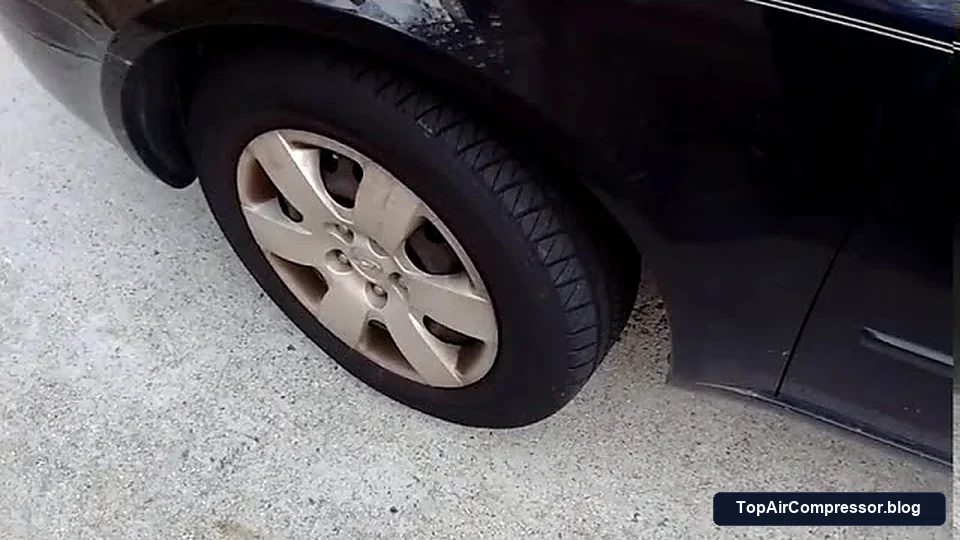
Passenger cars typically utilize lower volume tires operating around thirty PSI. Review our best air compressor for car tires selection, since heavy utility platforms demand higher pressure to support dynamic cornering forces.
Ignoring these fundamental engineering differences compromises your vehicle braking distances and stability control systems. Proper internal pressure distributes the vehicle weight evenly across the entire contact patch.
Standardizing your inflation routine protects internal belt structures from premature fatigue. Maintaining factory-specified PSI values ensures optimal contact patch geometry on varied asphalt and concrete road surfaces.
Sport utility applications demand robust internal casing construction compared to standard passenger cars. Heavy-duty plies and reinforced polyester cords manage higher gross vehicle weights without structural deformation.
Many light truck and SUV tires utilize higher load index ratings, often spanning from 105 to 115. This engineering classification dictates how much weight a single tire safely supports.
Passenger tires prioritize smooth ride comfort and low rolling resistance over heavy load capacity. Conversely, utility vehicle designs incorporate stiffer sidewall architecture to prevent roll during sudden swerves.
Failing to match replacement rubber to your chassis specifications compromises safety margins. Always verify that speed and load ratings meet or exceed original equipment manufacturer minimum standards.
- Higher vehicle weight requires elevated internal pneumatic support.
- Stiffened sidewalls prevent rollover risks during emergency swerving maneuvers.
- Increased contact patch stability improves overall wet traction performance.
- Proper pressure distribution minimizes localized rubber compound thermal degradation.
Understanding Casing Stiffness and Load Indices
Heavy utility tires feature reinforced polyester cords and multiple steel belts. These robust internal materials require correct PSI levels to support vertical loads without generating excessive internal heat.
Operating heavy utility tires below recommended thresholds causes severe casing deflection. This constant flexing breaks down internal bonding layers and increases catastrophic blowout risks on highways.
- Inspect load index ratings stamped directly onto the outer rubber sidewall.
- Avoid running low pressures on reinforced tires during sustained highway driving.
Video Walkthrough: The 4 PSI Rule For Tires: What Is It, And Is It Reliable?
Temperature Fluctuations and Seasonal Pressure Adjustments
Ambient weather conditions directly impact internal tire pressure through basic thermodynamic laws. For every ten degrees Fahrenheit drop in temperature, your tires lose approximately one PSI of air pressure.
Winter storms and freezing morning temperatures frequently trigger dashboard warning lights across unadjusted vehicles. Drivers must proactively add air when seasonal weather shifts toward colder autumn and winter months.
Conversely, intense summer heatwaves increase internal pressure as ambient temperatures climb significantly. Monitoring your vehicle pressures during extreme heat prevents dangerous over-inflation scenarios during highway trips.
Establishing a monthly seasonal adjustment protocol prevents progressive under-inflation during winter transitions. Reliable portable compressors make quick seasonal top-offs simple without visiting service stations.
Ambient temperature changes drastically influence pneumatic pressure inside every automotive tire. For every ten-degree Fahrenheit drop, internal air volume compresses, resulting in a loss of about one PSI.
Winter storms and sudden cold snaps frequently trigger dashboard low-pressure warnings across entire vehicle fleets. Checking your pressures monthly prevents dangerous under-inflation scenarios during freezing morning commutes.
Summer heat waves have the exact opposite physical effect on trapped compressed air. High asphalt temperatures can spike internal pressure by several pounds, risking center tread blowout conditions.
Maintain accurate logs of seasonal adjustments using a reliable 12V portable air compressor equipped with a calibrated inline gauge. This habit extends tread life and maximizes fuel efficiency.
- Subtract one PSI for every ten degree rise in ambient temperature.
- Add one PSI for every ten degree drop during winter seasons.
- Check pressures monthly as seasonal weather patterns transition continuously.
- Never bleed air from hot tires following extended high-speed summer driving.
Managing Winter Cold Snaps Effectively
Sudden arctic cold fronts cause rapid pressure drops across all four vehicle positions simultaneously. Drivers should inspect their tire gauges immediately following the first major seasonal temperature plunge.
Restoring proper cold inflation levels restores handling precision and braking responsiveness on slick winter roads. Neglecting cold weather pressure drops degrades traction on snow and ice.
- Perform emergency pressure checks during sudden seasonal temperature drops.
- Keep a reliable 12-volt portable air compressor inside your cargo area.
Critical Distinctions Between Door Jamb Labels and Maximum Ratings
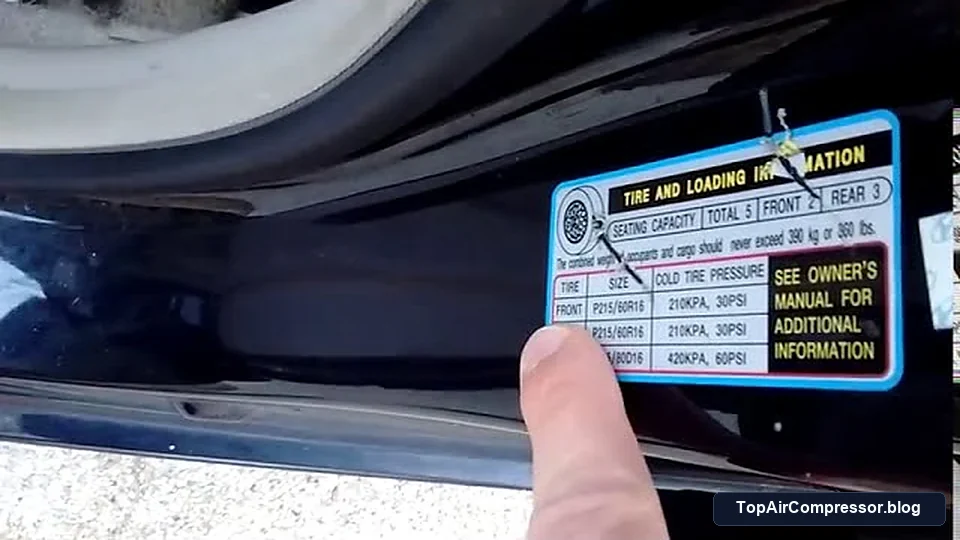
A common maintenance error involves confusing the maximum pressure stamped on the tire sidewall with recommended operating PSI. The sidewall figure indicates the absolute structural limit, not the ideal vehicle setting.
Vehicle manufacturers determine optimal pressure through extensive multi-month testing programs. Their door jamb placard balances ride comfort, braking traction, tread wear life, and suspension component longevity perfectly.
Inflating your tires to the maximum sidewall rating creates a harsh, bouncy ride quality. This over-inflation reduces your available contact patch, diminishing cornering grip and accelerating center tread wear.
Always rely exclusively on the driver door placard for your daily driving PSI targets. Treat the sidewall inscription strictly as a boundary marker rather than an operational guideline.
Many drivers mistakenly inflate their sport utility tires to the maximum figure printed on the sidewall. That value represents the absolute structural limit, not the recommended driving pressure.
Following the vehicle manufacturer's door jamb sticker ensures optimal braking performance and ride comfort. Over-inflation creates a harsh, bouncy ride while reducing the critical tire footprint contact patch.
Conversely, under-inflation generates excessive internal friction, leading to catastrophic tread separation at highway speeds. Always reference the placard specifications rather than guessing based on visual appearance.
When towing heavy trailers with your SUV, consult the supplemental manual sections for adjusted towing pressures. These specialized recommendations accommodate higher tongue weights safely and effectively.
- Door jamb placards provide customized vehicle-specific operational pressure values.
- Sidewall ratings display maximum pressure limits under full rated loads.
- Exceeding placard recommendations creates harsh ride harshness and braking skids.
- Consult vehicle owner manuals when towing or carrying maximum cargo capacities.
Locating Manufacturer Placards Accurately
Open the driver-side front door and examine the vertical metal pillar near the latch mechanism. A durable yellow and white sticker displays official tire size and cold inflation specifications.
Some older utility models place secondary information inside the glove compartment lid or fuel door. Always cross-reference these official figures before operating portable air compressor equipment.
- Inspect the B-pillar structural frame upon opening the driver door.
- Verify tire dimensions match the placard data precisely before inflating.
Mechanics of Tire Pressure Monitoring Systems and Warning Indicators
Modern utility vehicles utilize electronic sensors inside each wheel assembly to track internal pressure continuously. The dashboard warning light activates whenever pressure drops twenty-five percent below recommended levels.
Direct monitoring systems transmit precise pressure numbers to your instrument cluster display screen. Indirect systems measure wheel rotational speed differences using anti-lock braking sensors to detect deflation.
Ignoring an illuminated dashboard warning light risks catastrophic tire failure at highway speeds. Investigate the underlying cause immediately using a manual gauge and a portable inflation tool.
Remember that significant temperature drops can trigger false warning lights without actual punctures. Re-inflating all four tires to correct cold specifications typically clears the sensor warning successfully.
Modern sport utility vehicles rely on advanced tire pressure monitoring systems to alert drivers of anomalies. Federal regulations mandate that TPMS warning lamps illuminate when pressure drops 25 percent.
Direct systems utilize radio frequency sensors mounted inside each wheel assembly to broadcast exact PSI data. Indirect systems measure wheel speed differentials using anti-lock braking sensors to infer deflation.
Never rely solely on dashboard warning lights as your primary maintenance strategy. By the time the indicator illuminates, your tires have already experienced significant air loss and reduced structural integrity.
After correcting tire pressures, perform the required dashboard system reset procedure outlined in your owner manual. This calibration step synchronizes sensor baseline parameters for accurate future readings.
- Dashboard warnings activate at twenty-five percent below recommended pressure.
- Direct sensor systems report individual wheel PSI values on instrument clusters.
- Indirect systems track wheel rotation speeds through ABS sensor networks.
- Perform manual gauge verifications whenever electronic warning indicators illuminate.
Resetting Sensor Systems After Inflation
After correcting tire pressures, certain vehicle models require manual sensor reset procedures. Access your dashboard settings menu or press the dedicated tire reset button located beneath the steering column.
Consult your owner manual to complete proper system recalibration routines successfully. Completing this step ensures accurate future warnings and reliable electronic monitoring performance.
- Locate dashboard menu options for tire pressure monitoring system resets.
- Drive vehicle for several miles to finalize direct sensor signal pairing.
Specialized Pressure Guidelines for Off-Road Terrain and Sand Driving
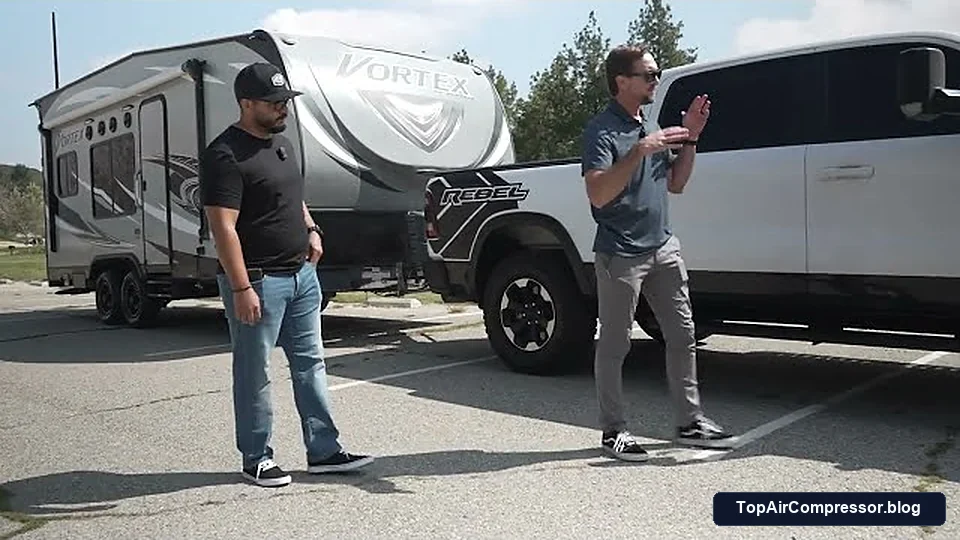
Driving on unpaved trails, mud, or deep sand requires temporary adjustments to standard tire pressures. Lowering PSI increases the length of the contact patch, floating the heavy vehicle over loose obstacles.
Off-road enthusiasts routinely drop tire pressure to improve mechanical traction on rocky terrain. However, reduced pressure demands cautious driving speeds to prevent dangerous wheel rim damage.
Never operate at reduced off-road pressures at sustained highway speeds on paved surfaces. High-speed flex generates extreme internal heat, causing tread separation and catastrophic structural tire failure.
Always reinflate your tires to standard door placard specifications before returning to paved public highways. Choose from our best compressors for suv tires to stay fully prepared for trailside recovery tasks.
Navigating rough trails or deep sand in an SUV often requires lowering tire pressures intentionally. Dropping to 18 to 22 PSI enlarges the contact patch to prevent sinking.
Lowering pressure softens the ride over rocky terrain by allowing rubber to conform to sharp obstacles. Always utilize quality deflator tools for rapid, controlled pressure reduction without damaging valve cores.
Operating at reduced pressures introduces the severe risk of unseating the bead from the wheel rim. Avoid sharp steering inputs and maintain moderate highway speeds until you reinflate.
Equip your vehicle with a high-flow 12-volt air compressor to restore street pressures before returning to pavement. Proper inflation prevents excessive heat generation during high-speed transit segments.
- Lower PSI values create larger contact patches for soft sand traction.
- Reduce vehicle speed significantly when operating on reduced off-road pressures.
- Reinflate tires promptly before driving at high speeds on paved asphalt.
- Carry heavy-duty portable air compressors equipped with accurate deflation valves.
Preventing Bead Unseating Hazards
Dropping pressure too low on rough trails risks unseating the tire bead from the wheel rim. This dangerous situation causes immediate air loss and leaves your vehicle stranded on obstacles.
Avoid extreme pressure reductions unless your wheels feature specialized beadlock mechanisms. Maintain safe minimum thresholds based on your tire aspect ratio and terrain difficulty.
- Monitor minimum pressure limits to prevent destructive wheel rim strikes.
- Install beadlock wheels for extreme off-road pressure reduction applications.
Comprehensive Maintenance Protocols Using Portable Air Compressors
Establishing a consistent monthly equipment inspection routine protects your tire investment effectively. Connect a reliable 12-volt portable air compressor to your vehicle accessory outlet for efficient monthly maintenance.
Always verify your target pressures while tires remain completely cold before any driving occurs. Accurate measurement prevents under-inflation wear patterns and maximizes fuel efficiency across all trips.
Inspect rubber valve stems for cracks and ensure metal valve caps remain tightly installed. Missing valve caps allow moisture and road debris to enter the core, causing slow air leaks.
Store your compressor equipment securely inside your cargo area in a dedicated storage bag. Regular maintenance checks safeguard your family during long road journeys and daily commutes.
Regular upkeep requires dependable equipment capable of delivering sufficient airflow. Use our cfm calculator tool to verify that units featuring direct-drive motors offer superior durability for larger utility tires.
Connect your compressor power clamps directly to the battery terminals to draw adequate electrical current. This prevents blown fuses while operating units requiring more than fifteen amps.
Inspect air hoses and quick-connect fittings regularly for cracks, leaks, or wear that reduces inflation efficiency. A secure seal ensures maximum airflow velocity reaches the valve stem instantly.
Store your equipment in a dry compartment to prevent moisture accumulation inside the compressor cylinder head. Routine maintenance guarantees reliable emergency performance whenever tire pressure issues arise unexpectedly.
- Perform monthly pressure checks using calibrated digital gauge equipment.
- Inspect tread depth alongside monthly pneumatic pressure verification routines.
- Replace missing valve caps immediately to protect internal core mechanisms.
- Keep portable air compressors clean and free from excessive cargo dust.
Evaluating Tread Wear and Alignment Indicators
While checking tire pressure, visually inspect tread wear patterns across the entire rubber width. Excessive wear on outer edges indicates chronic under-inflation, while center wear signals over-inflation.
Address alignment issues promptly if you notice feathered or uneven tread block wear. Maintaining proper suspension alignment works hand in hand with correct inflation targets.
- Examine tread depth using standard depth gauge measurement tools.
- Schedule professional wheel alignments whenever irregular wear patterns appear.
Frequently Asked Questions
What is the standard PSI range for most modern sport utility vehicle tires?
Most utility vehicles operate best between 32 and 38 PSI for cold inflation. Always check your specific door placard to confirm exact numbers.
Should I inflate my tires based on the number printed on the rubber sidewall?
Never use sidewall numbers for daily driving since they indicate maximum structural limits. Follow the vehicle manufacturer door placard specifications instead.
Why does my tire pressure warning light illuminate during cold winter mornings?
Cold ambient temperatures cause internal air molecules to contract and lose pressure. Adding air restores proper cold inflation values and clears the warning.
Do I need to adjust my tire pressure when driving on soft sand off-road?
Lowering pressure to 18 to 22 PSI improves sand traction significantly. Reinflate back to standard placard levels before returning to paved highways.
How frequently should I check the air pressure in my sport utility vehicle?
Inspect your cold tire pressures at least once every month using a digital gauge. Consistent checks prevent uneven wear and maintain peak vehicle safety.