What PSI to Pump Car Tyres?
Maintaining correct tyre inflation ensures maximum safety, predictable handling, and optimal tread wear. Neglecting this crucial task leads to decreased fuel efficiency and structural tire degradation.


Most standard passenger cars require between 32 PSI and 35 PSI when tires are completely cold. Always verify the exact manufacturer placard located inside the driver side doorjamb.
Looking for matching picks? See our Best Car Tyre Inflator Air Compressor Pump: Top Picks Reviewed.
Practical Quick-Reference Table
| Scenario / Metric | Recommended Target | Why It Matters |
|---|---|---|
| Standard Passenger Car | 32 to 35 PSI | Ensures balanced contact patch and ride comfort. |
| Light Truck / SUV | 36 to 42 PSI | Supports heavier vehicle weight and towing capacity. |
| Cold Weather Drop | +1 PSI per 10°F drop | Prevents under-inflation during seasonal temperature shifts. |
| Sustained Highway Driving | Upper placard limit | Reduces internal tire heat buildup at high speeds. |
| Max Sidewall Rating | Never use for daily driving | Avoids harsh ride, reduced traction, and center wear. |
| Spare Compact Tyre | 60 PSI typically | Ensures emergency readiness when standard tyres fail. |
Determining Standard Operating Pressure Ranges
Finding the proper inflation pressure requires checking the manufacturer placard affixed to the driver door pillar. Never rely solely on the maximum pressure printed on the outer tire sidewall.
Vehicle manufacturers calculate these precise metrics based on gross vehicle weight ratings. Maintaining this factory specification optimizes braking performance and extends overall tread life significantly.
Ignoring these guidelines introduces uneven tread wear patterns across the contact patch. Over-inflation centers the wear in the middle, while under-inflation ruins the outer shoulders.
Passenger cars typically operate safely within a narrow window of thirty-two to thirty-five psi. Larger vehicles demand considerably higher pressures to support heavier structural loads safely.
Vehicle placards located on the driver doorjamb provide the official manufacturer PSI for your specific model. Always rely on this baseline rather than scanning the maximum limits printed on the tire sidewall.
Standard passenger vehicles typically require 32 to 35 PSI for optimal handling and tread wear. Heavier crossover SUVs or utility trucks often demand higher inflation values to safely support increased gross vehicle weight ratings.
Checking cold inflation pressures using our best air compressor for car tires guide ensures the casing has not expanded from friction. Measure your tires before driving or after cooling.
Adhering to these standard operating thresholds prevents premature shoulder wear and maintains the contact patch area designed by engineers. Ignoring placard guidelines degrades steering response and reduces overall vehicle stability during emergency braking maneuvers.
- Locate the official placard on the doorjamb.
- Ignore the max sidewall rating for daily driving.
- Inspect pressures before driving when tires are cold.
- Account for passenger and cargo weight additions.
Understanding Cold Pressure Metrics
Cold tire pressure means the vehicle has sat stationary for at least three hours. Driving generates internal friction, which artificially increases internal air pressure readings.
Always add air early in the morning before direct sunlight hits the rubber. This guarantees an accurate baseline matching official automotive engineering standards.
- Measure before driving more than one mile.
- Park in shaded areas for reliable readings.
Systematic Procedures for Accurate Inflation Checks
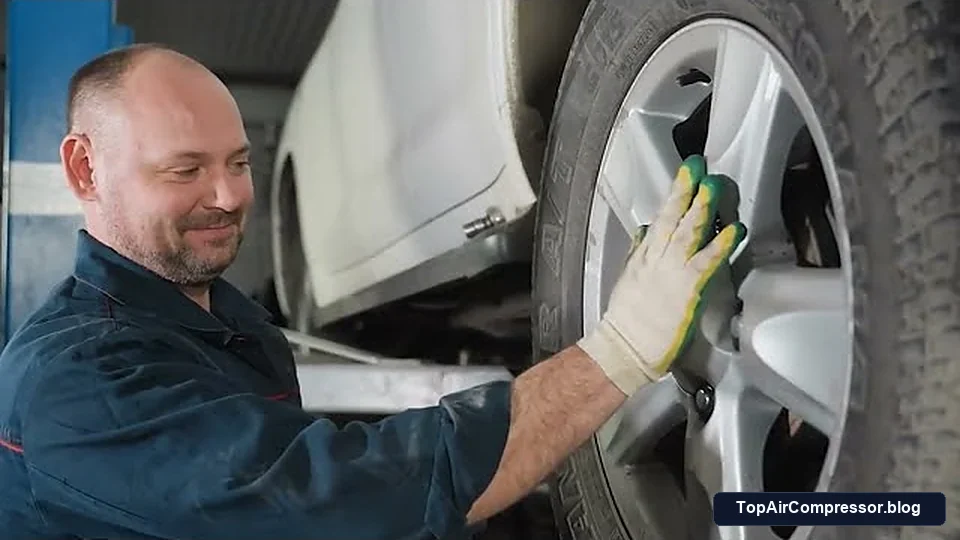
Using a reliable digital or dial pressure gauge is essential for accurate readings. Cheap pen-style gauges often stick and give misleading air pressure metrics.
Remove the valve stem cap carefully and press the gauge squarely onto the valve. Listen for a brief hiss, which indicates a proper temporary seal has formed.
If air escapes continuously, adjust the angle of the gauge until the hiss stops. Read the numerical output immediately before removing the device from the stem.
Always check all four main road wheels, and do not forget the spare tyre. Proper maintenance prevents unexpected flat tyres during long highway commutes.
Remove the valve stem cap carefully and store it securely to prevent loss during maintenance. Press a digital or dial pressure gauge firmly onto the Schrader valve stem to obtain an immediate reading.
Connect a reliable unit sourced from our best car tyre inflator air compressor pump review if readings fall below target. Deliver short bursts of air while monitoring the digital pressure readout to prevent over-inflation.
Should you accidentally add too much air, depress the central metal pin inside the valve stem. Release small amounts of pressure until you achieve the exact manufacturer recommended PSI for that specific wheel position.
Always reinstall the protective valve cap hand-tight to block moisture and road debris ingress. This simple step prevents core corrosion and maintains a reliable air seal throughout the daily driving lifecycle.
- Invest in a calibrated digital pressure gauge.
- Keep valve stem caps tightly secured at all times.
- Check all four tyres plus the spare monthly.
- Replace missing valve caps immediately to block dirt.
Handling Stubborn Valve Stems
Corroded valve cores can leak air slowly even after successful inflation sessions. Inspect each stem for cracks and replace faulty cores using a standard valve tool.
Brass valve caps provide superior sealing compared to cheap plastic alternatives. Ensure your compressor chuck locks firmly onto the stem to prevent air loss during filling.
- Inspect rubber stems for dry rot.
- Keep spare valve cores in your glove box.
Video Walkthrough: The 4 PSI Rule For Tires: What Is It, And Is It Reliable?
Axle-Specific Load Distribution and Pressure Disparities
Modern performance vehicles specify different pressures for front and rear axles. While evaluating pneumatic requirements, use our cfm tool sizing calculator to establish tailored inflation targets for balanced handling.
Always consult the door placard rather than assuming all four tyres need identical pressure. Front tires often bear more weight from the engine and transmission assembly.
Rear tyres might require higher pressure when carrying heavy cargo loads or towing trailers. Neglecting these split axle recommendations can induce dangerous oversteer or understeer handling traits.
Adhering to manufacturer axle guidelines ensures predictable vehicle dynamics during emergency braking and sudden lane change maneuvers on slippery asphalt surfaces.
Front and rear axles frequently require different inflation pressures due to engine placement and cargo weights. Rear tires on pickup trucks often need higher PSI when carrying heavy loads or towing heavy trailers.
Consult your owner manual or door placard for split-pressure requirements before adjusting your tires. Neglecting these axle disparities can cause uneven tread degradation and compromise the vehicle stability control systems.
Commercial vans and utility vehicles experience extreme weight shifts requiring precise dual-wheel inflation balancing. Maintaining correct rear pressures ensures optimal load distribution across the entire tread width during highway transit operations.
Weigh your vehicle at certified scales if you regularly haul heavy equipment or aftermarket modifications. Adjust your tire pressures upward to compensate for the added gross weight while staying under maximum limits.
- Check for front and rear pressure differences.
- Adjust rear pressures higher when towing heavy loads.
- Never guess axle requirements without checking placards.
- Maintain balanced handling through correct inflation.
Rear-Wheel Drive Vehicle Adjustments
Rear-wheel drive platforms often utilize wider rear tyres requiring specific PSI values. Reviewing the door sticker prevents improper inflation that causes premature tread cupping.
Performance cars tuned for track use demand precise front-to-rear pressure balancing to maximize cornering grip and sidewall stability under extreme lateral loads.
- Verify staggered wheel size specifications.
- Consult specialist manuals for track days.
Rolling Resistance Mechanics and Efficiency Impacts
Under-inflated tyres increase rolling resistance, forcing the engine to burn more fuel to maintain speed. Proper inflation directly minimizes energy loss and improves fuel economy significantly.
When a tyre flexes excessively due to low pressure, internal temperatures rise dangerously. This heat buildup wastes mechanical energy and accelerates rubber compound degradation across the tread surface.
Maintaining correct PSI reduces carbon emissions and saves money at fuel pumps over time. Every single psi of deficit contributes to measurable fuel efficiency losses.
Drivers should audit their tyre pressures monthly to combat seasonal temperature drops. Small maintenance habits yield substantial long-term savings in overall operational expenses.
Under-inflated tires increase the rolling resistance coefficient, forcing your engine to burn more fuel. Proper inflation minimizes casing deflection, reducing energy waste and lowering your overall fuel consumption during long commutes.
When tires run flat, excessive internal friction generates high temperatures that degrade rubber compounds rapidly. Maintaining correct pressure preserves structural integrity and extends the service life of your expensive tire investments.
Modern eco-tires rely on specific inflation thresholds to achieve low rolling resistance without sacrificing wet traction. Deviating from these settings impairs braking efficiency and increases stopping distances on slick asphalt surfaces.
Fleet operators track tire pressure religiously to maximize mileage and minimize operational overhead costs. Consistently checking inflation levels delivers measurable savings at the fuel pump and reduces carbon dioxide emissions annually.
- Correct pressure reduces engine load and fuel burn.
- Low PSI causes dangerous internal heat generation.
- Monthly checks prevent stealthy fuel economy drops.
- Optimized tyres roll smoothly with minimal friction.
Calculating Fuel Savings from Proper Inflation
Fleet operators track tyre pressure meticulously because small aggregate gains reduce annual fuel budgets. Proper maintenance delivers measurable financial savings for high-mileage drivers.
A correctly inflated tyre maintains its structural shape, allowing the tread to glide effortlessly. This mechanical efficiency prevents unnecessary energy waste during highway travel.
- Monitor fuel mileage alongside pressure checks.
- Keep records of seasonal inflation adjustments.
Pressure Unit Conversions and Gauge Calibration
International vehicle specifications often list pressures in bar or kilopascals instead of pounds per square inch. Knowing how to convert units prevents costly inflation errors during maintenance.
One bar equals roughly 14.5 PSI, meaning a 2.2 bar specification requires about 32 PSI. Always verify your gauge matches the measurement units on the placard.
Digital gauges often feature a toggle button to switch between PSI, bar, and KPA instantly. Calibration drift can occur over time, so verify your gauge against a certified master tool.
Using an inaccurate gauge leads to chronic over-inflation or under-inflation. Regular tool verification guarantees your tyres operate at their absolute safest design parameters.
International markets often express tire pressure in bar or kilopascals instead of pounds per square inch. One bar equals approximately 14.5 PSI, while one hundred kilopascals converts to roughly 14.503 PSI for precise calculations.
Digital gauges offer superior accuracy compared to traditional pencil-type spring gauges found in toolboxes. Periodically compare your gauge against a certified reference tool to ensure accurate pressure readings during routine maintenance sessions.
Temperature shifts and accidental drops can knock analog mechanical gauges out of true calibration. Replace faulty equipment immediately to prevent chronic under-inflation caused by misleading gauge indicators over long periods of time.
Keep conversion charts handy when interpreting foreign vehicle manuals or specialty equipment specifications. Understanding these metric equivalents ensures safe inflation across diverse automotive fleets and specialized mechanical machinery.
- Convert bar to PSI using the 14.5 multiplier.
- Verify digital gauge accuracy periodically.
- Match gauge units to vehicle placard standards.
- Discard damaged gauges that show erratic readings.
Kilopascal to PSI Conversions
Vehicles imported from international markets frequently utilize kilopascals on their door placards. Dividing the KPA value by 6.895 yields the exact PSI target needed.
Accurate unit conversion eliminates guesswork when inflating tyres using modern digital air compressors equipped with automatic shutoff features.
- Use 6.895 as the standard KPA conversion divisor.
- Program digital compressors with correct target units.
Temperature Fluctuations and Cold-Weather Inflation Rules
Ambient temperature swings dramatically affect internal tyre pressure during seasonal changes. For every ten degrees Fahrenheit drop, tyres lose about one PSI of pressure.
Winter storms can cause sudden pressure drops that trigger dashboard low-pressure warning lights. Checking pressures during the first cold snap prevents unexpected roadside hazards.
Conversely, summer heat increases pressure, but you should never bleed air from hot tyres. The pressure rise is normal and accounts for expected thermal expansion mechanics.
Always add air during cold winter mornings to maintain baseline placard specifications. Proper winter inflation ensures adequate grip on icy or snow-packed road surfaces.
Ambient temperature drops cause air molecules to contract, lowering tire pressure significantly during winter months. Expect to lose roughly one to two PSI for every ten-degree drop in outside Fahrenheit temperatures.
Always inflate your tires inside a climate-controlled garage to ambient winter testing standards. Adjusting pressures outdoors ensures you account for the cold soak effect before embarking on early morning highway journeys.
Never bleed air from warm tires that have been driven recently on high-speed roads. Temporary heat-induced pressure increases are normal and will normalize once the rubber cools down to ambient temperature levels.
Check your pressures monthly during seasonal transitions to combat weather-induced fluctuations effectively. Proactive monitoring prevents low-pressure warning lights from illuminating during sudden cold weather cold snaps.
- Expect a one PSI drop per ten degree temperature fall.
- Never deflate warm tyres during hot summer days.
- Adjust pressures during seasonal weather transitions.
- Winter cold demands proactive monthly air checks.
Managing Winter Pressure Drops
Cold weather hardening makes rubber less pliable, making correct pressure vital for traction. Proper inflation prevents dangerous tread separation on freezing motorways.
Select a reliable model from our best air compressor for car tyres guide to keep in your trunk for emergency winter top-offs. Cold air drops pressure quickly when vehicles sit outdoors overnight.
- Park in garages when possible during deep freezes.
- Keep portable compressors ready for winter drops.
Hazards of Exceeding Maximum Sidewall Pressures
Inflating tyres to the maximum limit printed on the sidewall is a dangerous mistake. That number represents the structural limit for maximum load, not a recommended daily pressure.
Exceeding placard guidelines causes a harsh, bouncy ride and reduces contact patch area. This over-inflation compromises braking distances and accelerates center tread wear rapidly.
Over-inflated tyres are more susceptible to punctures from sharp rocks and potholes because the rubber lacks shock-absorbing give. Maintain factory placard targets for optimal ride comfort.
Safety standards require strict adherence to vehicle door placards rather than sidewall maximums. Protect your suspension components by avoiding excessive tyre pressure levels.
The maximum pressure printed on the tire sidewall represents a structural safety limit, not a recommended setting. Pumping tires to this extreme threshold creates a hard, jarring ride and reduces braking traction.
Over-inflated tires bulge at the center, causing rapid tread wear along the middle section. This uneven contact patch severely diminishes cornering grip and increases the risk of a sudden blowout accident.
Excessive internal pressure places immense stress on the internal steel belts and body plies. Hitting deep potholes with over-pressurized tires can easily cause structural casing failure and catastrophic wheel damage.
Always follow vehicle placard instructions rather than sidewall maximum ratings for daily street driving. Respecting engineering limits guarantees a safe balance between comfort, braking performance, and long-term tire longevity.
- Never use max sidewall ratings for normal driving.
- Over-inflation reduces braking traction significantly.
- Excessive pressure causes harsh rides and suspension wear.
- Stick strictly to vehicle placard recommendations.
Recognizing Over-Inflation Symptoms
If your vehicle bounces excessively over small bumps, check your tyre pressure immediately. High PSI causes premature center wear and compromises steering feedback.
Reduced contact patch size limits emergency braking grip on wet asphalt surfaces. Always adjust pressures back to placard levels to restore vehicle safety.
- Inspect tread wear across the entire width.
- Reduce pressure if center wear appears dominant.
Frequently Asked Questions
What is the standard tyre pressure for most passenger cars?
Most standard passenger vehicles require between 32 PSI and 35 PSI for normal daily driving. Always verify the exact manufacturer specification located on the driver doorjamb placard.
Should I check my tyre pressure when the tyres are warm?
No, you should always check tyre pressure when the tyres are cold. Driving generates internal friction that artificially increases air pressure readings on your gauge.
Does cold weather really lower my car tyre pressure?
Yes, ambient temperature drops cause air inside the tyre to contract. You typically lose about one PSI of pressure for every ten degree drop in temperature.
Can I use the maximum PSI printed on the tyre sidewall?
Never use the maximum sidewall pressure for daily driving because it creates a harsh ride. That figure represents the absolute limit for maximum weight capacity only.
How often should I check my car tyre pressure levels?
You should inspect your tyre pressures at least once every month using a calibrated gauge. Regular checks prevent uneven tread wear and maintain optimal fuel efficiency.