What Size Air Compressor Do I Need?
Selecting the correct pneumatic equipment prevents frustrating pressure drops. Proper sizing ensures reliable tool performance across demanding projects.

Always calculate your maximum tool CFM requirement at the correct operating pressure. Multiply that total by a 1.5 safety factor to guarantee seamless continuous operation.
Looking for matching picks? See our Best Size Air Compressor For Air Tools: Top Workshop Picks.
Practical Quick-Reference Table
| Scenario / Metric | Recommended Target | Why It Matters |
|---|---|---|
| Standard Shop Tools | 90 PSI at 3-5 CFM | Ensures normal actuation for nailers and ratchets. |
| Automotive Grinding | 90 PSI at 8-12 CFM | Provides continuous airflow for heavy material removal. |
| Safety Multiplier | 1.5x Total Calculated CFM | Prevents pump overheating and compensates for air leaks. |
| Electrical Supply | 220V Dedicated Circuit | Handles high startup amperage without tripping breakers. |
| Duty Cycle Target | 50% to 100% Run Time | Protects motor windings from premature thermal burnout. |
| Tank Capacity | 30 to 80 Gallons | Reduces motor cycling frequency during heavy shop tasks. |
Demystifying Sizing Fundamentals: The Core Metrics of Compressed Air
Choosing the correct pneumatic generator starts with mastering three fundamental specifications. Understanding CFM, PSI, and tank volume eliminates costly sizing mistakes that plague beginners and professionals alike.
Pressure measures the force behind your air stream, usually expressed in pounds per square inch. Most standard workshop tools require between 90 and 100 PSI for optimal mechanical actuation.
Cubic feet per minute represents the volumetric output delivered by the pump. If your pump cannot match your tool's air consumption, pressure drops rapidly during critical fastening tasks.
Tank storage acts as a buffer, smoothing out delivery fluctuations during intermittent tool usage. Larger reservoirs prevent the motor from running continuously under heavy shop workloads.
Selecting the correct compressor requires mastering CFM and PSI ratings. For versatile shop setups, many technicians rely on our best mid size air compressor selections to ensure reliable volumetric output and pressure.
Air compressors operate on thermodynamic principles where compressing ambient air generates substantial heat. Effective aftercoolers and moisture separators are vital to drop air temperatures and remove condensate before it reaches downstream pneumatic valves and sensitive actuators.
Volumetric efficiency directly impacts your machine output. Real-world delivery drops at higher elevations due to thinned atmospheric air. Always apply a fifteen percent safety margin to account for pressure drops, pipe friction, and normal volumetric efficiency loss.
Tank capacity acts as a thermal buffer, yet storage size does not dictate continuous tool capability. A larger ASME receiver tank prevents rapid motor cycling during high-demand tasks, extending electric motor lifespan and maintaining steady line pressure.
- Always evaluate tool requirements at 90 PSI ratings.
- Never assume horsepower directly correlates to actual CFM delivery.
- Match tank capacity to the duration of your heaviest tasks.
- Verify maximum pressure ratings against your most demanding pneumatic tools.
Breaking Down CFM, PSI, and Tank Capacities
Delivering adequate volume requires evaluating compressor displacement against actual delivered cubic feet per minute. Manufacturers often state displacement, but delivered CFM at 90 PSI dictates real-world performance.
Tank sizes range from one-gallon trim nailers to eighty-gallon industrial verticals. Selecting larger vessels reduces motor cycling frequency and handles brief surges without stalling your pneumatic workflow.
- Look for scfm ratings rather than displacement figures.
- Size reservoirs larger for sanding and grinding applications.
Calculating Total System Demand for Single and Multiple Tools
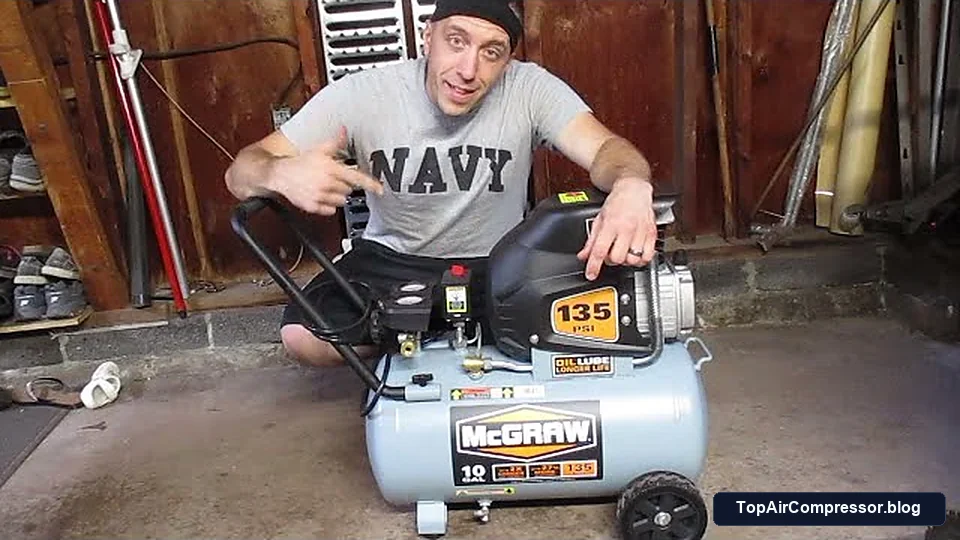
Accurately sizing your pneumatic installation requires listing every tool you plan to operate simultaneously. Using our cfm and tank sizing calculator helps establish your exact minimum CFM requirement under load.
Operating multiple pneumatic devices at once demands summing their peak air consumption rates. Failing to account for concurrent tool usage leads to frustrating pressure starvation mid-project.
Intermittent tools like nail guns consume air in short bursts, allowing smaller pumps to recover. Continuous tools like grinders demand uninterrupted airflow to maintain proper operational speed.
Neglecting air line friction losses results in unexpected pressure drops at the tool connection. Always add extra capacity to compensate for hose length and fittings restriction.
Calculating precise system demand prevents costly sizing mistakes. List every pneumatic tool you plan to operate simultaneously, noting their individual SCFM requirements at specified working pressures, usually tested at ninety PSI by reputable manufacturers.
Never add individual tool requirements together blindly. Apply a simodality usage factor because operators rarely trigger every device at once. For intermittent workshop applications, a factor of zero point six provides a realistic baseline demand figure.
Continuous-use applications like sanding or blasting demand a hundred percent concurrency factor. Multiply your highest-consuming tool rating by one point five to accommodate peak startup surges and prevent severe pressure drops during critical operational cycles.
Account for future workshop expansion by adding twenty percent to your final calculated requirement. Installing an oversized rotary screw or dual-stage piston unit today prevents expensive equipment upgrades when your commercial production demands naturally scale upward tomorrow.
- List every tool operating simultaneously in your workspace.
- Convert intermittent tool demands into realistic average consumption values.
- Account for pressure drop across long distribution lines.
- Include future tool purchases in your initial baseline calculations.
The 1.5 Safety Factor Multiplier Rule
Professional engineers always apply a safety multiplier when sizing industrial compressed air loops. Multiplying your total calculated CFM by 1.5 ensures thermal longevity and reliable performance.
This buffer accounts for mechanical wear, altitude variations, and minor system leaks. Building in this extra margin prevents premature pump failure during peak shop production hours.
- Multiply total tool CFM by 1.5 for safety.
- Protect your motor from running at maximum capacity constantly.
Video Walkthrough: How to Choose an Air Compressor
Evaluating Duty Cycles and Power Requirements for Reliable Performance
Duty cycle specifications dictate how long your compressor pump can run before requiring a cooling period. Ignoring this thermal rating invariably leads to overheating and thermal overload shutdown.
A fifty percent duty cycle means the motor runs for thirty minutes per hour. Industrial settings require continuous-run machines featuring one hundred percent duty cycles for heavy workloads.
Power supply compatibility remains another critical bottleneck when selecting stationary or portable pneumatic generators. Electrical service limitations dictate whether you need standard household circuits or dedicated lines.
Running heavy motors on inadequate wiring causes voltage drops that burn out windings. Always verify breaker ratings before installing high-draw compressors in your residential or commercial garage.
Duty cycle ratings dictate how long your compressor pump can run safely within a ten-minute window. A fifty percent duty cycle means five minutes of continuous operation followed by five minutes of mandatory cooling downtime.
Exceeding thermal limits damages internal reed valves and ruins piston rings. Industrial operations running three shifts require hundred percent duty cycle rotary screw units designed for continuous running without risking catastrophic thermal overload or expensive motor burnout.
Electrical supply compatibility remains a critical installation hurdle. Heavy-duty 5-horsepower compressors demand dedicated 230-volt single-phase or robust 460-volt three-phase electrical circuits, complete with appropriately sized thermal magnetic circuit breakers to prevent nuisance tripping.
Voltage drop over long extension cords causes severe motor overheating and premature winding failure. Always wire your stationary compressor directly to a junction box using heavy-gauge copper wiring that matches exact manufacturer electrical specifications and local codes.
- Respect manufacturer duty cycle limits to prevent premature failure.
- Never operate heavy motors on overextended light-duty extension cords.
- Match electrical breaker amperage to the motor running load.
- Provide adequate ventilation around stationary compressor enclosures.
Electrical Demands: 120V versus 220V Supply Lines
Standard household circuits deliver one hundred twenty volts, limiting motor horsepower to roughly two. Upgrading to two hundred twenty volts allows larger motors to run efficiently without tripping breakers.
Heavy-duty workshop compressors demand dedicated higher-voltage lines to handle high startup amperage. Consulting a licensed electrician ensures your shop infrastructure supports safe compressed air operations.
- Use dedicated circuits for units pulling over 15 amps.
- Verify wire gauge matches the compressor motor requirements.
Understanding Pneumatic Failures: What Happens When Your Unit Is Undersized
Operating an undersized unit causes constant motor fatigue. Reviewing the best size air compressor for framing nailer options prevents staple failures and keeps sanders from bogging down under minimal applied pressure.
Continuous running causes excessive moisture buildup inside the tank, accelerating internal corrosion. Without adequate cooling intervals, compressor pumps overheat and suffer catastrophic mechanical valve failure.
Low air pressure damages pneumatic tool internal components by forcing motors to work harder. Inadequate lubrication combined with starved airflow creates excessive friction and premature tool wear.
Production delays mount quickly when operators must constantly wait for tanks to recharge. Correct sizing eliminates workflow bottlenecks and keeps your shop operating at peak productivity levels.
Undersized compressors force pumps to run continuously, generating excessive heat that breaks down lubricating oil. This thermal stress causes carbon buildup on valve plates, drastically reducing volumetric output and leading to sudden, expensive mechanical failure.
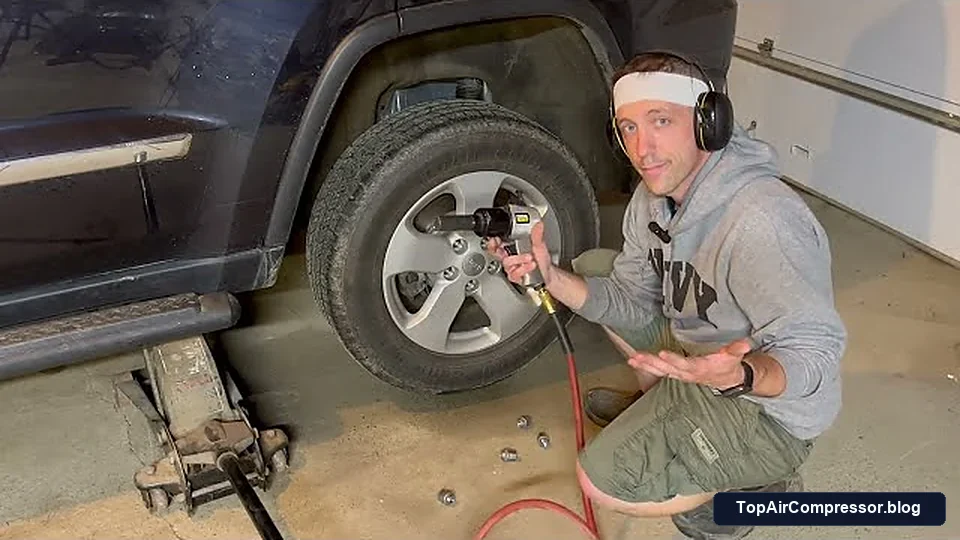
Air tools starved of adequate volume experience sluggish performance and erratic speeds. Impact wrenches will struggle with stubborn lug nuts, while pneumatic sanders leave uneven surface finishes due to unstable operating pressure dropping below optimal thresholds.
Moisture accumulation skyrockets when small compressors run hot and humid air condenses rapidly. Without adequate cooling capacity, water floods air lines, corroding internal tool motors and ruining delicate spray paint finishes with unsightly fisheye defects.
Excessive motor cycling overheats magnetic starters and burns out centrifugal switches. Replacing electrical components frequently costs far more than investing in a properly sized unit capable of handling your true peak CFM demands comfortably.
- Watch for tools stalling or failing to cycle properly.
- Notice excessive moisture accumulation caused by overworking hot pumps.
- Prevent motor burnout from continuous unattended running cycles.
- Eliminate costly downtime waiting for tank pressure recovery.
Case Study: Brewery Packaging Line Pressure Drops
A craft beverage facility experienced severe packaging line stoppages due to undersized pneumatic equipment. Bottling actuators stalled because the compressor could not maintain ninety PSI under load.
Upgrading to a properly sized industrial rotary screw unit resolved all pressure fluctuation issues. Production speed doubled, demonstrating why accurate initial sizing protects your manufacturing investment.
- Monitor consistent delivery pressure during peak packaging runs.
- Size pumps to handle concurrent actuation on automated lines.
Portable Jobsite Units Compared to Stationary Workshop Installations
Choosing between portable and stationary compressors depends entirely on your workspace mobility needs. Jobsite models offer easy transport, while stationary units deliver higher CFM output and larger reservoirs.
Portable pancake and twin-stack units work well for trim carpentry and inflation tasks. However, their small tanks require pumps to cycle constantly during high-demand painting or grinding operations.
Stationary vertical tanks save valuable floor space while providing substantial air storage capacity. Bolt-down designs reduce vibration noise and provide stable electrical connections for heavy workshop environments.
Evaluate whether your projects demand moving equipment between multiple job sites or fixed locations. Investing in the right chassis configuration ensures long-term comfort and operational efficiency.
Portable jobsite compressors prioritize mobility over continuous capacity. These compact twin-tank or single-stage units rely on universal electric motors that easily plug into standard household outlets, making them ideal for framing crews and finish carpenters.
Stationary workshop installations deliver sustained high-pressure air for heavy fabrication and automotive repair. Bolted securely to concrete floors, these two-stage cast iron pumps dissipate heat efficiently and supply steady CFM to multiple hardwired drops.
Noise levels differ drastically between these two distinct equipment categories. Direct-drive portable units generate harsh high-frequency screeches, whereas belt-driven cast-iron stationary pumps operate at much lower RPMs, offering a quieter and more durable working environment.
Plumbing infrastructure requires careful consideration for permanent installations. Rigid copper or annealed aluminum piping prevents pressure drops and eliminates the condensation pooling risks associated with flexible rubber hoses routed permanently through permanent workshop walls.
- Select wheeled units for mobility across different job locations.
- Choose vertical stationary models to maximize workshop floor space.
- Bolt down heavy units to minimize vibration and noise.
- Match tank configuration to your daily usage frequency.
Selecting Oil-Lubricated Versus Oil-Free Pump Technologies
Oil-lubricated pumps feature metal pistons requiring regular fluid maintenance for extended working lifespans. These traditional units run quieter and handle heavy workloads much better than oil-free alternatives.
Oil-free compressors utilize coated cylinders, making them lightweight and ideal for cold weather operations. While convenient, they generate more noise and wear out faster under heavy commercial use.
- Check compressor oil levels weekly on lubricated pumps.
- Choose oil-free models if contamination-free air is critical.
Comprehensive Air Tool Demand Matrix and Real-World Sizing Scenarios
Different pneumatic tools impose vastly different demands on your compressed air infrastructure. Framing nailers require minimal volume, whereas heavy-duty sanders and grinders demand massive continuous airflow delivery.
Impact wrenches consume high air volumes in short, powerful bursts requiring good tank reserves. Automotive body shops need robust systems capable of running die grinders and spray guns simultaneously.
Woodworking shops balancing nail guns and HVLP sprayers require carefully balanced compressor configurations. Reviewing specific manufacturer tool sheets prevents costly mismatching of pump output to actual demand.
Matching your exact tool inventory requires consulting our best size air compressor for air tools guide to guarantee trouble-free operations and ensure equipment is properly engineered for your specific workshop demands.
Real-world sizing requires matching specific tool consumption against pump output. A standard half-inch impact wrench consumes roughly five CFM at ninety PSI, but it operates intermittently, allowing a smaller storage tank to bridge the delivery gap.
Continuous-demand equipment like dual-action sanders or abrasive blast cabinets require significantly higher reserves. Sizing for these high-draw tools demands a compressor delivering at least ten to fifteen CFM at higher working pressures to avoid delays.
Consider a busy automotive shop running lifts, impact guns, and tire inflators simultaneously. Such an environment requires a ten-horsepower rotary screw compressor paired with a massive eighty-gallon receiver tank to guarantee uninterrupted shop productivity.
Always verify your calculated requirements against manufacturer specifications before making a final purchasing decision. Proper planning ensures your pneumatic system delivers reliable air volume safely and efficiently for years of demanding commercial daily operations.
- Check tool consumption ratings before purchasing any compressor.
- Group high-demand tools to calculate true peak requirements.
- Balance tank size against intermittent versus continuous tool operations.
- Consult equipment manuals for precise operational pressure thresholds.
Sizing for Multiple Tools Operating in Unison
Operating three framing guns simultaneously multiplies your baseline air consumption requirements significantly. Add individual tool CFM demands together and apply the 1.5 safety multiplier for reliability.
Industrial manufacturing cells often require dedicated multi-stage compressors to maintain consistent line pressure. Proper planning ensures pneumatic actuators never starve during high-speed automated production cycles.
- Sum simultaneous tool air requirements accurately.
- Ensure distribution piping matches the total system output.
Frequently Asked Questions
What size air compressor do I need for basic garage work?
Most standard garage tasks like tire inflation and brad nailing require a compact two to six gallon tank delivering two CFM at ninety PSI.
This reliable setup provides sufficient intermittent air for everyday household maintenance projects without taking up excessive floor space in your residential workspace.
How do I calculate total CFM requirements for multiple tools?
Add the individual CFM consumption ratings of every single pneumatic device you plan to operate simultaneously during peak operational hours.
Multiply that final combined total by a 1.5 safety factor to ensure your compressor maintains steady pressure under heavy workshop loads.
Why is 90 PSI the standard benchmark for air tools?
Most pneumatic manufacturers design their internal motors and actuation valves to operate at an optimal pressure of ninety pounds per square inch. Delivering this exact pressure ensures maximum torque and fastener depth without damaging internal seals.
What is the difference between CFM and SCFM?
Cubic feet per minute measures raw air volume, while standard cubic feet per minute normalizes measurements to standardized temperature and pressure conditions. Always rely on SCFM ratings because they provide accurate, standardized performance comparisons across different compressor models.
Do I need a 120V or 220V air compressor?
Standard one hundred twenty volt circuits handle smaller portable units drawing under fifteen amps for light household tasks. Heavy-duty workshop compressors require dedicated two hundred twenty volt lines to safely manage high startup amperage without tripping breakers.