What Size Air Compressor for Air Tools?
Selecting the correct air compressor size ensures your pneumatic tools operate at peak efficiency. Proper matching prevents pressure drops and premature pump wear during intensive shop projects.

Always multiply your highest-consuming air tool requirement by 1.5 for continuous operation. This safety margin guarantees adequate air delivery without overloading your compressor pump motor.
Looking for matching picks? See our Best Size Air Compressor For Air Tools: Top Workshop Picks.
Practical Quick-Reference Table
| Scenario / Metric | Recommended Target | Why It Matters |
|---|---|---|
| Brad Nailer | 2.0 CFM at 90 PSI | Requires minimal continuous volume for intermittent fastening. |
| Impact Wrench | 4.0 CFM at 90 PSI | Demands stable intermediate airflow for removing stubborn lug nuts. |
| DA Sanding Tool | 10.0 CFM at 90 PSI | Needs high continuous CFM to prevent severe pressure drop. |
| Paint Spray Gun | 6.0 CFM at 40 PSI | Requires steady, pulsation-free air delivery for smooth finishes. |
| Garage Tank Size | 30 to 60 Gallons | Buffers intermittent heavy loads without continuous motor running. |
| Hose Diameter | 3/8-inch inner diameter | Reduces friction loss compared to restrictive quarter-inch lines. |
Decoding Air Tool CFM and Pressure Demands
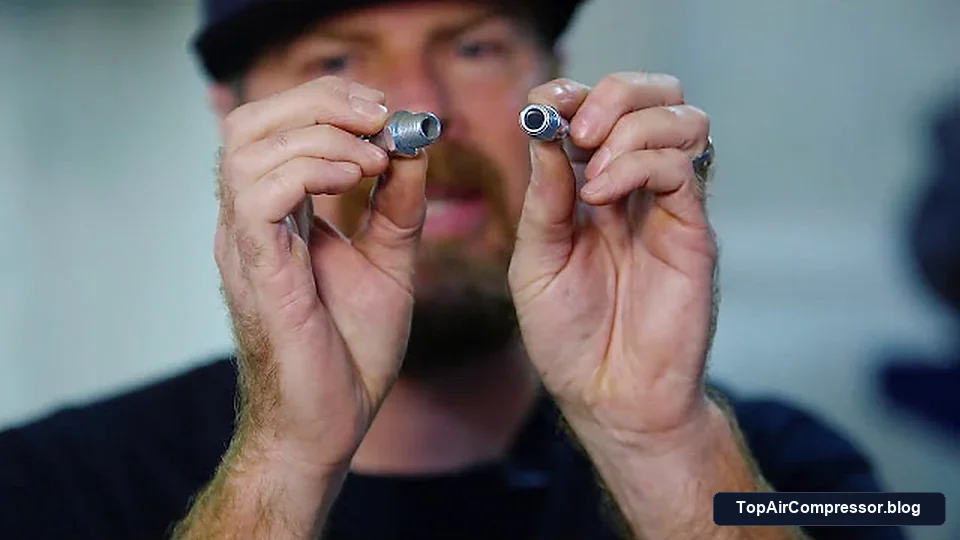
Pneumatic equipment relies on steady cubic feet per minute ratings to function correctly. Every tool manufacturer specifies exact pressure and volume requirements for optimal mechanical performance.
Ignoring these specific volume parameters leads to sluggish tool performance and incomplete fasteners. Mechanics must examine both operating pressure and airflow metrics before purchasing any pneumatic unit.
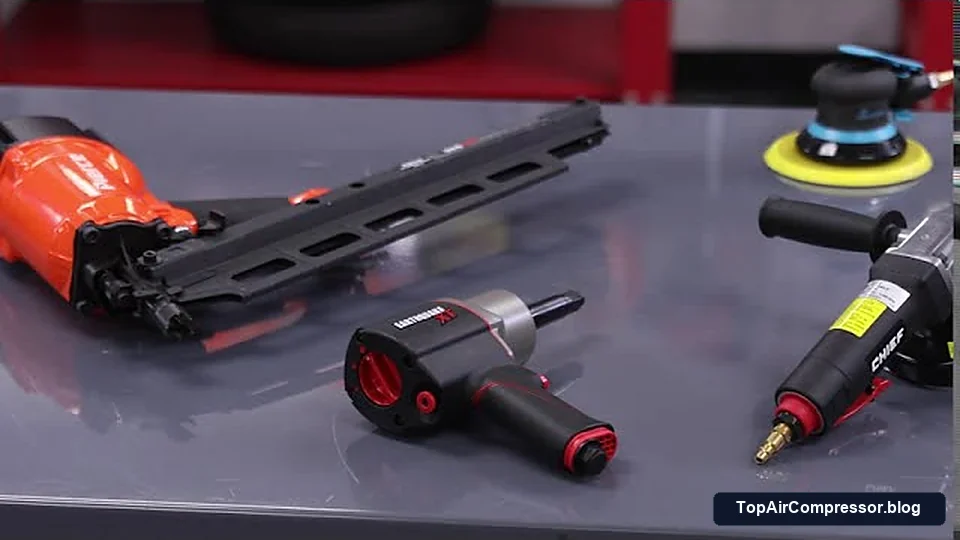
Small brad nailers require minimal volume, whereas heavy-duty sanders demand massive continuous airflow. Matching your compressor output to these specific tool demands prevents frustrating pressure starvation during work.
Reviewing tool specifications carefully prevents costly equipment mismatches in professional shop environments. Always prioritize the highest-consuming tool in your current operational inventory.
- Always evaluate CFM at the standard ninety pounds per square inch.
- Check manufacturer data plates for accurate continuous volume ratings.
- Account for multi-tool operations when sizing central shop lines.
- Never rely solely on horsepower claims when determining tool compatibility.
Measuring Tool Air Consumption
Determining exact consumption requires checking the manufacturer data plate located on your tool body. Multiply intermittent tool ratings by standard usage factors to estimate true demand.
Technicians should never guess air consumption rates when configuring critical shop air systems. Accurate measurements protect both pneumatic hardware and motor lifespan effectively.
- Locate the standard CFM rating stamp on the tool housing.
- Calculate duty cycles for high-draw rotary equipment.
Understanding SCFM Versus Actual Delivered Airflow
Standard cubic feet per minute measurements provide a baseline under controlled laboratory atmospheric conditions. Real-world operating environments introduce humidity, temperature shifts, and altitude variations that alter output.
Actual delivered air is always lower than theoretical pump displacement figures listed in marketing materials. Savvy technicians look past gross ratings to find true delivery at standard operating pressure.
Compressor efficiency decreases as ambient temperatures rise and air filter elements become dirty. Maintaining clean intake components preserves your actual delivered airflow during heavy workshop tasks.
Failing to account for atmospheric variables results in purchasing an underpowered air compressor unit. Always verify the actual delivered volume under working pressure conditions.
- SCFM standardizes temperature, humidity, and barometric pressure baselines.
- Actual delivered volume drops significantly at higher working pressures.
- Inspect inlet air filters monthly to maintain peak volumetric efficiency.
- Compare pump displacement against real delivery specifications before buying.
Interpreting Laboratory Versus Field Ratings
Laboratory tests utilize pristine conditions that rarely match dusty garage environments. Field performance reflects practical friction and thermal losses inherent in compressed air systems.
Engineers rely on standardized testing protocols to maintain consistency across different manufacturer specifications. Real-world operators must apply practical correction factors for accurate sizing.
- Account for local altitude when calculating true volumetric output.
- Factor in ambient temperature extremes during summer operations.
Video Walkthrough: How to Choose an Air Compressor
Applying the Industry Standard Safety Multiplier Rule
The standard industry sizing formula requires multiplying your tool CFM requirement by 1.5 for safety. You can also use our CFM and tank sizing calculator to easily determine precise system requirements.
Operating an air compressor near its absolute maximum limit accelerates thermal breakdown and component wear. Applying a proper safety margin ensures reliable long-term performance across all tasks.
Professional shops often double this multiplier when operating multiple pneumatic drops simultaneously. Commercial environments demand robust reserve capacity to prevent unexpected production bottlenecks.
Ignoring the safety multiplier leads to constant motor cycling and thermal overload trips. Protect your investment by selecting a compressor that exceeds baseline tool requirements.
- Multiply intermittent tool CFM requirements by one point five.
- Use a multiplier of two for continuous-duty commercial applications.
- Factor in future tool acquisitions when calculating total shop demand.
- Prevent thermal shutdowns by maintaining adequate compressor reserve capacity.
Calculating Multipliers for Heavy Workshop Use
Heavy fabrication shops require compounding safety factors to support overlapping pneumatic operations. Evaluating peak simultaneous usage prevents catastrophic pressure drops during critical fabrication steps.
Documenting every air consumer in your facility creates a reliable sizing roadmap. This engineering discipline eliminates guesswork when expanding existing compressed air infrastructure.
- List every pneumatic tool connected to your main distribution manifold.
- Sum individual CFM ratings and apply the appropriate environmental multiplier.
Air Compressor Size Classes and Tool Compatibility
Small pancake and hot-dog compressors suit low-draw tasks like inflation and brad nailing. These portable units offer limited tank volumes and modest volumetric output ratings.
Medium single-stage units with horizontal tanks handle standard automotive impacts and light ratchets. You can evaluate options using our best size air compressor for air tools guide to ensure proper workshop capability.
Large two-stage vertical compressors provide the massive CFM required for sandblasters and grinders. Industrial facilities rely on these high-capacity systems for continuous production demands.
Matching your equipment to the correct size class prevents unnecessary financial and operational strain. Evaluate your specific project scope before committing to a compressor category.
- Pancake units excel at trim carpentry and light pneumatic fastening.
- Single-stage garage units support standard automotive repair tasks.
- Two-stage industrial systems deliver high pressure for heavy continuous grinding.
- Portable wheelbarrow compressors offer mobility for demanding job sites.
Matching Power Sources to Equipment Classes
Standard household electrical circuits limit the maximum amperage available for portable compressors. Industrial equipment often requires dedicated heavy-duty wiring and specialized circuit breaker configurations.
Verify your electrical panel capacity before purchasing large single-stage or two-stage units. Inadequate power supply causes frequent breaker trips and permanent motor damage.
- Check voltage requirements before installing workshop compressor systems.
- Consult qualified electricians for high-amperage equipment installation.
Tank Capacity Versus Continuous Pump Output Dynamics
Tank capacity acts as a reservoir to store compressed air for short bursts of high demand. A larger storage tank prevents the pump motor from running continuously during intermittent tasks.
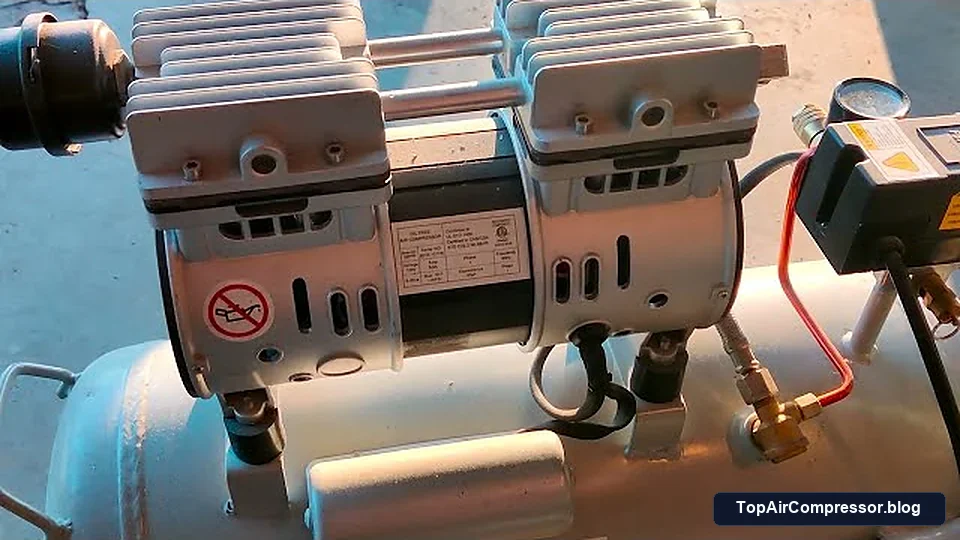
Reservoir volume does not increase the actual continuous CFM output of the pump. Choosing the best portable air compressor for tools ensures your pump matches average air consumption needs.
Relying solely on large tank storage for high-draw tools results in rapid pressure depletion. Once the tank empties, working pressure plummets below acceptable operating thresholds.
Balanced systems pair adequate pump displacement with appropriately sized storage tanks for stability. This synergy ensures steady pressure delivery throughout demanding automotive and construction tasks.
- Storage tanks buffer short bursts of heavy pneumatic tool usage.
- Pumps determine continuous airflow while tanks manage transient spikes.
- Oversized tanks prevent frequent motor starts during light fastening work.
- Undersized pumps leave large tanks starving for replenishment air.
Evaluating Storage Requirements for Intermittent Jobs
Intermittent operations benefit immensely from moderate storage capacity to reduce motor wear. Fastening and quick bolting tasks require minimal pump CFM but appreciate tank buffering.
Assess your duty cycle frequency to determine whether you need additional storage. Adding an auxiliary tank can stabilize pressure fluctuations in complex shop setups.
- Calculate average tool run times versus cool-down intervals.
- Consider secondary storage tanks for expanded pneumatic capacity.
Video Walkthrough: Mcgraw Test
Specific Sizing for High-Draw Pneumatic Impact Tools
Impact wrenches and ratchets consume large volumes of air during heavy fastener removal. Selecting the right unit from our best air compressor for pneumatic tools lineup guarantees substantial CFM delivery.
Using an undersized compressor with an impact wrench causes noticeable power loss mid-operation. The fastener stops turning as system pressure drops below the required operating threshold.
Professional automotive technicians demand robust compressors that sustain high CFM without pressure sagging. Selecting a unit rated above minimum tool specs prevents frustration during mechanical repairs.
Always calculate cumulative air consumption when operating impact tools alongside other equipment. Comprehensive planning guarantees uninterrupted workflow during complex suspension and engine overhauls.
- Impact wrenches demand high transient CFM for removing tight fasteners.
- Pneumatic ratchets require steady intermediate airflow during continuous spinning.
- Undersized compressors cause noticeable torque drops under heavy loads.
- Size your system based on the most demanding pneumatic impact tool.
Optimizing Air Delivery for Automotive Impact Work
Automotive repair environments demand rapid pressure recovery between stubborn fastener removals. Strategic plumbing and appropriate hose sizing eliminate unnecessary flow restrictions throughout the shop.
Install moisture traps upstream of impact tools to prevent internal corrosion and wear. Clean, dry air extends the operating lifespan of valuable pneumatic hand tools.
- Use high-flow quick-connect fittings for high-draw impact guns.
- Position moisture separators close to primary workstation drops.
Evaluating Compressor Duty Cycles for Shop Applications
Duty cycle ratings indicate the percentage of time a compressor can operate safely. Exceeding recommended duty cycles causes overheating and premature failure of internal pump components.
Standard consumer units often feature fifty percent duty cycles requiring adequate rest periods. Commercial-grade pumps boast continuous duty ratings for demanding industrial production environments.
Calculating your operational run time prevents accidental thermal damage to electric motor windings. Match your equipment duty cycle to the demands of your daily workload.
Ignoring duty cycle guidelines voids manufacturer warranties and results in costly repairs. Prioritize robust thermal management when selecting equipment for intensive workshop applications.
- Consumer compressors typically feature intermittent fifty percent duty cycles.
- Industrial pumps offer hundred percent continuous operating capability.
- Allow adequate cooling intervals for standard garage compressor units.
- Monitor motor housing temperatures during extended fabrication projects.
Managing Thermal Load in Continuous Operations
High ambient workshop temperatures significantly reduce effective compressor duty cycle thresholds. Proper ventilation around the unit housing prevents dangerous heat buildup during peak summer months.
Inspect cooling fins and oil levels regularly to ensure optimal thermal dissipation. Well-maintained pumps operate efficiently without triggering internal thermal overload protection switches.
- Ensure adequate clearance around compressor intake and exhaust vents.
- Perform scheduled maintenance to preserve optimal thermal dissipation rates.
Frequently Asked Questions
What size air compressor runs most air tools?
A thirty to sixty-gallon compressor delivering four to six CFM at ninety PSI runs most standard tools. This capacity handles common impacts and ratchets effectively.
How do I calculate CFM requirements for my tools?
Locate the manufacturer CFM rating on your tool data plate and multiply by one point five. This safety margin accounts for pressure drops and system wear.
Can a small pancake compressor run an impact wrench?
Small pancake units can remove a single bolt before pressure depletes entirely. They lack the continuous CFM required for sustained automotive impact wrench operation.
What is the difference between SCFM and CFM?
SCFM standardizes airflow measurements under specific laboratory atmospheric conditions. Real-world CFM varies based on local temperature and altitude changes.
Why does my air tool lose power during use?
Power loss occurs when your compressor cannot supply enough CFM to match tool demand. Restrictive hoses or undersized tank capacity also cause pressure drops.