What Size Air Compressor Should I Buy?
Selecting the right air compressor prevents frustrating tool starvation and motor burnout. Proper sizing matches your peak CFM demand and electrical infrastructure.

Always calculate your highest-consuming pneumatic tool at 1.5 times its rated CFM to ensure adequate operational margin. Never size a system based solely on maximum pressure ratings.
Looking for matching picks? See our Best Size Air Compressor For Air Tools: Top Workshop Picks.
Practical Quick-Reference Table
| Scenario / Metric | Recommended Target | Why It Matters |
|---|---|---|
| Light Duty / Framing | 2-6 Gallons, 90 PSI | Ensures high mobility for remote job sites. |
| Automotive Repair | 20-30 Gallons, 5 CFM | Handles intermittent impacts and ratchets easily. |
| Continuous Sanding | 60+ Gallons, 10+ CFM | Prevents motor overheating during heavy abrasion. |
| Electrical Supply | 230V Dedicated Circuit | Eliminates dangerous voltage drops and tripped breakers. |
| Safety Margin | 1.5x Peak Tool CFM | Compensates for line losses and air demand spikes. |
| Tank Maintenance | Daily Condensation Drain | Prevents internal rust and structural tank failure. |
Calculating CFM and PSI Requirements for Your Specific Tools
Choosing the correct pneumatic equipment requires analyzing individual tool specifications. Every air tool lists a specific cubic feet per minute consumption rate at a designated operating pressure.
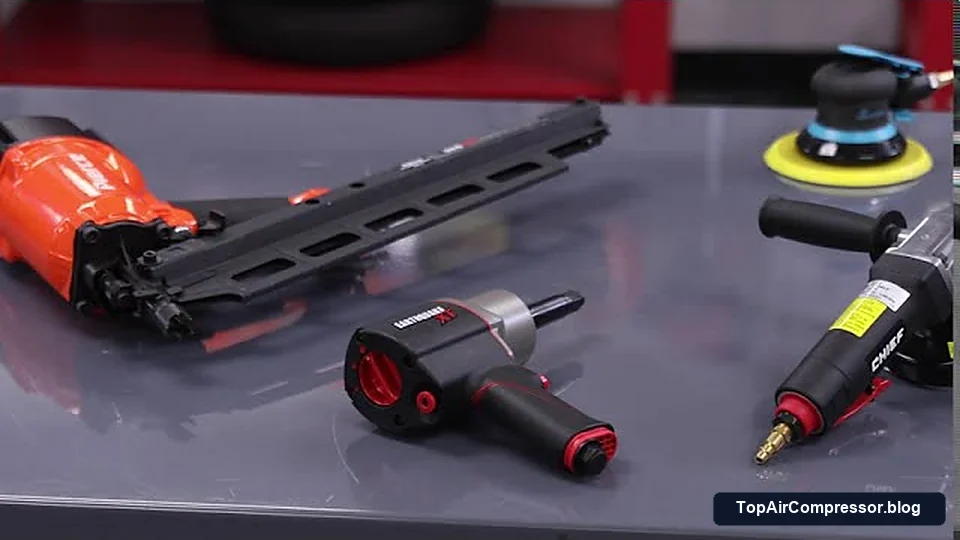
Continuous tools like sanders demand much higher air delivery than intermittent tools like impact wrenches. You must identify your absolute highest air consumer before purchasing any equipment.
Standard pressure ratings typically range between 90 and 125 PSI for most common workshop tasks. Exceeding these limits without pressure regulators damages internal tool components and causes rapid wear.
Always aggregate the total air requirements if you plan to operate multiple tools simultaneously. Multi-tool operations require substantial output increases to prevent unexpected pressure drops during critical work phases.
Always check the manufacturer specifications for CFM ratings at specific pressures like 90 PSI before buying any unit to guarantee adequate tool performance during continuous operation cycles.
Add a safety factor of fifty percent to your total tool consumption calculations to account for line losses and worn pneumatic components within your expanding workshop distribution network.
High-demand tools such as sanders require sustained airflow measured in cubic feet per minute, whereas impact wrenches operate intermittently using storage pressure rather than continuous delivery volumes.
Consult the ANSI or ISO standards for pneumatic tool testing to ensure your compressor selection matches industrial standards rather than inflated consumer marketing claims found online.
- List every pneumatic tool manufacturer specification.
- Identify the highest CFM requirement among your tools.
- Add a fifty percent safety margin for continuous use.
- Verify operating pressure in pounds per square inch.
Evaluating Air Consumption Metrics
Accurate air consumption analysis prevents underpowered workshop setups. Reviewing manufacturer data plates ensures your compressor matches real-world operational demands when you browse the best place to buy an air compressor selection.
Always factor in duty cycles when evaluating air consumption metrics for heavy industrial fabrication tasks.
- Check tool data plates for exact consumption figures.
- Calculate combined tool loads during peak operation.
Understanding Tank Capacity and Duty Cycle Ratings
Air receiver tanks act as critical buffers between pump output and tool demand. Larger tanks store more compressed air, allowing motors to run intermittently during heavy workloads.
Smaller tanks are highly portable but cycle continuously under heavy workloads, risking motor overheating. Selecting a larger vertical tank minimizes thermal stress and extends overall equipment longevity.
Duty cycle ratings indicate the percentage of time a motor can operate safely. A fifty percent duty cycle means the motor must rest for every minute it runs.
Ignoring manufacturer duty cycle limitations causes premature thermal winding failure inside electric motors. Commercial environments demand continuous-run pumps rated for heavy industrial duty cycles without failure.
Larger tank capacities act as pneumatic buffers, preventing the motor from cycling constantly while supplying reserve volume for heavy-duty grinding or painting applications requiring steady pressure.
The duty cycle percentage dictates how long an electric motor can run safely within a ten-minute window before requiring a mandatory thermal cooling period to prevent burnout.
Exceeding the specified duty cycle limits causes rapid oil breakdown in lubricated pumps and accelerates thermal stress across electrical stator windings, shortening equipment lifespan significantly.
Stationary workshop compressors often feature eighty gallon vertical tanks with continuous duty ratings, whereas portable jobsite units utilize twin stack designs built for rapid mobility.
- Match tank gallons to your specific workload duration.
- Respect electric motor thermal duty cycle limits strictly.
- Use larger receiver tanks for high-demand sanding tasks.
- Drain condensation daily to prevent internal tank corrosion.
Video Walkthrough: Choosing An Air Compressor: Which Size Is Right For You?
Single-Stage Versus Two-Stage Pump Configurations
Single-stage compressors compress air once directly into the storage receiver tank. These units typically reach maximum pressures of one hundred fifty PSI, suiting standard residential applications.
Two-stage configurations compress air twice through intercoolers for maximum thermal efficiency. This multi-step compression process delivers higher pressures up to one hundred seventy-five PSI reliably.
Professional automotive shops and heavy manufacturing facilities rely entirely on two-stage piston pumps. Their robust cast-iron cylinders handle demanding duty cycles without losing volumetric efficiency over time.
Evaluate your daily air consumption profile before choosing between single and double compression designs. Standard hobbyists rarely require the complex plumbing found in heavy-duty two-stage workshop installations.
Single-stage pumps compress atmospheric air directly to final pressure in one stroke, making them ideal for standard pressures up to one hundred thirty PSI.
Two-stage pumps utilize an intercooler tube to cool air between the low-pressure piston and high-pressure cylinder, achieving higher pressures up to one hundred seventy-five PSI.
Industrial applications demanding continuous high-pressure air benefit immensely from two-stage efficiency, reducing operating temperatures and minimizing mechanical wear over extended working shifts daily.
Always verify the pump displacement rating in CFM alongside delivered CFM at ninety PSI to accurately evaluate true volumetric efficiency before making your purchase.
- Choose single-stage pumps for standard automotive repair tasks.
- Select two-stage pumps for continuous industrial manufacturing applications.
- Monitor intercooler piping temperatures during heavy daily usage.
- Verify cast-iron cylinder construction for enhanced durability.
Electrical Requirements and Circuit Amperage Demands
Powerful air compressors draw massive electrical currents during initial motor startup phases. Operating large units on inadequate household circuits causes frequent breaker trips and voltage drops.
Small compressors often operate safely on standard one hundred fifteen volt residential branch circuits. Larger workshop units require dedicated one hundred thirty volt lines with heavy-gauge copper wiring.
Always verify your electrical panel amperage capacity before purchasing any heavy-duty workshop compressor. Running motors on long extension cords leads to severe voltage loss and motor burnout.
Consult a certified professional electrician to install proper heavy-duty wiring for industrial equipment. Safety regulations mandate specific breaker sizes to protect expensive equipment from unexpected power surges.
Heavy-duty compressors often require dedicated circuits operating at two hundred thirty volts to handle massive starting currents without tripping standard thermal breakers.
Undersized extension cords cause severe voltage drops, leading to motor overheating, sluggish pump startup, and premature failure of the magnetic starter switch assembly.
Check your main electrical panel for available breaker slots and consult local electrical codes before installing hardwired stationary units in your home or commercial shop.
Electric motors draw significantly more amperage during initial startup than during normal running, requiring slow-blow fuses or heavy-duty breakers designed for inductive loads.
- Check starting amperage requirements before purchasing equipment.
- Install dedicated high-voltage circuits for large industrial units.
- Avoid long extension cords to prevent severe voltage drops.
- Verify circuit breaker ratings match compressor specifications.
Portable Units Versus Stationary Workshop Installations
Portable pancake or twin-tank compressors offer exceptional mobility for remote job sites. Their lightweight designs allow easy transport inside service vehicles for roofing and framing tasks.
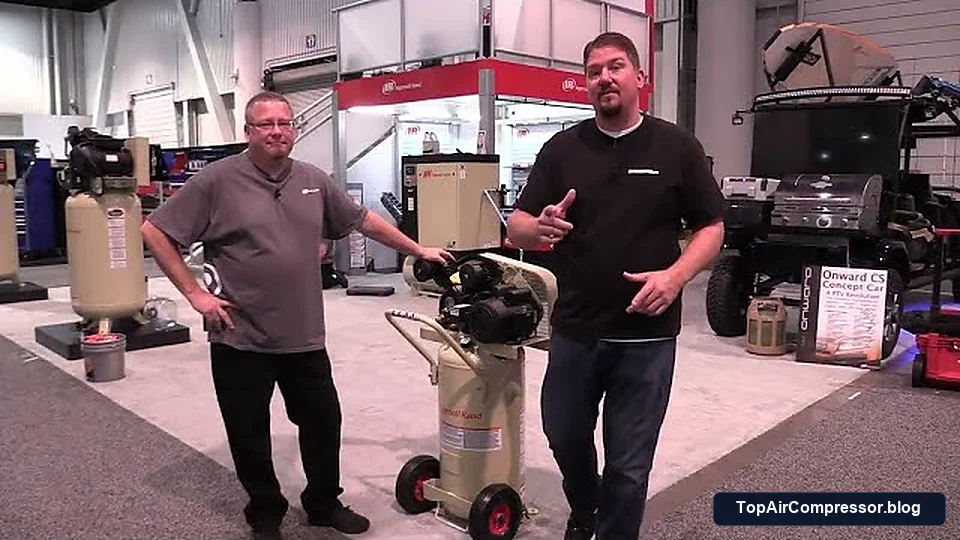
Stationary vertical compressors provide massive air storage capacity for permanent workshop environments. Bolting heavy units to concrete floors minimizes dangerous vibration and reduces operational noise levels significantly.
Assess whether your workflow demands mobile air delivery or fixed workshop capability. Job site contractors prioritize portability, while woodworkers and metal fabricators require stable stationary air systems.
Fixed installations require proper vibration isolation pads placed underneath mounting feet. These rubber pads absorb mechanical shock and prevent structural damage to your concrete workshop floor.
Portable compressors offer unmatched flexibility for jobsite contractors, featuring oil-free pumps and lightweight frames designed for easy loading into service vehicle beds.
Stationary workshop installations provide superior air delivery and larger storage capacities, utilizing vibration pads bolted securely to reinforced concrete flooring for structural stability.
Evaluate your daily workflow to determine whether mobility or high-volume output takes precedence, keeping hose length and friction losses in mind for fixed setups.
Stationary units reduce ambient noise levels inside enclosed workspaces when paired with remote intake piping routed outside the main building envelope for quieter operation.
- Prioritize mobility for remote residential framing job sites.
- Install stationary vertical units on reinforced concrete floors.
- Use vibration isolation pads to reduce mechanical noise.
- Secure portable wheels properly during transit on highways.
Video Walkthrough: What Air Compressor Do You Need? | Harbor Freight
Step-by-Step System Sizing and Calibration Workflow
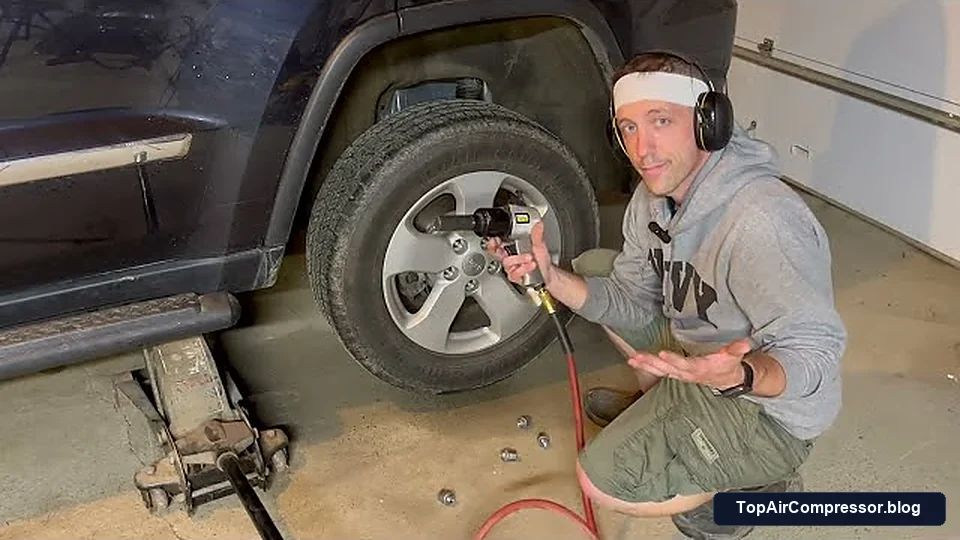
Begin your sizing workflow by compiling a comprehensive list of all pneumatic tools. Calculate total air consumption by combining individual CFM ratings at your target operating pressure.
Multiply your aggregate CFM total by a safety factor of one point five. This calculation ensures your new unit selected from the best mid size air compressor reviews handles unexpected demand spikes without pressure loss.
Measure your available workshop electrical supply to confirm compatibility with compressor motor specifications. Select a tank size that matches your longest continuous task duration without excessive cycling.
Calibrate downstream pressure regulators accurately to deliver correct psi levels to each tool. Proper calibration prevents premature internal wear and maximizes overall pneumatic tool operational efficiency.
Begin your sizing process by listing every pneumatic tool you plan to operate simultaneously, noting their individual air consumption metrics at standard operating pressure thresholds.
Multiply the combined requirement by a safety factor of one point five to accommodate future expansion and normal volumetric efficiency losses over time.
Select a tank size that prevents the motor from exceeding its maximum recommended starts per hour, protecting internal components from thermal overload and premature wear.
Perform a final system calibration check using a calibrated pressure gauge to verify regulator accuracy and downstream flow before releasing the equipment into service.
- Compile a complete inventory of all pneumatic tools.
- Apply a fifty percent safety factor to CFM totals.
- Confirm workshop electrical panel supports motor amperage demands.
- Calibrate downstream pressure regulators for optimal performance.
Common Sizing Mistakes and Pressure Drop Pitfalls
Buying an undersized compressor is the most frequent mistake made by workshop owners. Undersized units run continuously, leading to overheating, excessive moisture production, and premature pump failure.
Neglecting air line diameter causes severe pressure drops across long distribution networks. Using narrow hoses restricts airflow, starving tools of required CFM when consulting our best size air compressor guide for proper setups.
Failing to account for future tool additions results in inadequate workshop air capacity quickly. Always purchase slightly larger equipment than your current requirements demand to accommodate expansion.
Ignoring ambient humidity leads to excessive water accumulation inside compressed air storage tanks. Installing proper aftercoolers and automatic drain valves protects your entire pneumatic tool network from corrosion.
A frequent mistake involves buying a compressor based solely on peak horsepower rather than actual delivered CFM output calculated accurately through our cfm tool sizing calculator for specific workshop requirements.
Undersized distribution piping creates massive pressure drops, starving your pneumatic tools of necessary volume and forcing the compressor to run uninterrupted duty cycles.
Ignoring ambient temperature and altitude adjustments leads to unexpected performance deficits, as thin air reduces actual pump displacement and overall system volumetric efficiency.
Always install moisture traps and filter regulators to remove condensation, protecting sensitive tool internals from rust and internal corrosion caused by humid compressed air.
- Avoid buying undersized units based on peak horsepower claims.
- Use appropriate pipe diameters to eliminate downstream pressure drops.
- Account for future tool additions when sizing storage tanks.
- Install automatic tank drains to manage excessive ambient moisture.
Long-Term Maintenance and Safe Operation Protocols
Routine maintenance extends the operational lifespan of your air compressor investment significantly. Check oil levels daily on lubricated pumps and replace compressor oil according to manufacturer guidelines.
Inspect intake air filters weekly to prevent abrasive dust from entering pump cylinders. Clogged filters restrict airflow, reduce volumetric efficiency, and accelerate internal mechanical wear across components.
Test safety pressure relief valves regularly to verify proper mechanical operation under load. Safety valves prevent catastrophic tank overpressurization, protecting operators from dangerous equipment rupture hazards.
Wear certified eye protection and hearing protection whenever operating pneumatic equipment in workshops. Adhering to strict safety protocols ensures a secure working environment for all personnel involved.
Drain the receiver tank daily to remove accumulated condensation, preventing structural weakening and catastrophic tank failure caused by aggressive internal rust development.
Inspect drive belts regularly for proper tension and wear, ensuring optimal power transfer between the electric motor and the compressor pump flywheel assembly.
Change synthetic compressor oil annually or after recommended operating hours to maintain thermal stability and protect moving parts from friction and premature mechanical breakdown.
Test the ASME safety pressure relief valve periodically to guarantee it opens correctly at the designated maximum pressure threshold during emergency over-pressurization events.
- Check pump oil levels daily before starting operations.
- Replace dirty intake air filters on a monthly schedule.
- Test pressure relief valves manually for proper release.
- Wear certified personal protective equipment during all tasks.
Frequently Asked Questions
How do I calculate the right CFM for my air compressor?
Add up the CFM ratings of all tools you plan to run simultaneously and multiply that total by one point five. This safety margin ensures your compressor never starves your tools of necessary air delivery.
Is horsepower a reliable indicator of air compressor size?
No, marketing horsepower claims often exaggerate actual motor performance and real-world air delivery. Always evaluate the CFM output at ninety PSI instead of relying on advertised peak horsepower numbers.
Do I need a single-stage or two-stage air compressor?
Single-stage compressors handle standard household and automotive repair tasks under one hundred fifty PSI efficiently. Heavy industrial applications requiring continuous high pressure need robust two-stage pump configurations.
Why does my air compressor breaker keep tripping?
Heavy motors draw massive starting currents that can overload standard household electrical circuits instantly. You likely need a dedicated high-voltage circuit installed by a licensed professional electrician.
How large of a tank should I purchase for painting?
Spray painting demands continuous clean airflow for extended periods without interruption. Invest in a sixty-gallon or larger vertical tank paired with high CFM output to prevent pressure fluctuations.