What Size Air Compressor to Run Air Tools?
Choosing the right compressor requires balancing tool air consumption with pressure ratings. Matching your equipment prevents workflow interruptions and premature pump wear.

Always multiply your highest-demand tool requirement by one point four to ensure adequate operational headroom. Never size your system using exact minimum specifications.
Looking for matching picks? See our Best Size Air Compressor For Air Tools: Top Workshop Picks.
Practical Quick-Reference Table
| Scenario / Metric | Recommended Target | Why It Matters |
|---|---|---|
| Brad Nailer Setup | two CFM at ninety PSI | Provides steady cycling without continuous motor engagement during finish carpentry work. |
| Impact Wrench Use | four to six CFM at ninety PSI | Prevents sudden pressure drops when removing stubborn lug nuts or heavy machinery bolts. |
| Paint Spraying Duty | ten to twelve CFM at forty PSI | Ensures consistent atomization and prevents surface defects across large automotive panels. |
| Die Grinder Run | eight to ten CFM at ninety PSI | Sustains high continuous air volume required by high-RPM abrasive turbine motors. |
| Dual-Operator Shop | twenty plus CFM capacity | Maintains stable working pressure when multiple technicians utilize pneumatic tools simultaneously. |
| Tank Volume Rule | thirty to sixty gallon receiver | Buffers motor cycles and cools compressed air before moisture reaches your lines. |
Demystifying Air Delivery Specifications and Tool Demands
Understanding pneumatic tool specifications starts with evaluating volumetric flow rates. Every air tool demands a specific volume measured in cubic feet per minute to operate efficiently under load.
Ignoring these fundamental airflow metrics leads to frustrating pressure drops. Reviewing the best air compressor to run air tools ensures your impact wrenches and sanders maintain proper rotational torque.
Professional workshops rely on precise calculations rather than guesswork. Matching your equipment requirements protects your investment and ensures your pneumatic accessories perform at peak mechanical efficiency every single day.
- Always evaluate tool air consumption at the manufacturer recommended operating pressure.
- Never rely solely on horsepower ratings when sizing a workshop compressed air system.
- Account for pressure drops across long runs of distribution piping and flexible hoses.
- Verify your electrical supply can support the starting amperage of larger motors.
Understanding True Cubic Feet Per Minute Ratings
Manufacturers often display displacement figures that differ significantly from actual delivery. True operational output is measured at standard working pressures like ninety pounds per square inch.
Always inspect the delivery specifications at your specific operating pressure. Displacement numbers only describe pump piston swept volume rather than usable compressed air delivered to your workshop lines.
- Check for standardized delivery ratings rather than raw pump displacement metrics.
- Compare output figures at identical operating pressures when evaluating different models.
Standardized Cubic Feet Versus Actual Working Output
Standard measurements establish a universal baseline for comparing pump capacities. Exploring the best portable air compressor for tools helps you understand how atmospheric conditions heavily influence daily shop operations.
Temperature and humidity fluctuations alter air density inside the intake filter. Recognizing these environmental variables helps technicians choose compressors capable of handling high workloads during hot summer months.
Smart operators factor in a safety margin to compensate for efficiency losses. Designing your pneumatic layout with adequate operational headroom prevents unexpected equipment stalling during critical production phases.
- Ambient temperature increases reduce the actual volumetric efficiency of piston pumps.
- High humidity levels demand efficient aftercoolers and water separators before the air line.
- Intake filters must remain clean to maintain optimal airflow into the compressor pump.
- Altitude adjustments are necessary when operating pneumatic equipment in mountain regions.
Temperature and Pressure Correction Factors
Compressed air systems lose efficiency as operating temperatures rise. High heat expands air molecules, reducing the mass flow rate delivered to your heavy-duty pneumatic installation tools.
Engineers apply specific correction formulas to account for severe environmental changes. Maintaining a cool compressor room significantly improves overall volumetric output and extends pump component lifespan.
- Install intake piping outside hot mechanical enclosures to draw cooler air.
- Monitor operating temperatures closely during extended heavy-duty industrial work sessions.
Video Walkthrough: Tips on Buying Your First Air Compressor | SCFM \u0026 PSI Explained
Evaluating Storage Tank Capacities Versus Continuous Flow
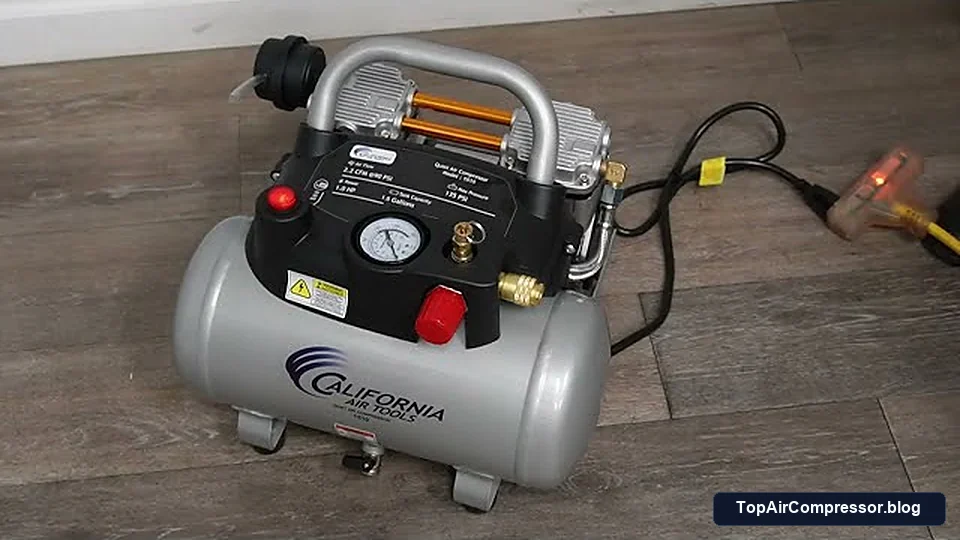
Storage tanks act as a crucial reservoir for intermittent pneumatic operations. A larger receiver tank stores volume, allowing your pump to rest while you utilize nailers or impact wrenches.
Continuous-flow tools demand adequate pump capacity rather than large storage tanks. Using our cfm and tank sizing calculator prevents grinders and sanders from depleting receiver volumes rapidly under heavy loads.
Balancing tank size with pump output creates a reliable compressed air ecosystem. Proper sizing prevents rapid motor cycling and protects electrical components from premature thermal degradation over time.
- Intermittent tools benefit immensely from larger storage tank volume reserves.
- Continuous consumption tools require high CFM pump output rather than big tanks.
- Drain receiver tanks daily to prevent internal rust and moisture accumulation.
- Anchor stationary vertical tanks securely to prevent vibration-induced stress fractures.
How Receiver Tanks Handle Peak Surge Demands
Surge demands occur when multiple tools activate simultaneously in a busy shop. The storage tank absorbs these sudden volumetric spikes without causing drastic drops in main line pressure.
Without adequate tank capacity, pressure drops instantly during high-demand operations. This sudden starvation causes erratic tool behavior and compromises the quality of your finished mechanical work.
- Size your receiver tank based on maximum anticipated simultaneous tool usage.
- Ensure safety relief valves are tested regularly for proper mechanical function.
Understanding Motor Duty Cycles in Pneumatic Systems
Duty cycle ratings dictate how long a compressor motor can run safely. Standard consumer units often feature a fifty percent duty cycle, requiring equal running and resting intervals.
Exceeding recommended duty cycles causes severe overheating and motor burnout. Industrial workshops require continuous-duty pumps capable of running all day without thermal overload protection tripping.
Evaluating your daily workload helps determine whether an oil-free consumer unit suffices. Professional environments demand robust cast iron pumps designed for heavy daily operational cycles.
- Never exceed the manufacturer specified duty cycle to prevent thermal damage.
- Commercial workshops should invest exclusively in continuous-duty rated compressor pumps.
- Allow adequate ventilation around stationary units to dissipate operating heat effectively.
- Check thermal overload switches immediately if your motor shuts down unexpectedly.
Thermal Management and Ventilation Strategies
Effective heat dissipation is vital for maintaining compressor longevity. Motors and pumps generate immense thermal energy that must be expelled rapidly from enclosed mechanical workspaces.
Position your compressor in a well-ventilated area away from direct sunlight. Adequate airflow prevents premature oil breakdown and protects sensitive electrical windings from thermal degradation.
- Keep cooling fins clean and free from accumulated workshop dust.
- Ensure adequate clearance space around the entire compressor housing assembly.
Categorizing Compressor Classes for Specific Workshop Tasks
Pancake and small portable compressors suit basic residential finish carpentry tasks. These compact units handle brad nailers and inflation duties easily while remaining simple to transport.
Single-stage stationary compressors bridge the gap for serious automotive hobbyists. They easily power impact wrenches, ratchets, and medium-duty spray guns during weekend garage restoration projects.
Two-stage industrial compressors deliver the high pressures required for heavy manufacturing. These robust systems easily sustain sandblasters, large die grinders, and multi-operator assembly lines continuously.
- Pancake units offer lightweight portability for trim carpentry and inflation tasks.
- Garage-class units provide adequate power for standard automotive repair work.
- Industrial two-stage compressors support heavy continuous fabrication operations safely.
- Verify power supply requirements before purchasing large stationary workshop compressors.
Portable Units Versus Stationary Shop Systems
Portable compressors prioritize mobility over large storage volume. Their lightweight designs allow contractors to move equipment effortlessly around residential job sites and remodeling projects.
Stationary shop systems provide massive air delivery and high storage capacities. These heavy units remain permanently anchored in dedicated mechanical rooms to supply entire facility networks.
- Select portable units with pneumatic wheels for rough terrain job sites.
- Install rigid copper or aluminum piping networks for permanent shop systems.
Matching Common Pneumatic Tools to Minimum Pressures
Different pneumatic tools require specific operating pressures to function correctly. Brad nailers operate efficiently around seventy pounds per square inch, requiring minimal volumetric air delivery.
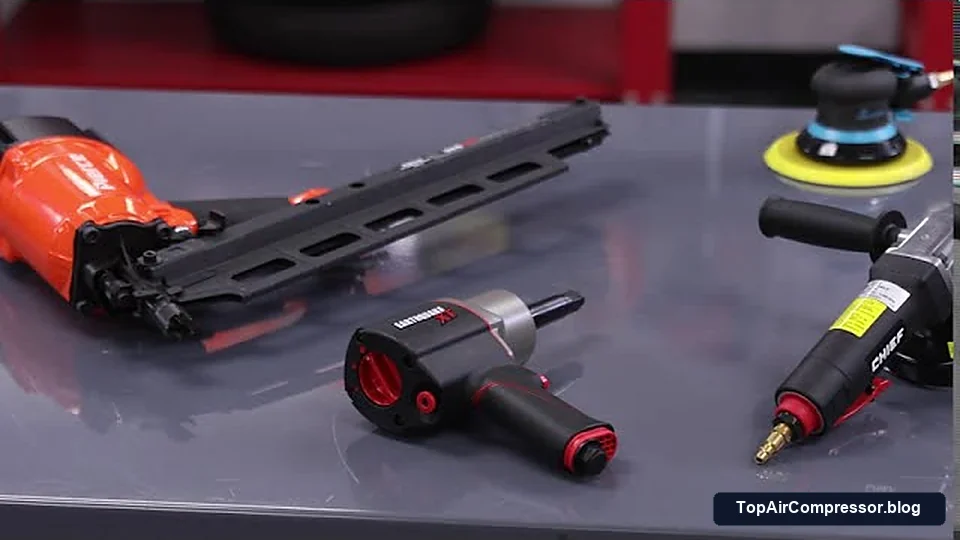
High-torque impact wrenches demand sustained pressure near ninety pounds per square inch. Failing to maintain this pressure threshold results in sluggish performance and incomplete fastener tightening.
Spray painting equipment requires lower pressures paired with high volumes. Regulating your air line carefully prevents overspray and ensures smooth, professional finishes on delicate automotive surfaces.
- Always install a dedicated pressure regulator downstream from your air filter.
- Adjust tool pressure while the trigger is pulled for accurate readings.
- Use high-flow fittings to eliminate restrictions in your supply lines.
- Inspect quick-connect couplers regularly for internal wear and air leaks.
Calibrating Air Regulators and Pressure Gauges
Accurate pressure regulation ensures your pneumatic tools receive exact specifications. Faulty gauges cause incorrect adjustments that either starve tools or damage delicate internal components.
Calibrate your secondary pressure regulators periodically using a certified reference gauge. Maintaining precise pressure control optimizes tool performance and reduces unnecessary energy consumption.
- Replace damaged or sticking pressure gauges immediately for safety.
- Position regulators close to point-of-use drops for maximum accuracy.
Calculating Combined Air Consumption for Multiple Operators
Multi-operator facilities require careful calculation of simultaneous air demands. Adding every tool CFM rating together provides the total volume your compressor must deliver without dropping pressure.
Not all tools operate at the exact same moment during a typical workday. Consult our best size air compressor for air tools guide to prevent overspending on excessively large industrial compressor installations.
Consult experienced compressed air specialists when designing complex multi-drop systems. Proper engineering guarantees stable workflow performance across every workstation in your expanding facility.
- Sum the maximum air requirements of all simultaneously active pneumatic stations.
- Apply a realistic usage diversity factor based on your daily shop habits.
- Design main distribution loops to minimize pressure drop across long distances.
- Install secondary isolation valves for easy maintenance without shutting down production.
Designing Efficient Facility Distribution Piping
Proper piping design prevents friction losses between the compressor and tools. Smooth-bore aluminum or copper piping maintains laminar airflow far better than old black iron.
Incorporate a slight slope in your main header lines toward drainage points. This layout traps condensation and prevents moisture from entering delicate pneumatic tools down the line.
- Avoid ninety-degree elbows where possible to reduce internal flow friction.
- Incorporate drop legs with automatic drain valves at regular intervals.
Frequently Asked Questions
What size air compressor do I need for standard impact wrenches?
Impact wrenches typically require four to six CFM at ninety PSI. Choose a compressor with a twenty-gallon tank or larger for reliable performance.
Can a small pancake compressor run an automotive paint gun?
Small pancake compressors lack the required volume for painting. Spray guns demand ten to twelve CFM, requiring a stationary sixty-gallon compressor.
Why does my air compressor motor run continuously during sanding?
Sanders consume continuous high volume that exceeds pump output. You need a higher CFM rating to match continuous heavy-duty pneumatic tool demands.
How does hose diameter affect my pneumatic tool air pressure?
Narrow hoses restrict airflow and create noticeable pressure drops. Always use a three-eighths inch hose for high-demand tools to maintain full operating pressure.
What is the rule of thumb for sizing an air compressor?
Multiply your highest tool CFM requirement by one point four. This calculation provides safe operational headroom and prevents motor thermal overload.