What Size Compressor Do I Need for Framing Nailer?
Calculating the right air compressor size for framing nailers ensures continuous power and prevents pressure drops. Proper matching protects pneumatic tools from premature wear during heavy construction tasks.

A framing nailer typically requires 2 to 3 CFM at 90 PSI, making a 2-gallon to 6-gallon tank ideal for residential remodeling and framing tasks.
Looking for matching picks? See our Best Size Air Compressor For Framing Nailer: Top Picks.
Practical Quick-Reference Table
| Scenario / Metric | Recommended Target | Why It Matters |
|---|---|---|
| Single Framing Nailer | 2.0 CFM at 90 PSI | Ensures consistent fastener depth without stalling. |
| Dual Framing Crew | 4.5 to 6.0 CFM at 90 PSI | Prevents pressure starvation when firing simultaneously. |
| Tank Capacity (Solo) | 2 to 6 Gallons | Balances portability with adequate reserve air volume. |
| Tank Capacity (Crew) | 10 to 20 Gallons | Reduces motor cycling frequency during rapid nailing. |
| Operating Pressure | 100 to 120 PSI Output | Compensates for friction loss through long air hoses. |
| Hose Inner Diameter | 3/8 inch | Minimizes airflow restriction compared to narrow hoses. |
Understanding Framing Nailer Air Demand and CFM Ratings
Framing nailers consume a substantial volume of compressed air compared to finishing tools. Every single cycle forces a piston downward using stored pneumatic energy, demanding rapid replenishment from the compressor pump.
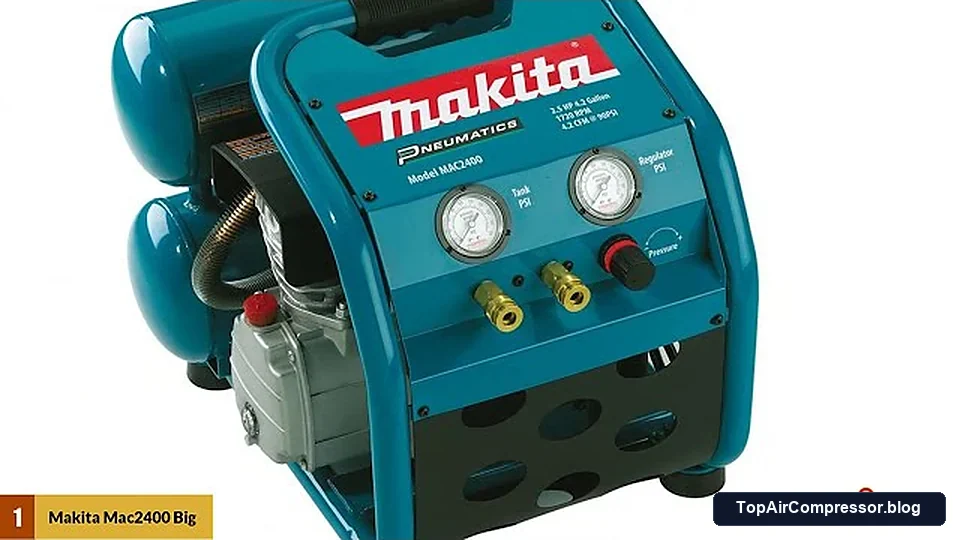
Manufacturers calculate air consumption using Free Air Delivery measured in cubic feet per minute at specific pressures. Evaluating your framing nailer's exact CFM requirement prevents frustrating pressure drops during heavy stud work.
A standard framing nailer consumes roughly 0.05 to 0.07 cubic feet per shot. Evaluating the best size air compressor for framing nailer models ensures you easily match strict jobsite CFM demands.
Ignoring CFM ratings often leads to delayed fastener seating and excessive motor wear. Always cross-reference your specific nailer model specifications against the compressor pump output curves before starting any project.
- Check manufacturer CFM ratings at 90 PSI operating pressure.
- Account for intermittent firing cycles versus continuous industrial use.
- Never rely solely on horsepower ratings for pneumatic tool performance.
- Verify pump displacement versus actual delivered air volume metrics.
Single Versus Multi-Tool Air Demands
Running multiple framing nailers from a single compressor multiplies your total air requirement instantly. A two-man framing crew needs double the CFM capacity to prevent simultaneous pressure drops.
Always add individual tool requirements together and add a twenty percent safety buffer for line losses. This ensures reliable performance when carpenters fire nails simultaneously on demanding jobsites.
- Multiply single tool CFM by total active framing crew size.
- Incorporate a safety margin for friction and line losses.
Tank Capacity Requirements for Continuous Fastener Driving
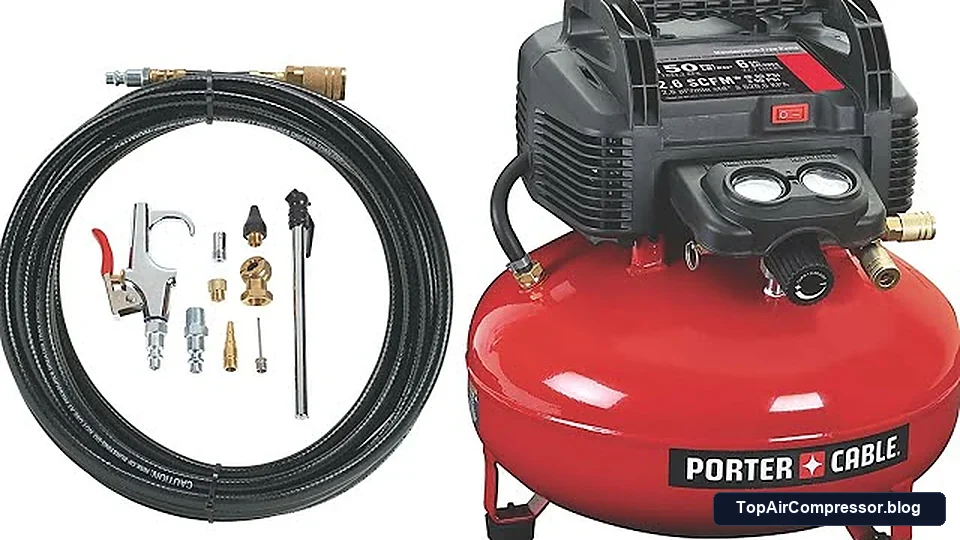
Air compressor tank size dictates how long your motor remains idle between cycles. Choosing a model from our best pancake air compressor for framing nailer reviews reduces frequent pump activation.
For solo framing contractors working on residential builds, a two to six gallon pancake or twin-stack tank provides optimal portability. These compact units easily maneuver through stairways and tight framing spaces.
If your project involves subflooring and roof decking with heavy nailing schedules, consider upgrading to a ten to twenty gallon wheeled tank. Higher capacity reservoirs prevent constant motor cycling and voltage drops.
Smaller tanks recover quickly but run continuously under heavy workloads, accelerating pump component wear. Matching your reservoir volume to your nailing frequency preserves equipment lifespan and jobsite peace.
- Choose 2 to 6 gallons for lightweight, highly mobile solo framing.
- Select 10 to 20 gallons for high-volume production framing crews.
- Ensure tank pressure ratings exceed your maximum regulator output safely.
- Drain moisture daily to prevent internal corrosion and pressure loss.
Pancake Versus Twin-Stack Tank Configurations
Pancake tanks offer low centers of gravity and compact footprints for easy transport. However, their single-chamber design limits auxiliary storage compared to dual-cylinder configurations found on twin-stack models.
Twin-stack compressors distribute air storage across two horizontal tanks for balanced weight distribution. These units typically provide slightly higher working pressures and better overall durability on rough construction sites.
- Pancake tanks maximize vertical clearance in cramped storage areas.
- Twin-stack tanks offer improved stability on uneven subfloors.
Video Walkthrough: How to Use METABO’s Air Compressor and Nail Guns (Brad, Finish \u0026 Framing)
Operating Pressure Specifications and PSI Adjustments
Framing nailers typically operate efficiently within a pressure range of 70 to 120 PSI. Setting your compressor regulator correctly prevents wood damage while ensuring complete fastener penetration into dense lumber.
Exceeding maximum pressure limits specified by the nailer manufacturer can fracture internal cylinder seals. Conversely, insufficient pressure leaves nail heads protruding dangerously above the wooden framing surface.
Modern pneumatic framing nailers feature depth-of-drive adjustments to fine-tune flushness. Adjusting the tool mechanism rather than cranking up regulator pressure protects internal components from premature shock damage.
Monitor your tank pressure gauge during rapid firing sequences to track stability. Using our cfm and tank sizing calculator helps verify whether your compressor pump keeps pace with tool demand.
- Calibrate regulator output between 90 and 110 PSI for standard framing.
- Never exceed the maximum pressure rating stamped on your nailer housing.
- Use tool-mounted depth adjustments instead of excessive line pressure.
- Inspect regulator valves regularly for internal air leakage and drift.
Managing Pressure Drop Across Long Runs
Friction inside long air delivery hoses causes noticeable pressure drops at the tool inlet. Compensating for this loss requires setting your compressor regulator slightly higher than the actual tool requirement.
Calculate approximately one to two PSI of pressure loss for every ten feet of standard hose. Using larger diameter hoses significantly reduces this friction-induced pressure drop during operation.
- Increase regulator output slightly to offset long hose friction.
- Keep total hose runs as short as practically possible on site.
Hose Diameters, Lengths, and Pressure Drop Mitigation
Hose selection directly influences pneumatic performance delivered to your framing nailer. Reviewing our best size air hose for framing nailer guide prevents restrictive lines from starving tools of vital airflow.
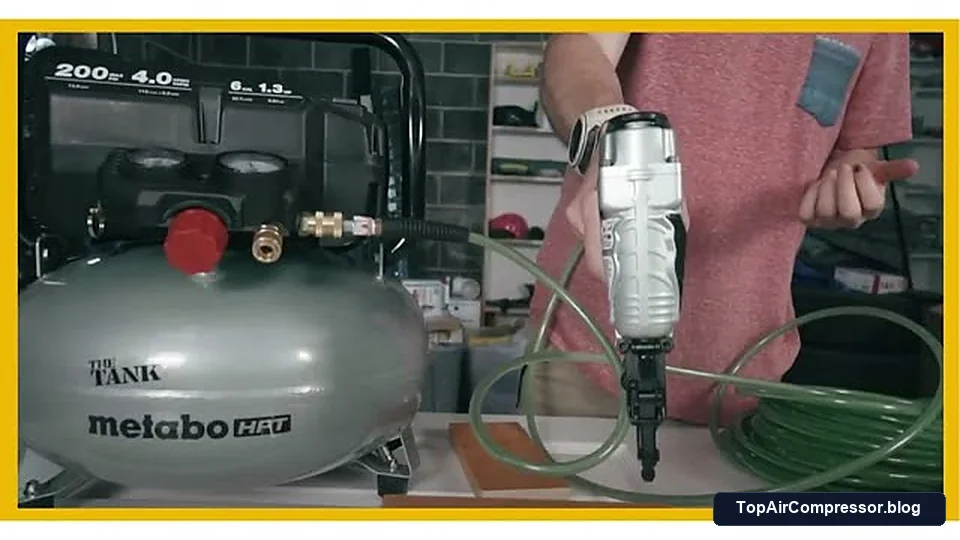
Always utilize a three-eighths inch inner diameter hose for framing applications longer than twenty-five feet. Quarter-inch hoses restrict CFM delivery and cause sluggish nailer response times under heavy loads.
Avoid stringing multiple excessively long hoses together across large construction zones. Excessive total length creates cumulative friction that degrades tool power and slows down piston return cycles.
Inspect flexible leader hoses and quick-disconnect fittings for internal restrictions or debris accumulation. Clean connections ensure maximum pneumatic efficiency and consistent framing nailer operation throughout the day.
- Opt for 3/8-inch hoses to maintain adequate airflow volumes.
- Limit total hose length to prevent excessive friction pressure drops.
- Use lightweight polyurethane or hybrid polymer hoses for easy handling.
- Replace worn quick-connect fittings that leak compressed air constantly.
Fittings and Coupler Restrictions
Standard automotive-style couplers often feature narrow internal orifices that restrict airflow. Upgrading to high-flow industrial fittings maximizes CFM delivery to demanding pneumatic framing nailers.
Ensure all manifold connections and whip hoses match the inner diameter of your primary supply line. Eliminating bottlenecks anywhere in the pneumatic circuit preserves consistent operating pressure.
- Install high-flow pneumatic couplers to minimize flow restrictions.
- Verify internal fitting diameters match your primary hose specs.
Jobsite Power Sources and Electrical Circuit Demands
Air compressor electric motors demand substantial starting current when cycling on construction sites. Insufficient electrical supply causes motor stalling, tripped breakers, and permanent winding damage over time.
Standard portable framing compressors generally operate safely on 15-amp or 20-amp 120V circuits. Verify that your extension cords feature heavy-gauge wiring to prevent dangerous voltage drops during motor startup.
Using undersized extension cords forces electric motors to draw excessive amperage to compensate. This thermal overload trips internal thermal protection switches and shortens compressor motor lifespan significantly.
When running generators on remote jobsites, ensure clean power output and adequate wattage headroom. Compressor motors require up to three times their running wattage during initial startup surges.
- Plug compressors into dedicated 15A or 20A grounded circuits.
- Use heavy-gauge extension cords rated for outdoor construction use.
- Keep extension cord lengths under fifty feet whenever possible.
- Verify generator surge wattage before connecting electric compressors.
Extension Cord Gauge Selection
Match your extension cord wire gauge strictly to the compressor amperage draw. A 12-gauge cord safely handles most portable jobsite compressors without causing harmful voltage drops over moderate distances.
Never daisy-chain multiple extension cords together to reach distant power outlets. This practice increases electrical resistance, generates excessive heat, and starves the compressor motor of necessary voltage.
- Select 12-gauge or 10-gauge heavy-duty electrical extension cords.
- Avoid daisy-chaining multiple cords across the construction site.
Routine Maintenance Protocols for Framing Compressors
Dust, wood debris, and jobsite grit accelerate wear on compressor pump valves and rings. Establishing consistent maintenance routines protects your equipment investment and ensures reliable pneumatic performance.
Drain accumulated moisture from your air storage tank after every single workday to prevent internal rust. Water accumulation weakens tank structural integrity and introduces moisture into your nailer.
Inspect intake air filters weekly and clean or replace them when clogged with sawdust. Restricted air intake reduces pump volumetric efficiency and forces the motor to run longer cycles.
Check oil levels regularly on lubricated compressor pumps using the sight glass indicator. Clean oil prevents excessive friction and overheating during prolonged framing sessions in hot weather.
- Drain tank moisture daily using bottom drain valves completely.
- Clean or replace dusty air intake filters on a weekly schedule.
- Monitor oil levels and use recommended synthetic compressor lubricants.
- Test safety relief valves periodically to verify proper pressure release.
Cold Weather Storage and Operation
Freezing temperatures cause condensed moisture inside tanks to ice over and block drain valves. Store compressors in heated areas or drain them thoroughly when operating in sub-zero winter conditions.
Cold ambient air thickens compressor oil, increasing motor startup resistance significantly. Allow oil-lubricated units to warm up slowly before subjecting them to heavy framing workloads.
- Prevent freeze damage by draining all tank moisture completely.
- Allow cold pumps a brief warm-up cycle before heavy nailing.
Frequently Asked Questions
What size air compressor do I need for a single framing nailer?
A 2-gallon to 6-gallon compressor delivering at least 2.0 CFM at 90 PSI easily powers a single framing nailer. This size provides excellent portability and sufficient air reserve for standard residential framing tasks.
Can I run two framing nailers on a small pancake compressor?
Small pancake compressors lack the CFM output required to run two framing nailers simultaneously. Trying this will cause severe pressure drops, delayed nail seating, and continuous motor overheating on the jobsite.
Why does my framing nailer leave nails protruding when firing rapidly?
Rapid firing depletes tank air volume faster than the pump can replenish it, causing pressure starvation. Upgrading your tank size or using a higher CFM compressor resolves this common workflow bottleneck.
Does hose diameter affect the performance of my framing nailer?
Using a narrow quarter-inch hose creates friction that restricts vital airflow to the tool. Always use a 3/8-inch inner diameter hose to maintain maximum pneumatic pressure and consistent driving power.
How often should I drain the water from my framing compressor tank?
You must drain accumulated moisture from your air storage tank after every daily use. This prevents internal rust formation and stops water from entering your pneumatic framing nailer.