What Size Compressor Do I Need for HVLP Gun?
Determining correct pneumatic capacity prevents pressure drops during finishing work. Proper equipment matching ensures flawless automotive or furniture topcoats.

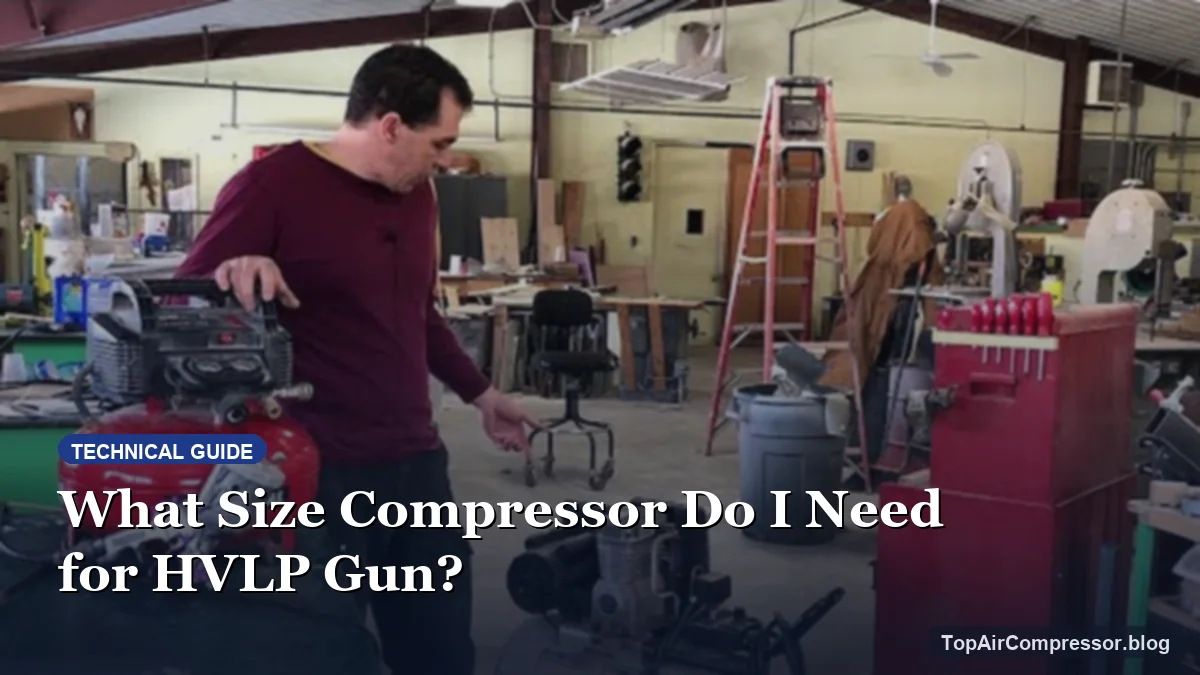
You typically need a compressor delivering 10 to 14 CFM at 40 PSI paired with a 60-gallon tank to run a standard HVLP spray gun continuously without stuttering.
Looking for matching picks? See our Best Air Compressor For Hvlp Gun: Top Picks & Guide.
Practical Quick-Reference Table
| Scenario / Metric | Recommended Target | Why It Matters |
|---|---|---|
| Touch-up HVLP Gun | 4-6 CFM at 40 PSI | Handles small localized repairs efficiently. |
| Standard Full-Size HVLP | 10-14 CFM at 40 PSI | Prevents pressure drops during large panels. |
| Tank Capacity | 60 Gallons Minimum | Buffers motor cycles and cools compressed air. |
| Hose Inner Diameter | 3/8 inch or larger | Reduces severe pressure restriction over distance. |
| Moisture Filtration | Desiccant or coalescing | Stops water droplets from ruining polyurethane. |
| Regulator Placement | At the gun inlet | Ensures precise atomization pressure control. |
Decoding High Volume Low Pressure Air Requirements
HVLP spray guns operate by using high air volume at lower pressures to maximize transfer efficiency. Traditional spray equipment atomizes paint using excessive force, resulting in heavy overspray waste.
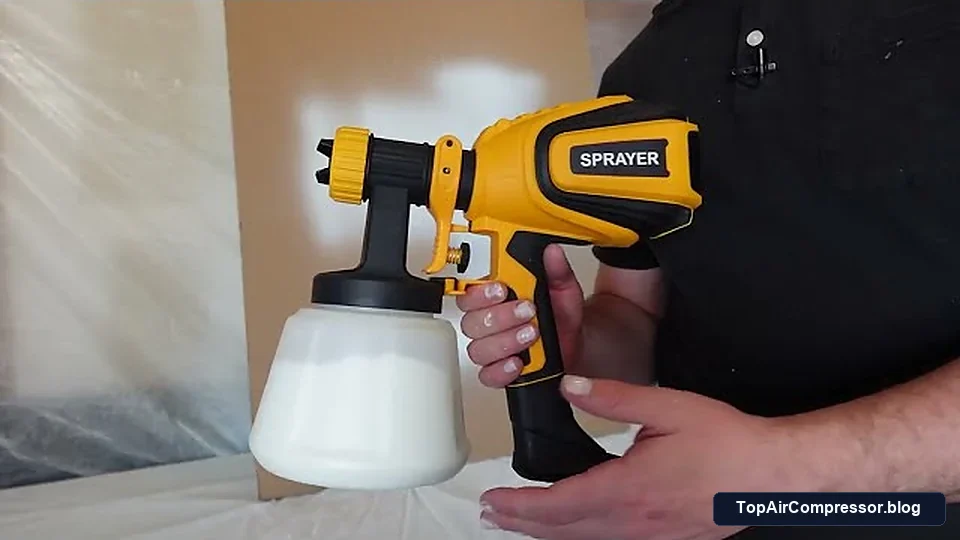
Because these tools demand continuous airflow, standard pancake units often fail. Using our cfm tool sizing calculator helps protect your finish quality from sudden operational air starvation.
Professional results demand matching your pneumatic source directly to nozzle fluid tip specifications. Neglecting these fundamental volume metrics leads directly to orange peel texture and uneven coverage patterns.
Evaluating your specific coating materials helps determine whether you need a stationary unit. High-viscosity clears require sustained pneumatic output compared to thin wood stains and automotive primers.
- HVLP stands for high volume, low pressure atomization.
- Transfer efficiency often exceeds sixty-five percent with proper tuning.
- Continuous spraying requires uninterrupted volumetric flow capacity.
- Lower operating pressures significantly reduce airborne paint waste.
Nozzle Tip Size Impact
Smaller fluid tips require slightly lower volumetric output compared to high-output production nozzles used in automotive shops. Monitoring tip specifications helps prevent unexpected air starvation during extended spraying passes.
Matching the exact manufacturer recommendations ensures your compressor motor does not run continuously under heavy industrial loads. Always verify these precise requirements before starting large finishing projects.
- Verify fluid tip measurements before starting.
- Check manufacturer CFM consumption charts carefully.
Evaluating Compressor Tank Volume and Horsepower
Tank capacity acts as a vital thermal buffer that cools compressed air before reaching your hoses. Choosing units from our best air compressor for hvlp gun selection prevents the pump from cycling continuously.
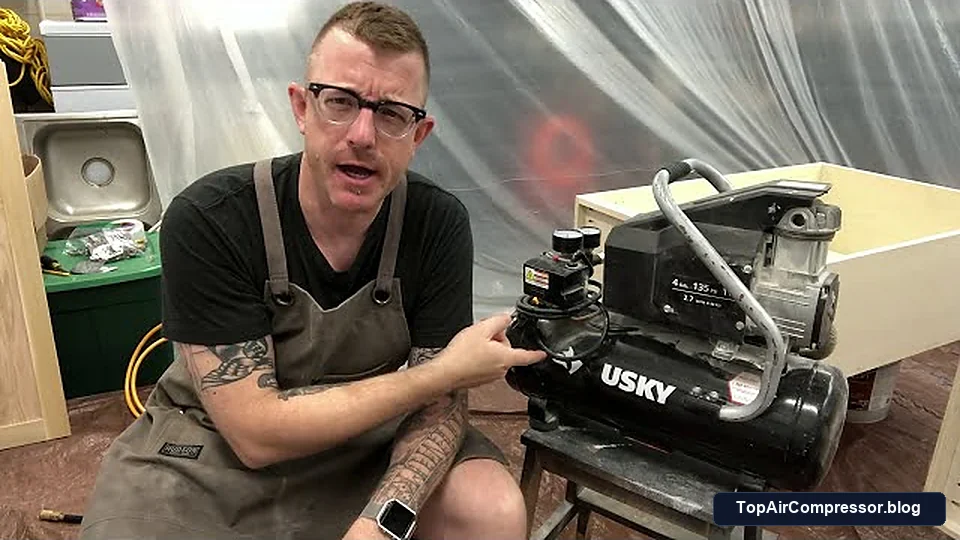
While horsepower ratings attract attention, cubic feet per minute ratings dictate actual tool performance. Never rely solely on advertised horsepower claims when sizing your shop air compressor system.
Stationary units featuring twin-cylinder pumps provide the sustained output required for professional finishing tasks. Portable pancake models lack the necessary thermal mass to support extended automotive painting jobs.
Investing in a properly sized receiver tank reduces excessive wear on internal reed valves. This longevity saves maintenance costs and eliminates unexpected downtime during critical coating schedules.
- Horsepower ratings often exaggerate true motor output.
- Focus strictly on certified cubic feet per minute.
- Twin cylinders dissipate operating heat much faster.
- Larger tanks prevent rapid motor cycling cycles.
Understanding Duty Cycles
Duty cycles define the percentage of time a compressor motor can operate safely. Exceeding recommended thermal limits causes premature motor failure and trips circuit breakers.
Selecting a unit with a higher duty cycle rating ensures uninterrupted workflow during multi-stage coating applications. Proper thermal management protects your electrical system from costly burnout.
- Monitor running versus resting ratios.
- Avoid overheating workshop electrical circuits.
Video Walkthrough: Harbor Freight Paint Gun and What Size Air Compressor Do You Need
Understanding CFM Delivery Versus Operating Pressure
Air compressors deliver varying cubic feet per minute depending on the specified pounds per square inch level. Always evaluate ratings at the required working pressure of your spray equipment.
Standard HVLP spray guns typically require pressures between twenty and thirty pounds per square inch at the cap. However, supply lines must maintain adequate volume to sustain that pressure.
Pressure drop across long hose runs can severely starve your spray gun of necessary volume. Calculating total system friction loss prevents unexpected pressure sags during paint application.
Checking pump displacement figures against actual delivered air helps identify efficient equipment options. True performance metrics are always measured at standard ambient temperature and pressure conditions.
- CFM ratings decrease as operating pressure increases.
- Spray guns require stable volume under load.
- Friction loss reduces effective working pressure.
- Measure delivery at specific target pressures.
Calculating Total System Demand
Adding safety margins to your baseline CFM calculations prevents motor strain during peak operational periods. Professional workshops typically multiply base tool requirements by a safety factor.
Account for potential air leaks in fittings when determining your total compressor capacity needs. Evaluating units featured in our best air compressor for nail gun roundup helps prevent chronic pressure loss issues.
- Apply a twenty percent safety margin.
- Inspect all quick-disconnect fittings regularly.
Plumbing Your Shop For Minimal Pressure Loss
Rigid copper or aluminum distribution piping minimizes internal friction compared to flexible rubber lines. Installing properly sized main trunk lines ensures consistent airflow throughout your entire workspace.
Avoid using restricted fittings or undersized quick-disconnect couplers that choke vital pneumatic volume. Every restriction in your plumbing network drops usable pressure at the spray gun inlet.
Slope fixed distribution lines slightly toward drain valves to capture condensed liquid effectively. Proper slope management keeps moisture out of your expensive finishing equipment and hoses.
Installing drop legs at terminal points catches debris and water before reaching tool connections. This simple piping strategy protects sensitive automotive topcoats from unexpected contamination defects.
- Use rigid piping for main shop runs.
- Minimize sharp ninety-degree plumbing elbows.
- Incorporate slope for effective condensation drainage.
- Install drop legs at all terminal stations.
Selecting Proper Hose Diameters
Quarter-inch hoses severely restrict airflow over distances exceeding ten feet in length. Upgrading to three-eighths inch inner diameter lines eliminates unnecessary pressure drop for spray tools.
Ensure your whip hose matches high-flow connection standards to maintain maximum atomization pressure during heavy spray sessions. Proper connector sizing prevents hidden bottlenecks.
- Avoid long quarter-inch supply lines.
- Use high-flow fittings on all hoses.
Managing Moisture and Oil Contamination Risks
Compressed air naturally accumulates moisture as it cools inside storage tanks and distribution lines. Water droplets mixing with your paint create disastrous fish-eye blemishes on finished surfaces.
Installing multi-stage filtration systems removes water, oil vapor, and particulate matter completely. Coalescing filters catch microscopic oil aerosols before they reach your spray gun nozzle.
Desiccant dryers provide ultra-dry air necessary for high-humidity environments and delicate automotive clear coats. Monitoring filter elements prevents saturated media from releasing trapped moisture back downstream.
Locating secondary regulators and moisture traps close to your work area ensures maximum effectiveness. Treating air right at the point of use catches contaminants generated inside long hoses.
- Water contamination ruins fresh paint finishes.
- Use coalescing filters for oil removal.
- Desiccant dryers absorb remaining vapor moisture.
- Position traps close to the operator.
Drainage Maintenance Schedules
Manually draining receiver tanks daily prevents internal corrosion and excessive moisture carryover. Automatic electronic drain valves offer a reliable alternative for busy commercial woodworking shops.
Inspect filter bowls frequently to catch failing seals or saturated internal filter elements early. Routine maintenance guarantees clean air delivery for flawless finishes.
- Drain tanks after every major project.
- Service filter elements on schedule.
Video Walkthrough: Air Compressors for HVLP spray guns: What compressor should I buy?
Step-by-Step Regulator and Hose Calibration
Setting your air pressure correctly with the gun fully triggered prevents false pressure readings. Static pressure checks drop significantly once air begins flowing through the fluid nozzle.
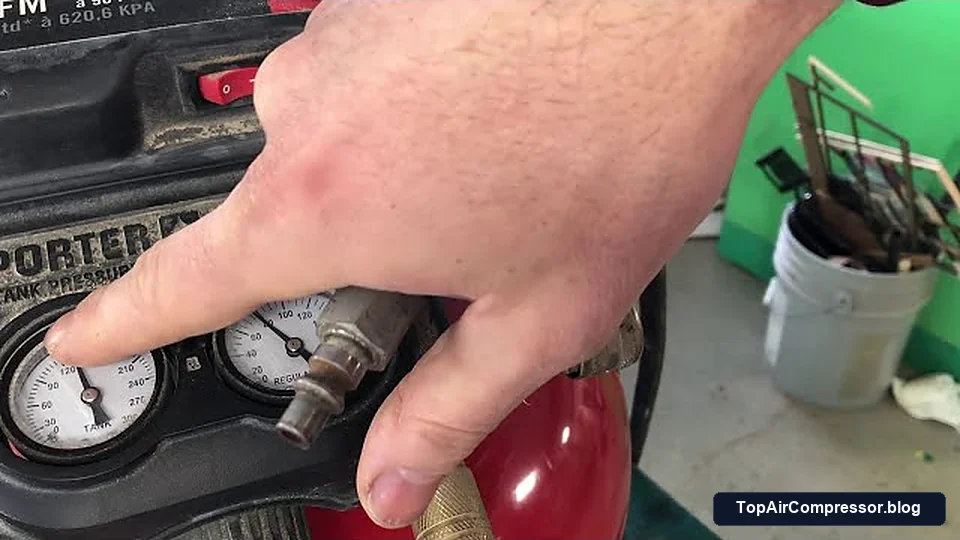
Adjust the primary regulator at the tank and fine-tune pressure using a specialized gun-mounted regulator. This two-tier regulation approach guarantees precise atomization control during critical passes.
Check for internal hose restrictions if your pressure fluctuates wildly during trigger pulls. Balanced airflow keeps your spray pattern uniform and prevents blotchy finish application defects.
Verify gauge accuracy annually to ensure you are not unknowingly spraying at incorrect pressures. Damaged gauges compromise your entire finishing setup and waste expensive finishing materials.
- Always set pressure with the gun flowing.
- Use a gun-mounted regulator for fine control.
- Inspect gauges for physical damage regularly.
- Maintain balanced airflow across all lines.
Testing Spray Pattern Quality
Test your fan pattern on scrap cardboard before spraying valuable project surfaces. Adjust fluid and air controls until you achieve a uniform oval deposition pattern.
Uneven fan shapes indicate clogs or incorrect pressure settings at the cap. Cleaning equipment immediately prevents permanent nozzle damage during active finishing.
- Test patterns on scrap material first.
- Clean fluid tips if patterns distort.
Troubleshooting Common Air Starvation Symptoms
Sputtering spray patterns and surging fluid output usually indicate severe compressor air starvation. Reviewing options in our best portable air compressor for hvlp spray gun guide ensures you maintain proper operating pressure levels.
Check for undersized extension cords that starve your electric motor of proper running voltage. Low voltage causes thermal overloads and drastically reduces compressor pump efficiency.
Inspect intake filters regularly to ensure unrestricted airflow into the pump cylinders. Clogged paper elements choke volumetric output and force your motor to work harder.
Addressing these bottlenecks restores consistent pressure and protects your finishing quality from failure. Systematic diagnostics save time and prevent frustrating delays on urgent jobs.
- Sputtering guns indicate low air volume.
- Verify proper electrical supply voltage levels.
- Replace dirty air intake filters promptly.
- Check for hidden leaks in plumbing.
Diagnosing Pressure Surges
Failing pressure switches can cause erratic cycling and sudden pressure drops during operation. Replace faulty electrical switches immediately to maintain steady tank pressure control.
Keep spare regulator diaphragms on hand to minimize downtime during workshop maintenance. Preparedness ensures smooth operational flow across all projects.
- Test pressure switch contacts periodically.
- Keep critical replacement spares available.
Frequently Asked Questions
Can a small portable compressor run an HVLP gun?
Small portable units lack the sustained airflow required for continuous spraying work. You need at least a 60-gallon tank delivering high CFM to avoid pressure drops.
What CFM do I need for automotive painting?
Automotive painting demands 10 to 14 CFM at 40 PSI for uninterrupted coverage. Matching these strict volume requirements prevents frustrating orange peel textures.
Why is water spitting from my spray gun nozzle?
Moisture accumulates naturally in compressed air systems during cooling cycles. Install desiccant filtration systems near your workstation to trap harmful liquid droplets effectively.
Does hose diameter affect spray gun performance?
Yes, using narrow hoses creates severe friction loss over long distances. Always select 3/8 inch or larger lines to maintain optimal working pressure.
How often should I drain my air compressor tank?
Manual drainage should occur after every major painting project to prevent internal rust. Automatic drain valves offer a convenient alternative for busy workshops.