What Weight Is Air Compressor Oil?
Selecting the correct lubricant weight prevents premature pump wear and thermal breakdown. Proper viscosity ensures optimal sealing and reduced friction across varied operating temperatures.

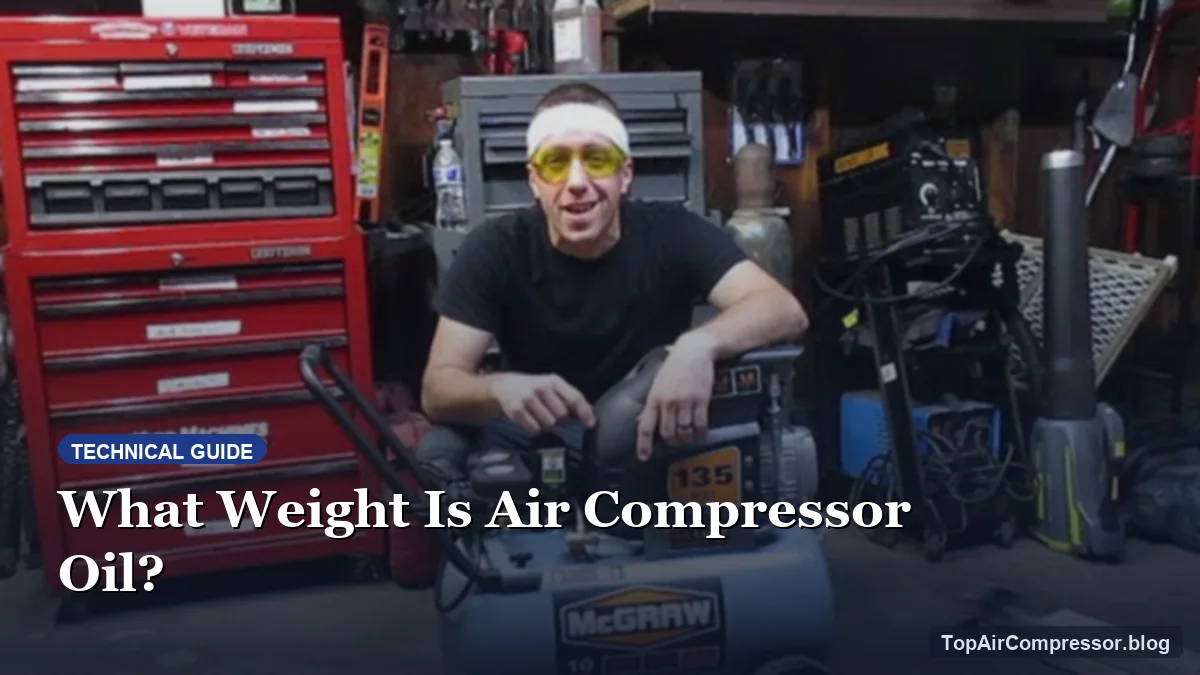
Most standard reciprocating pumps require non-detergent ISO 68 or SAE 20 weight oil. Always consult your specific manufacturer manual before filling the crankcase.
Looking for matching picks? See our Best Oil Less Air Compressor: Top Picks & Buying Guide.
Practical Quick-Reference Table
| Scenario / Metric | Recommended Target | Why It Matters |
|---|---|---|
| Standard Workshop | ISO 68 / SAE 20 | Balances sealing and flow |
| Cold Environment | ISO 32 / SAE 10 | Prevents startup torque overload |
| High Heat / Duty | ISO 100 / SAE 30 | Resists thermal thinning |
| Synthetic Blend | ISO 46 or 68 | Extends service intervals safely |
| Reciprocating Pump | Non-detergent oil | Prevents carbon valve buildup |
| Rotary Screw | Specialized turbine fluid | Handles continuous cooling loads |
Decoding Air Compressor Oil Viscosity and Weight Standards
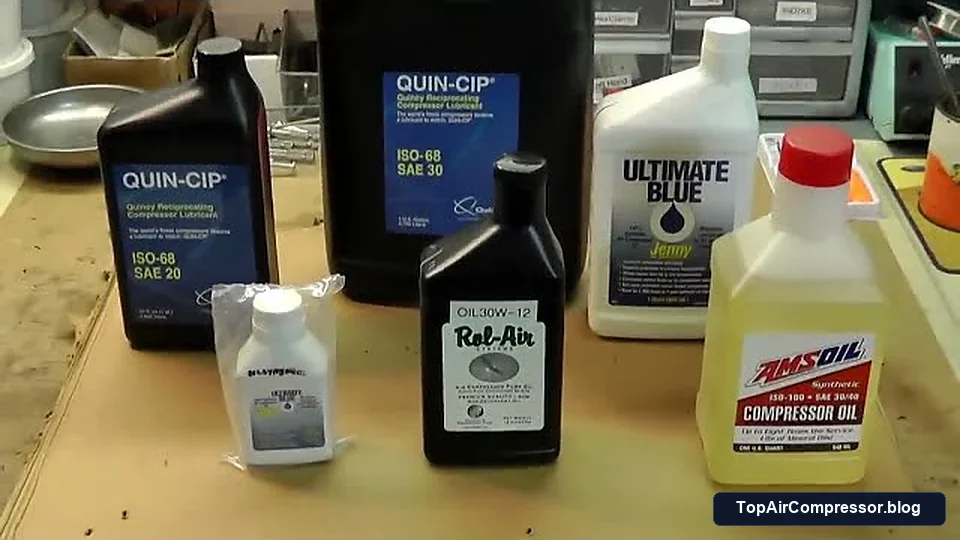
Air compressor oil weight directly determines how thick the fluid remains under operating temperatures. Using an improper weight rating creates excessive friction or inadequate film strength inside the pump.
Standard automotive motor oils contain detergents that form carbon deposits on compressor valves. When selecting the best oil lubricated air compressor, use non-detergent formulas to keep internal valve plates clean.
Viscosity measurements follow standardized grading systems established by lubricant organizations globally. Understanding these numerical values helps technicians select reliable fluid for heavy industrial or light workshop tasks.
Operating a compressor with incorrect oil weight drastically shortens component lifespans. Proper fluid dynamics ensure complete piston ring sealing and optimal thermal heat dissipation during compression cycles.
Understanding ISO viscosity grades is crucial for selecting the right compressor oil. Unlike automotive engine oils, industrial compressors require non-detergent formulas that prevent carbon buildup on vital valve assemblies.
Most reciprocating units operate effectively using ISO 68 oil, which equates roughly to an SAE 20 weight. Rotary screw models often demand lighter ISO 32 or 46 fluids to maintain optimal thermal transfer.
Viscosity measurements dictate how fluid behaves under extreme operating temperatures. Selecting an improper grade causes severe metal-on-metal friction, accelerating wear across critical piston rings, bearings, and cylinder wall interfaces.
Always cross-reference manufacturer specifications listed on the crankcase nameplate before pouring new fluids. Using unapproved automotive multi-grade oils introduces harmful additives that foam excessively and damage internal compressor components.
- Never use standard multi-grade automotive engine oil.
- Verify ISO or SAE grading before filling.
- Keep crankcase levels strictly between sight glass markers.
- Drain existing fluid completely during seasonal weight changes.
Standard Grading Metrics Explained
Industrial equipment typically relies on ISO viscosity grades ranging from thirty-two to one hundred. These numerical ratings quantify kinematic fluid resistance at standard laboratory test temperatures.
Older portable units often reference traditional SAE weight ratings like twenty or thirty. Translating these scales correctly ensures your machine receives adequate lubrication across varied ambient conditions.
- ISO numbers measure centistokes at forty degrees Celsius.
- SAE numbers correlate roughly to traditional automotive motor standards.
Technical Differences Between Mineral and Synthetic Lubes
Mineral compressor oils derive from refined crude petroleum stocks, offering reliable baseline protection. Before purchasing replacement fluids, use our cfm tool sizing calculator to verify precise equipment requirements.
Synthetic lubricants utilize chemically engineered base stocks that resist thermal breakdown significantly longer. Choosing a synthetic ISO 68 fluid reduces varnish formation on internal discharge valves.
Selecting between mineral and synthetic formulas depends heavily on your daily duty cycle. High-demand commercial shops benefit from synthetics due to extended service intervals and superior thermal stability.
Mixing mineral and synthetic oils can cause unpredictable chemical reactions and premature breakdown. Always purge the crankcase thoroughly when transitioning between different lubricant chemistry types.
Conventional mineral oils derive from refined crude petroleum, offering adequate lubrication for standard intermittent workshop tasks. However, these natural fluids break down rapidly when subjected to sustained high operating temperatures.
Synthetic lubricants utilize engineered polyalkylene glycol or synthetic diester bases. These advanced formulations resist thermal degradation, extending oil change intervals significantly beyond standard mineral-based alternatives while resisting oxidation.
Carbon residue accumulation poses a major hazard in reciprocating pumps running on inferior mineral oils. Synthetic alternatives inhibit varnish formation, keeping intake and discharge valves functioning cleanly during heavy continuous duty cycles.
Although synthetics carry a higher upfront acquisition cost, their superior film strength prevents premature pump failure. Facilities operating compressors in demanding industrial environments achieve rapid return on investment through reduced maintenance.
- Mineral oils need replacement every three months typically.
- Synthetics withstand higher continuous operating temperatures safely.
- Synthetic fluids resist carbon buildup on reed valves.
- Consistency prevents additive clashes within the pump crankcase.
Performance Benefits of Engineered Base Stocks
Synthetic oils maintain stable viscosity across a much wider operating temperature range. This stability protects internal bearings during cold weather startups and hot afternoon work shifts.
Advanced additive packages in synthetic formulas inhibit rust and oxidation more effectively than standard petroleum. These properties reduce long-term maintenance costs and prevent unexpected equipment downtime.
- Synthetics offer superior oxidation resistance.
- Extended drain intervals reduce overall fluid consumption.
Video Walkthrough: What’s the Difference between Motor and Compressor Oil?
Temperature Factors Governing Correct Oil Weight Selection
Ambient workshop temperature heavily dictates which oil weight you should pour inside. Cold winter mornings require thinner ISO 32 oils to prevent excessive motor strain during startup.
Conversely, scorching summer conditions demand heavier viscosity fluids to maintain protective film strength. Using thin oil in high heat leads to metal-on-metal contact inside the compressor pump.
Thermal expansion alters internal tolerances within reciprocating cylinders during heavy workloads. Proper oil weight accommodates these shifting clearances while maintaining effective compression sealing properties.
Monitoring operating temperatures helps technicians determine if a seasonal weight shift is necessary. Extreme climate shifts demand proactive fluid management to preserve expensive cast iron pump blocks.
Ambient workshop temperature directly dictates the required lubricant viscosity grade. If winter maintenance becomes too demanding, upgrading to the best oil less air compressor eliminates fluid weight concerns entirely.
Conversely, scorching summer heat thins out standard oils dangerously, reducing essential film thickness. Technicians must switch to heavier viscosity weights when operating equipment outdoors in high ambient temperature environments to prevent scoring.
Low-temperature startups place immense strain on electric motors and pump crankshafts. Using an ISO 32 fluid prevents excessive starting torque resistance, protecting electrical windings from burning out during cold weather operations.
Internal operating temperatures inside commercial rotary screw compressors often exceed 200 degrees Fahrenheit. Selecting thermally stable synthetic oils prevents catastrophic viscosity breakdown under these extreme continuous industrial thermal loads.
- Match lubricant grade directly to local ambient ranges.
- Thinner oils protect better in freezing outdoor environments.
- Thicker oils prevent thinning out under extreme heat.
- Check compressor operating manuals for approved temperature charts.
Managing Seasonal Climate Shifts
Transitioning between winter and summer weights prevents sluggish motor rotation on cold days. Always verify that your replacement fluid matches the specific ambient thermometer readings of your workspace.
Failing to adjust oil weights for extreme seasonal shifts leads to premature bearing wear. Proper planning ensures consistent lubrication pressure regardless of weather fluctuations outside.
- Perform seasonal oil changes before temperature extremes arrive.
- Store backup lubricants in climate-controlled indoor spaces.
Routine Inspection and Lubricant Replenishment Best Practices
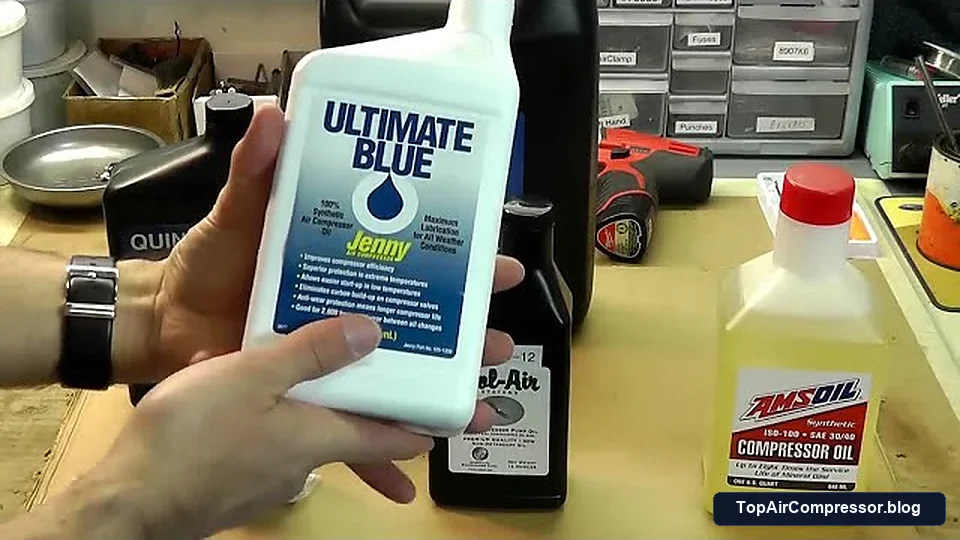
Checking your compressor oil level before every shift prevents catastrophic pump failure. Locate the sight glass or dipstick and ensure the fluid rests precisely at the halfway mark.
Dark discoloration or milky fluid indicates moisture contamination requiring immediate oil replacement. Performing regular maintenance keeps internal bearings clean and extends your equipment working lifespan.
Always shut down the machine and relieve residual tank pressure before servicing. Unplugging the power source guarantees safety while you add or drain compressor crankcase fluids.
Wipe the filler plug area clean before opening to prevent dirt ingress. Contaminants entering the crankcase act as an abrasive paste, accelerating wear on precision machined components.
Inspecting the compressor sight glass daily prevents catastrophic equipment failure. The oil level must always sit precisely in the center of the red circle indicator prior to powering up the motor.
Drain old lubricant while the pump remains warm to suspend accumulated particulates effectively. Complete fluid evacuation eliminates sludge deposits that otherwise contaminate fresh oil charges during routine scheduled maintenance intervals.
Never mix conventional and synthetic fluids during top-offs or full changes. Upgrading to the best synthetic air compressor oil prevents thick sludge blockages and protects critical internal lubrication channels.
Always torque crankcase drain plugs to manufacturer-specified foot-pounds using calibrated hand tools. Over-tightening strips aluminum threads, while loose fittings create dangerous pressure leaks and messy workshop operational hazards.
- Inspect oil level daily prior to startup.
- Relieve all tank pressure before opening plugs.
- Replace fluid annually or per operating hours.
- Use clean funnels dedicated solely to compressor maintenance.
Safe Draining and Refilling Procedures
Warm up the compressor briefly before draining to suspend accumulated particulate contaminants. Remove the drain plug completely and allow all spent fluid to empty into an approved container.
Refill slowly using a clean funnel while monitoring the sight glass indicator. Overfilling causes excessive oil carryover into air discharge lines and pneumatic tools.
- Dispose of used oil responsibly at recycling facilities.
- Check for leaks around drain plugs after refilling.
Preventing Equipment Failure Through Proper Viscosity Matching
Selecting an incorrect oil weight creates severe lubrication starvation inside reciprocating pumps. Too-thin fluid fails to cushion connecting rod bearings under heavy reciprocating loads.
Conversely, overly thick oils cause sluggish pump startup and potential motor thermal overload. Finding the correct viscosity grade ensures reliable splash or pressure lubrication distribution.
Piston rings rely on proper oil viscosity to create an airtight combustion seal. Without this critical sealing action, pump efficiency drops and electrical power consumption increases noticeably.
Preventative maintenance logs help track oil change intervals and viscosity performance. Documenting these details ensures long-term operational reliability across your entire pneumatic equipment fleet.
Mismatched lubricant viscosity creates excessive internal friction, generating destructive heat inside the pump. Precise viscosity matching ensures continuous hydrodynamic fluid films separate moving metal parts during high-pressure compression cycles.
Using oil that is too thin results in metal fatigue and scored cylinder walls. Excessively thick oils cause sluggish valve operation, starving upper piston components of necessary lubrication during initial cold startups.
Industrial facility managers must establish strict lubricant auditing protocols across all compressor assets. Documenting operating hours and oil analysis results prevents unexpected downtime and expensive mid-cycle compressor pump overhauls.
Consult the original equipment manufacturer manual before substituting alternative lubricant brands. Even identical ISO grades can feature vastly different additive packages that impact foam resistance and demulsibility performance metrics.
- Verify pump manual specifications before purchasing lubricants.
- Monitor motor amperage draw for unusual spikes.
- Inspect valve plates during scheduled major overhauls.
- Maintain detailed service logs for every compressor.
Analyzing Compressor Pump Designs and Lubrication Demands
Single-stage splash-lubricated pumps have vastly different oil requirements than industrial screw units. Understanding your specific pump architecture dictates whether you need ISO 46 or 68 fluid.
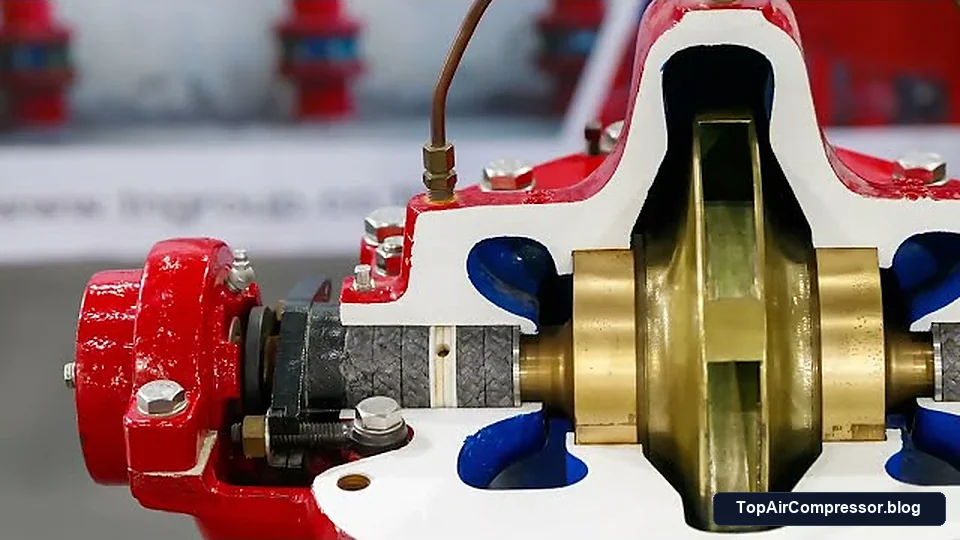
Splash lubrication relies on dippers attached to connecting rods to fling oil droplets. This mechanical action requires specific fluid weights to ensure droplets reach upper cylinder walls effectively.
Pressure-lubricated heavy-duty pumps utilize internal gear pumps to force oil through galleries. These complex systems demand precise fluid viscosities to maintain adequate operating oil pressure constantly.
Oil-free compressors represent a different category entirely, requiring zero lubrication in compression chambers. However, hybrid units still use oil in their separate gearboxes and crankcase assemblies.
Splash-lubricated reciprocating pumps rely on mechanical dippers attached to the connecting rods. These dippers splash oil droplets across cylinder walls, demanding oils with reliable surface tension properties to cling properly.
Pressure-lubricated heavy-duty industrial compressors utilize internal gear pumps to force oil through galleries. These complex systems require specialized anti-wear additives to protect high-load sleeve bearings from premature degradation.
Rotary screw compressors inject large volumes of oil directly into the compression chamber. This fluid simultaneously seals clearances, cools the compressed air, and lubricates interlocking rotors operating at high rotational speeds.
Single-stage and multi-stage reciprocating compressors experience vastly different thermal profiles between stages. Selecting tailored lubricant weights ensures optimal sealing performance across varying intercooler pressures and discharge temperature thresholds.
- Identify whether your pump uses splash or pressure lubrication.
- Check manufacturer guidelines for specific pump architecture needs.
- Never assume oil-free units have zero lubricated parts.
- Clean crankcase breathers regularly to prevent internal pressure buildup.
Environmental Conditions and Their Impact on Lubricant Performance
High humidity workshops introduce moisture into compressor crankcases through ambient air intake cycles. This water contamination degrades oil weight integrity and accelerates internal corrosion on steel components.
Dusty manufacturing environments require superior air filtration alongside clean compressor oils. Airborne particles mixing with crankcase fluid create an abrasive compound that destroys precision bearings.
Outdoor construction sites expose portable units to extreme weather and temperature swings. Selecting multi-viscosity or stable synthetic oils helps machines handle these harsh external operating realities.
Proper ventilation around stationary compressors prevents excessive ambient heat accumulation. Keeping the pump room cool helps maintain proper oil viscosity and extends total lubricant service life.
High ambient humidity introduces moisture into intake air filters, contaminating crankcase lubricants rapidly. Compressors operating in damp coastal environments require oils with exceptional demulsibility characteristics to shed water successfully.
Dusty woodworking or construction environments challenge compressor oil purity through particulate intrusion. Utilizing multi-stage inlet filtration paired with synthetic oils prevents abrasive dust from compounding mechanical wear inside the pump.
Unconditioned outdoor jobsite locations expose portable compressors to erratic weather fluctuations. Operators must monitor fluid conditions closely, adjusting maintenance schedules to counteract accelerated thermal oxidation caused by direct sunlight exposure.
Facilities with high airborne chemical concentrations must select specialized fire-resistant compressor lubricants. Standard petroleum oils can react dangerously with reactive gases, introducing severe explosion risks within industrial compressed air infrastructures.
- Drain condensate from tanks and crankcases frequently.
- Replace air intake filters before they become clogged.
- Shield portable outdoor units from direct precipitation.
- Ensure adequate room airflow for stationary equipment installations.
Frequently Asked Questions
Can I use motor oil in my air compressor?
You should strictly avoid standard automotive motor oil because it contains harsh chemical detergents that leave stubborn carbon deposits on sensitive internal reed valves during high heat cycles.
Furthermore, utilizing an incorrect fluid weight compromises vital thermal protection, so you must always select dedicated non-detergent compressor oil matching your exact manufacturer viscosity specifications for safe long-term operation.
What is the most common weight for air compressor oil?
The most common weight specified for standard reciprocating air compressors is ISO 68, which roughly equates to traditional SAE 20 weight oil.
This specific viscosity provides an ideal balance between smooth fluid flow and reliable piston sealing across typical ambient workshop operating temperatures and demanding daily commercial duty cycles.
How often should I change my compressor oil?
You should typically change your compressor oil every three to six months when running standard mineral formulas, or extend your service intervals up to a full year when utilizing high-grade synthetic lubricants.
Always check your specific equipment operating manual for exact running-hour maintenance thresholds to ensure maximum pump protection and longevity.
Can I mix different brands or weights of compressor oil?
Mixing different oil brands or varying viscosities can cause unpredictable chemical additive clashes, excessive foam buildup, and reduced internal lubricating film strength.
You must always drain the crankcase completely and flush the system thoroughly before switching to a new oil weight or a different chemical formulation.
What happens if I run my compressor with low oil?
Running your compressor with low fluid levels leads to extreme mechanical friction, overheated bearings, warped cylinder walls, and catastrophic internal pump failure.
Inadequate lubrication also causes rapid piston ring wear, leading to expensive component damage that frequently requires a complete pump replacement rather than a simple repair.