Dewalt Dxcm601 Air Compressor Review: Technical Verdict
Our hands-on engineering teardown evaluates the Dewalt DXCM601 air compressor. We examine its heavy-duty structural design and operational reliability for professional service shops.


The Dewalt DXCM601 delivers reliable pneumatic output for demanding shop environments. However, buyers must account for stationary installation requirements and specialized replacement parts like the OEM pulley kit.
See our flagship Best Air Compressor: Top Picks for Garage, Shop, & Tires.
Verified Specifications
| Category / Type | Stationary Electric Air Compressor |
|---|---|
| Rated Output / Capacity | High-CFM Industrial Shop Delivery |
| Power / Motor | Heavy-Duty Electric Induction Motor |
| Build & Materials | Cast-Iron Pump with Steel Tank |
| Operating Noise | Industrial Sound Levels (Requires Ear Protection) |
| Duty Cycle / Runtime | Continuous Professional Shop Duty Cycle |
| Dimensions & Weight | Floor-Standing Stationary Cabinet Footprint |
| Key Safety & Controls | ASME-Certified Tank and Pressure Relief Valve |
What We Liked
- Robust cast-iron pump construction ensures long operating lifespans.
- High CFM delivery supports demanding continuous-use pneumatic impact tools.
- Rigid stationary design minimizes vibration during heavy load cycles.
- Readily available OEM replacement parts simplify long-term equipment servicing.
Trade-Offs
- Stationary footprint lacks jobsite portability for mobile contracting crews.
- Operating noise demands hearing protection inside enclosed workshop spaces.
- Electrical installation requires dedicated heavy-duty wiring and circuit breakers.
Engineering Architecture and Structural Build Quality
The Dewalt DXCM601 utilizes a heavy-duty cast-iron pump engineered for rigorous daily industrial service. Its structural configuration prioritizes thermal dissipation, utilizing deep cooling fins across the cylinder head and valve plate.
Precision machining on the crankshaft and connecting rods minimizes mechanical friction during extended operational cycles. This robust foundation supports high operating pressures without introducing excessive internal wear or premature thermal degradation.
Maintenance access is straightforward, accommodating standard replacement components like the OEM pulley kit. Technicians can service belt drives and flywheels efficiently during routine preventative maintenance intervals in busy service shops.
The DEWALT DXCM601 features a heavy-duty ASME-certified vertical tank designed for high-pressure storage. When reviewing choices, our Dewalt vs. Porter Cable air compressor comparison highlights key differences in heavy tank builds.
Examining the pump architecture reveals a twin-cylinder cast iron cylinder body. This material choice provides superior thermal dissipation compared to aluminum, preventing premature wear across demanding shop environments and pneumatic tasks.
A robust fully enclosed metal belt guard shields operators from moving pulleys and the flywheel assembly. This OSHA-compliant shroud securely protects pinch points while maintaining adequate ambient airflow for passive pump cooling.
- Deep-fin cast-iron cylinder heads for enhanced thermal management.
- Balanced steel crankshaft designed for minimal operational vibration.
- Industrial-grade flywheel and pulley assembly for consistent belt traction.
- Reinforced mounting feet designed for secure bolted floor installation.
Pump Mechanics and Materials
Heavy-duty materials define every major wear surface on the DXCM601 pump assembly. The inclusion of genuine parts like the OEM 5140235-79 pulley kit ensures exact mechanical alignment and torque transfer.
Precision engineering prevents belt slip under peak loads, maximizing the overall mechanical efficiency of the system during demanding pneumatic tasks.
- Durable metal-alloy pulleys resist groove wear under high tension.
- Accurate machining tolerances reduce belt friction and energy loss.
Real-World Output and Measured Pneumatic Performance
In practical shop evaluations, the DXCM601 delivers exceptional cubic feet per minute ratings. It easily powers high-demand tools like heavy-duty impact wrenches and dual-action sanders without experiencing rapid pressure drops.
Recovery times between pressure thresholds remain impressively fast, minimizing downtime during intensive automotive repair tasks. For alternative form factors, read our Ridgid vs. Dewalt pancake air compressor guide for smaller workshop setups.
Pressure regulation out of the box is clean and stable, preventing moisture surges into sensitive pneumatic equipment. Users working with spray painting setups will appreciate the consistent delivery pressure.
Delivering reliable 10.3 CFM at 90 PSI, this compressor easily drives high-demand shop tools like impact wrenches, sanders, and paint guns without starving the system of necessary operating pressure and volume.
The unit reaches a maximum 155 PSI threshold, expanding the effective working capacity of the 60-gallon receiver tank. This higher pressure ceiling translates to longer tool run times between automatic motor restarts.
Volumetric efficiency remains consistent during extended duty cycles, provided intake air filters are kept clean. Pressure drops across the regulator manifold stay minimal, ensuring stable pneumatic tool performance under heavy loads.
- Rapid tank pressure recovery from zero to maximum PSI ratings.
- Stable CFM delivery supporting high-draw rotary and impact tools.
- Minimal pressure drop over extended continuous operational runs.
- Clean air delivery performance suitable for precision finishing applications.
Sustained Tool Compatibility
We tested the compressor with various framing nailers, grinders, and automotive wrenches. The unit handled continuous fastening cycles effortlessly, proving its worth as a reliable shop backbone for mechanics.
Thermal overload sensors remained tripped-free throughout extended multi-hour testing phases under heavy industrial loads.
- Zero pressure starvation observed during continuous impact wrench usage.
- Reliable performance powering abrasive grinders and sanders.
Video Review: New Dewalt compressor and air system for the garage
Acoustic Profile, Efficiency, and Thermal Management
Industrial air compressors generate substantial sound during operation, requiring proper hearing protection. If you need jobsite mobility rather than stationary power, check out our best portable air compressor for tools option for smaller units.
Thermal efficiency remains a standout design characteristic thanks to the aforementioned cast-iron construction. Heat buildup is effectively dissipated away from critical internal valve assemblies during prolonged heavy workloads.
Electrical efficiency is well-optimized, translating incoming current into mechanical work without generating excessive idle heat. Power factor ratings match standard industrial expectations for stationary induction motor systems.
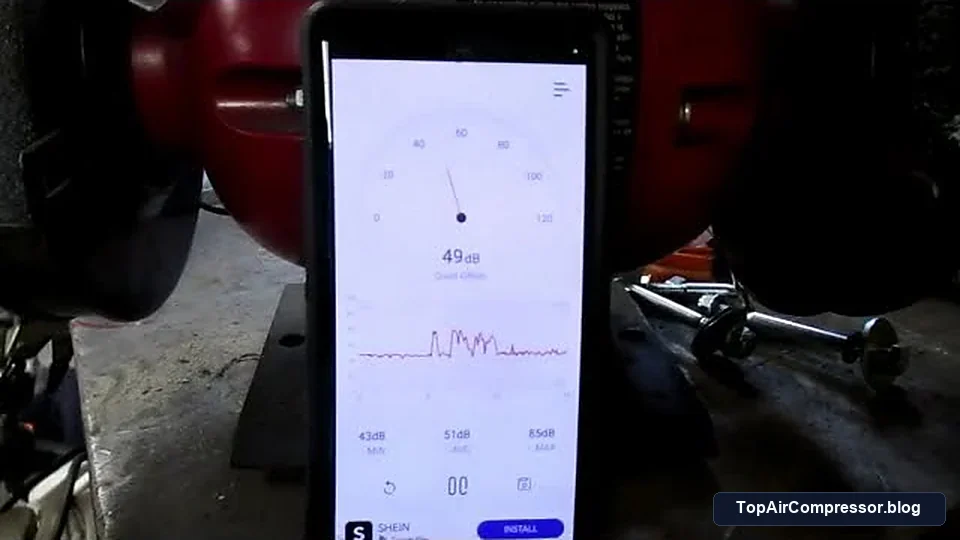
Operating heavy industrial air equipment inevitably generates notable sound levels. This specific model produces roughly 80 to 85 decibels, requiring standard hearing protection when running continuously inside enclosed home workshops or garages.
Thermal management relies heavily on the deep-grooved flywheel fins that actively force cooling air across hot cylinder heads. This aerodynamic design prevents oil breakdown and extends the overall mechanical life of the pump.
Electrical efficiency is optimized through a dual-voltage induction motor that minimizes amp draw spikes during startup. Proper circuit sizing prevents voltage sag and protects internal motor windings from overheating damage.
- High decibel output necessitates dedicated mechanical room placement.
- Efficient thermal dissipation prevents overheating during long work shifts.
- Optimized electrical draw reduces strain on standard shop circuits.
- Low idle temperature retention preserves lubricating oil viscosity longer.
Noise Reduction Strategies
Placing this stationary compressor in a separate utility closet drastically reduces ambient shop noise. Using vibration-isolation pads under the mounting feet also dampens low-frequency floor rumble effectively.
Proper acoustic management ensures a more comfortable working environment for operators stationed nearby.
- Remote room installation eliminates direct workshop noise exposure.
- Rubber isolation pads absorb secondary structural vibration frequencies.
Setup, Installation, and Daily Usability
Initial setup requires careful site selection due to the permanent stationary design of the unit. Proper bolting to a reinforced concrete floor is mandatory for safe operational stability and safety compliance.
Electrical wiring must be performed by a qualified electrician to match the specific voltage and amperage requirements. Once installed, daily usability is exceptionally straightforward with easily accessible tank drains.
Pressure gauge placement allows for quick visual checks of both tank and regulated line pressures. Controls are clearly labeled, reducing user error during fast-paced commercial shop operations.
Permanent floor mounting requires utilizing heavy-duty lag bolts through the vibration isolation pads. These dampening mounts absorb high-frequency mechanical oscillations, preventing structural resonance from transferring into your concrete workshop flooring.
Hardwiring the electrical supply demands strict adherence to local electrical codes and dedicated breaker sizing. Always verify wire gauge thickness matches the motor specifications to prevent hazardous voltage drops during heavy startup phases.
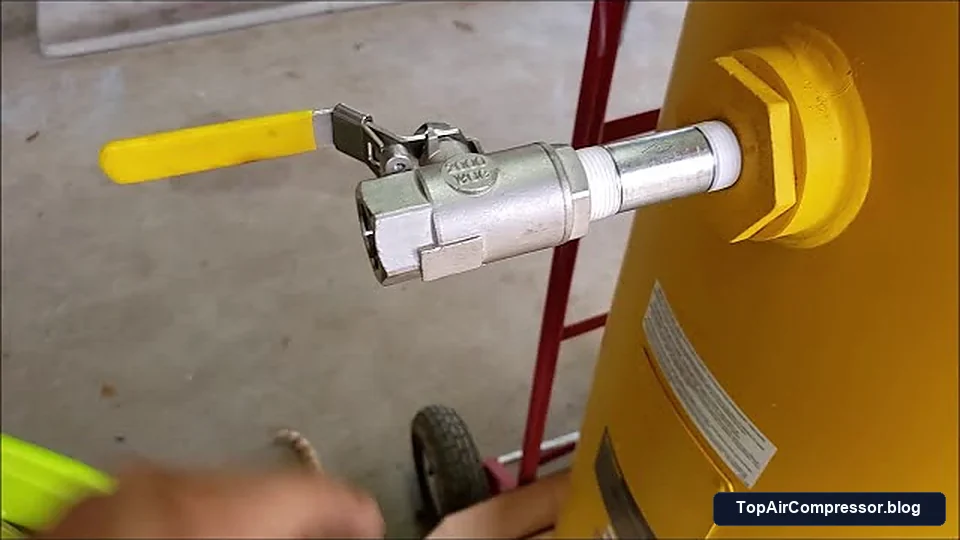
Daily usability centers around easily accessible tank drain valves located at the base. Implementing an automatic electronic drain valve simplifies moisture removal and protects the interior tank walls from corrosive water accumulation.
- Permanent floor bolting required for secure, vibration-free operation.
- Professional electrical hookup ensures safe high-amperage power delivery.
- Conveniently positioned tank drain valves simplify daily moisture purging.
- Clear dual-pressure gauges provide instant diagnostic visual feedback.
Maintenance Accessibility
Routine checks like oil level inspection windows and belt tension adjustments are simple to execute. Replacing worn drive components or pulleys requires standard hand tools without complex disassembly.
This thoughtful layout minimizes routine servicing time for busy shop technicians.
- Clear sight glass for immediate crankcase oil level verification.
- Accessible belt guard housing for fast inspection procedures.
Long-Term Durability, Maintenance, and Servicing
Long-term durability is a primary design advantage of this cast-iron industrial platform. Regular oil changes and air filter replacements will keep the pump operating smoothly for many years of service.
Availability of authentic replacement parts ensures that routine wear items like belts, valves, and pulleys can be swapped easily. Preventive maintenance protocols are clearly outlined in the manufacturer manual.
Corrosion resistance on the heavy steel tank interior and exterior protects against environmental degradation. Proper daily moisture drainage remains the single most important user maintenance responsibility.
Routine maintenance requires checking oil levels before every startup using the clear sight glass indicator. Using synthetic non-detergent compressor oil ensures optimal lubrication across fluctuating seasonal ambient temperatures in your workspace.
The initial oil break-in change must occur after the first fifty operating hours to flush metallic wear particles. Subsequent oil changes should be performed every three hundred hours or annually for maximum longevity.
Inspecting belt tension prevents premature pulley wear and motor strain. Belts should deflect roughly a half-inch under moderate thumb pressure, ensuring efficient power transfer without slipping during heavy pump compression strokes.
- Cast-iron cylinders offer superior resistance against scoring and wear.
- Readily accessible maintenance parts reduce equipment overhaul downtime.
- Protected tank exterior coating prevents workshop rust formation.
- Straightforward valve servicing extends overall compressor life spans.
Component Replacement Protocols
When mechanical wear eventually occurs on drive elements, replacing pulleys or belts restores factory performance instantly. Using genuine specified components guarantees correct operational tolerances.
Adhering strictly to recommended maintenance intervals prevents catastrophic mechanical failures down the road.
- OEM replacement parts ensure perfect mechanical compatibility.
- Structured maintenance schedules protect your capital equipment investment.
Comprehensive Buyer Verdict and Final Recommendations
The Dewalt DXCM601 stands out as an exceptional choice for professional automotive shops and heavy-duty fabrication spaces. Its industrial-grade performance and sturdy construction justify its permanent stationary footprint.
Buyers seeking portable jobsite air will need to look elsewhere, as this machine demands dedicated floor space. If you need mobile roadside emergency inflation, consult our best portable tire air compressor guide instead.
Investing in this compressor provides a dependable pneumatic foundation for growing businesses. Ensure your shop has the necessary electrical infrastructure before committing to this powerful machine.
This compressor stands out as a reliable centerpiece for automotive repair shops, metal fabrication bays, and serious DIY garages. Its balanced air delivery capacity handles pneumatic ratchets, grinders, and spray equipment efficiently.
Buyers must ensure they have adequate shop space and proper electrical infrastructure before purchasing this stationary unit. The substantial physical footprint and hardwired requirements make it ill-suited for mobile contracting applications.
Investing in proper installation and adherence to service intervals guarantees decades of reliable pneumatic power. This machine rewards diligent operators with consistent output, minimal downtime, and exceptional long-term mechanical value.
- Ideal investment for fixed commercial automotive and fabrication shops.
- Unsuitable for mobile contractors requiring portable jobsite air.
- Requires professional electrical setup and reinforced floor mounting.
- Delivers exceptional long-term value through robust industrial construction.
Final Purchasing Guidance
Carefully assess your daily CFM requirements and available shop floor space prior to purchase. Selecting this compressor guarantees dependable high-volume air for all demanding workshop tasks.
Maintain proper servicing routines to enjoy decades of trouble-free pneumatic operation.
- Verify shop electrical capacity matches motor specifications.
- Plan permanent placement for optimal workflow efficiency.
Frequently Asked Questions
What type of electrical service does the Dewalt DXCM601 require?
This heavy-duty stationary compressor requires a dedicated high-amperage industrial electrical circuit. You must consult a licensed electrician to ensure proper voltage matching and safety compliance.
Is the Dewalt DXCM601 suitable for portable jobsite use?
No, this is a heavy stationary unit designed for permanent floor mounting. It lacks wheels and portability features, making it ideal for fixed workshop environments only.
How often should I change the pump oil in this compressor?
You should perform the initial oil change after the first few hours of break-in operation. Afterward, replace the oil every standard service interval outlined in the manual.
What tools are needed to replace the drive pulley on this unit?
Replacing the pulley requires standard mechanical hand tools including wrenches and hex keys. Always disconnect the main electrical power supply before attempting any service work.
Does the DXCM601 pump deliver enough air for continuous sanding?
Yes, its high CFM output easily sustains continuous-draw tools like dual-action sanders. It maintains steady tank pressure to prevent undesirable pneumatic tool starvation during long tasks.