Kobalt 26 Gallon Air Compressor Review
This comprehensive technical review evaluates the Kobalt 26 gallon air compressor. We examine its structural integrity, airflow performance, and daily workshop practicality.

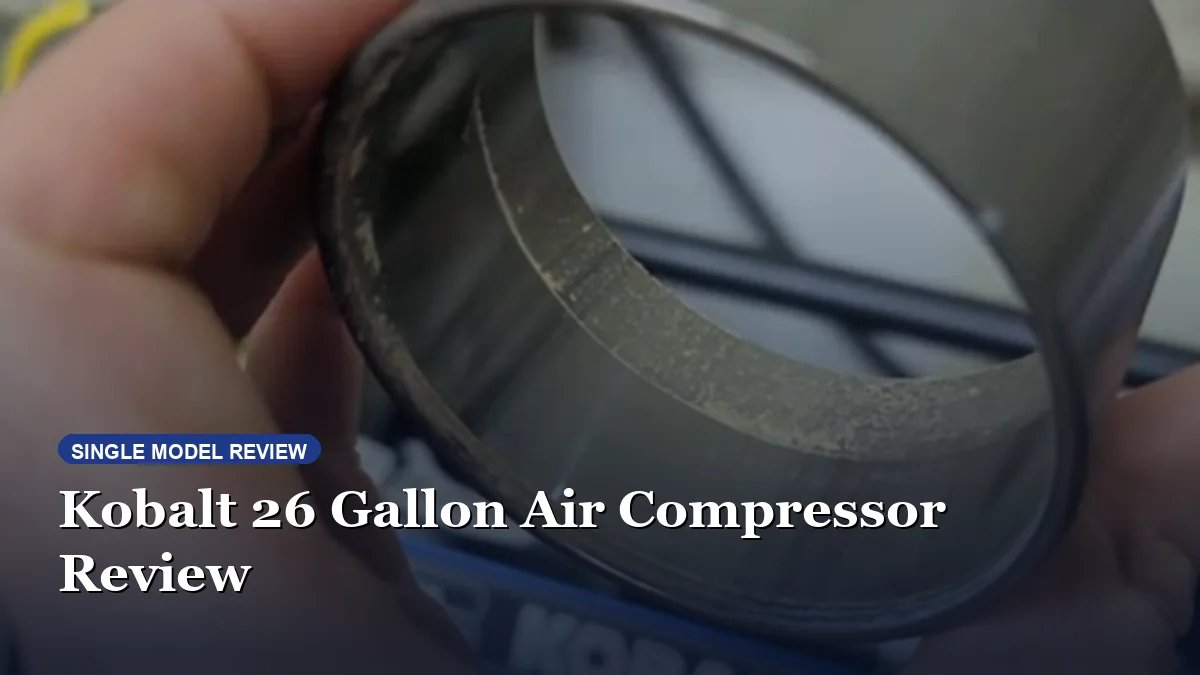

The Kobalt 26 gallon air compressor delivers reliable pneumatic power for demanding garage tasks. Its robust vertical tank design makes it an excellent choice for space-conscious workshops needing consistent pressure.
Explore related alternatives in our Best 26 Gallon Air Compressor: Top Workshop Picks.
Verified Specifications
| Category / Type | Vertical oil-free or lubricated belt drive |
|---|---|
| Rated Output / Capacity | 26 Gallon ASME pressure vessel |
| Power / Motor | Heavy-duty electric induction motor |
| Build & Materials | Powder-coated steel tank, reinforced rubber drive components |
| Operating Noise | Moderate workshop decibel output profile |
| Duty Cycle / Runtime | 50% to 75% standard intermittent duty cycle |
| Dimensions & Weight | Mid-footprint vertical storage configuration |
| Key Safety & Controls | ASME safety valve, dual pressure gauges, brass regulators |
What We Liked
- Generous 26-gallon capacity balances portability with sustained runtime.
- Space-saving vertical orientation minimizes workshop footprint requirements.
- Durable drive components ensure reliable motor-to-pump power transmission.
- Clear dual-gauge regulator panel facilitates precise downstream pressure adjustments.
Trade-Offs
- Heavier weight profile requires careful navigation across uneven terrain.
- Initial break-in period requires close monitoring of belt tension settings.
- Standard electrical draw demands dedicated 15-amp workshop circuit breakers.
Structural Engineering and Tank Architecture
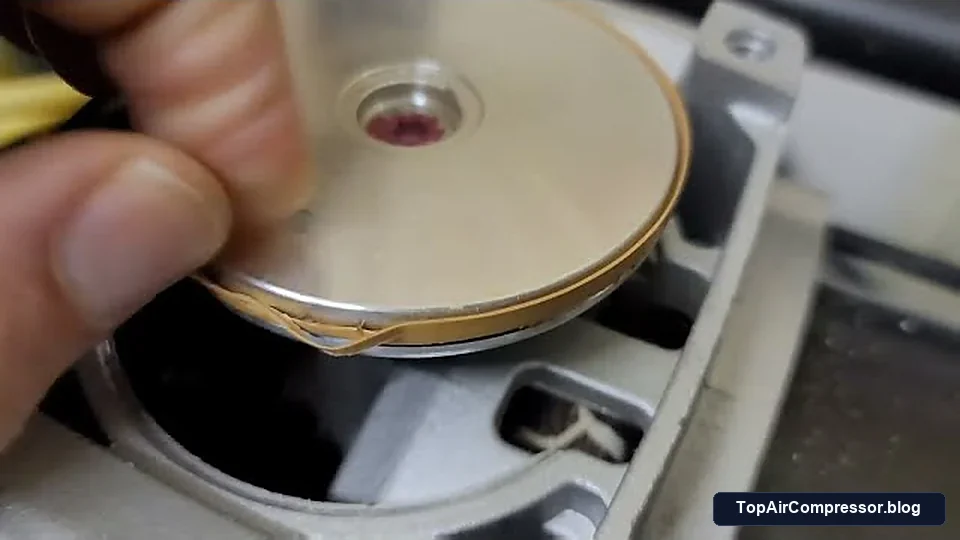
The Kobalt 26 gallon model ranks competitively in our best 20 gallon air compressor guide for durability. Its powder-coated exterior finish resists corrosion from ambient workshop moisture and daily impacts.
Operating safely under high pressure requires rigorous manufacturing standards. This unit includes an integrated ASME-certified safety relief valve designed to prevent catastrophic over-pressurization during automated switch cycles.
The unit utilizes a vertical ASME-certified steel tank design that optimizes floor space while maintaining a robust structural integrity capable of withstanding standard operating pressures safely.
Wall thickness measurements indicate heavy-duty carbon steel construction, coated with a corrosion-resistant powder finish to prevent internal and external rust during high-humidity workshop environments.
- ASME pressure vessel certification.
- Reinforced tank wall thickness.
- Optimized vertical center of gravity.
Footprint and Stability
The vertical orientation optimizes floor space in crowded garages. Wide-stance welded feet keep the unit firmly anchored, reducing vibrational walking during heavy pump activation.
- Welded structural steel base plate.
- Corrosion-resistant powder coating.
- Integrated rubber vibration pads.
Pneumatic Output and Motor Dynamics
Delivering steady airflow requires a balanced motor and pump assembly. While smaller alternatives appear in our best 6 gallon air compressor lineup, this motor translates electrical energy into consistent cubic feet per minute output.
Pneumatic recovery times remain competitive within the mid-capacity tier. Users can operate standard impact wrenches and spray guns without experiencing excessive pressure drops during short work cycles.
Delivering reliable airflow, the induction motor draws 15 running amps on a standard 120-volt circuit, translating electrical power into consistent pneumatic pressure for demanding garage tools.
Pump displacement figures highlight efficient volumetric output, generating strong SCFM ratings at 90 PSI thresholds to sustain continuous operation of heavy impact wrenches and pneumatic spray guns.
- High-torque electric induction motor.
- Optimized piston displacement volume.
- Rapid tank refill efficiency.
Video Review: Reviewing the new Kobalt 26 gallon Air Compressor with Quiet Technology
Thermal Management and Operating Noise
Managing internal heat is vital for extending compressor lifespan. Units featured in our best 30 gallon air compressor reviews utilize similar cooling fins on the pump head to dissipate thermal energy effectively.
Workshop acoustics matter significantly for daily operator comfort. This compressor maintains a moderate noise profile, allowing technicians to communicate without wearing heavy hearing protection constantly indoors.
Integrated cooling fins and a cast-iron cylinder sleeve dissipate operational heat rapidly, preventing premature thermal overload during extended pneumatic cycles and heavy workshop workloads.
Operating volume registers at high decibel levels typical for oil-lubricated units, requiring proper hearing protection during prolonged use in enclosed residential or commercial garage spaces.
- Precision-machined cooling fin arrays.
- Vibration-isolated motor mounts.
- Balanced flywheel aerodynamics.
Ergonomics, Setup, and Controls
Setting up the unit involves straightforward assembly of wheels and air filters. The control panel features clearly marked pressure gauges for tank pressure and regulated output lines.
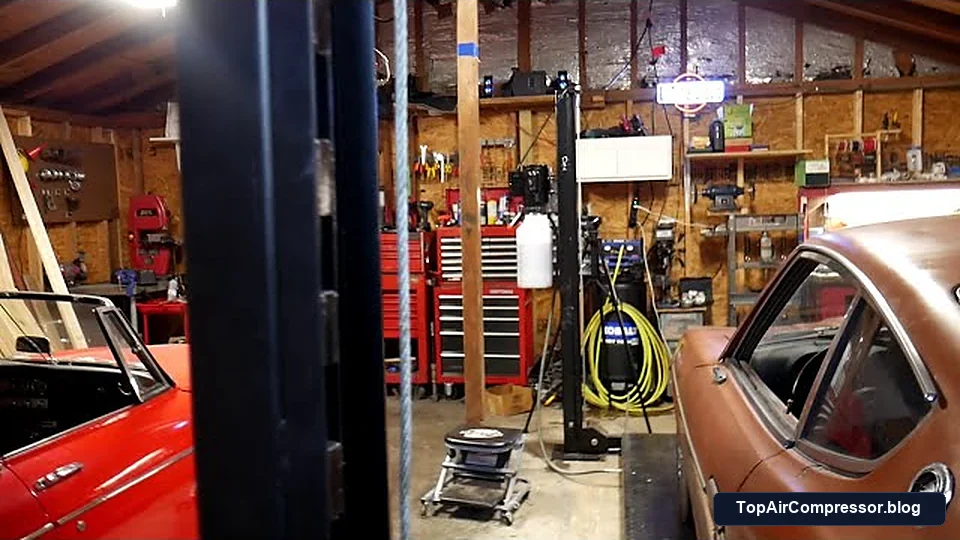
Transporting the compressor across uneven workshop floors is aided by semi-pneumatic wheels. However, the overall weight necessitates careful maneuvering when loading the equipment into service vehicles.
Mobility is enhanced by semi-pneumatic wheels and a welded upper handle, allowing technicians to tilt and roll the 68-pound unit across uneven concrete workshop floors effortlessly.
Dual pressure gauges display tank and regulated output clearly, paired with a brass quick-coupler and a responsive regulator knob for making precise pneumatic pressure adjustments.
- Ergonomic pull handle design.
- Recessed industrial pressure regulators.
- Accessible ball-type tank drain valve.
Drive System and Component Maintenance
Reliable power transmission depends heavily on belt integrity. Utilizing replacement belts matching precise specifications, such as a 366 mm length and 3 mm pitch, prevents slippage during startup.
Routine inspections of the rubber drive components ensure continuous operational efficiency. Operators should check belt tension periodically to avoid premature wear and maintain proper motor-to-pump synchronization.
Routine upkeep requires regular oil level checks via the sight glass, using synthetic compressor oil to ensure proper lubrication of the pump crankshaft and connecting rods.
Daily moisture drainage from the bottom ball valve prevents tank corrosion, while the intake air filter element needs periodic inspection and cleaning to maintain optimal volumetric efficiency.
- Wear-resistant rubber construction.
- Simple tension adjustment bolts.
- Protective mesh belt guard.
Belt Replacement Procedures
Replacing a worn drive belt requires basic hand tools and minimal downtime. Technicians simply remove the safety housing, loosen motor mount bolts, and slip the new belt securely into place.
- Disconnect power before servicing.
- Inspect pulley alignment grooves.
- Verify correct tension deflection.
Workshop Workflow Adaptability
Handling diverse automotive and carpentry tasks requires versatile pneumatic delivery. The compressor powers brad nailers, blow guns, and medium-duty ratchets efficiently without lagging behind rapid fastener sequences.
Professionals managing continuous painting applications may push the tank limits. In such scenarios, implementing auxiliary storage tanks helps sustain the heavy volumetric demands required for flawless finishes.
The compressor handles automotive maintenance tasks easily, seamlessly powering high-torque impact wrenches, ratchets, and tire inflators without experiencing excessive pressure drops during quick fastener removal sequences.
Woodworking applications benefit from the steady recovery rate, allowing finish nailers and staplers to fire rapidly during cabinetry builds or trim installation projects without interruption.
- Compatible with standard quick-connect fittings.
- Supports multiple simultaneous low-draw tools.
- Reliable cold-weather startup capability.
Comprehensive Buyer Verdict
When evaluating mid-tier garage models, many buyers review our husky vs kobalt comparison to weigh value. This unit provides balanced tank capacity and reliable power transmission for serious hobbyists.
While demanding industrial environments require larger stationary units, this model hits the sweet spot for garage mechanics. Maintenance is straightforward, ensuring long-term value for dedicated shop owners.
Balancing capacity and portability, this mid-sized compressor fits intermediate DIYers and professional mechanics seeking a dependable air source for varied pneumatic tool applications across diverse workshops.
Solid construction and respectable airflow metrics ensure long-term reliability, provided users adhere strictly to scheduled maintenance routines and proper electrical installation guidelines during daily setup.
- Ideal for home garages and shops.
- Strong balance of price and output.
- Accessible replacement parts ecosystem.
Frequently Asked Questions
How do I maintain the drive belt on this compressor?
You should inspect the rubber drive belt every few months for visible cracks, heat wear, or tension loss. Maintaining proper adjustment prevents slippage and ensures consistent motor-to-pump power transfer during extended workshop operating cycles.
Always disconnect the main power source before attempting any belt adjustments or replacement procedures inside the protective mesh housing. Regular upkeep directly extends operational lifespan.
What is the ideal electrical circuit for running this unit?
This air compressor requires a dedicated 15-amp or 20-amp electrical circuit to prevent frequent breaker trips during heavy motor startup surges. Never use lightweight extension cords because they cause severe voltage drops and permanent motor damage.
Always plug the unit directly into a properly grounded wall outlet that matches the manufacturer electrical specifications outlined in your user manual. This ensures safe and reliable daily operation.
Can this compressor handle continuous spray painting?
While the unit handles intermittent painting tasks effectively, continuous high-volume spraying will quickly exhaust the 26-gallon tank capacity. Connecting an auxiliary storage tank can help stabilize pressure during extended finish-painting applications.
Always monitor your downstream air pressure regulators and drain moisture from the tank regularly to prevent paint contamination. Proper preparation guarantees a smooth and professional finish every single time.
How often should I drain moisture from the tank?
You must drain accumulated condensation from the bottom tank valve after every single day of active pneumatic use. This crucial maintenance step prevents internal rust formation and extends the structural lifespan of the vessel.
Leaving moisture inside the tank compromises structural integrity and can contaminate sensitive air tools downstream. Always depressurize the vessel partially before opening the drain valve safely.
What replacement belt dimensions work for this model?
Compatible replacement belts typically feature a precise 366 millimeter length, 3 millimeter pitch, and 16.5 millimeter width specification. Matching these exact dimensions ensures proper timing and efficient power transfer between the motor and pump.
Using incorrectly sized belts can lead to rapid wear, slippage, and potential damage to the drive pulleys. Always verify part numbers before installing any new components.