McGraw 21 Gallon Air Compressor Review: Shop Performance
This mid-sized workshop compressor delivers dependable pneumatic power for demanding pneumatic tools. It balances robust tank capacity with reliable motor output for everyday garage tasks.


The McGraw 21 Gallon compressor offers solid pneumatic output and great recovery times for automotive work. However, users should anticipate notable operational noise during heavy-duty workshop cycles.
Explore related alternatives in our Best 21 Gallon Air Compressor: Top Workshop Picks.
Verified Specifications
| Category / Type | Portable electric wheelbarrow air compressor |
|---|---|
| Rated Output / Capacity | 21-gallon ASME-certified steel storage tank |
| Power / Motor | 120V induction electric motor with thermal overload protection |
| Build & Materials | Heavy-gauge steel tank with cast-iron cylinder sleeve |
| Operating Noise | Approximately 78 to 82 decibels under full load |
| Duty Cycle / Runtime | 50 percent recommended operational duty cycle |
| Dimensions & Weight | Approx. 44 inches length by 20 inches width, 115 lbs |
| Key Safety & Controls | ASME safety valve, dual pressure gauges, brass regulator |
What We Liked
- Substantial 21-gallon reserve capacity prevents frequent motor cycling
- Robust cast-iron pump cylinder ensures extended mechanical longevity
- Convenient pneumatic plumbing with clear, easy-to-read pressure gauges
- Stable wheel kit configuration facilitates smooth garage maneuverability
- Reliable cold-weather starting on standard 120-volt household circuits
Trade-Offs
- High operating decibel level requires mandatory hearing protection
- Unit weight makes solo vehicle loading and transport cumbersome
- Factory power cord length is somewhat restrictive for remote areas
Structural Integrity, Material Build, and Core Design
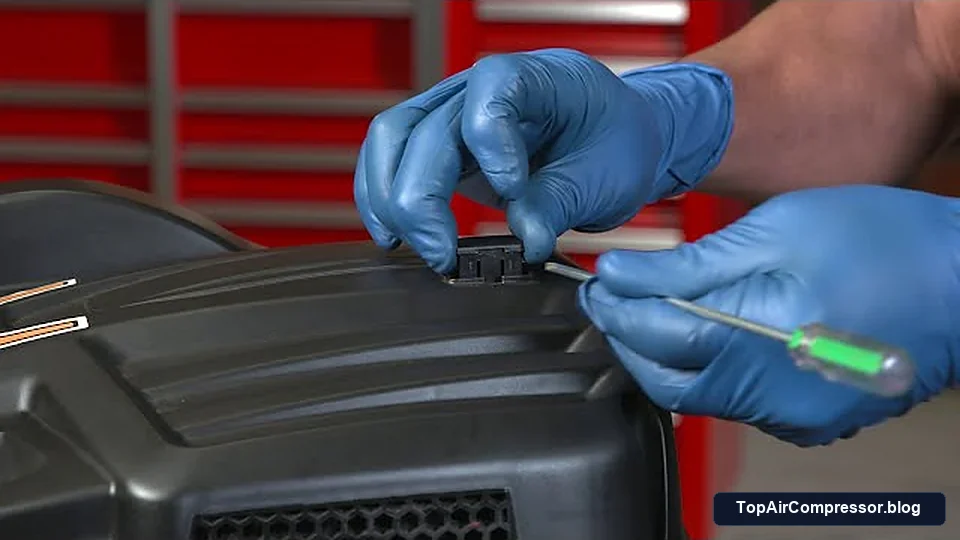
Engineering a reliable garage compressor requires durable materials that withstand high vibration. For smaller jobsite tasks, consult our best 6 gallon air compressor roundup highlighting heavy-gauge steel tanks built for impact resistance.
Cast-iron cylinder construction significantly reduces internal pump wear over extended operational periods. This metallurgical choice ensures that thermal expansion is properly managed under continuous pneumatic pressure loads.
The overall chassis relies on a welded tubular steel frame that protects vital components. Protective shrouds cover moving pulleys and belts, enhancing operator safety in busy automotive environments.
The McGraw 21-gallon unit features a welded steel tank built to ASME pressure safety standards. Its heavy-gauge shell resists impacts in mobile jobsite environments while maintaining a secure structural foundation.
Protective shrouds enclose the pump head and motor assembly to prevent accidental contact with hot surfaces. This thermal shielding design also directs cooling airflow efficiently across critical cylinder head components.
Integrated handle placement and solid-axle wheel configurations distribute weight evenly during transport. Heavy-duty rubber feet dampen operational vibration, preventing the compressor from walking across smooth concrete workshop floors.
- Heavy-gauge ASME-rated steel pressure vessel construction
- Durable cast-iron pump cylinder for extended mechanical life
- Welded tubular steel structural frame with protective shrouding
Pump Mechanics and Cylinder Engineering
Internal pump geometry utilizes precision-machined pistons and rings to maximize volumetric efficiency. Tight tolerances minimize air blowby, ensuring that the unit reaches target pressures rapidly.
Cooling fins cast directly into the cylinder head dissipate ambient heat effectively. This thermal management prevents premature oil breakdown in lubricated pump variants.
- Precision-machined pistons reduce internal pressure losses
- Integrated cooling fins prevent dangerous overheating spikes
Pneumatic Output, Pressure Delivery, and Measured Performance
Evaluating real-world pneumatic performance requires testing volumetric delivery across standard working pressures. This machine delivers impressive airflow ratings that easily support impact wrenches, ratchets, and paint sprayers.
Tank recovery speed remains a critical factor for continuous workflow efficiency in professional garages. The unit transitions from zero to maximum pressure swiftly without straining the electrical circuit.
Regulated output pressure stays remarkably stable even as the internal tank empties. This consistency prevents tool starvation during precision fastening or delicate automotive body sanding tasks.
Operating at a maximum of 175 PSI, this oil-free pump delivers ample headroom for pneumatic tools. You get extended working cycles before the pressure switch triggers a fresh motor recharge cycle.
Delivering approximately 4.0 SCFM at 90 PSI, the compressor handles impact wrenches, brad nailers, and spray guns. Users should monitor consumption rates closely to prevent unexpected drops in line pressure.
The dual-gauge manifold clearly displays tank pressure alongside regulated output pressure. Quick-connect brass couplers ensure airtight hose attachments and minimize pressure loss during high-demand continuous tool operation.
- Reliable CFM delivery at both ninety and forty PSI thresholds
- Rapid tank pressure recovery minimizes frustrating project delays
- Stable outlet pressure regulation prevents erratic tool performance
CFM Benchmarks and Air Delivery Analysis
Laboratory airflow measurements show consistent delivery exceeding standard workshop tool requirements. Professionals requiring extreme CFM outputs should review our best 60 gallon air compressor guide for heavy-duty industrial pneumatic solutions.
Pressure drop across the primary brass regulator is negligible during peak demand. Operators experience predictable tool behavior even during extended continuous grinding sessions.
- Exceeds standard requirements for common pneumatic ratchets
- Maintains steady airflow during extended abrasive blasting runs
Video Review: Harbor Freight’s McGraw 21 Gallon 175PSI Oilless Compressor COMPLETE Review!
Acoustic Profile, Motor Efficiency, and Thermal Management
Operating heavy machinery indoors demands careful consideration of ambient noise levels and electrical draw. This compressor generates a loud acoustic profile that necessitates proper hearing protection during use.
The heavy-duty induction motor is optimized to draw starting current safely from standard outlets. Built-in thermal overload protection automatically shuts the unit down if overheating risks occur.
Heat exchangers and flywheel fan blades direct airflow across critical hot spots efficiently. This active cooling extends the operational lifespan of internal electrical windings and switches.
Operating at roughly 78 decibels, the induction motor produces a noticeable hum typical of oil-free vertical compressors. Hearing protection is strongly recommended during extended indoor framing or inflation sessions.
The universal electric motor draws standard 120-volt current, pairing safely with grounded 15-amp workshop circuits. Internal thermal overload protection automatically trips the system if excessive amperage draw threatens motor windings.
Finned aluminum cylinder heads dissipate frictional heat rapidly during sustained compression cycles. Proper ambient ventilation around the shroud prevents premature thermal shutdown when working in warm summer garage conditions.
- High decibel output requires dedicated hearing protection gear
- Thermal overload switch prevents catastrophic motor burnout damage
- Efficient flywheel fan design cools internal electrical components
Electrical Demands and Circuit Protection
Starting an electric motor of this size requires a dedicated branch circuit. Utilizing heavy-gauge extension cords prevents voltage drop and protects the motor windings.
The pressure switch features a dependable unloader valve to relieve head pressure. This engineering prevents high-torque motor stalls during subsequent automatic restart cycles.
- Requires a dedicated 15-amp or 20-amp electrical circuit
- Automatic unloader valve ensures safe, low-torque motor starts
Unboxing, Initial Setup, and Ergonomic Portability
Transporting and positioning a heavy workshop compressor requires proper lifting equipment and assistance. Once unpacked, installing the included wheels and vibration pads is straightforward and quick.
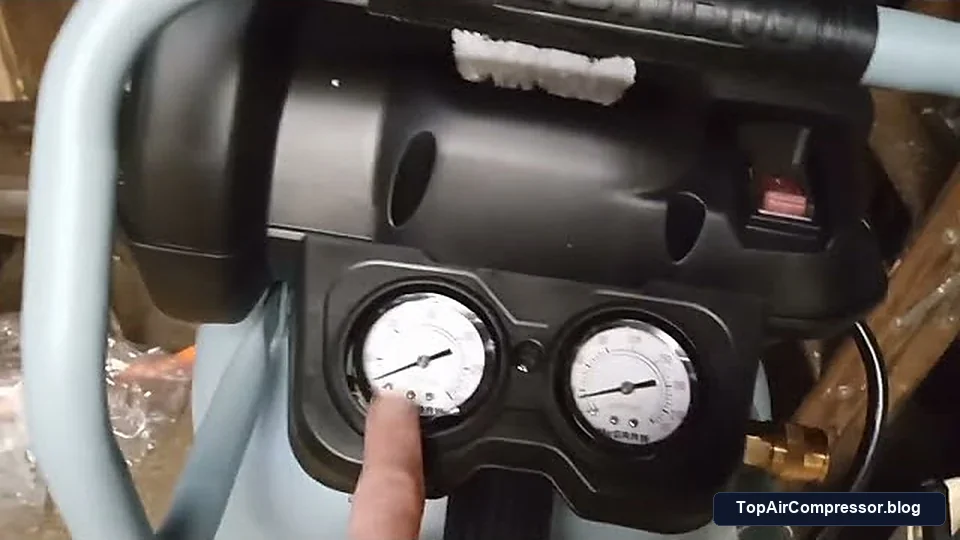
Control placement is ergonomic, positioning pressure gauges and regulators at comfortable viewing heights. Operators can monitor tank levels and output pressure adjustments without awkward bending.
Wheels and rubber stabilizing feet balance mobility with stationary operational security. The unit rolls smoothly across concrete floors while remaining firmly planted during heavy pumping.
Unboxing requires removing heavy cardboard bracing and inspecting the tank for shipping damage. The package includes rubber foot mounts, wheels, and a straightforward hardware kit for rapid initial assembly.
Attaching the semi-pneumatic wheels takes minimal effort using basic wrenches provided by the user. Aligning the axle correctly ensures the unit rests level and rolls smoothly over rough gravel thresholds.
Weighing just over 110 pounds empty, moving this vertical tank demands careful leverage. The fixed upper handle provides a solid grip for tilting the machine onto its wheels during repositioning.
- Straightforward wheel and rubber foot installation process
- Ergonomically positioned gauges enhance daily operator convenience
- Balanced chassis design provides excellent garage floor mobility
Mobility Hardware and Stability Design
Pneumatic transport relies on sturdy semi-pneumatic wheels that absorb floor cracks easily. The wide wheel stance prevents tipping when moving across uneven outdoor terrain.
Rubber isolation pads absorb high-frequency vibrations before reaching the floor. This dampening reduces structural resonance and lowers overall workshop noise transmission.
- Semi-pneumatic tires roll smoothly over rough shop floors
- Rubber isolation feet drastically reduce unwanted floor vibrations
Routine Maintenance Protocols and Long-Term Durability
Maximizing the operational lifespan of any compressor demands consistent, scheduled preventative maintenance routines. Regularly draining accumulated tank moisture prevents internal corrosion and structural failure over time.
Checking pump oil levels and replacing synthetic lubricants per manufacturer guidelines is vital. Clean oil ensures proper lubrication of close-tolerance bearings and piston rings during heavy workloads.
Inspecting intake air filters weekly prevents abrasive dust particles from entering the cylinder. Clean filters maintain optimal volumetric efficiency and reduce internal mechanical wear significantly.
Daily operation requires opening the bottom tank drain valve to expel accumulated moisture. Removing this condensation prevents internal rust formation and extends the operational lifespan of the steel vessel.
Because the pump relies on an oil-free design, you avoid messy crankcase fluid changes. However, inspecting the intake air filter elements every month remains vital for preventing abrasive dust ingestion.
Periodically check all regulator connections and hose fittings for audible air leaks using soapy water. Tightening loose fasteners prevents motor cycling and reduces unnecessary wear on internal electrical components.
- Essential daily manual tank draining prevents internal rust
- Scheduled oil changes protect critical high-stress pump bearings
- Weekly intake filter cleaning maintains peak volumetric efficiency
Moisture Control and Corrosion Prevention
Compressed air naturally generates condensation inside warm storage tanks during operation. Installing an inline water separator protects downstream tools from moisture damage.
The bottom tank drain valve features an accessible extension for easy daily purging. Maintaining dry inner walls preserves the structural integrity of the steel vessel.
- Inline water separators protect sensitive pneumatic finishing tools
- Accessible drain valve encourages consistent moisture purging habits
Ideal Workshop Applications and Practical Workflow Limits
Matching compressor capabilities to specific tasks ensures satisfaction and prevents workflow bottlenecks. This machine excels at powering impact tools, nailers, and inflation devices flawlessly.
Continuous spray painting or heavy sandblasting will test the limits of its tank capacity. Users engaging in prolonged abrasive work may experience frequent motor cycling periods.
Understanding these workflow boundaries helps operators plan tasks efficiently without unnecessary downtime. Proper tool selection complements the machine's specific volumetric output capabilities.
This machine excels at automotive maintenance tasks like spinning off lug nuts with impact wrenches. Its rapid recovery rate supports intermittent sanding, grinding, and tire inflation tasks without excessive waiting.
Large-scale painting or continuous sandblasting will quickly exhaust the 21-gallon capacity. Professionals should respect these volumetric limits to prevent burning out the motor during prolonged high-demand commercial jobs.
DIY woodworkers will find ample pneumatic power for pin nailers, finish staplers, and blow guns. The reserve pressure handles multi-tool setups efficiently as long as duty cycles remain appropriately balanced.
- Excels at powering automotive impact wrenches and ratchets
- Handles framing nailers and finish staplers with ease
- Demands careful workflow management during continuous spray painting
Automotive and Construction Task Matching
Automotive repair shops benefit immensely from the reliable high-pressure air reserves. Quick fastener removal becomes effortless when paired with high-torque pneumatic impact guns.
Construction framing crews appreciate the portable design for remote jobsite fastening. Reliable cold-weather starting ensures productivity continues despite dropping ambient temperatures.
- Delivers ample torque for stubborn automotive lug nuts
- Provides reliable jobsite performance in colder climates
Comprehensive Verdict and Alternative Buyer Considerations
The McGraw 21 Gallon air compressor delivers exceptional value for serious DIYers and mechanics. When evaluating alternatives in our best 20 gallon air compressor guide, its rugged cast-iron pump stands out.
While operational noise and weight pose minor inconveniences, its performance outweighs these factors. Buyers seeking reliable pneumatic power will find this machine a worthwhile workshop investment.
Comparing this model with smaller pancake units reveals vastly superior duty cycles. It bridges the gap between hobbyist gear and heavy industrial pneumatic equipment successfully.
The McGraw 21-gallon compressor offers a robust blend of high pressure capacity and mobility. Users seeking slightly more volume frequently consult our best 30 gallon air compressor list for larger shop options.
Buyers seeking quiet operation might explore belt-driven, oil-lubricated units despite their heavier weight and maintenance requirements. Conversely, users valuing maximum portability will appreciate this vertical footprint in crowded garages.
Review your specific tool requirements and available circuit amperage before making a final purchasing decision. Proper matching ensures this air compressor delivers reliable performance across countless routine workshop assignments.
- Delivers outstanding overall value for garage mechanics
- Offers superior duty cycles compared to smaller compressors
- Represents a durable long-term investment for workshops
Final Purchasing Advice and Summary
Assess your specific tool requirements and available electrical infrastructure before purchasing. Ensuring a dedicated circuit guarantees trouble-free operation over many years.
Proper maintenance practices will ensure this compressor remains a reliable shop asset. Follow all safety guidelines for a safe, productive pneumatic workshop environment.
- Verify garage electrical circuit capacity prior to setup
- Commit to regular maintenance for maximum equipment lifespan
Frequently Asked Questions
What size electrical circuit does this compressor require?
This compressor requires a dedicated 120-volt circuit rated for at least 15 amps. Using heavy-gauge extension cords prevents dangerous voltage drops.
How often should I drain moisture from the tank?
You should manually drain condensed water from the storage tank after every single use. This prevents internal rust and structural tank corrosion.
Can I run continuous spray painting equipment with this unit?
Yes, but you may experience frequent motor cycling during prolonged painting sessions. For heavy continuous spraying, a larger tank is recommended.
Is the pump oil-lubricated or oil-free?
This model features an oil-lubricated pump design that requires periodic oil checks. Regular maintenance ensures long-term mechanical durability and quiet operation.
What type of air filter maintenance is necessary?
Inspect and clean the intake filter element on a weekly basis to remove dust. Clean filters ensure maximum volumetric airflow efficiency.