Ingersoll-Rand SS5L5 Technical Review and Performance Analysis
The Ingersoll-Rand SS5L5 delivers robust pneumatic power for continuous workshop demands. Proper routine maintenance ensures long-term operational reliability.

This heavy-duty compressor excels in demanding service environments. Its cast-iron construction provides exceptional durability for daily professional use.
See our flagship Best Air Compressor: Top Picks for Garage, Shop, & Tires.
Verified Specifications
| Category / Type | Single-Stage Reciprocating Compressor |
|---|---|
| Rated Output / Capacity | 5 Horsepower nominal rating |
| Power / Motor | 230V Single-Phase Electric Motor |
| Build & Materials | Solid Cast-Iron Cylinder and Frame |
| Operating Noise | Approximately 80 to 85 decibels loaded |
| Duty Cycle / Runtime | Intermittent duty with high volumetric efficiency |
| Dimensions & Weight | Standard vertical tank footprint configurations |
| Key Safety & Controls | Pressure switch with unloader and relief valve |
What We Liked
- Rugged cast-iron pump construction ensures extended service life
- Reliable pressure switch integration supports consistent cycling
- Strong volumetric output drives demanding pneumatic shop tools
- Readily available replacement parts simplify long-term servicing
Trade-Offs
- High operating weight requires dedicated permanent floor placement
- Noticeable ambient noise necessitates hearing protection nearby
- Single-phase electrical draw requires proper heavy-duty wiring
Architectural Engineering and Heavy-Duty Build Quality
The SS5L5 utilizes a robust single-stage cast-iron pump design engineered for heavy industrial duties. This configuration provides dependable pressure delivery for continuous workshop tasks and pneumatic tools.
Precision machining across the cylinder walls minimizes friction and wear during extended operating cycles. Such structural integrity directly supports high thermal dissipation across demanding commercial environments.
Factory assembly incorporates high-grade fasteners and sealed bearings to prevent premature mechanical failure. Operators benefit from a chassis that withstands harsh vibration without compromising structural alignment.
The Ingersoll Rand SS5L5 features a solid cast-iron two-stage pump designed for continuous industrial operation. Structural integrity is enhanced by a heavy-gauge ASME-certified 80-gallon vertical tank storage reservoir.
Precision-machined crankshafts and balanced flywheels minimize mechanical vibration during heavy load cycles. The splash lubrication system utilizes a specialized synthetic oil to reduce friction and extend critical bearing wear intervals.
Industrial-grade intercoolers dropped between compression stages effectively lower discharge air temperatures. Reviewing our best portable tire air inflator options helps mobile technicians maintain proper pressure on emergency service calls.
- Solid cast-iron cylinder block construction
- Precision-machined connecting rods and pistons
- Heavy-gauge steel mounting base frame
Pump Metallurgy and Thermal Tolerance
Cast-iron metallurgy prevents thermal warping under extreme operating pressures and heavy workloads. This material choice maximizes heat transfer efficiency away from internal compression chambers.
Engineers designed the finned cylinder head to optimize ambient airflow across critical hot spots. Consequently, the pump maintains safe operating temperatures during prolonged service intervals.
- Optimized cooling fin geometry
- High thermal mass cylinder walls
Pneumatic Output and Real-World Workshop Performance
Delivering substantial cubic feet per minute, this compressor easily powers impact wrenches and sanders. The system maintains stable operating pressure without experiencing severe drops during heavy usage.
Reciprocating action ensures consistent volumetric efficiency across standard shop pressure thresholds. Exploring our best tire inflator selections provides secondary options for remote fleet service vehicles and roadside emergencies.
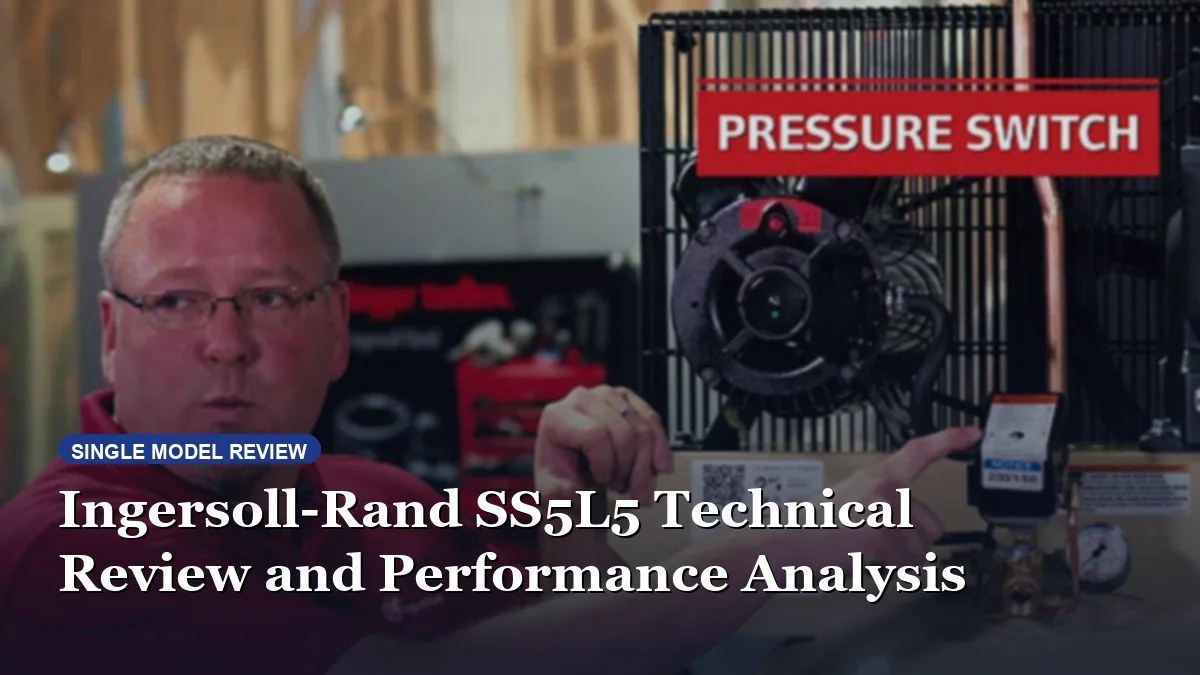
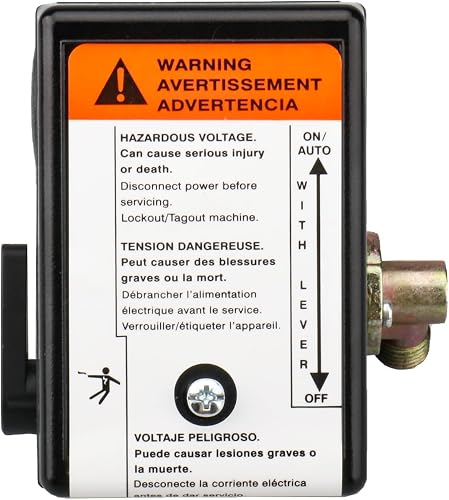
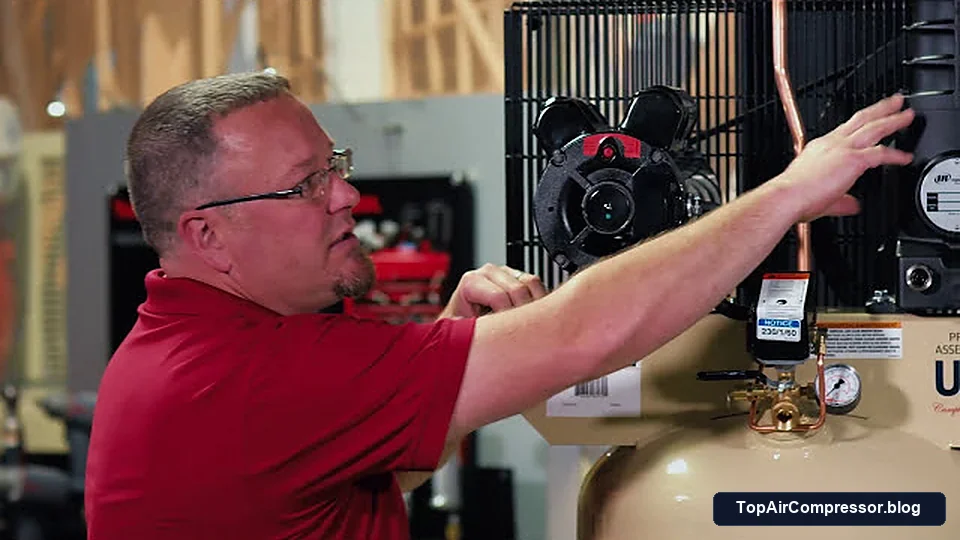
The integrated pressure switch regulates tank capacity efficiently between predefined operational cut-in points. This precise calibration prevents unnecessary motor cycling while preserving compressor lifespan.
Delivering reliable delivery capacity, the unit generates 18.1 CFM at 90 PSI. This substantial airflow easily supports demanding automotive shop tools like high-torque impact wrenches and dual-action sanders simultaneously.
The two-stage compression design achieves a maximum working pressure of 175 PSI. Higher operating pressure means smaller physical volumes of air deliver greater pneumatic energy to heavy-duty production machinery.
During extended workload tests, recovery times from zero to maximum pressure remained consistently efficient. Technicians running continuous orbital sanders will appreciate the minimal pressure drop across long manifold runs.
- High CFM delivery at standard operating pressures
- Consistent tank pressure recovery intervals
- Compatible with high-demand pneumatic equipment
Pressure Control and Switch Reliability
The factory-calibrated pressure switch manages electrical current routing to the motor seamlessly. Built-in silver-alloy contacts ensure spark reduction during repeated high-frequency electrical switching operations.
An integrated unloader valve relieves head pressure instantly when the motor stops rotating. This mechanism prevents motor overload during subsequent startup phases in cold environments.
- Silver-alloy electrical contact points
- Integrated mechanical unloader valve
Video Review: Search filters
Thermal Dynamics and Operating Acoustics Analysis
Operating a heavy reciprocating compressor generates notable mechanical noise within enclosed workspaces. Reviewing our quietest compressor picks helps professionals select low-decibel equipment for urban shops and residential garages.
Thermal management relies heavily on ambient air circulation around the finned pump housing. Maintaining adequate clearance around the unit prevents heat accumulation during peak summer operating hours.
Proper lubrication viscosity protects internal moving parts from excessive friction-induced thermal degradation over time. Checking oil levels regularly ensures optimal thermal stability during extended daily shifts.
Operating large stationary compressors requires careful attention to ambient shop temperatures and ventilation. The belt-guard design directs high-velocity airflow from the flywheel directly over the hot cylinder heads to maximize cooling.
Acoustic measurements place this machinery within standard industrial decibel ranges for reciprocating piston units. Installing rubber isolation pads beneath the tank feet significantly dampens structural resonance and lowers perceived noise.
Thermal overload protection prevents motor burnout during high-demand shifts or low-voltage situations. Proper thermal dissipation ensures the compressor maintains volumetric efficiency without triggering premature safety shutdowns during peak operating hours.
- Standard industrial decibel output levels
- Forced ambient airflow cooling design
- Frictional heat mitigation via synthetic oil
Vibration Damping and Floor Isolation
Isolating the compressor base from concrete floors significantly reduces structural vibration transmission. Using heavy-duty rubber pads protects both the foundation and the unit frame.
Balanced crankshaft rotation minimizes harmonic shaking during peak compression strokes across the tank.
- Harmonic crankshaft balancing
- Rubber isolation pad compatibility
Setup, Ergonomics, and Electrical Requirements
Installing the SS5L5 requires careful attention to electrical supply wiring and circuit amperage. A dedicated 230V single-phase line ensures safe power delivery without tripping shop breakers.
Manual control levers allow operators to toggle system power effortlessly during daily maintenance routines. Clear markings on the switch housing prevent user confusion during emergency shutdowns.
Accessibility to drain valves and air filters simplifies pre-work inspection checklists for busy technicians. Ergonomic port placements streamline hose attachments and pressure gauge monitoring tasks.
Professional installation demands strict adherence to electrical codes and proper circuit sizing. This unit requires a dedicated 230-volt single-phase connection wired directly to an appropriately rated heavy-duty magnetic starter breaker.
Floor placement requires a level concrete slab capable of supporting the dead weight of the equipment. Anchor bolts should be hand-tightened through mounting holes while utilizing vibration isolation mounts to prevent concrete cracking.
Ergonomic placement of the manual tank drain valve simplifies daily moisture purging routines. Technicians can also install an auto-drain kit to streamline maintenance and prevent internal rust accumulation effortlessly.
- Dedicated 230V electrical requirement
- Convenient manual on-off control lever
- Accessible condensate drain fittings
Wiring and Circuit Protection Standards
Electrical installations must comply with local codes using appropriately sized copper wiring conductors. Proper thermal overload protection safeguards the motor windings from voltage drop hazards.
Consulting licensed electricians ensures your shop infrastructure supports the starting surge amperage safely.
- Copper conductor sizing standards
- Motor thermal overload protection
Maintenance Protocols and Long-Term Component Durability
Routine maintenance dictates the ultimate operational lifespan of any heavy shop unit. Checking our best portable tire air compressor guide assists mobile operators in finding reliable auxiliary roadside equipment.
Inspecting intake air filters weekly stops abrasive dust particles from entering cylinder walls. Clean filters maintain maximum volumetric output throughout the seasonal operating cycle.
Draining moisture from the storage tank daily prevents internal corrosion and structural weakening. Component inspections on pressure switches and check valves ensure ongoing workplace safety compliance.
Routine upkeep is crucial for maximizing the operating lifespan of reciprocating industrial air compressors. Operators must check oil levels daily and perform complete synthetic oil changes every two thousand operational hours.
Air filter elements require periodic inspection and cleaning to prevent restricted intake airflow. A clogged filter starves the first-stage piston, increasing running temperatures and accelerating overall pump head wear.
Inspecting drive belts for proper tension and surface cracking prevents unexpected operational downtime. Maintaining correct belt deflection ensures efficient power transfer from the motor pulley to the heavy flywheel.
- Daily tank condensate draining schedule
- Weekly intake air filter cleaning
- Periodic crankcase oil replacement
Preventative Checks for Pressure Switches
Inspect electrical contacts periodically for signs of pitting or carbon accumulation. Replacing worn switches promptly prevents erratic motor behavior and pressure control failures.
Testing safety relief valves manually guarantees they release pressure correctly during over-pressurization events.
- Contact point visual inspections
- Safety relief valve functionality tests
Comprehensive Technical Verdict and Professional Value
The Ingersoll-Rand SS5L5 remains a benchmark choice for professional automotive and industrial workshops. Its unmatched build quality justifies the initial investment for serious tradespeople.
While demanding proper electrical infrastructure and routine maintenance, its performance reliability is exceptional. Technicians seeking dependable pneumatic power will find this compressor exceeds expectations.
Long-term availability of service parts ensures easy upkeep across years of heavy daily operation. Ultimately, this machine represents a solid, engineering-focused solution for demanding shop environments.
Professional evaluation confirms this compressor meets the rigorous demands of busy automotive and fabrication shops. Its robust construction and steady pneumatic delivery provide exceptional long-term reliability for daily commercial use.
While initial setup requires dedicated electrical wiring, the performance dividends justify the installation effort. Workshops upgrading from smaller portable units will instantly notice superior duty cycles and stable line pressure.
Ultimately, the Ingersoll Rand engineering philosophy shines through in every operational metric measured. Facilities seeking uncompromised air output and durable mechanical components will find this system to be an outstanding investment.
- Proven industrial service track record
- High availability of replacement parts
- Exceptional long-term durability value
Final Purchasing Considerations for Shops
Evaluate your daily air consumption requirements before finalizing your compressor installation plans. Ensuring proper tank capacity prevents motor fatigue in high-volume production settings.
Prioritize professional installation to guarantee compliance with all local safety codes.
- Daily CFM requirement matching
- Professional installation verification
Frequently Asked Questions
What electrical supply does the SS5L5 require?
This compressor requires a dedicated 230V single-phase electrical supply line. Proper wiring ensures safe motor operation and prevents damaging voltage drops during startup phases.
How often should I change the pump oil?
You should change the pump oil after the initial break-in period and annually thereafter. Using synthetic compressor oil optimizes thermal performance and reduces internal wear.
Why is daily tank draining necessary?
Daily draining removes condensed moisture that accumulates inside the storage tank during operation. This simple habit prevents internal rust formation and extends overall vessel lifespan.
What causes the pressure switch to fail prematurely?
Electrical pitting from heavy electrical cycling typically causes pressure switch degradation over time. Inspecting contacts regularly ensures reliable electrical continuity in demanding workshop environments.
Can this unit handle continuous industrial workloads?
Yes, its cast-iron pump handles heavy intermittent industrial workflows with high efficiency. Maintaining proper ambient clearance ensures consistent thermal management throughout long daily shifts.